Yana Skakun
What to Wear for Life Coach Headshots
By Yana Skakun·10 April 2027·9 min read
A life coach's professional headshot is often the single most important marketing asset in building a coaching practice. It is the first image a potential client encounters — on a website, on social media, on a directory listing, in a podcast biography, or in a book jacket — and it makes or breaks the instinctive sense of connection and trust that determines whether someone reaches out.
Life coaching headshots sit in a distinctive register: warm, aspirational, genuine, and professionally credible. This guide covers everything from clothing and colour choices through to the specific visual language that works best for life and executive coaching professional photography.
📋 In this guide:
What a Life Coach Headshot Needs to Communicate
The primary signals that a life coach headshot must project are more specific than those of a generic professional portrait:
- ◆Warm, genuine human connection: Potential coaching clients are asking a vulnerable question — whether they trust this person enough to work on their most important personal goals. A headshot that communicates genuine warmth, openness, and real human presence is the single most powerful trust-building tool a coach has before a first conversation.
- ◆Aspirational professional energy: A life coach is selling transformation, possibility, and a better future. A headshot that communicates calm confidence, positive energy, and a sense of settled professional authority projects the aspirational quality that coaching clients are drawn to.
- ◆Authentic personal brand: Coaching is an intensely personal service. Clients choose a coach partly because they identify with or are drawn to that coach's particular identity and approach. A headshot that looks genuinely like you — your style, your energy, your personality — is more effective than a generic professional image.
- ◆Credibility and professional seriousness: While warmth is the priority, a life coach headshot also needs to communicate that this is a serious, qualified professional — not an Instagram personality. Quality photography, considered clothing, and professional presentation communicate this credibility.
Clothing Choices for Life Coach Headshots
- ◆Smart-casual to smart professional: Most life coaching contexts sit comfortably in an elevated smart-casual to smart professional range — polished and considered, but not stiff or corporate. A well-fitted blazer, a beautiful quality blouse or shirt, a structured knit, or a well-chosen dress all communicate the right balance of professionalism and approachability.
- ◆Clothing that reflects your coaching style: An executive coach working with FTSE leadership teams needs a headshot that reads differently from a wellness and life balance coach working with burnt-out professionals or new mothers. Consider which end of the formality spectrum your clients inhabit and dress accordingly. Authenticity to your actual coaching context is more effective than generic professionalism.
- ◆A well-fitted blazer as the universal option: A well-fitted blazer in a warm or serious tone over a quality base layer works across virtually every life coaching niche. It adds professional structure and authority while the underlying top allows colour and personal style to come through.
- ◆Layers that communicate depth: A layered look — a quality blouse under a structured jacket, a fine knit under a blazer — adds visual depth and dimensionality to a headshot in a way that a single flat layer does not. It photographically communicates the multi-dimensional quality that good coaching requires.
Colour Strategy for Coaching Headshots
- ◆Warm, confident blues and teals: Warm navy, deep teal, and soft blue tones are consistently strongly effective in coaching headshots. They communicate calm confidence, trustworthiness, and professional credibility — exactly the signals that coaching clients look for. Muted, warm versions of these tones are more approachable than cold, corporate blues.
- ◆Rich, grounded greens: Forest green, warm sage, and deep olive communicate growth, groundedness, and an organic sense of development — a visually resonant colour choice for a coaching context. Clients engaging with professional growth and personal development are instinctively drawn to these associations.
- ◆Purposeful warm tones — terracotta, burgundy, warm rose: Warmer tones communicate energy, warmth, and personal connection. For coaches whose practice focuses on personal transformation, creativity, or emotional wellbeing, a warm tone signals the relational quality of the coaching work. Burgundy and deep rose photograph particularly well in portrait photography.
- ◆Deep charcoal or navy for executive coaching: Executive and leadership coaching contexts benefit from colours that communicate authority and serious professional credibility. Deep charcoal, midnight navy, and sophisticated slate grey project the right register for a coach working with senior professionals.
- ◆Avoid very pale, washed-out tones: Very light or very pale tones can lack the presence and authority that coaching headshots need to project. A slightly richer or deeper version of any chosen tone communicates more confidence in a portrait.
Coaching Niche and Visual Positioning
- ◆Executive and leadership coaching: A headshot that projects calm, composed, established professional authority. Smart formal to smart professional clothing. Darker, more authoritative colours. The visual register should feel credible to a senior professional audience.
- ◆Career and transition coaching: A headshot that projects both professional credibility and warm approachability. The client is in transition — they need a coach who feels both trustworthy and genuinely supportive. A warm, engaged expression is as important as clothing.
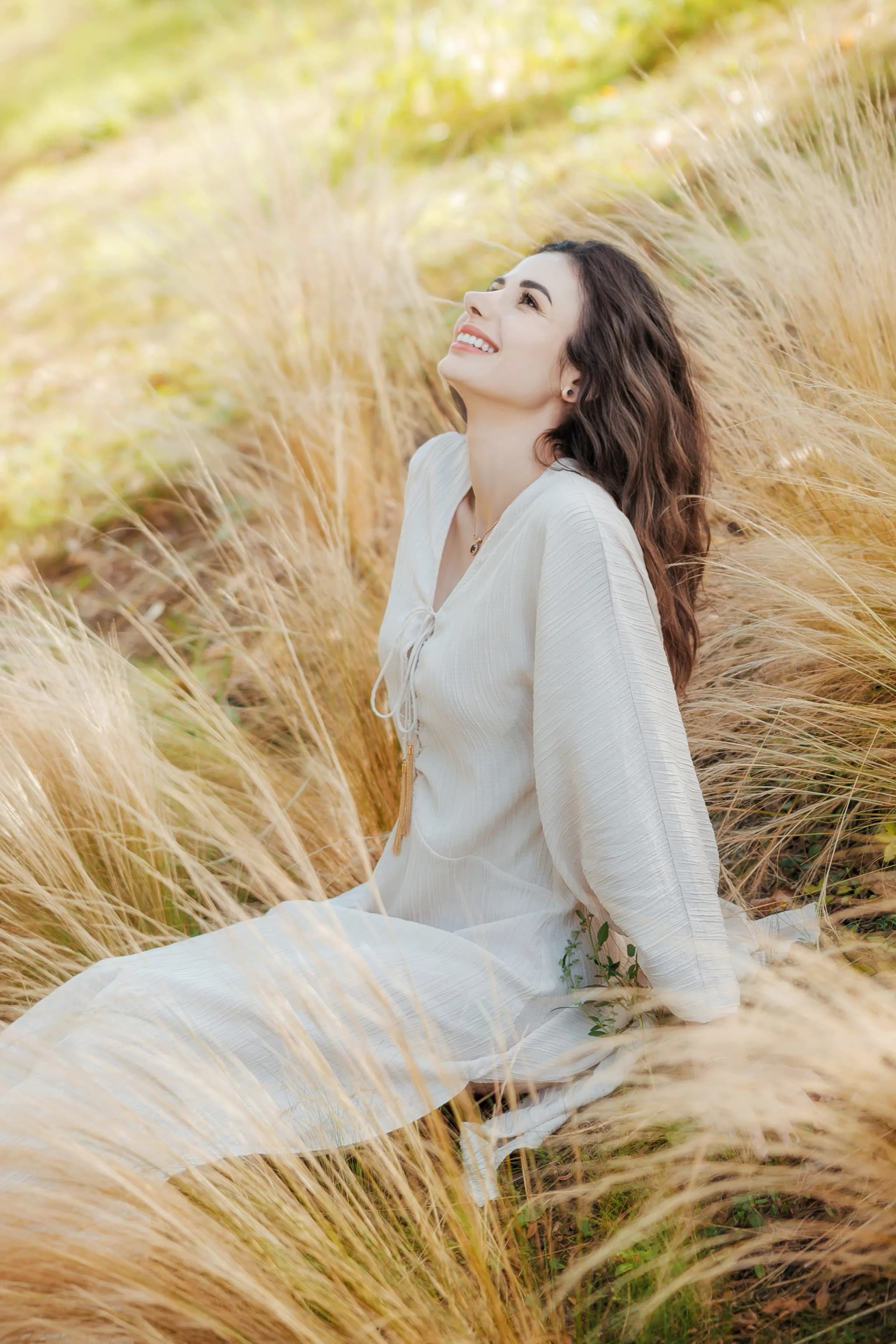
- ◆Wellness, balance, and burnout recovery coaching: A headshot that projects warmth, calm, and genuine human presence over corporate professionalism. Softer, warmer tones. Natural light portrait sessions. An outdoor or warm interior background can reinforce the non-corporate, quality-of-life associations of this coaching work.
- ◆Business and entrepreneurship coaching: A headshot that communicates ambitious, energetic professional credibility. Stronger colours, more dynamic expression. The visual register should feel aspirational and success-associated, resonating with the client's goals.
Brand Alignment and Personal Style
- ◆Visual coherence with your website and materials: A headshot that looks visually consistent with your website colours, social media aesthetic, and brand materials creates a coherent, trustworthy first impression. If your brand uses warm earthy tones, a headshot in those tones amplifies that coherence. A headshot that visually clashes with the brand creates cognitive dissonance.
- ◆Genuine personal style: The most effective coaching headshots are of coaches dressed in a considered, professional version of how they genuinely, naturally present — not in a costume chosen to project a particular image. Clients can sense authenticity (or its absence) in a portrait. Dress as the best version of your professional self.
- ◆Consider multiple looks within one session: A single session can produce multiple distinct headshots — one more formal for LinkedIn and professional directories, one more relaxed for social media and blog contexts. A second clothing option in the same session adds minimal time but dramatically expands the versatility of the results.
Practical Preparation Tips
- ◆Test clothing in a mirror and on camera: What reads well in a mirror and what reads well in a photograph are not always the same. Photograph yourself in your chosen outfit in natural window light before the session to check that the tone, fit, and detail work as expected.
- ◆Prioritise expression over everything else: For a coaching headshot, expression is more important than clothing. A genuinely warm, open, engaged expression in a simple outfit will always outperform a perfect outfit with a flat or stilted expression. Discuss posing and expression approach with your photographer before the session.
- ◆Natural or environmental backgrounds: A plain backdrop headshot is appropriate for formal LinkedIn and directory contexts. For coaching website and social media use, a natural light environmental portrait — in a well-lit café or lounge, in a garden, by a window in a warm interior — can add the approachable, non-corporate warmth that coaching brand photography often benefits from.
What to Avoid for Life Coach Headshots
- ◆Overly corporate or stiff presentation: A coaching headshot that looks indistinguishable from a generic corporate professional portrait misses the fundamental quality that makes coaching an attractive service — the personal, warm, human quality of the relationship. Warmth and genuine presence matter more than formal polish.
- ◆Very casual or unpolished presentation: Equally, a coaching headshot that looks too casual — taken on a smartphone, in everyday clothing, without professional lighting and composition — can undermine the credibility that potential clients need to feel before committing to coaching investment. Quality photography is a professional communication tool.
- ◆A headshot that no longer looks like you: Coaches who have changed significantly since their existing headshot was taken — different hair, significant change in appearance, different personal style — and who continue using an outdated image generate a trust issue the moment potential clients meet them at a discovery call. Current photography is an active professional investment.
Life coach and coaching professional headshots in Cambridgeshire
I specialise in headshots and brand portraits for coaches and independent professionals across Cambridgeshire — plain background studio sessions and natural light environmental portraits designed to capture the warm, credible, personal quality that coaching practice requires. To discuss your session, please get in touch.

Yana Skakun
Photographer · England
Professional wedding, family and portrait photographer based in England. Passionate about capturing authentic emotions and timeless moments.
About Yana →life coach headshot what to wearlife coaching professional portrait UKcoaching headshot photography Cambridgeshirelife coach personal brand photography guideprofessional coach headshot clothing tips
Headshot Tips — Professional Headshot Photography in Cambridge & England
Professional headshot sessions with Yana Skakun are clean, efficient, and designed to produce images that represent you authentically across every professional context — LinkedIn, company websites, speaker profiles, and press. Sessions available in Cambridge and across England. This guide — What to Wear for Life Coach Headshots — is part of the photography journal: practical, experience-based advice drawn from real sessions across England. Whether you arrived searching for life coach headshot what to wear or life coaching professional portrait uk, the same care and attention shapes every session Yana photographs.
Professional Headshot Photography sessions are available year-round, with bookings open across Cambridge, Ely, Huntingdon, Peterborough, and further afield — East England, London, the Midlands, and beyond. If you have specific questions about coaching headshot photography cambridgeshire, mention it in your enquiry. Get in touch through the contact form above to check availability and discuss your session. Enquiries are welcomed from anywhere in the UK.
Continue Reading
Related Articles

Headshot Tips
LinkedIn Headshots for Cambridge Graduates: Start Your Career With the Right First Impression
7 min read · Read Article
Headshot Tips
Professional Photography for Small Businesses: The Complete Guide
12 min read · Read Article
Headshot Tips
Corporate Team Photography: Professional Headshots for Your Entire Organisation
9 min read · Read Article
Get in Touch
Ready to Book Your Session?
Get in touch to discuss your vision — I'll reply within 24 hours.