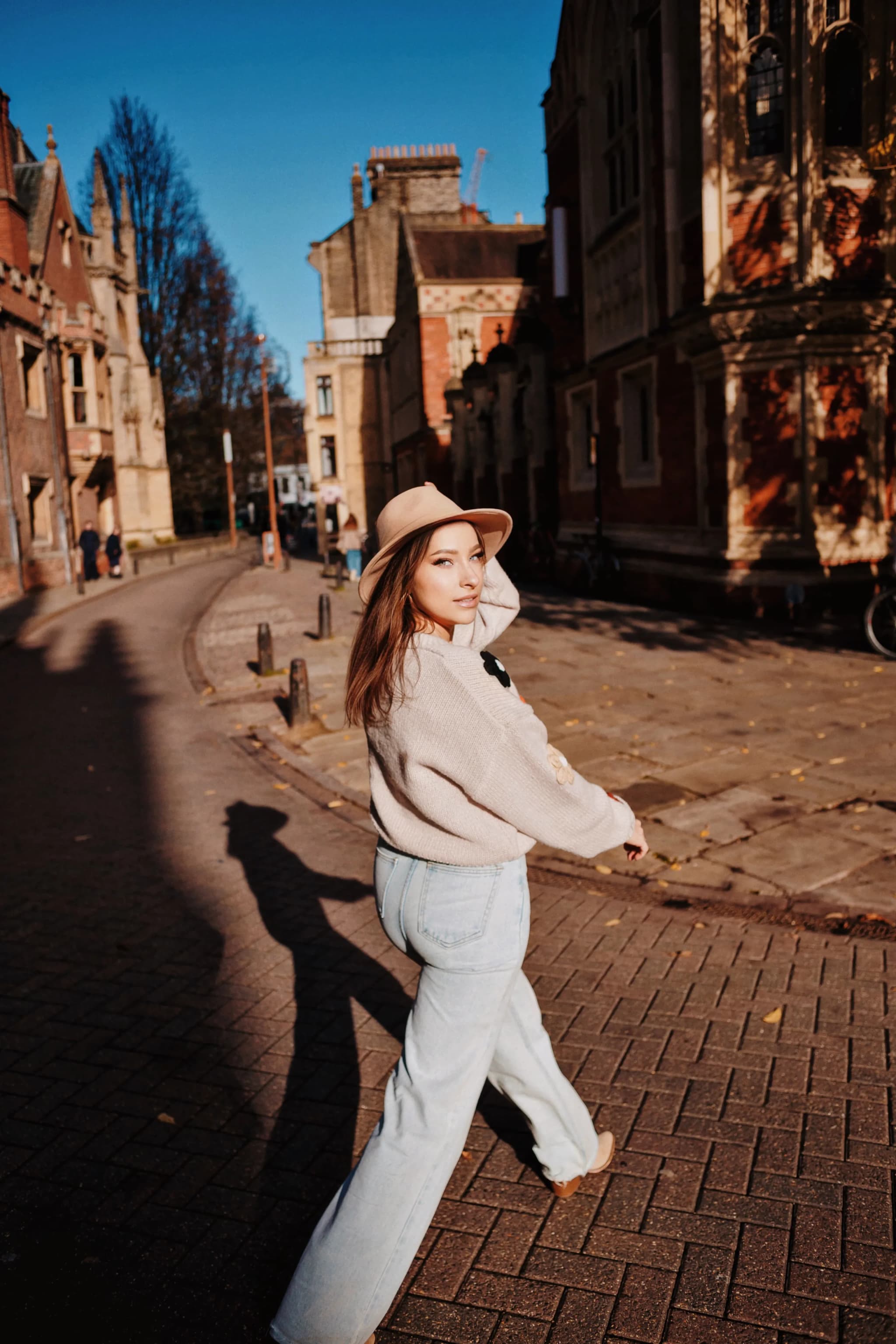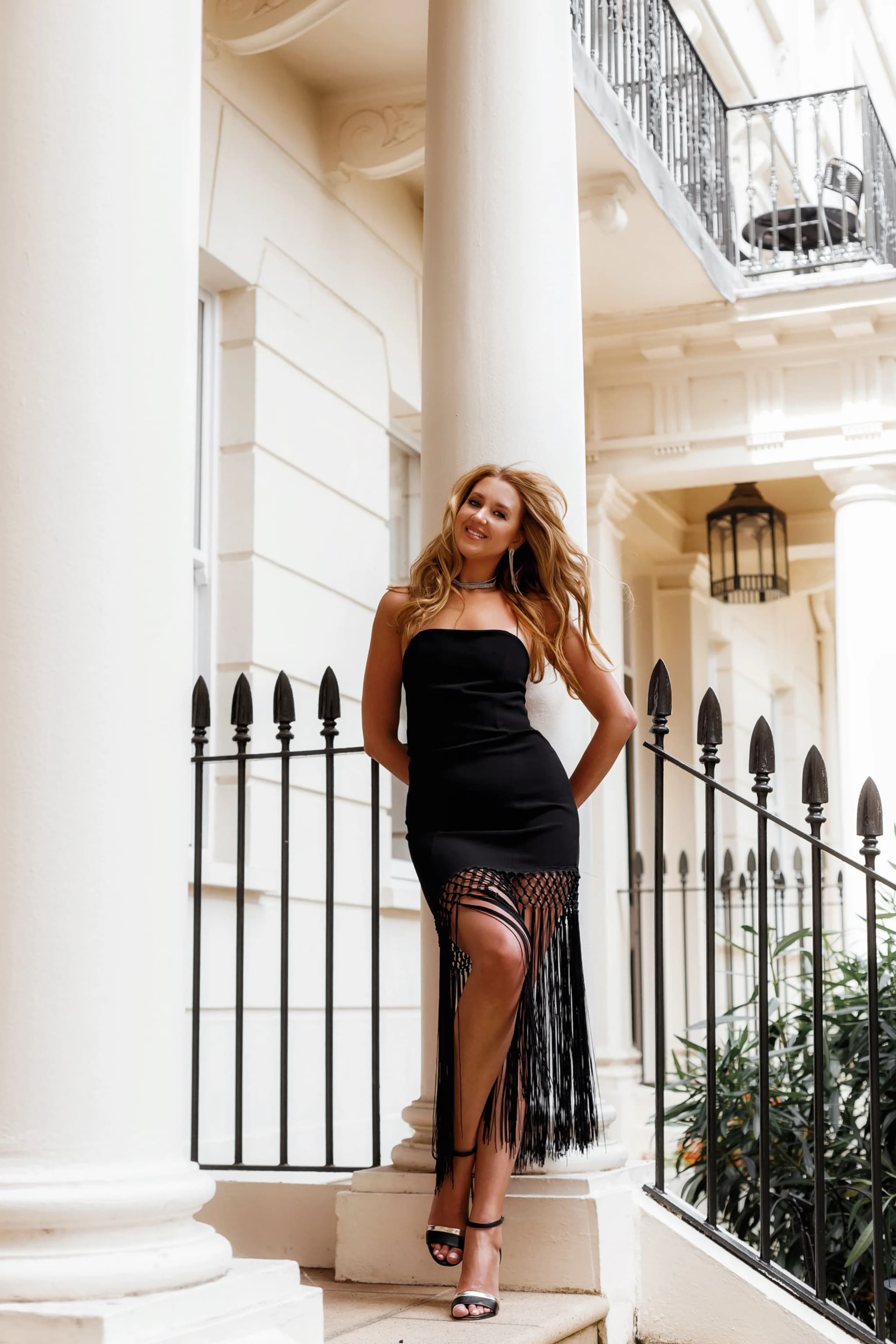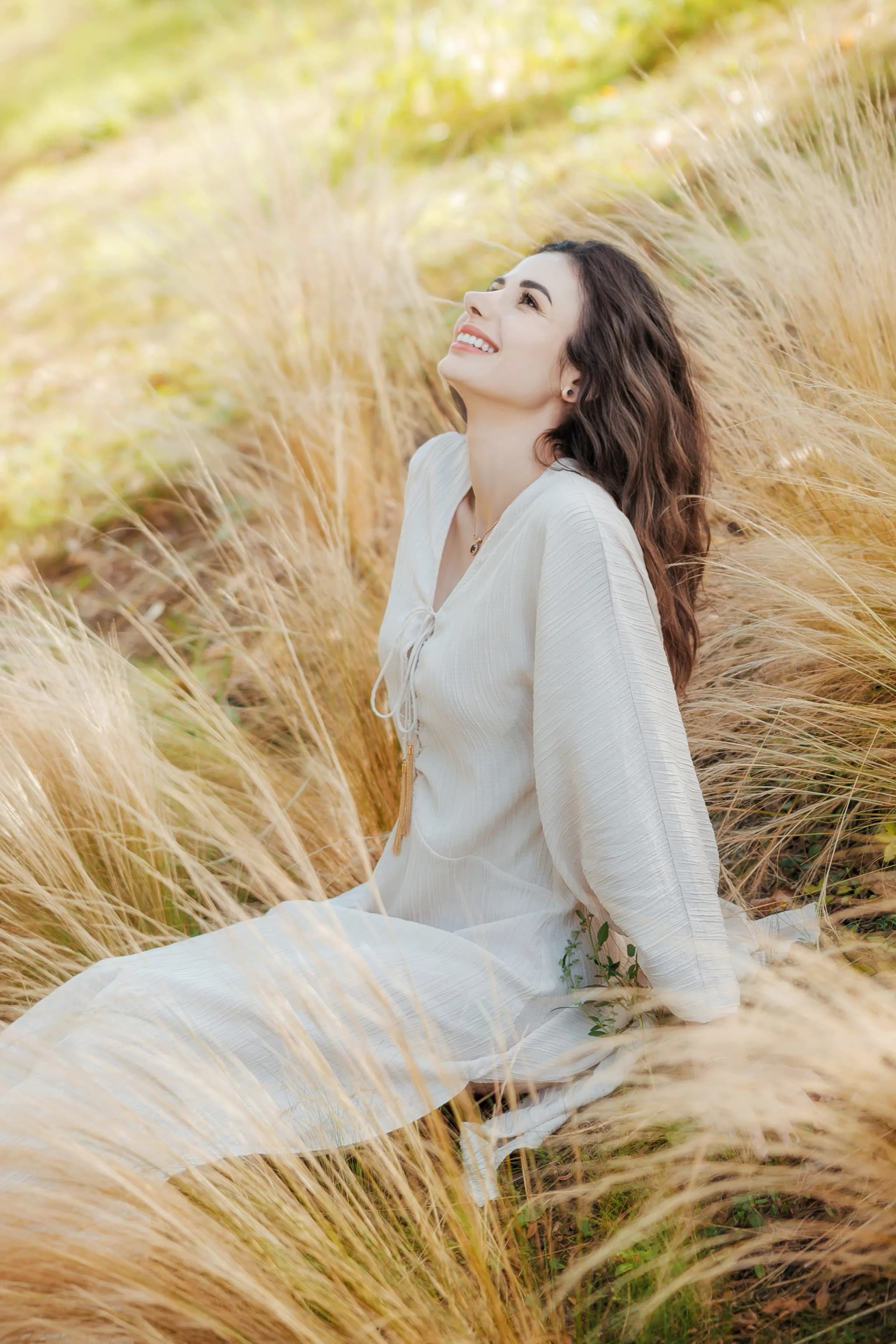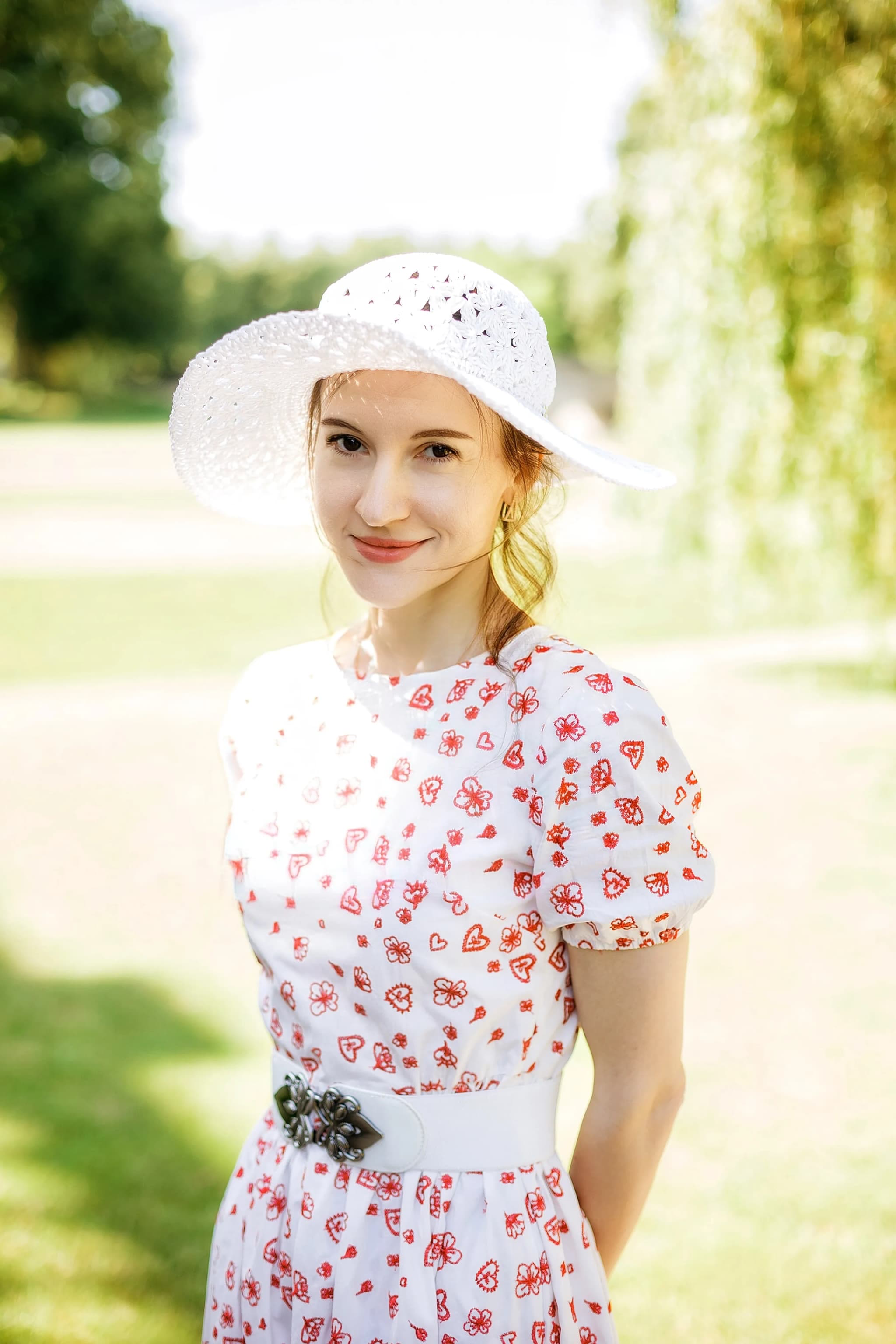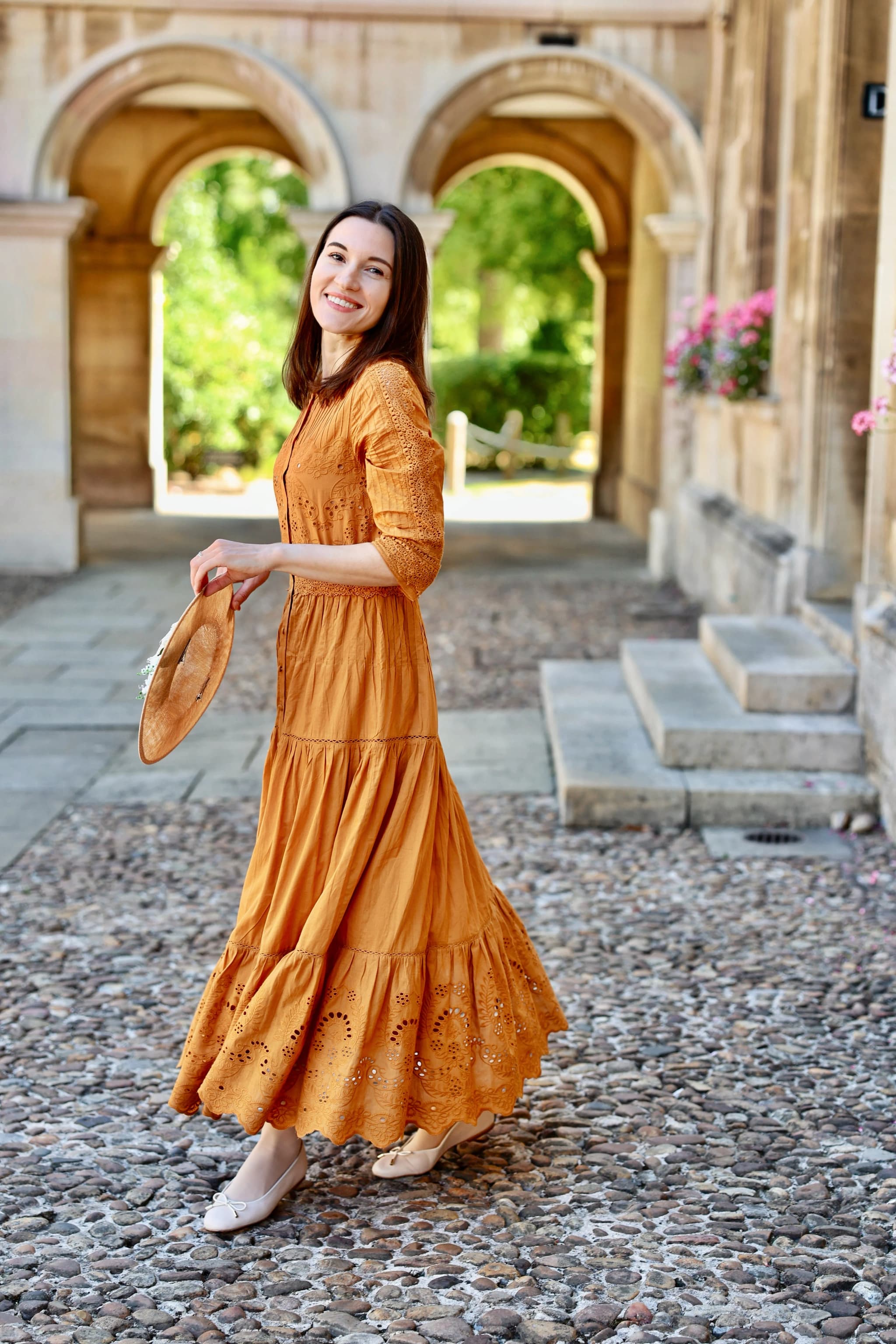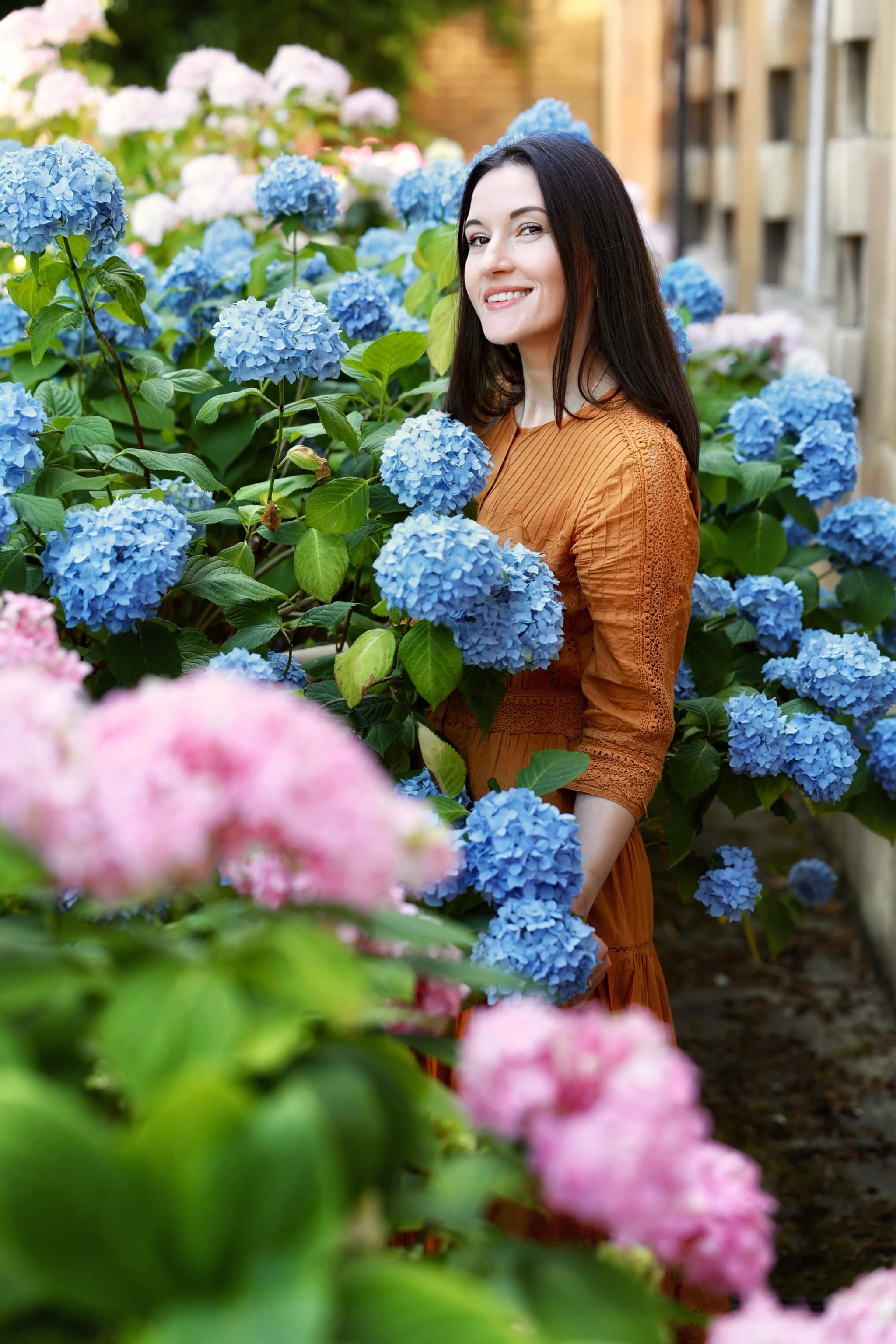
Personal brand photography is distinct from a professional headshot in scope, intention, and execution. Where a headshot produces one or two strong portrait images, a personal brand photography session produces a comprehensive visual library — portrait shots, environmental and workspace images, lifestyle and activity photographs, and detail images — that together tell the story of who you are and what you do. The clothing choices in a personal brand session are consequently more complex and more significant: they need to work across multiple settings, multiple poses, and multiple photographs that will all appear together in the same visual context.
The Multi-Look Strategy
Personal brand photography almost always benefits from multiple outfit changes within the session. Three distinct looks is a common and well-functioning structure:
- ◆ Primary authority look: The most polished and deliberately professional outfit. This produces the primary headshot, the about-page hero image, and the key authority photographs. A quality blazer, well-fitted quality dress or suit, or beautifully put-together smart professional outfit.
- ◆ Secondary working look: More relaxed but still well-presented. Represents you in your working environment — at a desk, in a meeting, engaged with your work. Smart casual at high quality.
- ◆ Lifestyle or personality look: The most personally expressive outfit. Shows the human behind the brand in a more relaxed, authentic context. Still photographs beautifully, but more genuinely personal.
Building a Coherent Brand Visual Identity Through Clothing
- ◆ The multiple outfits in a personal brand session should work together as a cohesive visual set — not identically matched, but visually harmonious. A consistent tonal register and complementary colour palette across the three looks creates a visual library that works as a unified set in website and marketing contexts.
- ◆ Your brand colours, if you have them, should inform the palette choices — photographs that are visually consistent with your brand identity create stronger and more professional visual communications than photographs that feel disconnected from the rest of your visual identity
- ◆ A colour that works exceptionally in one outfit can be echoed in accessories or details of the others — this creates subtle visual cohesion across the whole session
Colour Strategy for Personal Brand Photography
- ◆ Identify one signature colour that feels genuinely expressive of your brand identity and wear it prominently in at least one of the session looks. This photograph often becomes the most distinctive and recognisable from the session.
- ◆ Deep, rich tones photograph with more authority and depth than pale or washed-out tones across all personal brand photography contexts
- ◆ Consider your industry and client base — a brand strategist whose clients are founders in finance presents differently from a creative coach whose clients are artists and makers. The clothing should signal relevance to your specific audience.
- ◆ Avoid very trendy or extremely fashion-forward clothing unless trend currency is genuinely part of your brand identity — personal brand images serve their purpose for up to three years, and very current fashion choices age rapidly
Quality and Condition for a Brand Session
- ◆ Personal brand photography is a significant investment — the photographs produced will appear across your website, LinkedIn, social channels, proposal documents, and marketing materials. Clothing quality should match this investment.
- ◆ Fabric quality is more visible in personal brand photography than in single headshots — multiple photographs across multiple settings will reveal the texture, drape, and condition of clothing in fine detail. Buy or borrow quality.
- ◆ Prepare every garment meticulously before the session — steaming, pressing, checking for any marks or loose threads. The session is not the context for discovering that a favourite blazer has an obscure mark at the sleeve.
- ◆ Footwear — shoes appear in many personal brand photographs, particularly in standing and environmental shots. Choose footwear that is visually consistent with the overall look and in excellent condition.
Clothing for Different Session Environments
- ◆ Office or workspace shots: Smart professional or smart casual — clothing that reads as genuinely in-context for your working environment. Overly formal attire in a casual creative workspace, or overly casual clothing in a corporate environment, reads as incongruous.
- ◆ Outdoor and lifestyle shots: Flowing, quality casual pieces that photograph well in natural light. Linen, quality cotton, and soft jersey work beautifully in outdoor personal brand photography.
- ◆ Detail and flat-lay adjacent shots: Consider how clothing appears in close cropped shots — hands, wrists, and detail images often feature in personal brand photography. Consider jewellery and accessories in detail.
What to Avoid
- ✕ Bringing too many options without a clear plan — an unfocused wardrobe choice at a brand session can reduce rather than increase the quality of the final output. Plan three deliberate, coordinated looks and commit to them.
- ✕ Clothing that is visually inconsistent with your brand positioning — a wellness coach in highly formal corporate attire, or a management consultant in purely casual yoga wear, creates cognitive dissonance that undermines the photographs' effectiveness
- ✕ Very busy patterns that fragment across multiple photograph formats and sizes — personal brand images are frequently cropped, resized, and used in varied graphic design contexts. Clean, structured clothing works better across this diversity of uses.
- ✕ Clothing with visible brand logos from other companies — these create attribution complications and visual noise in professional brand photography
Preparation for a Brand Session
- ◆ Brief your photographer on your brand, your clients, and the specific contexts where the photographs will be used — this shapes location choices, shooting style, and the specific photographs prioritised in the session
- ◆ Create a shot list in advance — knowing exactly which photographs you need for which specific uses (hero image, about page, LinkedIn banner, Instagram portraits) ensures the session produces what you actually need
- ◆ Consider accessories and props — books, notebooks, devices, and relevant professional objects can add context and personality to personal brand photographs when used thoughtfully