Yana Skakun
What to Wear for Psychologist Headshots
By Yana Skakun·29 March 2027·9 min read
A psychologist's professional headshot carries significant weight. It appears on practice websites, NHS directory listings, private practice profiles, academic and research pages, published articles and books, professional association directories, and media appearances. For clients seeking psychological support, it is often the first human encounter before an initial appointment — and the visual impression it creates matters for the therapeutic relationship from the very first moment.
Psychologist headshot photography sits at the intersection of approachable warmth and professional clinical credibility. This guide covers how to dress to communicate both qualities authentically and effectively.
📋 In this guide:
What a Psychologist's Headshot Needs to Communicate
Psychologist headshots must navigate a more complex set of professional signals than most other clinical headshots. The primary qualities to project are:
- ◆Genuine warmth and approachability: Clients approaching a psychologist for the first time are often doing so with considerable vulnerability and anxiety. A warm, genuinely approachable quality in the headshot — communicated through expression as much as clothing — directly affects whether clients feel safe enough to make that initial contact.
- ◆Safe professional competence: Clients and referrers need to feel confident that the psychologist is clinically trained and professionally serious. Clothing that communicates considered professional judgement — not excessively casual, not rigidly corporate — supports this confidence.
- ◆Authentic professional identity: A headshot that looks genuinely like the psychologist — not a generic professional with clinical-adjacent clothing — is more effective in building a pre-session connection. Clothing that reflects how the psychologist actually presents professionally communicates authenticity.
- ◆Non-intimidating authority: Unlike some other professional headshot contexts, a psychologist's headshot benefits from warm authority rather than formal authority. Very stiff, corporate, or imposing presentation can feel at odds with the approachable quality that psychological practice requires.
Clothing Choices for Psychologist Headshots
- ◆A well-fitted blazer over soft base layer: A well-structured blazer in a warm or neutral tone worn over a quality blouse or shirt is one of the strongest possible combinations for a psychologist headshot. The blazer provides professional authority; the softer underlayer provides warmth and approachability. The contrast between the two communicates the balance between professional credibility and human warmth that psychological practice requires.
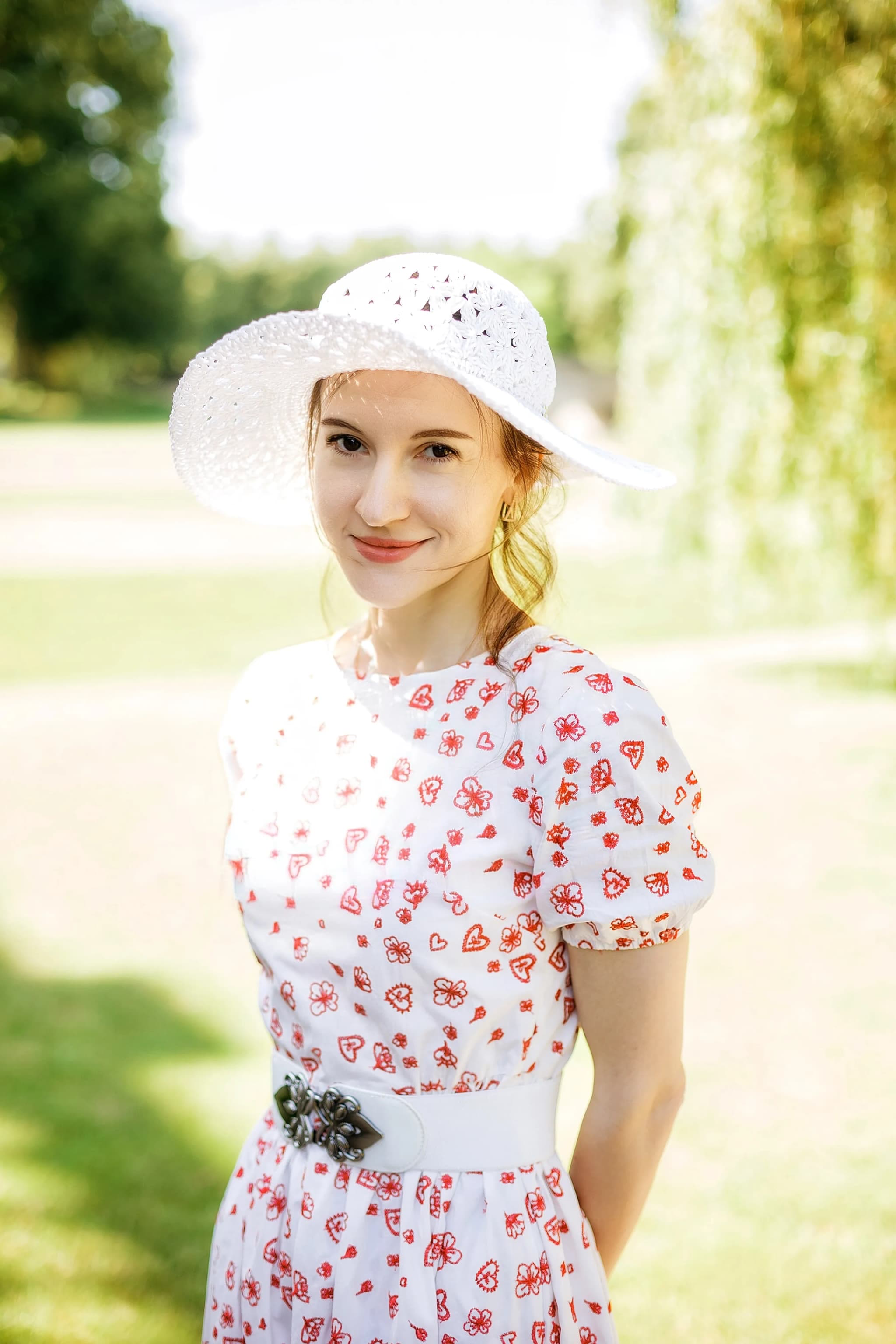
- ◆Quality knit in a professional tone: A fine-gauge quality knit — not a casual weekend jumper, but a well-made, structured knitwear piece — can work extremely effectively for a psychologist headshot. Merino, cashmere-blend, or structured jersey knit in a warm professional tone communicates competence with warmth and without the rigidity of formal suiting.
- ◆A well-chosen professional dress: A well-fitted dress in a soft professional tone — warm navy, dusty rose, sage green, warm grey — photographs with both professional authority and human warmth. Avoid excessively casual wrap dress options and very formal, stiff structured styles.
- ◆Soft structured separates: Quality trousers and a well-chosen blouse or structured shirt in complementary tones work effectively. The combination of well-fitted separates in thoughtful colour choices communicates professional preparation and considered personal presentation.
Colour Psychology in Clinical Headshots
Colour choice has particular significance in clinical and therapeutic professional photography. The following tones serve psychologist headshots particularly well:
- ◆Warm, muted blues and soft teal: Blue tones are consistently associated with calm, trust, and professional credibility in professional photography contexts. For psychologist headshots, muted, warm blues — soft navy, dusty cornflower, warm slate, soft teal — work more effectively than very cold, clinical blues, which can feel slightly distant.
- ◆Warm greens — sage, forest, and muted jade: Warm green tones communicate calm, growth, and a grounded quality that is particularly well-suited to the psychological practice context. Sage, warm forest green, and muted jade are all effective choices that photograph warmly and complement a wide range of skin tones.
- ◆Soft warm neutrals — dusty rose, warm grey, champagne: Warm neutral tones — dusty rose, warm grey, cool champagne, warm taupe — communicate approachability and warmth without sacrificing professional seriousness. These tones provide excellent contrast for the face and photograph with a soft, welcoming quality.
- ◆Deep burgundy and warm plum: Deeper warm tones — burgundy, warm plum, deep rose — communicate both professional seriousness and individual warmth. These tones work particularly well for psychologists who want a slightly more individual or distinctive professional presence.
- ◆Avoid clinical white and very cold tones: Pure clinical white and very cold, stark tones can communicate clinical distance rather than the warm approachability that psychological practice contexts require. A warm ivory or soft white is more appropriate than stark brilliant white.
- ◆Avoid very vivid and attention-grabbing colours: Very bright, saturated colours direct attention to the clothing rather than the face and expression, which is the primary communicative element of a clinical headshot.
Different Practice Contexts and Their Visual Requirements
- ◆Private practice client-facing photography: Headshots for a private practice website are the most directly client-facing context. Warmth, approachability, and a genuine sense of the psychologist as a safe, professional person are the primary goals. Expression is as important as clothing here — a natural, warm smile or a genuinely engaged, thoughtful expression works better than a formal, neutral pose.
- ◆NHS and healthcare directory: An NHS healthcare setting often has slightly more formal requirements. A clean, professional headshot in smart professional clothing — a blazer or structured professional dress — that meets the visual standard of a medical professional directory works well here.
- ◆Academic and research contexts: A psychologist with a research and academic profile — published papers, academic positions, conference presentations — benefits from a headshot that also reads at the academic professional register. A slightly more structured or formally professional presentation while maintaining warmth serves this dual context.
- ◆Media and public engagement: A psychologist appearing on television, radio, or in print media needs a headshot suitable for these high-visibility contexts. Stronger colour choices, high-quality photography, and a look that translates across varied media contexts are important at this level.
Expression and the Client-Facing Quality of Headshots
For clinical and therapeutic professionals, expression is the most important communicative element of the headshot — more important than clothing:
- ◆A warm, genuine smile or soft engaged expression: A genuine smile — not a camera smile, but a natural, warm expression — is one of the most powerful trust signals a clinical headshot can contain. Clients who see a real warmth in a psychologist's photograph feel safer approaching them.
- ◆Thoughtful and engaged rather than neutral: Some psychologists prefer a more neutral, thoughtful expression over a direct smile — particularly for more formal or academic contexts. A genuinely engaged, present expression rather than a stiff or formal neutral conveys the attentiveness that psychological practice requires.
- ◆Eyes as the primary connection point: Portrait photography is significantly about eye contact and connection through the gaze. A headshot with clear, warm, direct eye contact communicates confidence and genuine presence in a way that a downcast, averted, or distracted gaze does not.
Practical Preparation for Psychologist Headshots
- ◆Two or three clothing options: Bringing two or three clothing options — a blazer option, a softer knitwear option, and a professional dress option — allows the photographer to identify which works best in the actual lighting conditions of the session and gives flexibility for photographs serving different professional contexts.
- ◆Well-pressed and wrinkle-free: Anything with collar, cuffs, or lapels must be properly pressed. The close-up quality of headshot photography makes fabric condition immediately visible in ways that are not apparent in everyday wear.
- ◆Jewellery — thoughtful and moderate: A single, meaningful piece of jewellery adds personality to a headshot without distraction. Very minimal or no jewellery works as cleanly. Multiple overlapping pieces or statement-scale items can draw attention away from expression and face.
- ◆Glasses — clean lenses and anti-reflective consideration: Glasses with clean lenses and frames that reflect your actual practice presentation are effective in clinical headshots. A photographer experienced with glasses can position you to manage or eliminate lens glare.
What to Avoid for Psychologist Headshots
- ◆Overly casual clothing: Casual knitwear, open-collar casual shirts, very informal clothing at a clinical website context can undermine the professional credibility signal that clients and referrers need. The warmth goal does not require informality — it requires genuine human presence within a professional register.
- ◆Very stark or corporate presentation: An extremely formal, stiff, or corporate presentation can feel inconsistent with the therapeutic warmth that clinical practice requires. Very stiff suiting, extremely formal poses, or an overly polished, impersonal appearance can create distance rather than connection.
- ◆An outdated photograph: Psychological practices frequently use photographs that no longer reflect the actual appearance of the practitioner. Clients who arrive at a first appointment to find someone significantly different from the photograph they had associated with their therapist experience a brief but genuine dissonance. A current photograph is important.
Clinical and therapeutic professional headshots in Cambridgeshire
I specialise in professional headshots for psychologists, therapists, counsellors, and other clinical practitioners — creating photographs that balance genuine warmth with professional credibility, suited to private practice websites, NHS directories, and academic profiles. To discuss your session, please get in touch.


Yana Skakun
Photographer · England
Professional wedding, family and portrait photographer based in England. Passionate about capturing authentic emotions and timeless moments.
About Yana →psychologist headshot what to wearclinical psychologist professional photograph UKtherapist headshot photography Cambridgeshirepsychology practice website headshot guideclinical professional headshot colour tips
Headshot Tips — Professional Headshot Photography in Cambridge & England
Professional headshot sessions with Yana Skakun are clean, efficient, and designed to produce images that represent you authentically across every professional context — LinkedIn, company websites, speaker profiles, and press. Sessions available in Cambridge and across England. This guide — What to Wear for Psychologist Headshots — is part of the photography journal: practical, experience-based advice drawn from real sessions across England. Whether you arrived searching for psychologist headshot what to wear or clinical psychologist professional photograph uk, the same care and attention shapes every session Yana photographs.
Professional Headshot Photography sessions are available year-round, with bookings open across Cambridge, Ely, Huntingdon, Peterborough, and further afield — East England, London, the Midlands, and beyond. If you have specific questions about therapist headshot photography cambridgeshire, mention it in your enquiry. Get in touch through the contact form above to check availability and discuss your session. Enquiries are welcomed from anywhere in the UK.
Continue Reading
Related Articles

Headshot Tips
LinkedIn Headshots for Cambridge Graduates: Start Your Career With the Right First Impression
7 min read · Read Article
Headshot Tips
Professional Photography for Small Businesses: The Complete Guide
12 min read · Read Article
Headshot Tips
Corporate Team Photography: Professional Headshots for Your Entire Organisation
9 min read · Read Article
Get in Touch
Ready to Book Your Session?
Get in touch to discuss your vision — I'll reply within 24 hours.