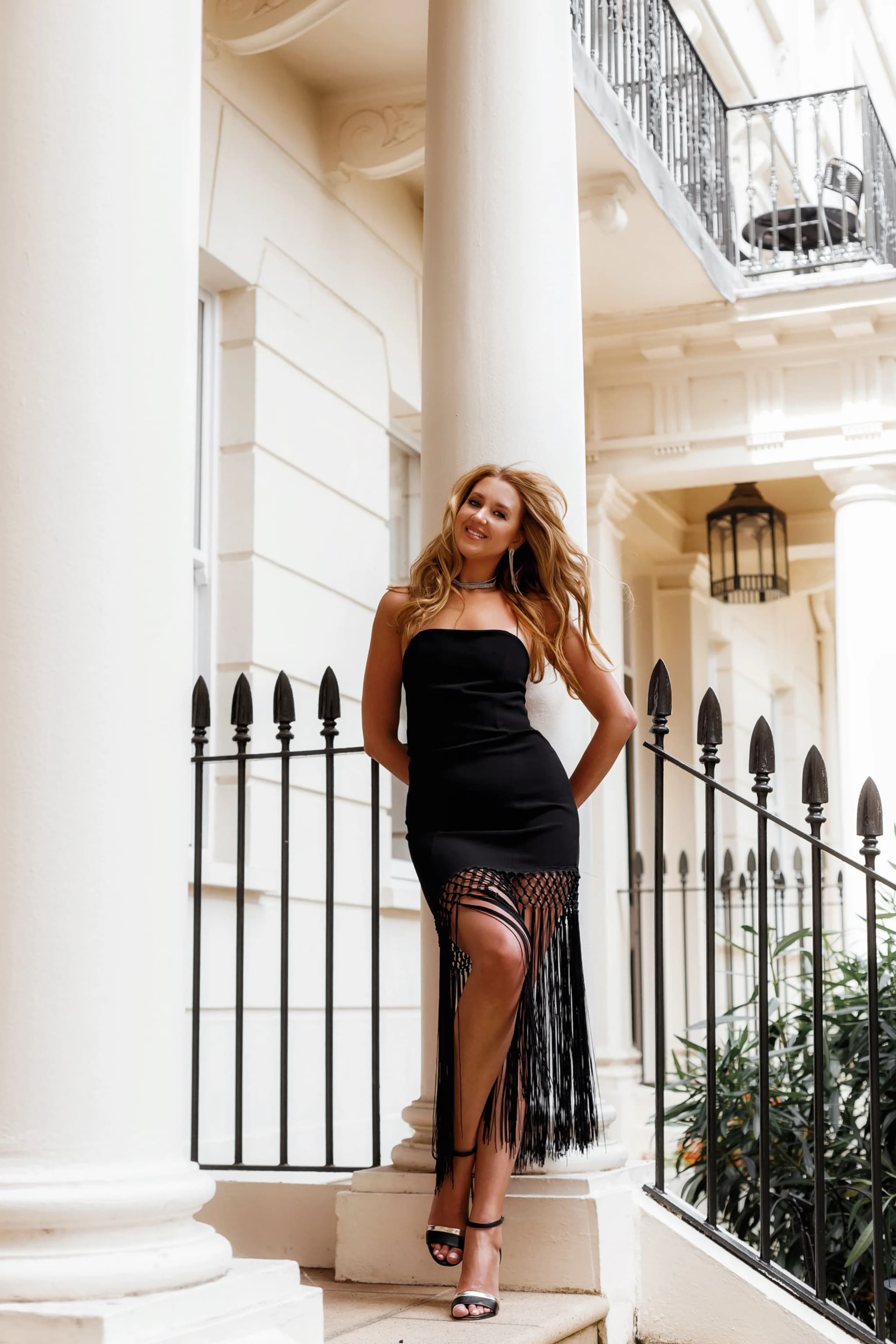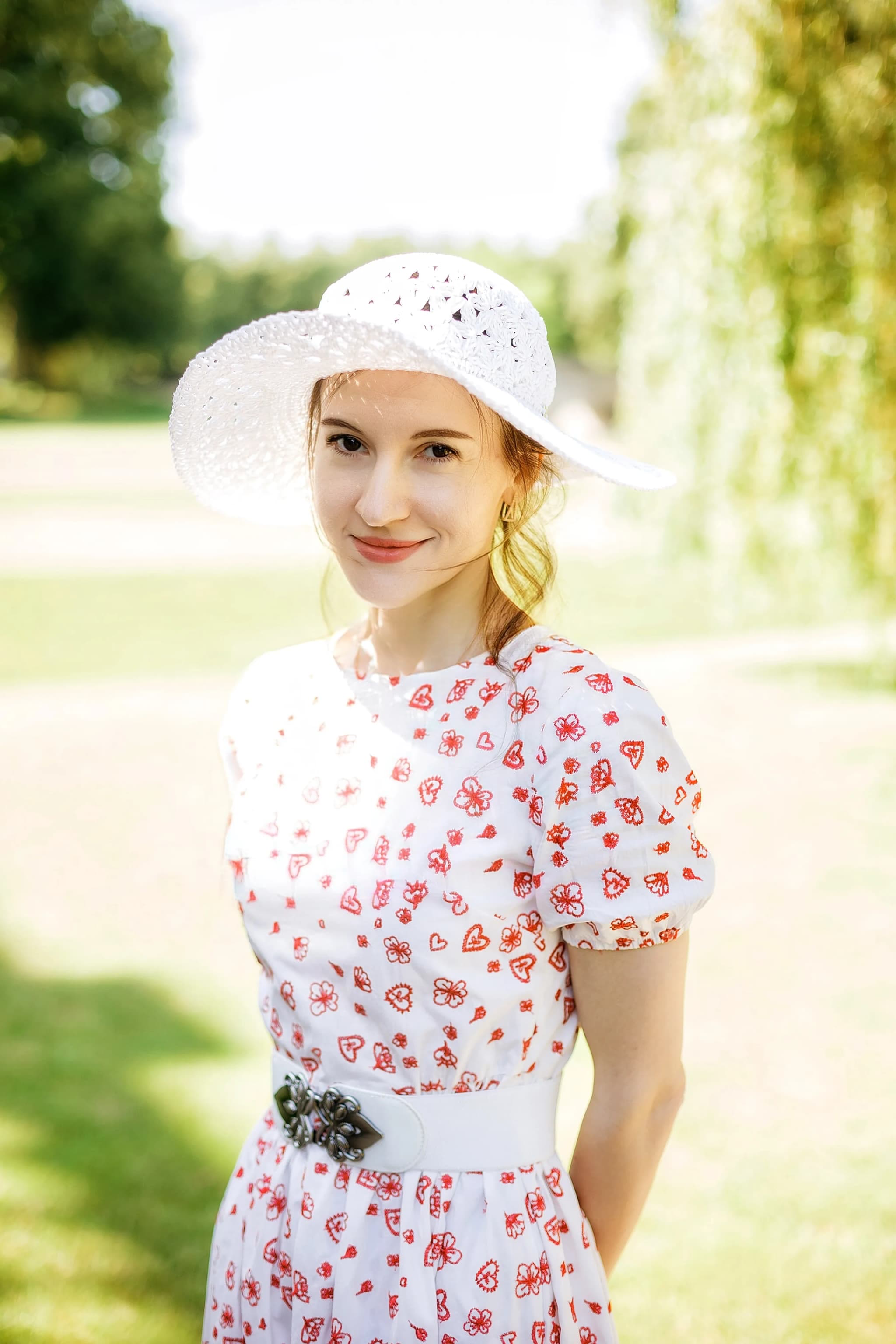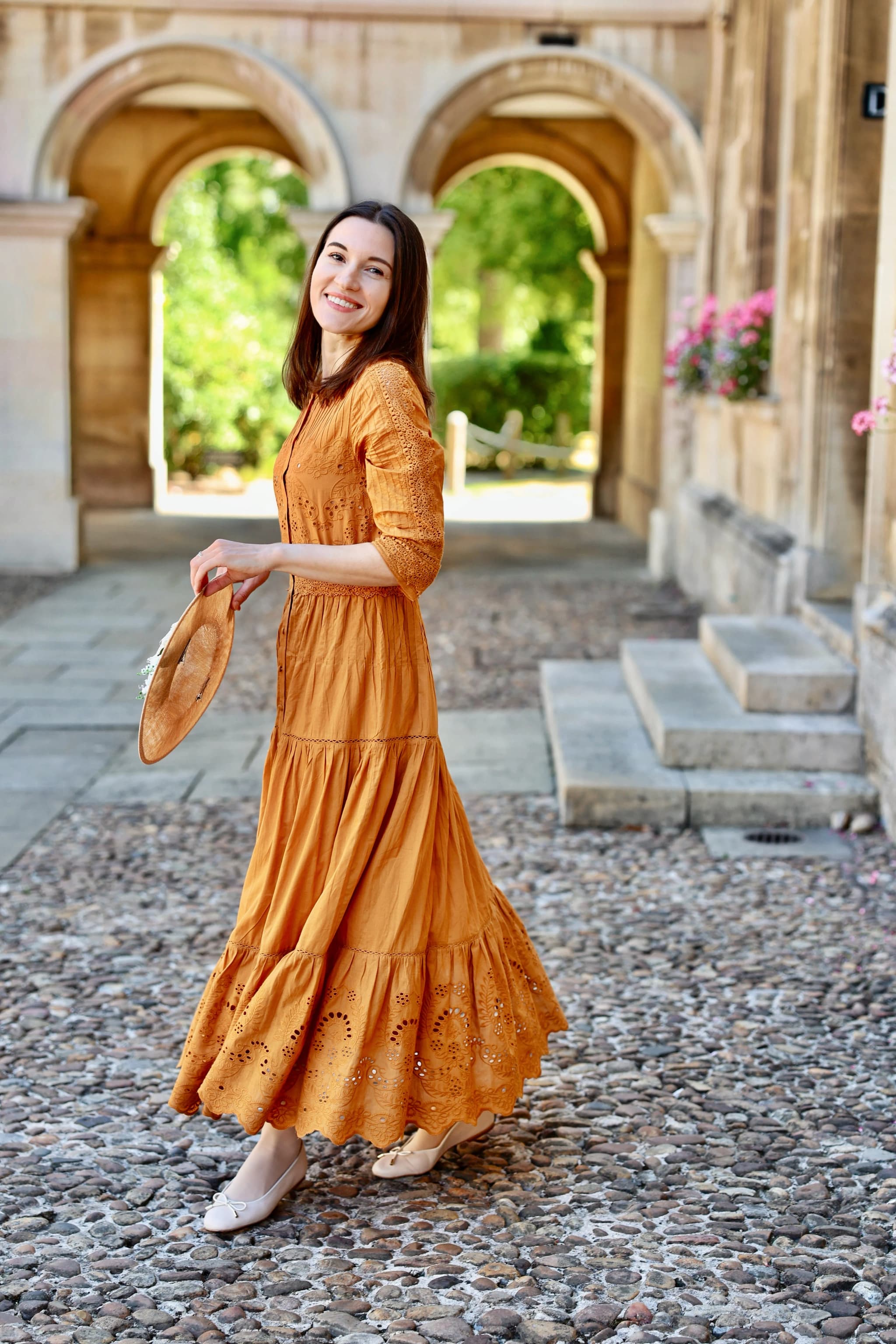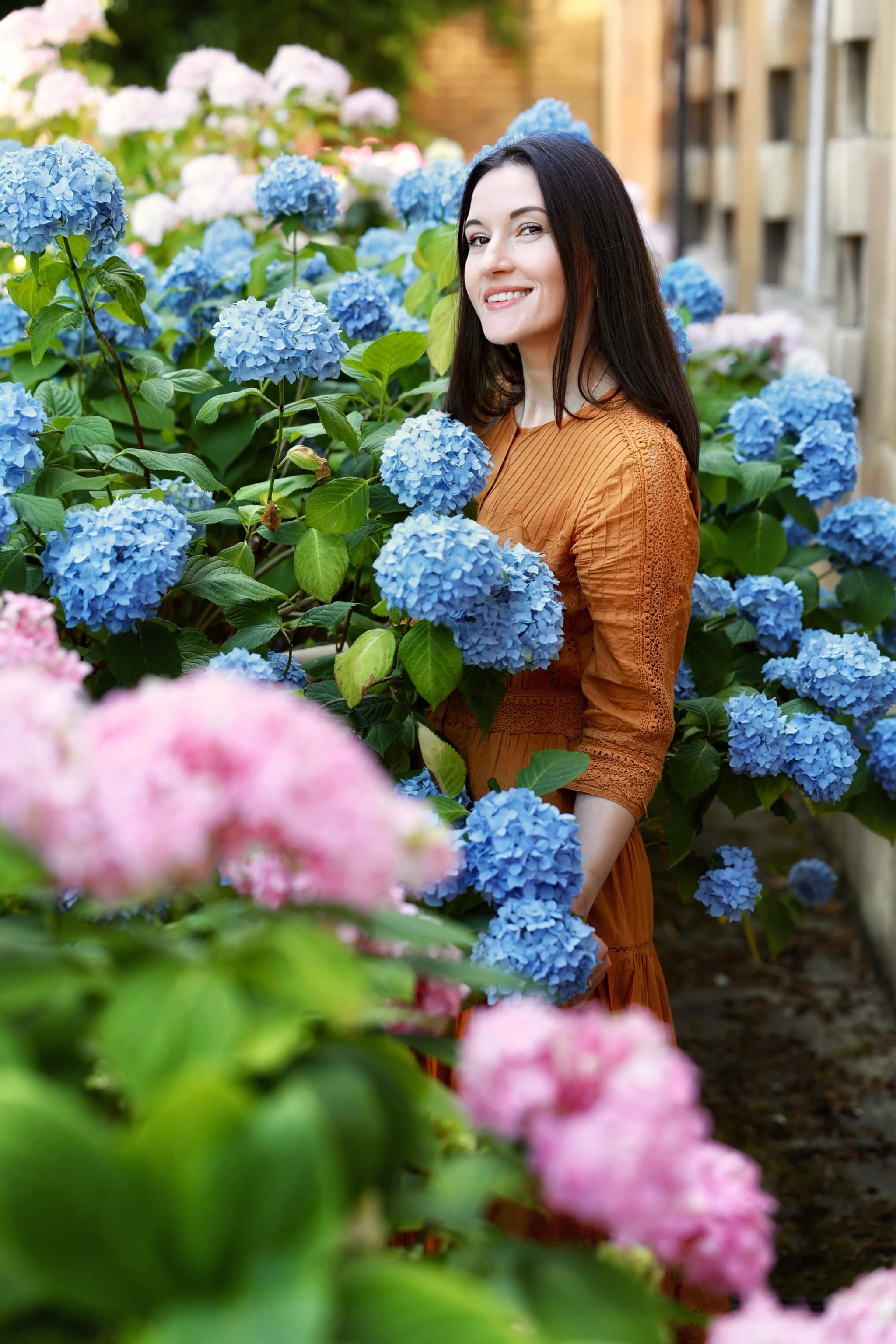
Science and research professional headshots appear across university departmental pages, research institute profiles, grant application portfolios, journal author pages, conference speaker listings, and science communication platforms. These photographs need to communicate genuine intellectual credibility and scientific authority while also projecting the approachability and collaborative openness that modern research culture increasingly values. Clothing choices for academic science headshots navigate a specific set of professional and cultural expectations.
Understanding science and research professional identity
Research and academic science encompasses enormous range — from early-career PhD researchers and postdoctoral fellows through to laboratory directors, principal investigators, departmental heads, and public-facing science communicators. The appropriate professional image differs meaningfully across this range, and clothing should reflect your actual career stage and professional context rather than a generic academic stereotype.
Academic and research professional culture, particularly in the UK, leans toward the understated and non-corporate. Visible displays of expensive fashion or highly formal corporate dressing can read as misaligned with research professional identity. The visual goal is thoughtful, considered, and authentically intellectual — professional but genuinely grounded in the distinctive culture of scientific enquiry rather than corporate business.
Science communication and public engagement roles occupy a different position, requiring clothing that communicates accessible warmth and engagement alongside credibility — a somewhat different balance from research-focused profiles.
Colour choices for science headshots
Considered, clean colours that read as intelligent and grounded without being either highly formal or casual work best for science and research professional photography. Mid-depth blues — from warm teal to classic mid-navy — are particularly effective, communicating reliability, clarity, and analytical thinking. Deep forest greens and warm sage tones read well in academic contexts. Burgundy, deep plum, and rich wine tones add a warmth and considered quality that works across many science disciplines.
Earth tones — warm stone, rust, warm ochre, and terracotta — work particularly well for life sciences, ecology, environmental science, and biology research contexts where they carry natural associations with the subject matter. Cooler, cleaner tones — grey, silver-blue, and steel — work well for physics, engineering, mathematics, and computational science.
Very bright, highly saturated fashion colours can read as incongruous in research professional photographs for academic profiles, though they can work effectively for more public-facing science communication roles. Very conservative, very dark corporate tones like stark black suits or heavy navy pinstripes can over-formalise a science headshot toward a corporate register that may feel out of place on a university or research institute profile page.
Formality by career stage and role
Laboratory directors, principal investigators, and department heads:A well-fitted, quality blazer or smart jacket over a quality top, shirt, or blouse is appropriate. This communicates leadership and intellectual seriousness while remaining genuinely academic rather than corporate. A quality suit works well for very senior researchers in formal leadership roles, particularly those representing their institution in external contexts.
Postdoctoral researchers and research fellows: Smart professional but less formally structured clothing reads as authentic for this career stage. A well-fitted quality top or shirt in a considered colour, potentially with a light jacket, communicates competent professionalism without over-formalising. The priority is clothing that projects intellectual seriousness and genuine professionalism without affectation.
PhD candidates: Professional but accessible clothing that reflects genuine academic standing without over-claiming formal seniority appropriate to a later career stage. Clean, quality smart casual — a quality structured top, simple blazer, or well-fitted knitwear — communicates emerging professional identity effectively.
Science communicators and public engagement leads: Accessible warmth alongside credibility. More colourful, expressive, and contemporary choices can work well for these roles, as approachability and visual engagement are primary image goals alongside professional credibility.
Practical discipline-specific notes
Some sciences have specific photographic traditions worth considering. Medical researchers and clinical academics are sometimes photographed in or near clinical environments — discussions with your photographer about whether clinical context is part of the brief influences clothing choices. Life scientists working with organisms may prefer natural and earthy palettes. Physical scientists and engineers often gravitate toward cleanly structured, precise clothing that reflects the careful methodological culture of the disciplines.
Interdisciplinary, humanities-science, or design-science hybrid roles often benefit from slightly more expressive clothing choices that bridge the aesthetic traditions of the disciplines involved. Science communication roles for public science organisations, museums, or media platforms require a substantially different visual approach — more expressive, more accessible, and more visually engaging than pure research-focused academic headshots.
Fit and quality in science headshots
Fit is the single most important quality criterion in any professional photograph. A garment in a thoughtful colour that fits properly will always produce a better headshot than an expensive garment in an ill-fitting size. Before your session, assess each piece of clothing for fit specifically — not simply whether it fits adequately but whether it actually fits well enough to wear in professional portrait photographs that represent you for several years.
Blazers should sit cleanly on the shoulders, fall to the correct sleeve length, and not pull across the back. Shirts and blouses should sit without strain across the chest and shoulders. Quality knitwear should drape cleanly. Avoid very deep V-necks or significantly revealing necklines in professional academic photographs, which risk misaligning the visual tone of the portrait with professional expectations.
Visible logos, branded casual wear, and sloganed clothing are not appropriate for professional academic headshots, as they undermine the clean professional authority that research photographs require and date very quickly. Plain, quality basics in considered colours always produce stronger results.
Laboratory and research environment context
Some science headshots are taken in laboratory or research environment settings rather than standard portrait studio or outdoor contexts. If your photograph will be taken in or near a laboratory environment, clothing that reads as authentically professional in that setting is appropriate. Lab coats and PPE are photographic props that can be incorporated meaningfully, but the underlying garments beneath them should be photographed separately as the primary headshot to create versatile image options.
A session that captures both the laboratory-context photograph and a clean professional portrait in well-chosen clothing gives you the most versatile gallery — the laboratory image for specific science communication uses, and the clean professional portrait for broader professional profile purposes.
Planning your science headshot session
Prepare two or three clothing options — varying formality level and colour — rather than arriving with a single outfit. The variety creates portfolio flexibility across different professional uses: university profile pages, journal author pages, conference programmes, grant application materials, and media or science communication channels may all benefit from slightly different presentations.
Try your clothing under natural light at least a week before your session to identify how each piece actually photographs — assessing fit, colour accuracy, and any shine or texture issues that resolve or appear differently in photographic light. Preparing thoughtfully produces results that represent your research identity with genuine authority and serve your professional profile effectively for years to come.