Venue Guides
Wiltshire Wedding Venues Guide
A guide to Wiltshire's finest wedding venues — Lacock Abbey, Longleat, Wilton House, Bowood House, Salisbury Cathedral and the Stonehenge landscape.
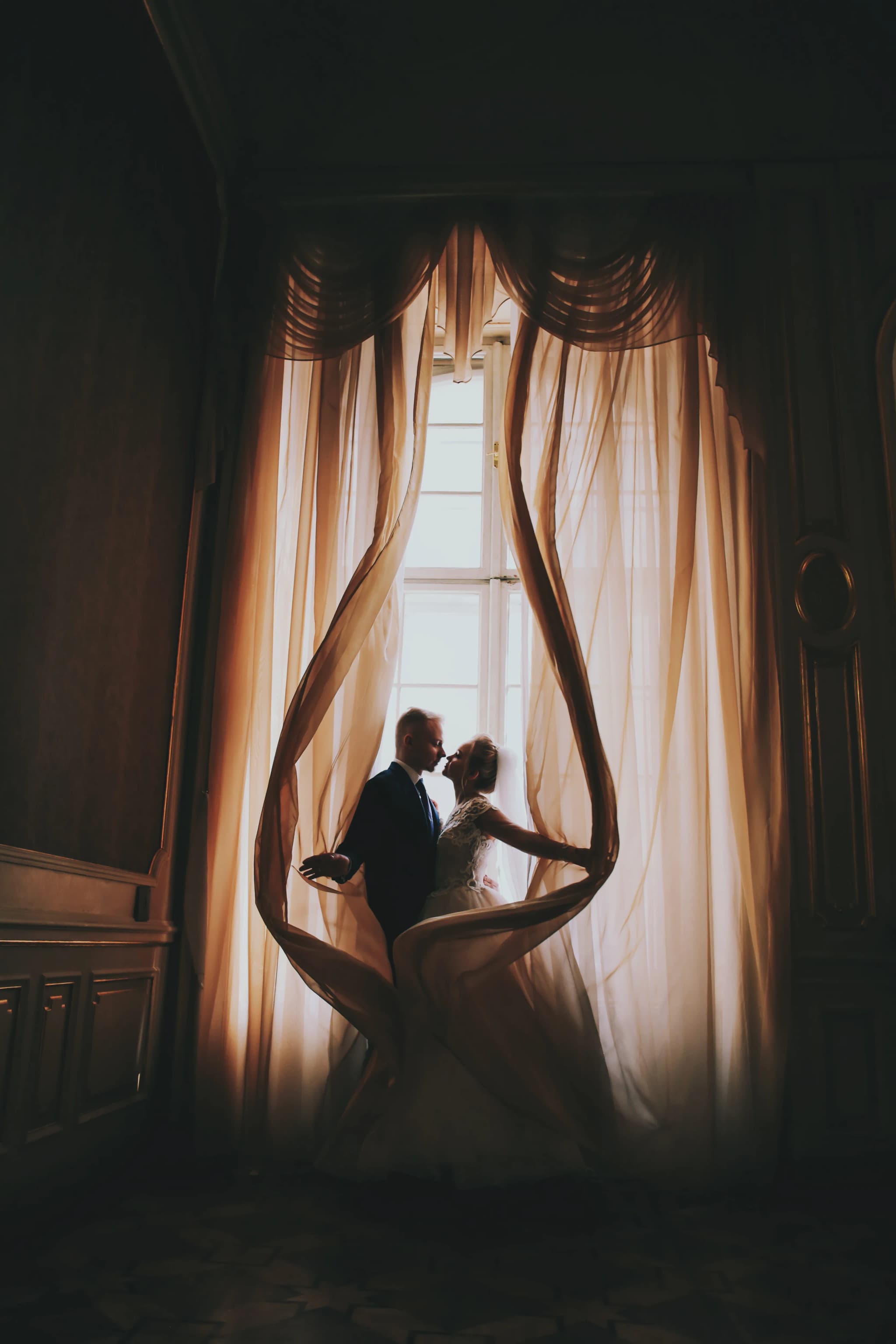
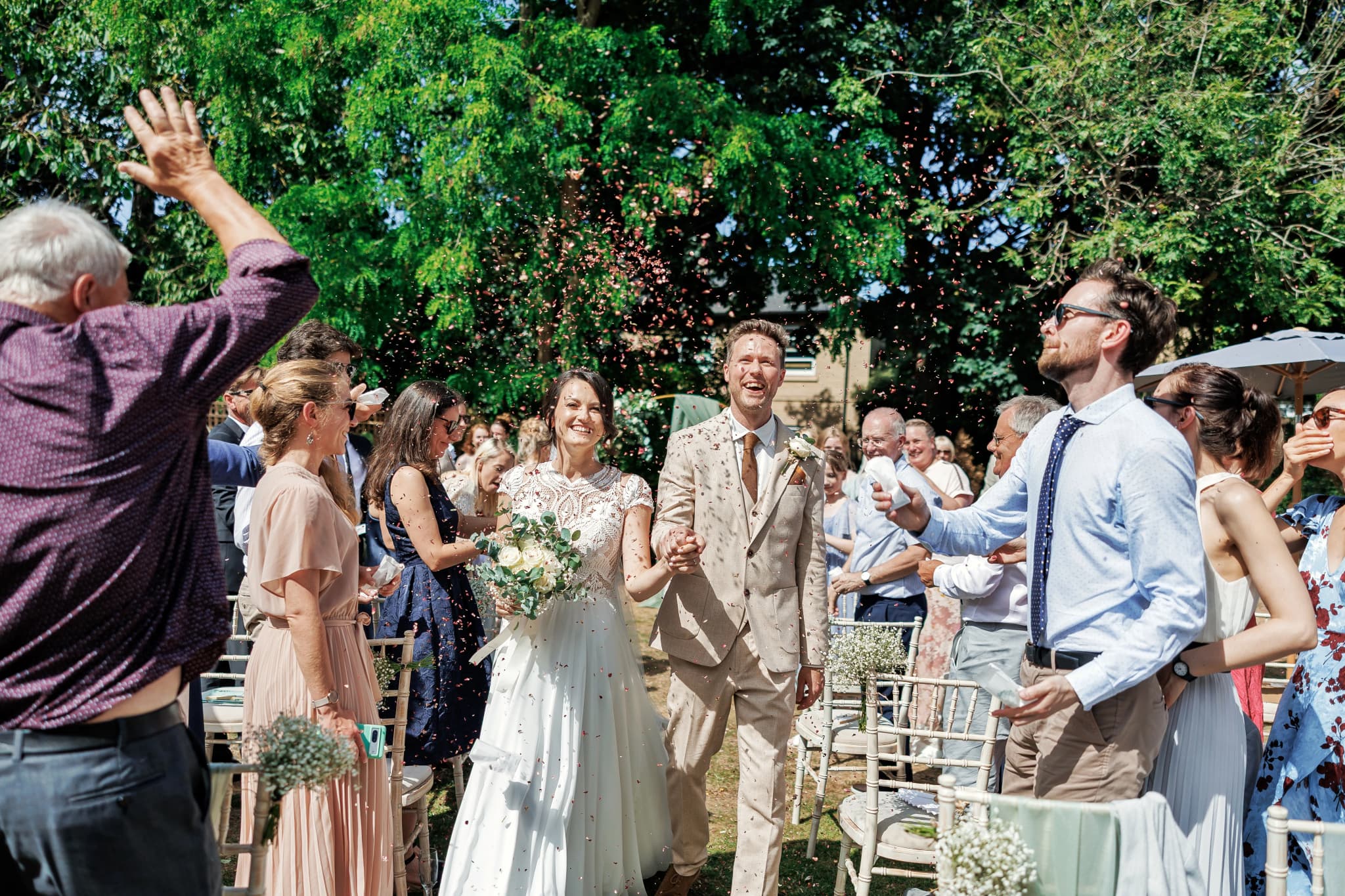
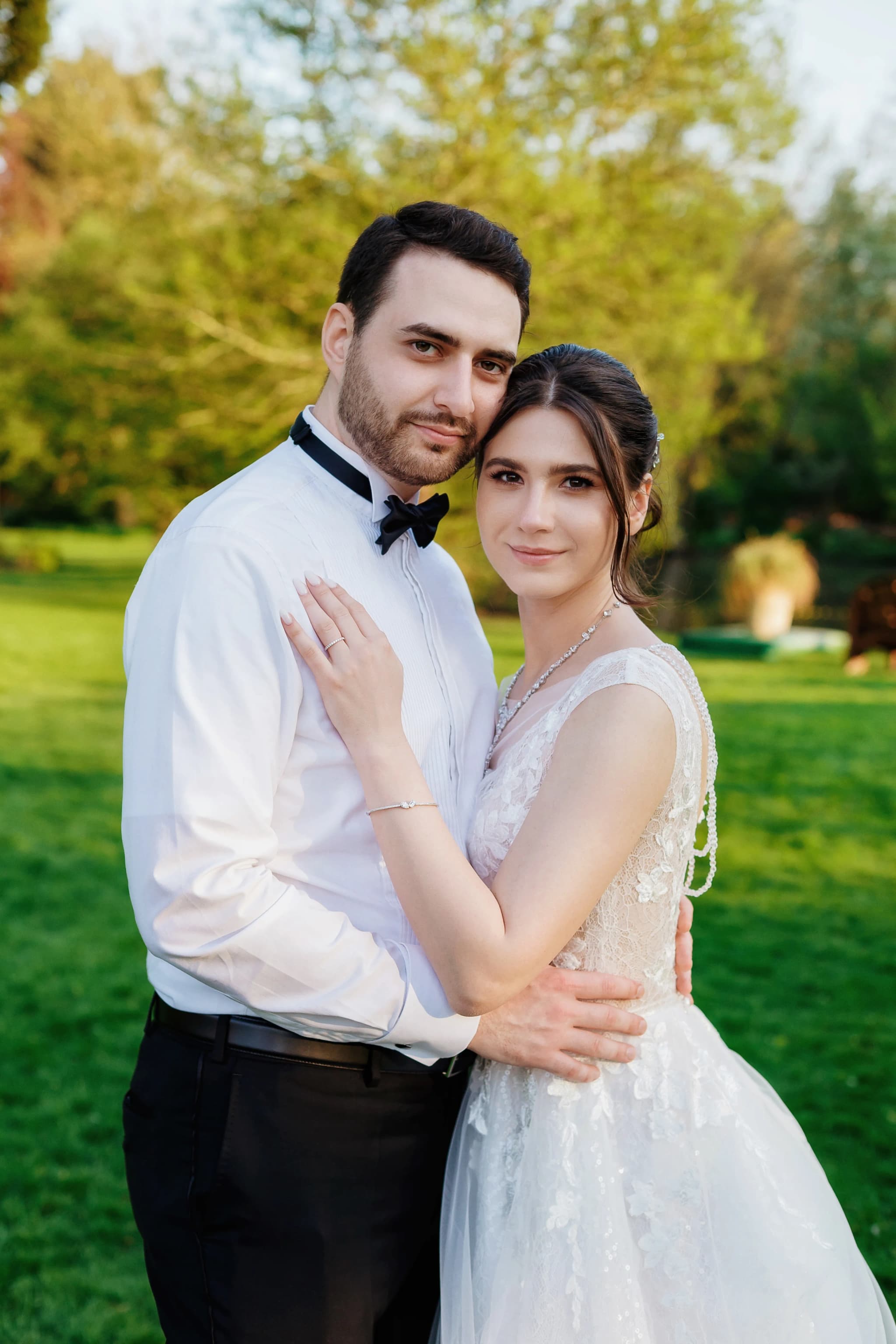
Wiltshire contains one of England's richest concentrations of historic wedding venues. The county — the chalk downland country of Salisbury Plain, the Vale of Pewsey, the southern Cotswold escarpment and the Kennet Valley — sits at the intersection of southern England's most photogenic landscapes. Its great country houses, abbeys, and cathedrals have been attracting couples seeking authentically historic settings for decades; more recently, the expansion of licensed wedding venues has made Wiltshire's country houses accessible to modern weddings.
Lacock Abbey
Lacock Abbey — the 13th-century Augustinian abbey converted to a country house in the 16th century and transferred to the National Trust in 1944 — is one of the finest medieval buildings available as a wedding venue in England. The cloisters, the chapter house, the stable court and the 18th-century Gothic entrance hall (the work of Sanderson Miller) are among the most cinematically photogenic wedding venue spaces in the country. Lacock village — a fully National Trust-owned medieval village without television aerials or modern shopfronts — provides the setting for wedding photography of a consistency unmatched elsewhere in England. The village was used as a film set for Pride and Prejudice, Harry Potter, and Wolf Hall; the visual quality of the stone-and-timber streetscape is extraordinary.
Longleat
Longleat House — the great 1570s prodigy house by Robert Smythson, the first of the Elizabethan great houses — stands in Lancelot 'Capability' Brown's pleasure grounds above the Longleat Valley. The house (still the home of the Marquess of Bath) is one of the finest Elizabethan buildings in England; the interiors are richly decorated with 16th and 17th-century furnishings. The setting — Brown's lake, the pleasure grounds, the park with its Safari Park beyond — provides a very large-scale wedding photography canvas. The Elizabethan stone facade and the formal gardens are among the best-known wedding venue photography settings in western England.
Wilton House
Wilton House — the seat of the Earls of Pembroke since the 1540s, substantially rebuilt by Inigo Jones in the 1630s following a fire — is one of England's most important 17th-century buildings. The Double Cube Room (designed by Jones for the display of the Pembroke Van Dyck portraits; one of the finest 17th-century interiors in England) and the hunting grounds beside the River Nadder provide an interior/exterior wedding photography combination of outstanding quality. Wilton is ten minutes from Salisbury Cathedral and many Salisbury weddings conclude with photographs at Wilton.
Bowood House
Bowood House — the Robert Adam country house in its Capability Brown landscape park above Calne — is one of Wiltshire's most elegant wedding venues. The Adam orangery, the cascade, the terraced formal gardens and the great lake make Bowood one of the most complete landscape park settings for wedding photography in southern England. The contrast between the Italianate formal terrace and the informal naturalistic landscape park is photographic gold — there are genuine variety and scale in the Bowood setting.
Salisbury Cathedral
Salisbury Cathedral — with the tallest spire in England (123 metres), the largest cathedral close (the 13th-century Cathedral Close is an intact medieval ecclesiastical precinct of 80 acres), and the best-preserved original Magna Carta — is one of the most magnificent English Gothic buildings as a wedding photography setting. The Cathedral was built in a single 38-year construction programme (1220–1258) and is the most stylistically unified of England's major cathedrals; the East End, the Chapter House, the cloisters and the Close itself provide wedding photography of extraordinary architectural quality.
The Stonehenge Landscape
Stonehenge itself is not a wedding venue, but the surrounding chalk downland landscape — the World Heritage Site buffer zone of Salisbury Plain — is one of England's most photographically dramatic wedding settings for natural-light portraits. The Bride Down and Normanton Down barrow cemeteries, the Old Sarum Iron Age hillfort, and the chalk escarpments of the Plain combine to create a landscape portrait setting of depth and geological grandeur against which wedding portraits have a scale and drama difficult to find elsewhere in lowland England.