Yana Skakun
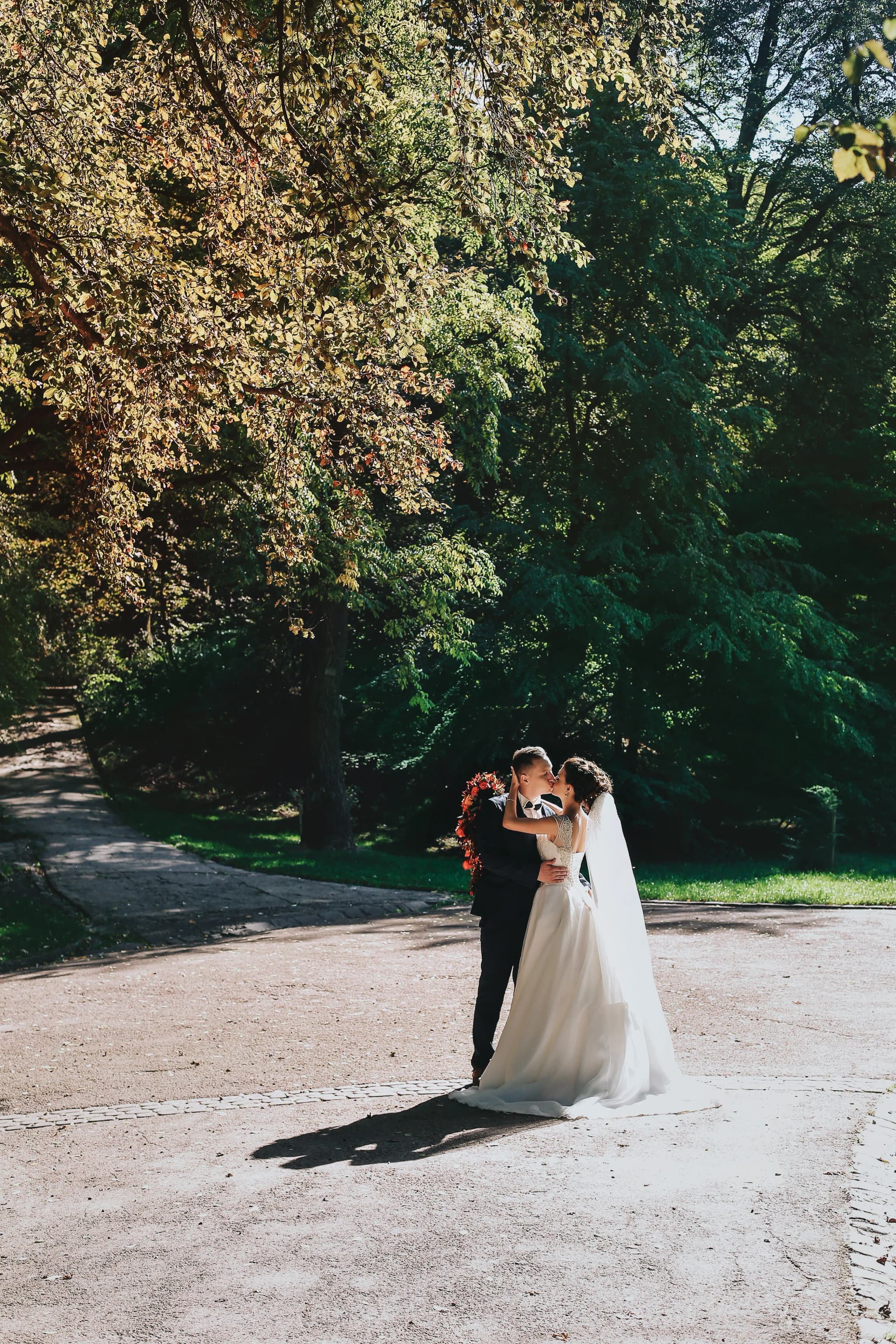
UK-Wide · Cinematic & Dramatic
Cinematic Wedding Photographer UK
Widescreen composition, dramatic colour grading, and a movie-still quality that treats your wedding day as a visual narrative.
Cinematic Wedding Photography Across the UK
Your Wedding as a Visual Narrative
Cinematic wedding photography applies the visual principles of film cinematography to your wedding day — thinking in terms of widescreen composition, deliberate spatial depth, strong horizon lines and leading geometric forms, dramatic colour grading referencing the look of film colour science, and a narrative awareness of how each image contributes to the visual story of the day.
Britain provides extraordinary settings for cinematic photography: the Highland scale of Scotland, the dramatic coastal headlands of Cornwall and the Jurassic Coast, the escarpment views of the Cotswolds AONB, the architectural drama of Victorian castles, Gothic churches, and converted industrial spaces. Each of these settings, photographed with cinematic intent, produces imagery with genuine visual power.
The cinematic approach does not sacrifice documentary authenticity — it brings compositional deliberateness and colour precision to the documentation of genuine moments. The aim is images that have the visual authority of film stills and the emotional truth of documentary photography: scenes that look as if they belong in a film because they are beautiful AND because they are real.
Settings
Cinematic Photography Settings Across the UK
Highland & Upland Landscapes
The Scottish Highlands, the Peak District, the Lake District, Dartmoor — dramatic upland landscapes provide the widescreen visual scale that cinematic photography requires. These settings treat the landscape as a character in the visual narrative rather than a backdrop.
Castle & Fortress Venues
Medieval castles, Scottish baronial towers, Welsh fortress ruins — the dramatic scale and inherent visual authority of castle venues suits the cinematic aesthetic perfectly. The combination of ancient stone, dramatic sky, and the scale of fortifications creates images of genuine cinematic power.
Valley & Escarpment Settings
The Cotswolds escarpment, the Yorkshire Dales valleys, the Welsh borders — elevated viewpoints with valley depth below provide the visual drama that widescreen cinematic composition requires: foreground, middle ground, and background all contributing to the spatial narrative.
Industrial & Architectural Drama
Victorian railway arches, Deco cinema buildings, modernist civic architecture — strong architectural geometry, dramatic scale, and the particular power of designed forms in the landscape provide cinematic photography material of great visual authority.
Coastal & Cliff Settings
The Jurassic Coast, the Cornish headlands, the White Cliffs of Dover, the Scottish sea lochs — the scale and drama of coastal landscapes provides cinematic photography settings of extraordinary visual power. Sky, sea, cliff, and couple create natural widescreen compositions.
Winter Bare Landscapes
Bare winter trees silhouetted against dramatic skies, frost-covered fields stretching to the horizon, the low sun of December creating long dramatic shadows — British winter provides the austere visual drama that suits cinematic photography with particular power.
Investment
Cinematic Wedding Photography Packages
Essential
£1,395
6 hours · 300+ images
- Ceremony & reception coverage
- Cinematic colour grading
- Dramatic landscape portraits
- Natural and available light
- High-resolution digital gallery
- Delivered within 4 weeks
Most Popular
Full Day
£2,395
10 hours · 500+ images
- Getting ready through first dance
- Full cinematic edit throughout
- Widescreen landscape portraits
- Dramatic venue documentation
- High-resolution digital gallery
- Delivered within 4 weeks
Premium
£3,395
12 hours · 700+ images
- Complete cinematic coverage
- Engagement session included
- Fine art album (30 spreads)
- Two photographers
- Full narrative UK documentation
- High-resolution digital gallery
- Priority 3-week delivery
Why Choose Me
Cinematic Wedding Photography Across the UK
Widescreen Compositional Thinking
Cinematic photography is defined by how images are composed as much as how they are edited. I think in widescreen: foreground elements, strong horizon lines, leading lines that draw through the frame, subjects positioned deliberately within the larger landscape. Every frame is considered as a still from a film.
Filmic Colour Grading
Cinematic colour grading references the look of film cinematography — teal shadows, warm highlights, desaturated midtones, the specific teal-and-orange split toning of much contemporary cinema, or the cooler, more neutral grades of Scandinavian filmmaking. This is precise colour work rather than preset application.
Narrative Arc
A cinematic approach to wedding photography means thinking about the gallery as a visual narrative — with a beginning (preparation), dramatic build (ceremony), high point (portraits), and resolution (celebration). The edit is sequenced with awareness of visual storytelling rather than simple chronology.
UK Landscape Drama
Britain's landscape variety — from Scottish Highland scale to Cotswolds pastoral intimacy — provides cinematic photography material of extraordinary range. I travel across the UK for the settings that produce the finest cinematic results, with knowledge of specific locations that have genuine visual drama.
Available Light Mastery
Cinematic photography works with the quality of natural and available light — the drama comes from finding and using genuinely dramatic light rather than manufacturing it artificially. Sunset silhouettes, single window light in a dark room, candles against darkness — these are the materials of cinematic photography.
Documentary Authenticity
Cinematic composition does not come at the cost of documentary authenticity. The cinematic approach involves being in the right position, with the right compositional awareness, to capture genuine moments with maximum visual authority — rather than staging scenes that look cinematic but lack emotional truth.
Frequently Asked Questions
What is cinematic wedding photography?
Cinematic wedding photography applies the visual principles of film cinematography to still photography: widescreen compositional thinking, deliberate use of foreground and depth, strong horizon lines and leading lines, dramatic colour grading referencing film colour science, and a narrative awareness of how images will flow together as a visual story.
What colour grade does cinematic photography use?
Cinematic colour grading varies but typically involves a teal-shadow/warm-highlight split toning, slightly desaturated midtones, and a quality of tonal richness that references the look of film cinematography. I work from a range of cinematic grades depending on the season, venue, and aesthetic preference of the couple.
Which UK venues produce the best cinematic photography?
Venues with strong landscape scale — Scottish castles, upland venues, coastal cliff settings, Yorkshire manor houses — suit the cinematic aesthetic particularly well. Dramatic architectural venues — industrial, Deco, Modernist — also provide excellent cinematic material. Intimate, low-ceilinged venues are less well-suited.
Do you need dramatic weather for cinematic photography?
Dramatic weather helps but isn't required. Overcast days with dramatic sky texture, golden hour light, blue hour after sunset, early morning mist, and winter bare-tree landscapes all provide cinematic photographic conditions. The skill is in reading the available light and landscape and working with what exists rather than waiting for specific conditions.
Can cinematic photography include close documentary moments?
Absolutely — cinematic photography does not mean exclusively wide landscape shots. Close documentary moments — a hand squeeze, a first look, the detail of a bouquet — can be composed and edited with cinematic intention. The cinematic approach is a philosophy that applies across all scales of image-making.
Your Wedding
Tell me about your venue and the cinematic vision you have for your day.
Get in Touch
Let's Create Together
Tell me about your vision and I'll be in touch within 24 hours.