Yana Skakun
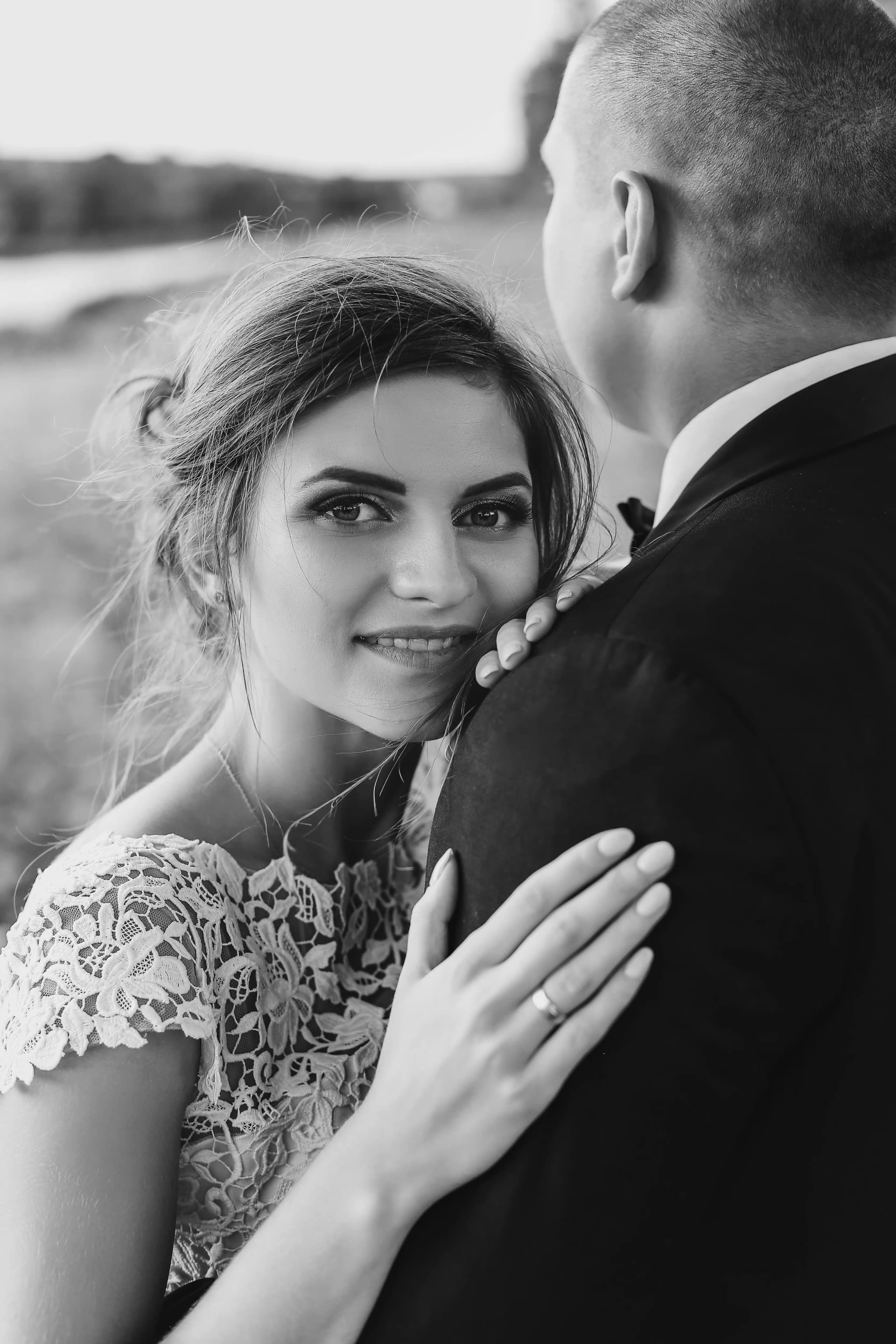
Engagement Photos in Aldeburgh: Shingle Beach & Seaside Romance
By Yana Skakun·31 March 2026·7 min read
Aldeburgh is unlike any other seaside town in England. The shingle beach drops steeply to the sea with no sand, only grey and amber pebbles as far as the eye can see in both directions. The coloured fishing boats are drawn up on the foreshore above the tideline; the Tudor Moot Hall stands directly on the beach, surrounded by fish shacks. The light here — the cool, clear North Sea light of the Suffolk Heritage Coast — is extraordinary at dawn and dusk, and it is the reason I keep bringing couples back to this stretch of coastline for engagement sessions year after year.
There is very little that is conventionally pretty about Aldeburgh in the postcard sense, and that is exactly its appeal. It is a working town with a genuine fishing fleet, a stern Georgian and Victorian streetscape, and a beach that has been shaped by centuries of North Sea weather. Photographs taken here have a texture and an honesty to them that softer, sandier locations rarely produce. For couples who want engagement photographs that feel like a place rather than a backdrop, Aldeburgh does most of the work.
The Shingle Beach and Fishing Boats
The beach at Aldeburgh is the defining feature of the town. The working fishing fleet drawn up on the shingle provides a foreground of coloured hulls, ropes and nets that gives portraits here an unambiguously maritime character. The texture of the shingle itself — reflecting upward into shadows — creates a natural fill light in the golden hour that softens facial shadows without flash, which is a genuine practical advantage over a flat sandy beach where that reflected light is much weaker.
Heading south from the town the shingle narrows and the Alde estuary appears to the west, with the Martello tower at Slaughden and the long shingle spit of Orford Ness visible beyond. This end of the beach is far less visited than the town frontage and offers more space for couples who want the shingle landscape without the town, the fish shacks, or other walkers appearing in the background. It is also a good option on a busy summer weekend when the main beach near the Moot Hall is understandably popular with visitors.
Roughly midway along the beach sits the Scallop, a large steel sculpture by Maggi Hambling in the shape of a scallop shell, installed as a tribute to the composer Benjamin Britten, who lived and worked in Aldeburgh. One half of the shell is pierced with the line “I hear those voices that will not be drowned”, taken from Britten's opera Peter Grimes. It is a genuinely well-known local landmark and a striking, sculptural shape to work with — couples can be framed within the curve of the shell, or the piercing itself can be used to frame a distant figure against the sea. It photographs differently depending on the tide and the light, and I always build in time to use it properly rather than treating it as a quick stop.
The Moot Hall and High Street
The Tudor Moot Hall, built around 1529, stands directly beside the beach, now separated from the sea by just a few metres of shingle as the coastline has retreated over the centuries. The timber-framed and rendered exterior, with its elaborate chimney and arched ground floor arcade, provides portraits that tell the story of this unique town immediately — there are very few buildings in England that sit quite so close to an eroding coastline, and the sense of a town holding its ground against the sea comes through in photographs taken around it.
The High Street behind the beach — the former medieval market street, now lined with independent shops, galleries and the famous fish and chip queue — offers coloured shopfronts and Georgian townhouse facades for less formal, relaxed portraits in the gap between a beach session and the evening light. I often use this stretch for the arrival part of a session, before couples have quite settled into being photographed, because the natural business of the street gives them something to react to and a reason to walk together rather than stand and pose.
Thorpeness: The Fantasy Village
Two miles north of Aldeburgh lies Thorpeness, a private holiday village built in the 1910s and 1920s to an Arts and Crafts design — timbered cottages, a boating lake, a fairground-style water tower house called the House in the Clouds, and a windmill on the shingle. The boating lake at the Meare and the House in the Clouds together give a distinctly English whimsy to photographs taken here that is quite different from the more austere, working character of Aldeburgh itself.
Couples who want variety within a single engagement session sometimes split their time between the two: an hour on Aldeburgh beach for the maritime, textured images, and a shorter stop at Thorpeness for something lighter and more playful. The two locations are a five-minute drive apart, which makes combining them straightforward within a two-hour booking, and the contrast between them gives a set of final images real range rather than everything looking like the same location repeated.
Aldeburgh Engagement Photography
Engagement sessions on the shingle beach at Aldeburgh and along the Suffolk Heritage Coast, using the fishing boats, the Moot Hall, and the extraordinary quality of North Sea light. Get in touch to plan a date around the tide and the season.
Enquire About an Aldeburgh SessionLight, Tide and the Best Time of Year
Aldeburgh faces east, which matters more here than at most inland locations. Sunrise falls directly on the beach and the hulls of the fishing boats, giving a session that starts before the town wakes up a soft, pink light with the tide often at its most photogenic on the wet shingle. Sunset, by contrast, is behind the town, but it produces spectacular upward-lit cloud over the North Sea and a warm rim light on anyone facing back towards the water. Both ends of the day work; they simply produce different photographs, and I usually ask couples which mood they are after before deciding.
Tide matters more on a shingle beach than people expect. At low tide there is a wide band of firm, wet shingle near the waterline that is far easier and more comfortable to walk and stand on than the loose, dry shingle higher up the beach, and it also reflects the sky beautifully. I check tide tables when booking a session and will generally aim for a session that falls within two or three hours of low tide if the beach itself is going to be the main setting.
Late spring through early autumn is the most forgiving window for a beach session in terms of weather and daylight hours, but Aldeburgh photographs beautifully in winter too, when the light is lower for longer and the town is much quieter. A crisp, clear January afternoon on this coast, with nobody else on the beach, produces some of the most striking images I take all year. The main thing to avoid is a flat, grey, windless summer midday, which is the one condition that works against the location rather than for it.
What to Wear on Shingle
Shingle is unforgiving underfoot compared with sand, and it is worth planning footwear accordingly. Flat shoes, boots, or bare feet all work; heels sink and twist on loose pebbles and make walking naturally with your partner very difficult. I usually suggest couples bring a spare pair of flat shoes even if they want to start a session in something smarter, so we are not fighting the terrain for the whole booking.
In terms of colour and tone, the beach palette at Aldeburgh is muted — grey shingle, weathered wood, faded paintwork on the boats — so clothing in warm neutrals, navy, rust, or deep green tends to sit beautifully against it, while very bright or heavily patterned clothing can compete with the scene rather than complement it. Wind off the North Sea is a genuine factor even on a mild day, so a coat or jacket that still looks good when you are moving in it is worth choosing over something that only works when still.
Aldeburgh rewards a bit of planning — around the tide, the season, and the light — but it gives back a set of engagement photographs with a genuine sense of place that is hard to match anywhere else in East Anglia. If you would like to talk through timing and locations for a session on this stretch of coast, get in touch and I will help you plan around the conditions that suit you best.

Yana Skakun
Photographer · England
Professional wedding, family and portrait photographer based in England. Passionate about capturing authentic emotions and timeless moments.
About Yana →Aldeburgh engagement photosSuffolk beach photographyAldeburgh engagement sessionSuffolk coast couple photographyAldeburgh photographer
Photography Tips — Professional Photography in Cambridge & England
Yana Skakun is a professional photographer based in Cambridge, specialising in wedding, family, and portrait photography across England. Every session is personal — planned around your story, your people, and the moments that matter most. This guide — Engagement Photos in Aldeburgh: Shingle Beach & Seaside Romance — is part of the photography journal: practical, experience-based advice drawn from real sessions across England. Whether you arrived searching for aldeburgh engagement photos or suffolk beach photography, the same care and attention shapes every session Yana photographs.
Professional Photography sessions are available year-round, with bookings open across Cambridge, Ely, Huntingdon, Peterborough, and further afield — East England, London, the Midlands, and beyond. If you have specific questions about aldeburgh engagement session, mention it in your enquiry. Get in touch through the contact form above to check availability and discuss your session. Enquiries are welcomed from anywhere in the UK.
Frequently Asked Questions
What camera settings should I use for outdoor portraits?+
For outdoor portraits, shoot in aperture priority mode. Use a wide aperture (f/1.8–f/2.8) to blur the background and isolate your subject. Keep ISO as low as possible in good light. In bright conditions, use a neutral density filter or switch to manual to avoid overexposure at wide apertures.
What is the golden hour in photography?+
Golden hour is the period roughly 30–60 minutes after sunrise and before sunset. The sun is low in the sky, producing warm, soft, directional light that flatters skin tones and creates beautiful long shadows. It's widely considered the best natural light for portrait and outdoor photography.
How do you get sharp photos in low light?+
In low light, increase your ISO (accepting some grain), use the widest aperture your lens allows, and slow your shutter speed to the slowest you can hand-hold without camera shake (roughly 1/focal length as a guide). Use image stabilisation if available, and consider a tripod for static subjects.
What is the rule of thirds in photography?+
The rule of thirds divides the frame into a 3×3 grid. Placing your subject on one of the four intersection points — rather than dead centre — creates a more dynamic, visually interesting composition. It's a guideline, not a rule: some of the most powerful images break it deliberately.
How do you edit photos to look professional?+
Professional editing starts with shooting in RAW format. In Lightroom or similar software, correct exposure, white balance, and contrast first. Recover shadow and highlight detail. Apply gentle colour grading for mood. Be conservative with skin retouching — the goal is natural enhancement, not transformation. Consistency across a set of images is what separates professional from amateur editing.
Continue Reading
Related Articles

Photography Tips
Photography Gift Vouchers: The Most Personal Present You Can Give
5 min read · Read Article
Photography Tips
Photo Books vs Photo Albums: What Is the Difference and Which Is Better?
5 min read · Read Article
Photography Tips
Photo Gift Ideas: Turning Professional Images into Meaningful Presents
5 min read · Read Article
Get in Touch
Ready to Book Your Session?
Get in touch to discuss your vision — I'll reply within 24 hours.