Yana Skakun
Alternative Wedding Photography: Breaking the Traditional Rules
By Yana Skakun·13 March 2026·5 min read
"Alternative wedding photography" is a phrase I hear used to mean several quite different things, and it is worth untangling before you start looking for a photographer under that banner. It can mean documentary-led coverage with no posed formals. It can mean a fine art, editorial aesthetic more reminiscent of a magazine shoot than a traditional wedding album. It can mean a couple who are simply not interested in several of the conventional set-piece moments and want permission to drop them. Here is what I think the term actually covers, and how to plan for it.
What "Alternative" Actually Means
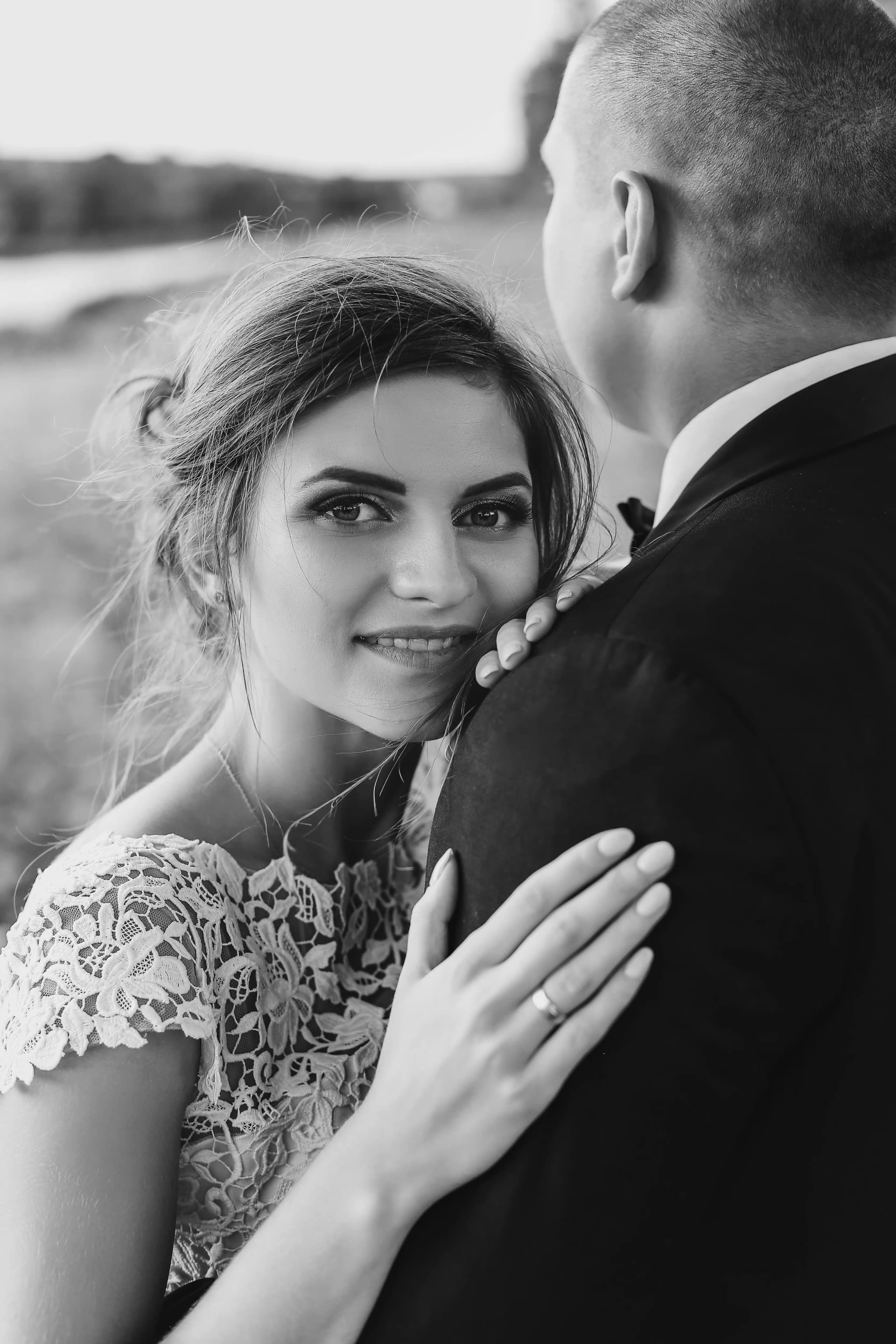
In my experience it is less a single style than a shared instinct: a departure from the familiar "formal group shots, confetti tunnel, choreographed first dance" sequence that has become the default template for a British wedding day. Some couples want documentary-only coverage, where I move through the day recording what genuinely happens rather than directing it. Others want a more editorial, considered visual language — carefully composed frames, a distinct colour grade, images that feel designed rather than simply captured.
A third strand, which overlaps with both, is couples choosing a darker, more atmospheric or desaturated aesthetic instead of the bright, airy look that dominates a lot of current wedding photography. None of these are right or wrong — they simply serve different sensibilities, and the first job of any conversation about alternative photography is working out which of these, or which combination, actually describes what you want.
Traditions Worth Reconsidering
Several elements of the conventional wedding day timeline exist mainly because they are expected, not because every couple benefits from them, and alternative-minded couples often drop or adapt them. The full formal group shot list is the most common casualty — a comprehensive run of every family combination typically eats forty-five minutes to an hour and rarely produces the images couples treasure most. Trimming this to two or three combinations, immediate family only, frees up real time for photography that actually reflects the day.
The confetti exit is popular precisely because it reliably produces beautiful images, but it is not compulsory. Sparklers at dusk, a quiet private moment between the couple, or simply walking out to applause without a staged prop all work just as well if confetti does not suit your venue or your taste. Similarly, the aisle walk itself is sometimes structured by the registrar or the building in a way that makes a clean shot difficult — a first look earlier in the day is a common alternative that also gives the couple a genuinely private moment before the ceremony begins.
The choreographed first dance is another tradition many alternative couples skip in favour of simply beginning to dance naturally as the music starts, without the performance pressure of a crowd watching a routine. If dancing happens, it gets photographed regardless — the decision is really about whether you want it staged or spontaneous.
Planning an alternative day
If you know you want to drop some of the conventional set pieces but are not sure what to replace them with, that is exactly the conversation I have with couples during planning.
Talk through your wedding day planFine Art, Editorial and Dark, Moody Aesthetics
Beyond the documentary strand, a second cluster of couples come to the word "alternative" wanting a more deliberately designed, editorial look — images that feel composed and intentional in the way a magazine spread is composed, rather than simply captured as events unfold. This usually means more direction during specific moments, particularly portraits, alongside a distinct colour grade and consistent visual language carried through the whole gallery.
A related but separate strand is a darker, more atmospheric aesthetic — shadow-heavy editing, desaturated or cooler colour palettes, higher contrast — which suits certain venues and certain couples' taste far better than the bright, airy look that dominates a lot of current wedding photography marketing. Neither of these is inherently "more alternative" than documentary coverage; they simply serve a different visual sensibility, and it is worth being honest with yourself and with any photographer you are considering about which one actually describes what you find beautiful, rather than choosing a look because it is trending.
Finding the Right Photographer for This Approach
The most useful thing you can do when searching for a photographer who fits an alternative brief is to ask for full wedding galleries rather than judging from a curated portfolio alone. A portfolio shows the best ten images selected from fifty weddings; a complete gallery shows what a photographer actually delivers across the unpredictable conditions of a real day — awkward light, ordinary moments, the full range rather than the highlight reel.
Ask specifically how many images are typically delivered, what a full day of coverage includes and excludes, and whether the photographer's aesthetic is consistent across different venues and weather conditions or whether it depends heavily on ideal circumstances. A photographer who is confident in their style will happily show you a complete, unedited-for-marketing gallery from a similar wedding.
Venues and Timelines That Suit an Alternative Day
Alternative approaches tend to sit particularly well with less conventional venues — a barn, a marquee in a field, a family garden, or a registry office followed by an informal celebration rather than a grand hotel ballroom. These settings often naturally resist the scripted formality of the traditional day and reward a documentary or editorial eye instead.
Timeline matters here too. A day with generous unstructured time built in — rather than back-to-back scheduled moments — gives a documentary-minded photographer room to actually find and capture what happens between the official events, which is usually where the most honest images come from.
Bringing Your Family Along With the Idea
One practical challenge with an alternative approach is that parents and older relatives sometimes expect the traditional format and can be disappointed if the confetti shot or the full group photo list simply does not happen. It is worth having a brief, gentle conversation with key family members ahead of the day about what to expect, so nobody feels blindsided on the day itself. A short list of the two or three group combinations that genuinely matter to you, communicated in advance, usually resolves this without friction.
It is also worth telling your officiant or registrar, and your venue coordinator, that you are planning a less conventional structure to the day. Most are entirely used to accommodating this once they know in advance, but a coordinator expecting a standard timeline can inadvertently push the day back toward convention if nobody has flagged the plan ahead of time.
Second-Shooters and Coverage Style
Alternative-minded couples sometimes assume a single documentary photographer covers everything, but a second shooter can genuinely add value even to a stripped-back day — capturing guest reactions during the ceremony while the lead photographer focuses on the couple, or getting candid detail from the reception while the main coverage follows the couple elsewhere. Whether this makes sense for your day depends on venue size and guest numbers, and is worth discussing early rather than deciding it is unnecessary by default.
Album Design and Editing for a Non-Traditional Day
The way a gallery is edited and sequenced afterwards matters just as much as how the day was shot. A documentary-led wedding without the usual milestone structure — ceremony, formals, speeches, first dance — needs a slightly different approach to sequencing, one that follows the actual emotional arc of the day rather than a fixed template of expected moments. I generally build the final edit around genuine narrative beats rather than forcing the images into a conventional running order that does not reflect how the day actually unfolded.
If you are planning an album as well as a digital gallery, it is worth discussing this early, since an alternative aesthetic — particularly a darker, moodier edit — can call for different paper stocks and print finishes than a bright, traditional wedding album typically uses, and getting this right makes a genuine difference to how the final product looks in hand.

Yana Skakun
Photographer · England
Professional wedding, family and portrait photographer based in England. Passionate about capturing authentic emotions and timeless moments.
About Yana →alternative wedding photographyalternative wedding photographer uknon traditional wedding photos
Photography Tips — Professional Photography in Cambridge & England
Yana Skakun is a professional photographer based in Cambridge, specialising in wedding, family, and portrait photography across England. Every session is personal — planned around your story, your people, and the moments that matter most. This guide — Alternative Wedding Photography: Breaking the Traditional Rules — is part of the photography journal: practical, experience-based advice drawn from real sessions across England. Whether you arrived searching for alternative wedding photography or alternative wedding photographer uk, the same care and attention shapes every session Yana photographs.
Professional Photography sessions are available year-round, with bookings open across Cambridge, Ely, Huntingdon, Peterborough, and further afield — East England, London, the Midlands, and beyond. If you have specific questions about non traditional wedding photos, mention it in your enquiry. Get in touch through the contact form above to check availability and discuss your session. Enquiries are welcomed from anywhere in the UK.
Frequently Asked Questions
What camera settings should I use for outdoor portraits?+
For outdoor portraits, shoot in aperture priority mode. Use a wide aperture (f/1.8–f/2.8) to blur the background and isolate your subject. Keep ISO as low as possible in good light. In bright conditions, use a neutral density filter or switch to manual to avoid overexposure at wide apertures.
What is the golden hour in photography?+
Golden hour is the period roughly 30–60 minutes after sunrise and before sunset. The sun is low in the sky, producing warm, soft, directional light that flatters skin tones and creates beautiful long shadows. It's widely considered the best natural light for portrait and outdoor photography.
How do you get sharp photos in low light?+
In low light, increase your ISO (accepting some grain), use the widest aperture your lens allows, and slow your shutter speed to the slowest you can hand-hold without camera shake (roughly 1/focal length as a guide). Use image stabilisation if available, and consider a tripod for static subjects.
What is the rule of thirds in photography?+
The rule of thirds divides the frame into a 3×3 grid. Placing your subject on one of the four intersection points — rather than dead centre — creates a more dynamic, visually interesting composition. It's a guideline, not a rule: some of the most powerful images break it deliberately.
How do you edit photos to look professional?+
Professional editing starts with shooting in RAW format. In Lightroom or similar software, correct exposure, white balance, and contrast first. Recover shadow and highlight detail. Apply gentle colour grading for mood. Be conservative with skin retouching — the goal is natural enhancement, not transformation. Consistency across a set of images is what separates professional from amateur editing.
Continue Reading
Related Articles

Photography Tips
Photography Gift Vouchers: The Most Personal Present You Can Give
5 min read · Read Article
Photography Tips
Photo Books vs Photo Albums: What Is the Difference and Which Is Better?
5 min read · Read Article
Photography Tips
Photo Gift Ideas: Turning Professional Images into Meaningful Presents
5 min read · Read Article
Get in Touch
Ready to Book Your Session?
Get in touch to discuss your vision — I'll reply within 24 hours.