Yana Skakun
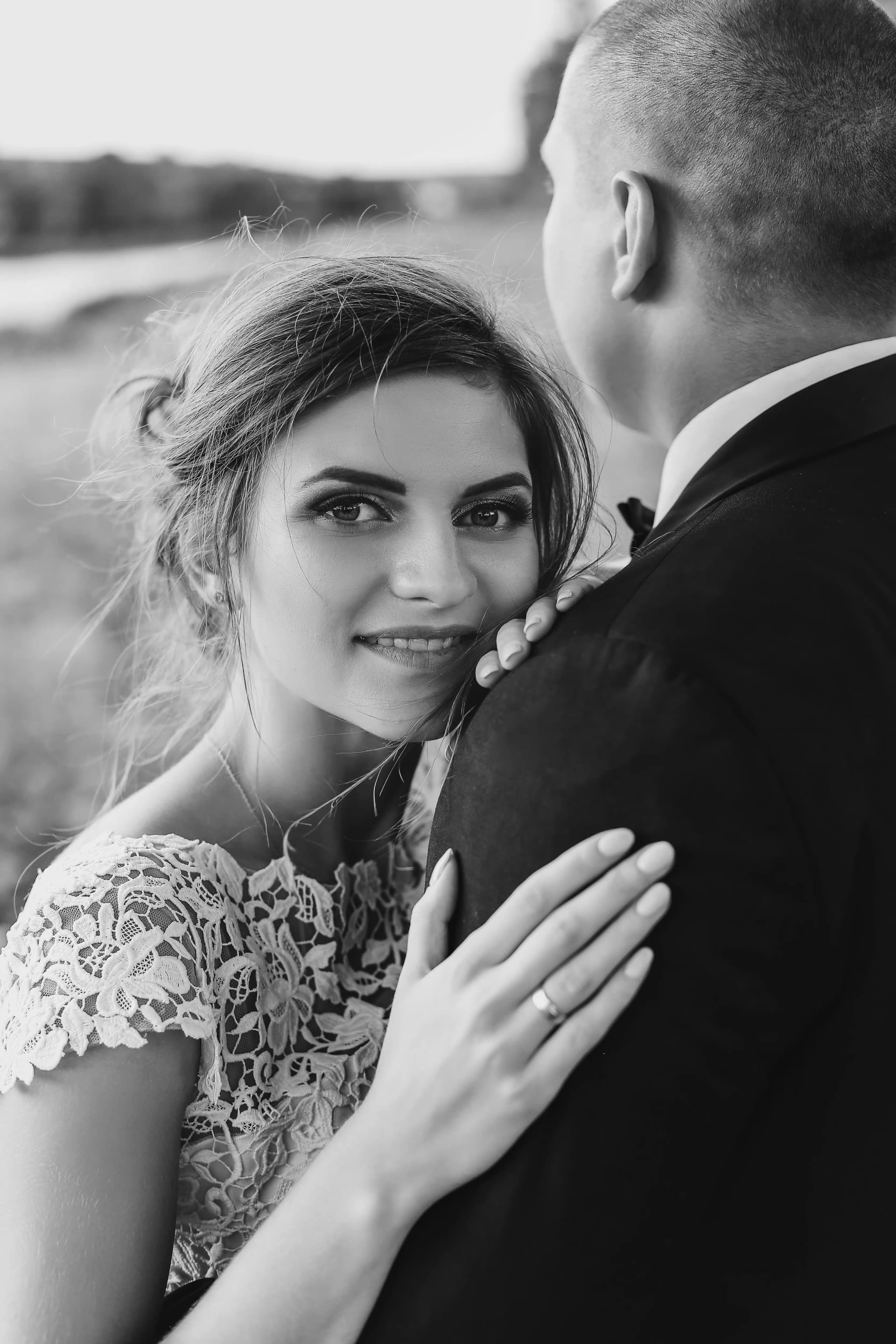
Box Hill Engagement Shoot: Surrey's Most Iconic Viewpoint
By Yana Skakun·15 May 2026·6 min read
There is a moment on the path up to Box Hill's summit, just past the last stretch of tree cover, where the ground falls away and the whole of the Mole Valley opens out in front of you. I have walked couples up to that spot more times than I can count and the reaction is almost always the same: a pause, a breath, and then someone reaching for the other person's hand without quite thinking about it. That unscripted moment is worth more than any pose I could direct, and it is why Box Hill has become one of my favourite engagement session locations south of London. A 224 metre chalk escarpment rising above the Mole Valley, covered in ancient yew woodland and open downland, and threaded with paths that have been drawing walkers and now couples since the eighteenth century, it offers a genuine variety of settings within a single, fairly compact site.
The Viewpoint and Summit
The viewpoint at the summit looks south across the gap in the North Downs carved by the River Mole, with the Weald stretching away towards the South Downs on the horizon. On a clear day in winter or early spring, that view can run thirty miles or more, and it is genuinely one of the best pieces of landscape photography raw material I work with anywhere in the south east. For engagement portraits specifically, the value of that view is less about the couple being tiny figures against a huge landscape — though I do shoot a handful of frames that way for scale and atmosphere — and more about what it does to the light and the sense of space around two people. Standing at the edge of an escarpment, there is nothing behind you but sky and distance, which means the light wraps around a couple from multiple directions rather than coming from one flat angle, as it often does in an enclosed garden or a street.
The National Trust cafe at the summit is a useful practical anchor for a session. It gives couples somewhere to start, somewhere to warm up with a coffee if the weather has turned, and a fixed point I can navigate back to if we need to. The open grassland around the viewpoint, dotted with young yew trees, is easy underfoot and works for any footwear, which matters because not every couple wants to arrive dressed for a hike. The summit car park is paid but straightforward, and because Box Hill is a National Trust site, there is no separate permission required for a couple having their photographs taken there in the way a private estate might ask for.
Compositionally, the summit is where I lean hardest into layering. Rather than photographing a couple flat against the horizon, I look for foreground interest — a stand of yew, the curve of the escarpment edge, a bench or trig point — that gives the frame depth, with the couple positioned in the middle distance and the Weald receding behind them. That layering is what turns a nice view into a photograph that actually reads as three-dimensional, rather than a couple standing in front of a flat backdrop that happens to be scenic.
The Ancient Yew Woodland
Box Hill takes its name from the box trees that once covered large parts of the slope, though it is the ancient yew woodland on the steeper northern and eastern faces that does the most work in my sessions. Yew canopy is dense and dark, and it behaves very differently from the deciduous woodland I use elsewhere — rather than dappled light with hard-edged patches of sun and shadow, it filters daylight into something soft, even, and faintly green-tinged, a quality that holds steady across the middle of the day when open ground would be giving me harsh overhead light and awkward shadows under the eyes. This is one of the reasons I will happily book a Box Hill session at midday in a way I would avoid at most other locations.
The character of the woodland shifts noticeably through the year. In December and January, with bare branches on the surrounding deciduous trees and moss thick on old trunks, the yew stands take on a genuinely atmospheric, almost sculptural quality — dark green against grey winter light, gnarled trunks that some of these trees have carried for centuries. It is not a conventionally pretty backdrop in the way a bluebell wood is, but it photographs with real gravity, and couples getting engaged or married in winter often respond to that mood rather than fighting against it. In warmer months the same woodland gives simple, calm, uncluttered green, which is a useful reset if we have spent time in the brighter chalk grassland and I want a change of visual register within the same session.
The Zigzag Road and the River Mole
The Zigzag Road, which switches back down Box Hill's west face and is well known to any road cyclist in the south east, runs through chalk hillside vegetation that changes character across the seasons — wild thyme and scattered orchids in early summer, hawthorn and berries taking over by autumn. There are pull-offs and verges along it that make for good roadside portraits with the valley behind, though I plan carefully around traffic and cyclist numbers here, which I will come back to.
At the bottom of the hill, the River Mole runs through the valley in the Dorking direction, and the stepping stones across it are a genuinely well-loved Surrey landmark. They give me something a viewpoint or a woodland cannot: an activity. Asking a couple to cross the stones together, one leading and the other following with a hand out for balance, produces exactly the kind of unguarded laughter and concentration that makes for a stronger photograph than any static pose. It is also a natural way to end a session that started up at the summit, working the couple down through changing terrain and changing light rather than shooting everything in one spot.
Practically, I always recommend footwear with grip for any part of a Box Hill session that goes beyond the immediate cafe terrace. The chalk paths on the lower slopes and around the stepping stones can be slick after rain, and trainers or boots with some tread make a real difference to how relaxed a couple feels moving through the terrain. Heels are worth avoiding entirely here; I have seen them attempted on the Zigzag verges and it rarely ends in comfort for anyone. A pair of shoes a couple would actually choose for a countryside walk, in colours that suit the rest of their outfit, works far better than anything more formal.
A note on timing and crowds
Box Hill is a genuinely popular National Trust site and one of the most famous cycling climbs in the country, which means weekends, especially clear ones, bring significant footfall on the summit and along the Zigzag Road. I plan most Box Hill engagement sessions for weekday mornings or early weekday evenings, when the car park is quieter, the viewpoint is not crowded with day visitors, and cyclists on the Zigzag are far fewer. If a weekend is the only option, I build in extra time and choose routes and angles that keep us away from the busiest pinch points, particularly the summit viewpoint itself in the middle of the day.
Get in touch about a Box Hill sessionBest Times of Year for Box Hill Sessions
Box Hill has genuine seasonal range, which is part of why I keep returning to it rather than treating it as a one-look location. Spring, through April and May, brings wildflowers across the chalk downland and fresh, bright green on the woodland canopy — a hopeful, energetic feel that suits couples early in their engagement. Summer golden hour, from late July into August, gives the most dramatic light at the viewpoint, with the sun dropping low across the Weald and throwing long shadows across the grassland; sessions timed to start around an hour before sunset make the most of this without requiring an uncomfortably early start.
Autumn turns the beech and oak on the lower slopes through copper and gold, usually peaking through October, and pairs particularly well with a session that moves from the summit down through the woodland to the river, following the colour change as we descend. Winter is the season I would actively encourage more couples to consider here: frost on the grass, bare trees giving the yew woodland its most atmospheric character, and the distant view at its clearest on a cold, still morning. A session starting around ten in the morning in winter, with the sun still low and warming the chalk, produces some of the most striking light I get anywhere in Surrey.
Whatever the season, I always build a Box Hill session around combining locations rather than staying in one place. Starting at the summit for the wide landscape and layered composition work, moving into the yew woodland for calmer, more intimate portraits in filtered light, and finishing at the river or the lower slopes for something more playful gives a set of final images with real variety — grand and quiet, formal and unguarded, all from the same afternoon.
Why Box Hill Suits Couples Travelling from London or Cambridge
Box Hill sits within the Surrey Hills Area of Outstanding Natural Beauty, and its particular value for many of the couples I photograph is how much elevated, genuinely wild-feeling landscape it offers without requiring a long journey. For couples based in London, it is comfortably reachable within an hour, which matters when a session is being planned around work schedules and the site itself needs no special access arrangements beyond normal National Trust parking. For couples I photograph coming down from Cambridge, or meeting partway between the two, Box Hill is one of the few locations in the south east that gives that sense of proper hill country — a real climb, a real view, a real change in vegetation and light as you move through it — within a day trip rather than a weekend away.
That combination of accessibility and genuine landscape character is fairly rare. Plenty of beautiful locations near London are either flat and enclosed, like woodland or parkland, or require a much longer drive to reach anything with real elevation and a view. Box Hill gives both within the same short session, which is why I find myself recommending it particularly to couples who want images with a sense of scale and place, rather than a generic pretty backdrop that could be almost anywhere.
Box Hill rewards a bit of planning — the right weekday, the right season, the right footwear — but for couples willing to put in that small amount of thought, it gives back a session with more variety and more genuine atmosphere than almost anywhere else I photograph in Surrey. If you are picturing a Box Hill engagement session, or want help working out the best time of year and time of day for your story, get in touch and I will help you plan it around the light, the season, and the crowds.

Yana Skakun
Photographer · England
Professional wedding, family and portrait photographer based in England. Passionate about capturing authentic emotions and timeless moments.
About Yana →Box Hill engagement photosSurrey Hills photography locationsBox Hill photoshoot SurreyNorth Downs engagement session
Photography Tips — Professional Photography in Cambridge & England
Yana Skakun is a professional photographer based in Cambridge, specialising in wedding, family, and portrait photography across England. Every session is personal — planned around your story, your people, and the moments that matter most. This guide — Box Hill Engagement Shoot: Surrey's Most Iconic Viewpoint — is part of the photography journal: practical, experience-based advice drawn from real sessions across England. Whether you arrived searching for box hill engagement photos or surrey hills photography locations, the same care and attention shapes every session Yana photographs.
Professional Photography sessions are available year-round, with bookings open across Cambridge, Ely, Huntingdon, Peterborough, and further afield — East England, London, the Midlands, and beyond. If you have specific questions about box hill photoshoot surrey, mention it in your enquiry. Get in touch through the contact form above to check availability and discuss your session. Enquiries are welcomed from anywhere in the UK.
Frequently Asked Questions
What camera settings should I use for outdoor portraits?+
For outdoor portraits, shoot in aperture priority mode. Use a wide aperture (f/1.8–f/2.8) to blur the background and isolate your subject. Keep ISO as low as possible in good light. In bright conditions, use a neutral density filter or switch to manual to avoid overexposure at wide apertures.
What is the golden hour in photography?+
Golden hour is the period roughly 30–60 minutes after sunrise and before sunset. The sun is low in the sky, producing warm, soft, directional light that flatters skin tones and creates beautiful long shadows. It's widely considered the best natural light for portrait and outdoor photography.
How do you get sharp photos in low light?+
In low light, increase your ISO (accepting some grain), use the widest aperture your lens allows, and slow your shutter speed to the slowest you can hand-hold without camera shake (roughly 1/focal length as a guide). Use image stabilisation if available, and consider a tripod for static subjects.
What is the rule of thirds in photography?+
The rule of thirds divides the frame into a 3×3 grid. Placing your subject on one of the four intersection points — rather than dead centre — creates a more dynamic, visually interesting composition. It's a guideline, not a rule: some of the most powerful images break it deliberately.
How do you edit photos to look professional?+
Professional editing starts with shooting in RAW format. In Lightroom or similar software, correct exposure, white balance, and contrast first. Recover shadow and highlight detail. Apply gentle colour grading for mood. Be conservative with skin retouching — the goal is natural enhancement, not transformation. Consistency across a set of images is what separates professional from amateur editing.
Continue Reading
Related Articles

Photography Tips
Photography Gift Vouchers: The Most Personal Present You Can Give
5 min read · Read Article
Photography Tips
Photo Books vs Photo Albums: What Is the Difference and Which Is Better?
5 min read · Read Article
Photography Tips
Photo Gift Ideas: Turning Professional Images into Meaningful Presents
5 min read · Read Article
Get in Touch
Ready to Book Your Session?
Get in touch to discuss your vision — I'll reply within 24 hours.