Yana Skakun
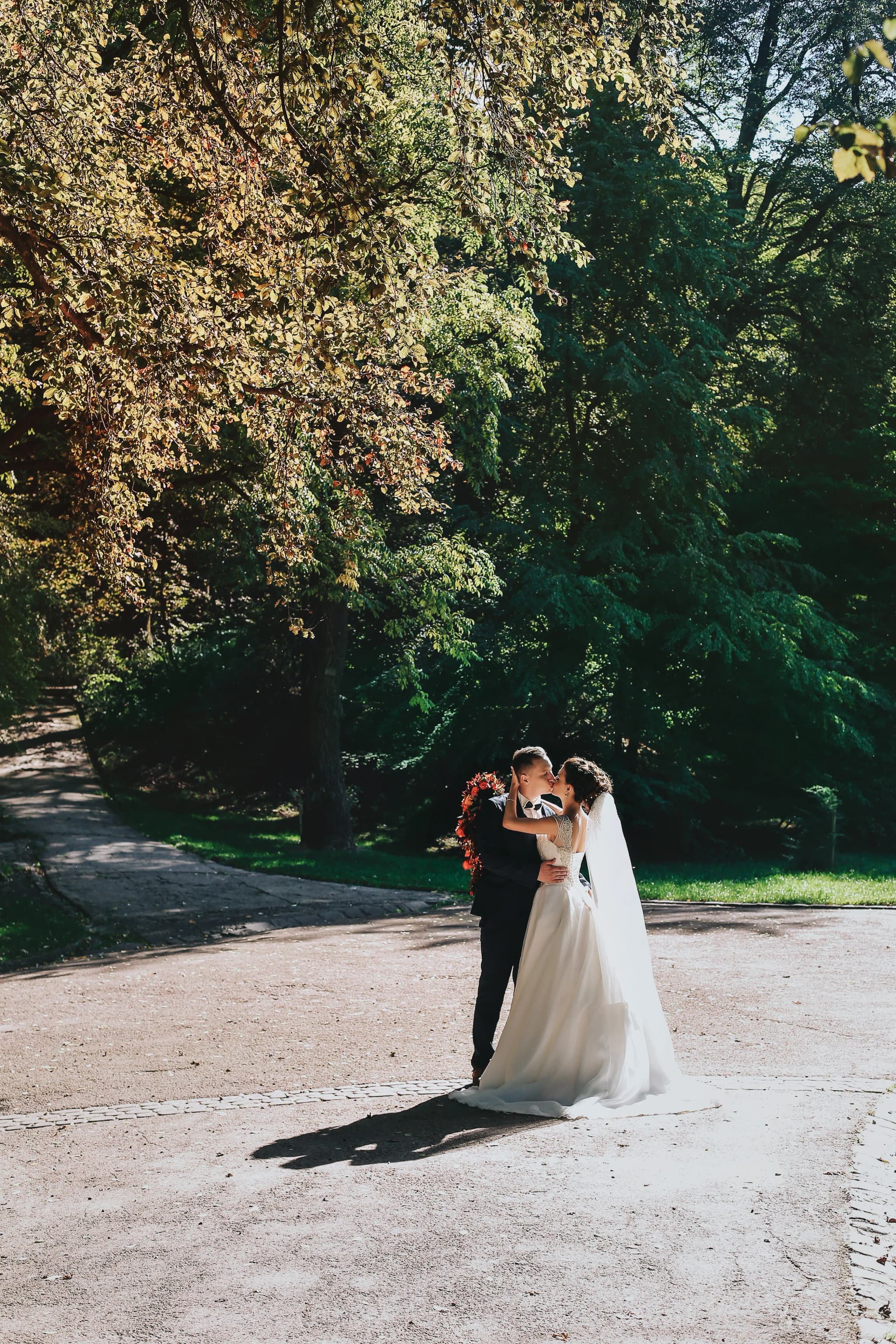
Cambridge May Ball Photography: The Most Glamorous Night in England
By Yana Skakun·16 March 2026·8 min read
Cambridge May Balls are unlike any event in England — all-night celebrations in the college grounds, with champagne breakfast at dawn, fireworks over the Cam, and a dress code that makes black tie look casual. If you've been lucky enough to secure tickets to a Cambridge May Ball, getting a professional photographer to capture the occasion is one of the best investments you can make. The clothes, the setting, the atmosphere — it deserves photographs that do it justice.
What Is a Cambridge May Ball?
Despite the name, Cambridge May Balls take place in June — at the end of the academic year (known as May Week, another Cambridge paradox). Each of the 31 colleges organises its own event, ranging from the enormous Trinity May Ball (capacity ~7,000) to more intimate affairs at smaller colleges. The events typically run from 9pm until 6am, with live music across multiple stages, elaborate food and drink, and spectacular entertainment in the college grounds.
The biggest balls — Trinity, St John's, and King's — have waiting lists and ballot systems that can mean waiting years for a ticket. But even smaller college balls are memorable occasions in extraordinary settings.
Why Professional May Ball Photography Is Worth It
- ◆The setting is extraordinary: You're in a Cambridge college at night — ancient stone, fairy lights, garden lanterns, and fireworks. The photographs you'll get here are genuinely unique.
- ◆The clothing is spectacular: Full-length ball gowns, white tie, tiaras and corsages. This level of dressing deserves proper photography — not a phone snap in the queue.
- ◆It likely won't happen again: Many people attend one May Ball in their lives. The photographs are how you'll remember it.
- ◆The light changes all night: From the long twilight of a June evening to midnight under fairy lights to the blue dawn over the Cam — the photography opportunities are genuinely diverse.
- ◆Groups and couples: A group of eight friends having a pre-Ball portrait session in the college grounds, properly lit and composed, becomes a treasured photograph for life.
💡 Pre-Ball Portrait Sessions: The most popular option is a 30–45 minute portrait session before the Ball begins, in the college grounds or along The Backs. This gives you properly lit group and couple portraits while everyone looks fresh — and the long June evening still gives beautiful warm light at 8pm.
The Best Locations for Pre-Ball Photography
The specific college grounds may have restrictions for photographers who aren't official college photographers. For pre-Ball sessions, I often use nearby external locations that are actually more beautiful than the college grounds themselves:
- ◆The Backs: The riverside walk behind King's, Clare, and Trinity colleges is the most beautiful location in Cambridge for evening portraits — and publicly accessible.
- ◆King's College Front: The grand classical front of King's College on King's Parade is one of the most recognisable buildings in England. Perfect for group portraits.
- ◆Clare Bridge: The oldest bridge in Cambridge, reflected in the Cam. Weeping willows, golden stone, and the river create a perfect evening portrait setting.
- ◆Senate House Passage: The narrow lane between King's Chapel and Senate House gives beautiful compression and architecture. Particularly effective at dusk.
- ◆The Mathematical Bridge: Queens' College's famous wooden bridge is accessible from the Silver Street Bridge on the towpath — spectacular evening portraits.
Cambridge Formal Hall Photography
Beyond May Balls, Cambridge formal dinners — two or three times a week during term — offer a more accessible but equally special photography opportunity. In your subfusc and gown, in a centuries-old college dining hall, is a portrait opportunity that many Cambridge students don't make enough of. A short portrait session before formal hall can produce extraordinary photographs that capture the unique experience of studying at Cambridge.
Graduation Photography in Cambridge
Cambridge graduations take place at Senate House — the elegant Palladian building on King's Parade. Like May Balls, graduation days create a very specific photographic opportunity: academic dress on the most beautiful street in England. A dedicated photographer for your graduation group creates much better results than a passerby or the rushed official photographer — and Cambridge's streets and colleges provide a genuinely spectacular backdrop.
May Ball, Formal, or Graduation Photography in Cambridge
I offer pre-Ball portrait sessions, formal hall photography, and graduation day sessions in Cambridge. If you're marking a special occasion in Cambridge, let's talk about how to photograph it properly.
Book a Cambridge Portrait Session

Yana Skakun
Photographer · England
Professional wedding, family and portrait photographer based in England. Passionate about capturing authentic emotions and timeless moments.
About Yana →May Ball photographer CambridgeCambridge May Ball photosformal ball photography CambridgeCambridge college ball photographyMay Ball portraits Cambridge
Photography Tips — Professional Photography in Cambridge & England
Yana Skakun is a professional photographer based in Cambridge, specialising in wedding, family, and portrait photography across England. Every session is personal — planned around your story, your people, and the moments that matter most. This guide — Cambridge May Ball Photography: The Most Glamorous Night in England — is part of the photography journal: practical, experience-based advice drawn from real sessions across England. Whether you arrived searching for may ball photographer cambridge or cambridge may ball photos, the same care and attention shapes every session Yana photographs.
Professional Photography sessions are available year-round, with bookings open across Cambridge, Ely, Huntingdon, Peterborough, and further afield — East England, London, the Midlands, and beyond. If you have specific questions about formal ball photography cambridge, mention it in your enquiry. Get in touch through the contact form above to check availability and discuss your session. Enquiries are welcomed from anywhere in the UK.
Frequently Asked Questions
What camera settings should I use for outdoor portraits?+
For outdoor portraits, shoot in aperture priority mode. Use a wide aperture (f/1.8–f/2.8) to blur the background and isolate your subject. Keep ISO as low as possible in good light. In bright conditions, use a neutral density filter or switch to manual to avoid overexposure at wide apertures.
What is the golden hour in photography?+
Golden hour is the period roughly 30–60 minutes after sunrise and before sunset. The sun is low in the sky, producing warm, soft, directional light that flatters skin tones and creates beautiful long shadows. It's widely considered the best natural light for portrait and outdoor photography.
How do you get sharp photos in low light?+
In low light, increase your ISO (accepting some grain), use the widest aperture your lens allows, and slow your shutter speed to the slowest you can hand-hold without camera shake (roughly 1/focal length as a guide). Use image stabilisation if available, and consider a tripod for static subjects.
What is the rule of thirds in photography?+
The rule of thirds divides the frame into a 3×3 grid. Placing your subject on one of the four intersection points — rather than dead centre — creates a more dynamic, visually interesting composition. It's a guideline, not a rule: some of the most powerful images break it deliberately.
How do you edit photos to look professional?+
Professional editing starts with shooting in RAW format. In Lightroom or similar software, correct exposure, white balance, and contrast first. Recover shadow and highlight detail. Apply gentle colour grading for mood. Be conservative with skin retouching — the goal is natural enhancement, not transformation. Consistency across a set of images is what separates professional from amateur editing.
Continue Reading
Related Articles

Photography Tips
Photography Gift Vouchers: The Most Personal Present You Can Give
5 min read · Read Article
Photography Tips
Photo Books vs Photo Albums: What Is the Difference and Which Is Better?
5 min read · Read Article
Photography Tips
Photo Gift Ideas: Turning Professional Images into Meaningful Presents
5 min read · Read Article
Get in Touch
Ready to Book Your Session?
Get in touch to discuss your vision — I'll reply within 24 hours.