Yana Skakun
Best Season for Outdoor Photography in Cambridge
By Yana Skakun·28 March 2026·8 min read
Cambridge looks like a genuinely different city depending on when you photograph it. April blossom drifting along the Backs, long golden June evenings over Grantchester Meadows, copper woodland at Wandlebury in October, frost crystals forming along the edges of the Cam in January — the same streets, the same colleges, the same river produce completely different photographs depending on the season. I photograph across the whole year in Cambridge, and knowing when to come for a particular kind of image is one of the most useful pieces of planning I can offer clients booking a session.
Spring: Blossom and Bluebells
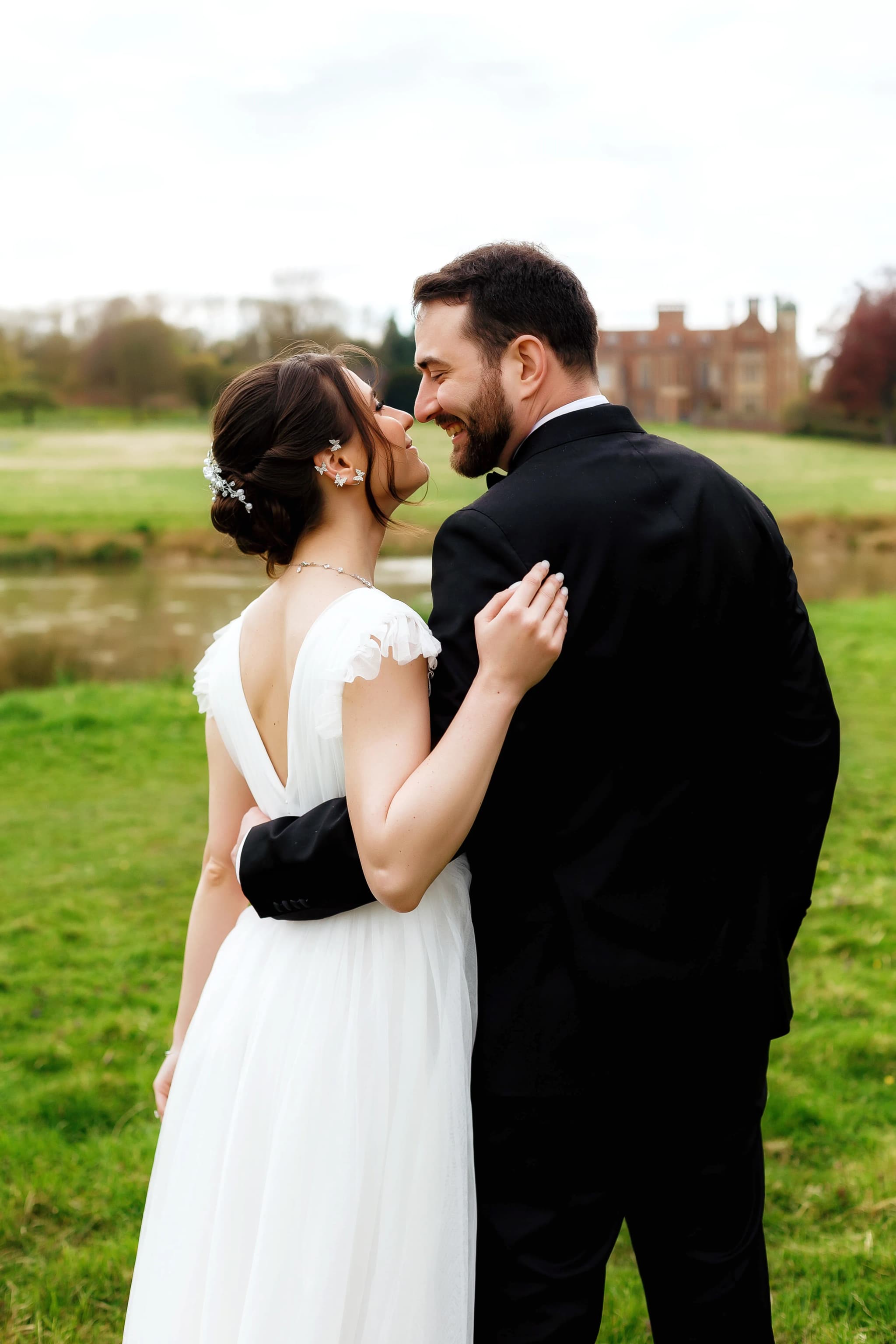
The first significant photographic event of the Cambridge year is the cherry blossom, which usually peaks in late March or early April along the avenues around the city and in the Botanic Garden. It is a brief window — often no more than ten days at full bloom — but the effect of pale pink and white canopies against Cambridge stone is genuinely striking, and I try to keep a close eye on the trees from mid-March onwards so I can advise clients on the best week to book.
Later in April, bluebells emerge in Hardwick Wood and other ancient woodlands on the southern edge of Cambridgeshire, giving a completely different, more woodland-based spring session for families and couples who want something away from the city centre. May brings the full leafing of the willows along the Cam, and the Backs in May — with new green canopy filtering soft light onto the river — is among the finest natural photography settings in England. The light at this time of year is still relatively low in the sky, giving warm, directional tones without the harshness of high summer.
Summer: Long Light and Open Meadows
June is peak season for Cambridge photography, and for good reason. The days are at their longest, golden hour extends to around nine in the evening, and there is genuinely beautiful light present for hours either side of sunset. Grantchester Meadows is extraordinary in June — tall meadow grasses, ox-eye daisies, the Cam winding lazily through open pasture — and it is one of my favourite locations to work at this time of year for both families and couples.
May Week, which confusingly falls in early June, brings the Colleges properly to life with garden parties, river activity, and a general sense of celebration that photographs well if you happen to be documenting a Cambridge occasion during that period. July and August see the tourist season reach its peak, with crowds building at the most popular spots by mid-morning. Early sessions before eight o'clock can still find the Backs almost empty even in the height of summer, which is why I generally push for an early start on any city-centre summer booking.
Summer evenings also extend the useful working window considerably. Because sunset is so late, there is no need to rush a session into a narrow slot around dusk — there is genuinely enough good light to work unhurried from around six in the evening through to nearly nine, which gives a lot of flexibility when planning the timeline for a wedding or a longer family session.
A note on choosing when to book
Every season in Cambridge has something genuinely worth photographing, and the right time for your session depends more on what you want the images to feel like than on any single "best" month. If you want dramatic colour and rich light, October is very hard to beat. If you want long, relaxed evening sessions with plenty of golden hour to work with, June is ideal. I am always happy to talk through what you are hoping for and suggest a season and even a specific week that will give you the best chance of the conditions you have in mind.
Get in touch about timing your sessionAutumn: The Best Season for Colour
October is arguably the finest month for photography anywhere in the Cambridge area, and it is consistently the month clients ask me about most once they have seen a previous year's autumn galleries. Wandlebury Country Park on the Gog Magog Hills turns copper and gold through the back half of the month; Anglesey Abbey's mature specimen trees are extraordinary in colour and draw visitors from across the region specifically to see them; the avenue approach to Wimpole Estate becomes a genuine natural cathedral of turning leaves.
The light in late October is low, warm, and raking in a way that simply does not happen at other times of year — the sun never climbs particularly high even at midday, which means that quality of light is available across much more of the day than the brief golden hour window of summer. Engagement sessions and family portraits booked in October consistently produce some of the most dramatic and best-received results of the year, and I would recommend it without hesitation to anyone who is flexible on timing and wants images with real visual impact.
Winter: Frost, Bare Trees, and Drama
Winter photography in Cambridge is genuinely underused, and I think that is a shame, because some of the most striking images I have taken in this city have come from December and January sessions. The bare canopy of the lime avenue on the Backs, backlit by low January sun, has a sculptural quality entirely different from its summer green fullness — every branch and twig visible against the sky rather than hidden behind leaves.
A hard frost on the Cam, with the river surface beginning to ice near Newnham, is genuinely spectacular and something I try to be ready to shoot at short notice whenever a cold snap is forecast. King's College Chapel, lit for Christmas and photographed in the blue hour around four in the afternoon in December, produces some of the most visually powerful images Cambridge has to offer — the combination of ancient architecture, festive lighting, and that deep blue winter sky is very hard to replicate at any other time of year.
Matching Locations to Season
Beyond the general character of each season, certain Cambridge locations genuinely peak at particular times of year, and I plan sessions to make the most of that wherever possible. The Botanic Garden, for instance, has something photogenic happening across almost the entire calendar because of its sheer variety of species, but its spring bulb displays and autumn colour are on another level entirely compared with a routine summer visit. Wandlebury and the other woodlands south of the city are best reserved for autumn, when the beech canopy is genuinely at its finest, rather than visited out of season purely for convenience.
The Backs and the river itself are more forgiving across the year, since willows, water, and college architecture all photograph well in most conditions, but even here the specific quality changes enormously — fresh green in May, deep shade in high summer, bare structure in winter. Knowing which locations are worth waiting for a particular season, and which work reliably year-round, is a large part of how I advise clients on timing a session around what they actually want the finished images to look like.
Practical Considerations by Season
Spring and autumn offer the most consistently photogenic conditions with manageable crowds, which is why I recommend them so often to clients who have flexibility over their dates. Summer has the best available light but the highest tourist volumes, so early starts matter more here than at any other time of year. Winter has extraordinary dramatic potential but requires real flexibility around weather and works within a much shorter daily light window, so bookings need to be planned with a degree of adaptability built in.
For weddings and formal sessions specifically, May to June and September to October tend to be the most reliable choices for a genuine balance of weather and photographic quality. That said, I have photographed beautiful sessions in every month of the year in Cambridge, and the right choice really does come down to what you want the finished images to feel like rather than any fixed rule about which season is objectively best.
Whatever time of year you are considering, I am glad to talk through what Cambridge will actually look like on your chosen dates and help you plan around it. If you would like advice on timing a session, or simply want to know what a particular month tends to offer, get in touch and I will help you plan it properly.

Yana Skakun
Photographer · England
Professional wedding, family and portrait photographer based in England. Passionate about capturing authentic emotions and timeless moments.
About Yana →best time outdoor photos Cambridgespring Cambridge photosautumn Cambridge photographyCambridge seasons photography guidewhen to shoot Cambridge
Photography Tips — Professional Photography in Cambridge & England
Yana Skakun is a professional photographer based in Cambridge, specialising in wedding, family, and portrait photography across England. Every session is personal — planned around your story, your people, and the moments that matter most. This guide — Best Season for Outdoor Photography in Cambridge — is part of the photography journal: practical, experience-based advice drawn from real sessions across England. Whether you arrived searching for best time outdoor photos cambridge or spring cambridge photos, the same care and attention shapes every session Yana photographs.
Professional Photography sessions are available year-round, with bookings open across Cambridge, Ely, Huntingdon, Peterborough, and further afield — East England, London, the Midlands, and beyond. If you have specific questions about autumn cambridge photography, mention it in your enquiry. Get in touch through the contact form above to check availability and discuss your session. Enquiries are welcomed from anywhere in the UK.
Frequently Asked Questions
What camera settings should I use for outdoor portraits?+
For outdoor portraits, shoot in aperture priority mode. Use a wide aperture (f/1.8–f/2.8) to blur the background and isolate your subject. Keep ISO as low as possible in good light. In bright conditions, use a neutral density filter or switch to manual to avoid overexposure at wide apertures.
What is the golden hour in photography?+
Golden hour is the period roughly 30–60 minutes after sunrise and before sunset. The sun is low in the sky, producing warm, soft, directional light that flatters skin tones and creates beautiful long shadows. It's widely considered the best natural light for portrait and outdoor photography.
How do you get sharp photos in low light?+
In low light, increase your ISO (accepting some grain), use the widest aperture your lens allows, and slow your shutter speed to the slowest you can hand-hold without camera shake (roughly 1/focal length as a guide). Use image stabilisation if available, and consider a tripod for static subjects.
What is the rule of thirds in photography?+
The rule of thirds divides the frame into a 3×3 grid. Placing your subject on one of the four intersection points — rather than dead centre — creates a more dynamic, visually interesting composition. It's a guideline, not a rule: some of the most powerful images break it deliberately.
How do you edit photos to look professional?+
Professional editing starts with shooting in RAW format. In Lightroom or similar software, correct exposure, white balance, and contrast first. Recover shadow and highlight detail. Apply gentle colour grading for mood. Be conservative with skin retouching — the goal is natural enhancement, not transformation. Consistency across a set of images is what separates professional from amateur editing.
Continue Reading
Related Articles

Photography Tips
Photography Gift Vouchers: The Most Personal Present You Can Give
5 min read · Read Article
Photography Tips
Photo Books vs Photo Albums: What Is the Difference and Which Is Better?
5 min read · Read Article
Photography Tips
Photo Gift Ideas: Turning Professional Images into Meaningful Presents
5 min read · Read Article
Get in Touch
Ready to Book Your Session?
Get in touch to discuss your vision — I'll reply within 24 hours.