Yana Skakun
Candid Wedding Photography: How to Get Natural Photos Without Posing
By Yana Skakun·13 March 2026·5 min read
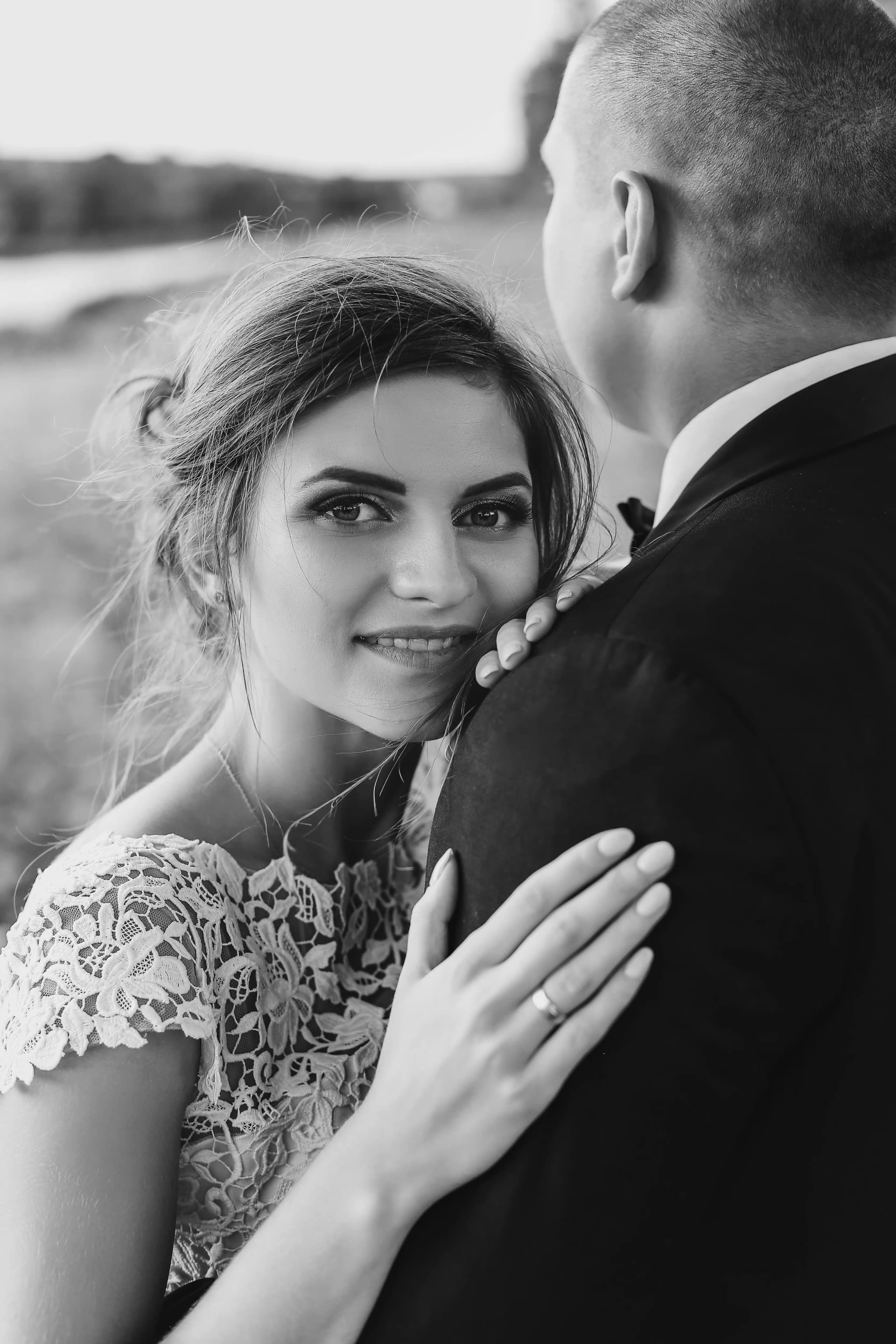
Most people want their wedding photographs to feel natural. Not stiff, not posed, not like a catalogue shoot. The question of how to actually achieve this — what it means in practical terms for a wedding day — is one of the most common conversations I have with couples. Here is an honest explanation of what candid wedding photography involves and how to create the conditions for it to work.
What "Candid" Actually Means
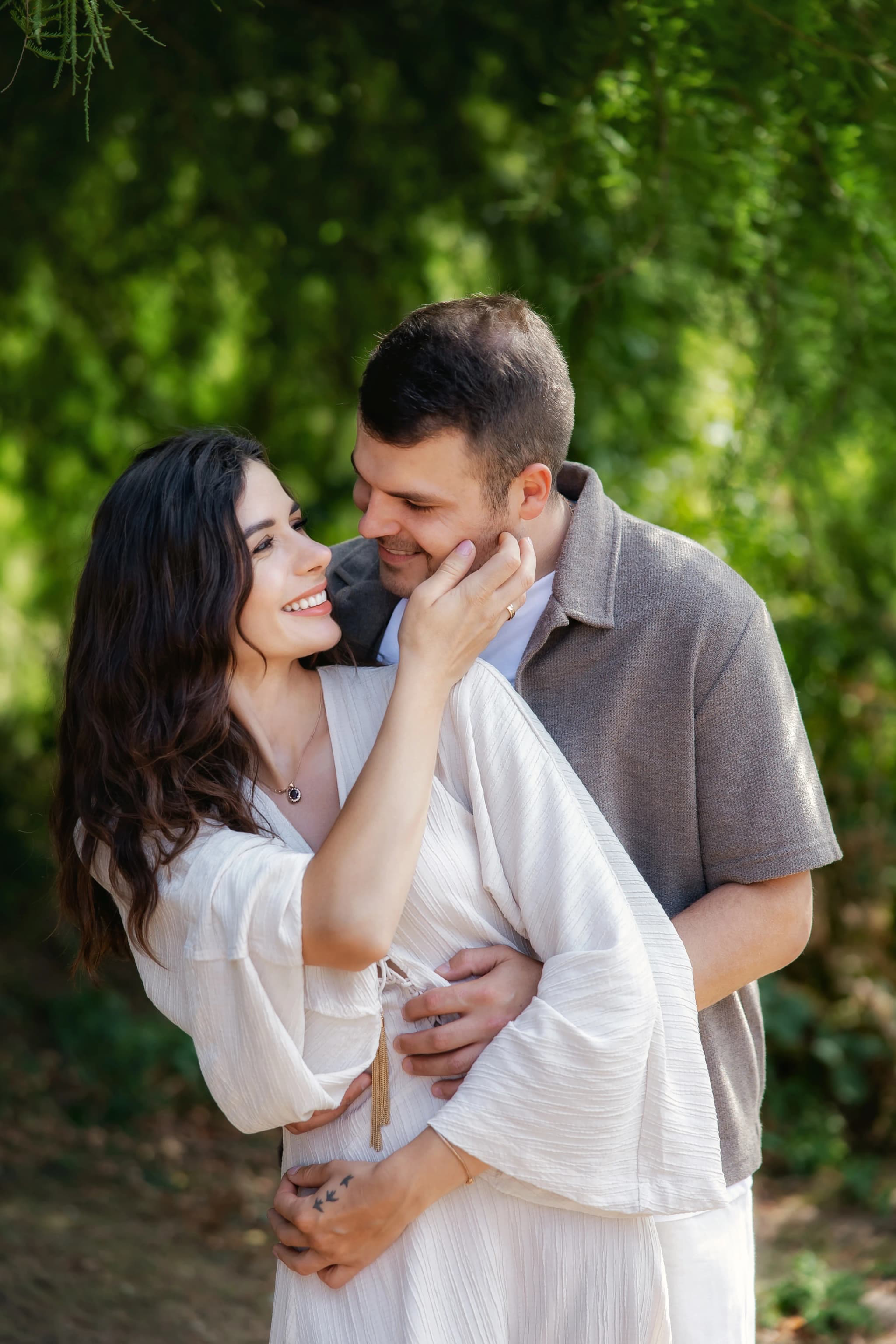
Candid photography means capturing people behaving naturally — not aware of the camera, or at least not performing for it. A candid photograph is one where something real is happening: genuine emotion, real interaction, an unguarded moment. The person in the photograph looks like themselves, not like someone trying to look good in a photograph.
This is different from unposed in a technical sense. Some photographs that look entirely natural were lightly guided — the couple told to walk and talk, or to stand near each other and look at the view. The photographer was present and directing, but the result looks candid because the emotion and movement are real. That is not deception — it is the correct use of the word "natural."
Three Enemies of Natural Wedding Photos
- Awareness of the camera. The biggest reason people look awkward in photographs is that they are trying to look good for the camera, which produces exactly the opposite result. The solution is familiarity — working with your photographer during an engagement session, or simply spending time with them during the morning of the wedding, removes most of this tension by the time the ceremony begins.
- Being told to smile. "Big smiles!" is the single most common instruction given at weddings and produces some of the least natural results. A real smile happens because of something funny or touching. A forced smile is visible from ten metres. If you want natural expressions in photographs, the photographer needs to create conditions for real reactions rather than demanding them.
- An anxious timeline. When couples are stressed — running late, worried about family, uncertain what happens next — their faces and bodies carry that tension. Photographs made during a relaxed, well-organised day look different from those made during a pressured one.
What to Do Instead of Posing
A practical framework for getting natural photographs without asking people to adopt specific poses:
- Give people something to do or talk about. Walking, holding hands, whispering something, looking at a view. The camera captures movement and engagement rather than static self-consciousness.
- Let emotions happen rather than chasing them. The ceremony, first look, first dance — these contain genuine emotion. Position correctly and wait rather than directing.
- Shoot longer and be patient. The first thirty seconds after a pose instruction are often stilted. The real moment comes at 45 seconds when people relax and start talking to each other. A photographer who stops shooting early misses this entirely.
- Use light guidance rather than heavy direction. "Stand here, the light is better" or "walk towards the garden" is helpful. "Put your hand here, tilt your chin, look at that point on the wall" produces mannequins.
The Role of the Engagement Session
An engagement session one to three months before the wedding has two functions: it produces usable photographs, and it acclimates the couple to being photographed together. The second function is far more valuable to the wedding day images. Couples who have done an engagement session typically arrive at their wedding with a working relationship to the camera — they know what the photographer is looking for, they know how to be together without performing, and the awkwardness of being observed has been processed in a low-stakes environment.

Yana Skakun
Photographer · England
Professional wedding, family and portrait photographer based in England. Passionate about capturing authentic emotions and timeless moments.
About Yana →candid wedding photographynatural wedding photos without posingunposed wedding photography
Photography Tips — Professional Photography in Cambridge & England
Yana Skakun is a professional photographer based in Cambridge, specialising in wedding, family, and portrait photography across England. Every session is personal — planned around your story, your people, and the moments that matter most. This guide — Candid Wedding Photography: How to Get Natural Photos Without Posing — is part of the photography journal: practical, experience-based advice drawn from real sessions across England. Whether you arrived searching for candid wedding photography or natural wedding photos without posing, the same care and attention shapes every session Yana photographs.
Professional Photography sessions are available year-round, with bookings open across Cambridge, Ely, Huntingdon, Peterborough, and further afield — East England, London, the Midlands, and beyond. If you have specific questions about unposed wedding photography, mention it in your enquiry. Get in touch through the contact form above to check availability and discuss your session. Enquiries are welcomed from anywhere in the UK.
Frequently Asked Questions
What camera settings should I use for outdoor portraits?+
For outdoor portraits, shoot in aperture priority mode. Use a wide aperture (f/1.8–f/2.8) to blur the background and isolate your subject. Keep ISO as low as possible in good light. In bright conditions, use a neutral density filter or switch to manual to avoid overexposure at wide apertures.
What is the golden hour in photography?+
Golden hour is the period roughly 30–60 minutes after sunrise and before sunset. The sun is low in the sky, producing warm, soft, directional light that flatters skin tones and creates beautiful long shadows. It's widely considered the best natural light for portrait and outdoor photography.
How do you get sharp photos in low light?+
In low light, increase your ISO (accepting some grain), use the widest aperture your lens allows, and slow your shutter speed to the slowest you can hand-hold without camera shake (roughly 1/focal length as a guide). Use image stabilisation if available, and consider a tripod for static subjects.
What is the rule of thirds in photography?+
The rule of thirds divides the frame into a 3×3 grid. Placing your subject on one of the four intersection points — rather than dead centre — creates a more dynamic, visually interesting composition. It's a guideline, not a rule: some of the most powerful images break it deliberately.
How do you edit photos to look professional?+
Professional editing starts with shooting in RAW format. In Lightroom or similar software, correct exposure, white balance, and contrast first. Recover shadow and highlight detail. Apply gentle colour grading for mood. Be conservative with skin retouching — the goal is natural enhancement, not transformation. Consistency across a set of images is what separates professional from amateur editing.
Continue Reading
Related Articles

Photography Tips
Photography Gift Vouchers: The Most Personal Present You Can Give
5 min read · Read Article
Photography Tips
Photo Books vs Photo Albums: What Is the Difference and Which Is Better?
5 min read · Read Article
Photography Tips
Photo Gift Ideas: Turning Professional Images into Meaningful Presents
5 min read · Read Article
Get in Touch
Ready to Book Your Session?
Get in touch to discuss your vision — I'll reply within 24 hours.