Yana Skakun

Legacy Portraits: Photography for Elderly Relatives in Care Settings
By Yana Skakun·8 July 2025·8 min read
Legacy Portraits: Photography in Care Settings
There is a particular kind of portrait that families wish they had taken, and rarely do, until it is too late. The portrait of an elderly parent or grandparent, made properly — with care, with time, with genuine attention to who this person is — before the end of their independence or the end of their life. Not a snapshot at Christmas dinner, not a holiday photograph taken from a distance. A portrait made with the same intention and skill as any other significant portrait, because this person's life is significant.
Care home portrait photography addresses this gap. It is photography commissioned by families, or occasionally by care homes themselves, that creates lasting images of residents — images that will become the photographs families use, frame, and carry with them.
Why Care Home Portraits Matter
The Photographic Gap in Later Life
Photography of most older people exists in two forms: the formal photographs taken decades ago (wedding portraits, family photographs from the 1970s and 1980s) and the incidental photographs taken at family gatherings in recent years. There is rarely anything in between — a portrait made in the last ten or twenty years that documents the person as they actually are now, with the dignity and intention their life deserves.
Care home portraits fill this gap. They produce photographs that families treasure alongside the old wedding portraits, placed together on a sideboard or in a frame — the person at seventy alongside the person at thirty, showing a life fully lived.
For the Resident Themselves
Being the subject of a proper portrait session — having someone arrive, set up equipment, take time to find the right light, pay genuine attention to how you are being photographed — is an act of care and recognition. Many care home residents have not been the subject of intentional photography for decades. The experience of a portrait session, handled sensitively, can be affirming and meaningful quite apart from the photographs it produces.
Practical Considerations
Timing and Energy Levels
Care home photography requires flexibility and patience. Some residents are at their best in the morning; others are more alert and comfortable after lunch. Fatigue is a genuine factor — a session that respects the resident's energy levels, and that can be paused or concluded early if needed, produces better results than one that pushes on regardless. Sessions with elderly residents are typically 20–40 minutes of active photography rather than the 60–90 minutes of a standard portrait session.
Dementia and Cognitive Impairment
Photography of residents living with dementia requires additional sensitivity and care. The photographer must be experienced in working with people whose engagement and attention may be unpredictable, who may become distressed by unfamiliar equipment or strangers, and who may need the visit explained repeatedly. Family involvement — being present during the session — can significantly ease the process. The goal is a relaxed, genuine moment rather than a formally posed portrait, and patience is required.
Location Within the Care Home
Most care home portrait sessions happen in a resident's own room or in a comfortable communal area with good natural light. A window seat or a chair positioned near a large window typically provides the best light. Identifying the best light sources and setting up accordingly is part of the photographer's responsibility — the family and care home staff cannot usually assess this in advance.
Group and Family Portraits Including Elderly Relatives
Care home portrait sessions can extend to include family members — a grandparent with their grandchildren, a married couple in the same care setting, a parent with adult children. These multi-generational photographs are among the most treasured images a family can have. When planning a family photograph that includes a care home resident, consider mobility, seating requirements, and the energy requirements of a larger group session for an elderly person.
Working With Care Homes Directly
Some care homes commission portrait photography for their residents as an ongoing service — a photographer who visits regularly and produces portraits for all residents and their families. This model works well for high-quality residential and nursing homes who value the wellbeing and dignity of residents. For care homes interested in commissioning regular portrait photography, a clear session structure, pricing, and rights arrangement with the facility management is advisable.
A Portrait That Honours a Life
Legacy portraits for elderly relatives, created with care and patience. Get in touch to discuss a portrait session for a family member in a care setting, or at home.
See Portrait Photography →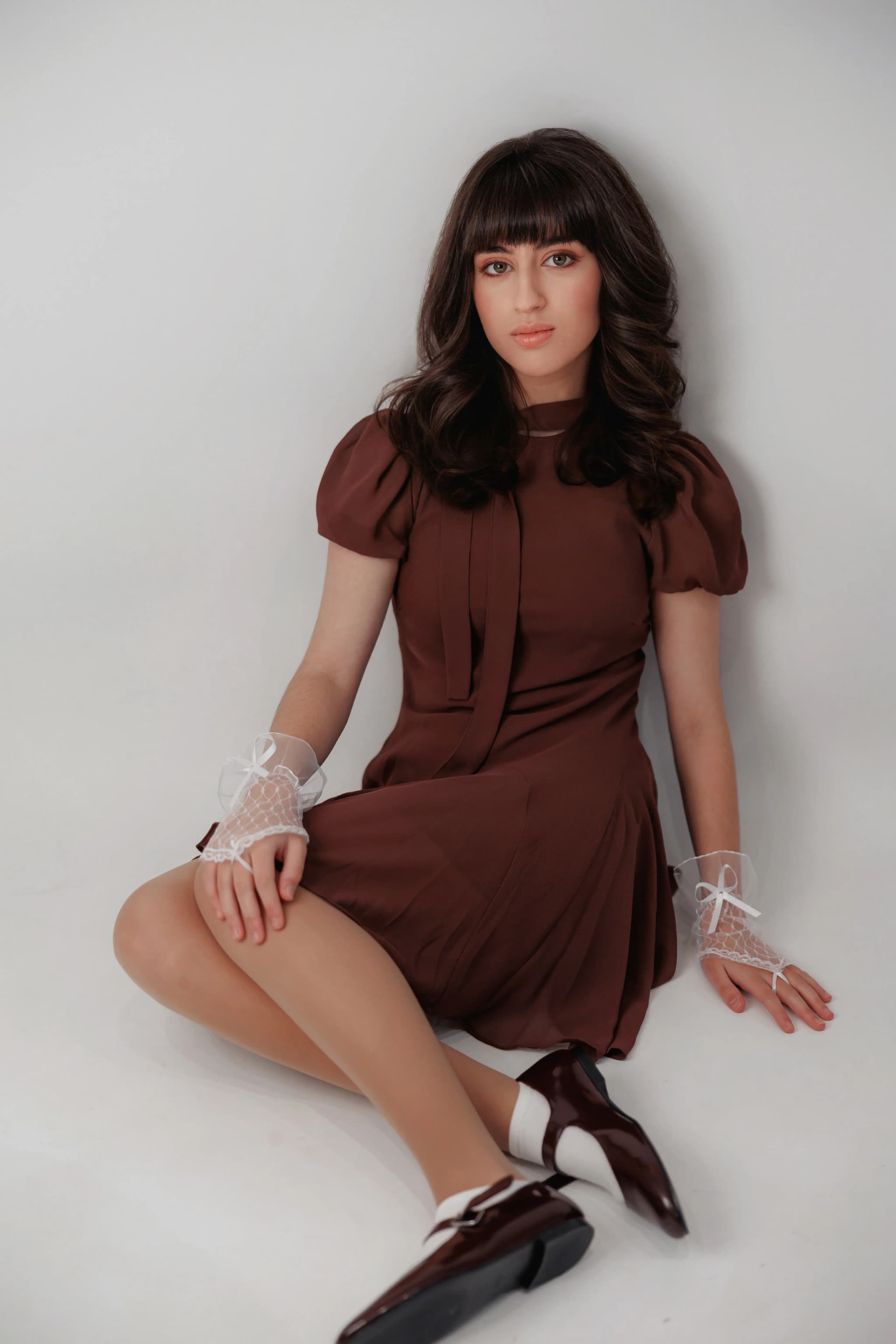

Yana Skakun
Photographer · England
Professional wedding, family and portrait photographer based in England. Passionate about capturing authentic emotions and timeless moments.
About Yana →care home portrait photography UKelderly portrait photography UKlegacy portrait photographynursing home photography UKportrait for elderly relative
Portrait Tips — Portrait Photography in Cambridge & England
Portrait sessions with Yana Skakun are unhurried and personal — designed to produce images that feel genuinely like you, not a performance. Sessions are available in Cambridge, across East England, and at locations throughout the UK. This guide — Legacy Portraits: Photography for Elderly Relatives in Care Settings — is part of the photography journal: practical, experience-based advice drawn from real sessions across England. Whether you arrived searching for care home portrait photography uk or elderly portrait photography uk, the same care and attention shapes every session Yana photographs.
Portrait Photography sessions are available year-round, with bookings open across Cambridge, Ely, Huntingdon, Peterborough, and further afield — East England, London, the Midlands, and beyond. If you have specific questions about legacy portrait photography, mention it in your enquiry. Get in touch through the contact form above to check availability and discuss your session. Enquiries are welcomed from anywhere in the UK.
Frequently Asked Questions
How do I look natural in portrait photos?+
The key is to keep moving — walking, talking, laughing. Still poses often look stiff. A good portrait photographer will direct you gently rather than just pointing and shooting. Take a breath, drop your shoulders, and try to focus on something that makes you happy rather than worrying about how you look.
What should I wear for a portrait session?+
Wear something you feel good in — not something borrowed or brand new that you haven't worn before. Solid colours photograph better than busy patterns. Bring a second outfit for variety. Think about the location: flowing fabrics work beautifully outdoors; tailored looks suit urban settings.
How long does a portrait session take?+
Standard portrait sessions last 60–75 minutes. This allows enough time to warm up, try different locations and poses, and explore a couple of looks without rushing. If you're very camera-shy, a longer session helps — the more relaxed you become, the better the final images.
What locations are best for outdoor portrait photography?+
Gardens, parks, riverside paths, woodland, and areas with interesting architecture all make great portrait backgrounds. The most important factor is light — a location with open shade or soft directional light will always photograph better than a technically beautiful spot in harsh midday sun.
What is the difference between a portrait session and a headshot session?+
Portrait sessions focus on you as a whole person — full-body, three-quarter, and close-up images in a relaxed, often outdoor setting. Headshot sessions focus specifically on professional or actor headshots: face and upper body, often in a controlled setting with consistent, professional lighting.
Continue Reading
Related Articles

Portrait Tips
Glasses and Glare in Photography: How to Get Great Results
6 min read · Read Article
Portrait Tips
Fake Tan Before a Photoshoot: Timing, Application, and What Can Go Wrong
6 min read · Read Article
Portrait Tips
Hair and Makeup for a Photoshoot: What Photographs Well
7 min read · Read Article
Get in Touch
Ready to Book Your Session?
Get in touch to discuss your vision — I'll reply within 24 hours.