Yana Skakun
Christening Photography in the UK: What to Expect and How to Plan
By Yana Skakun·3 April 2026·7 min read
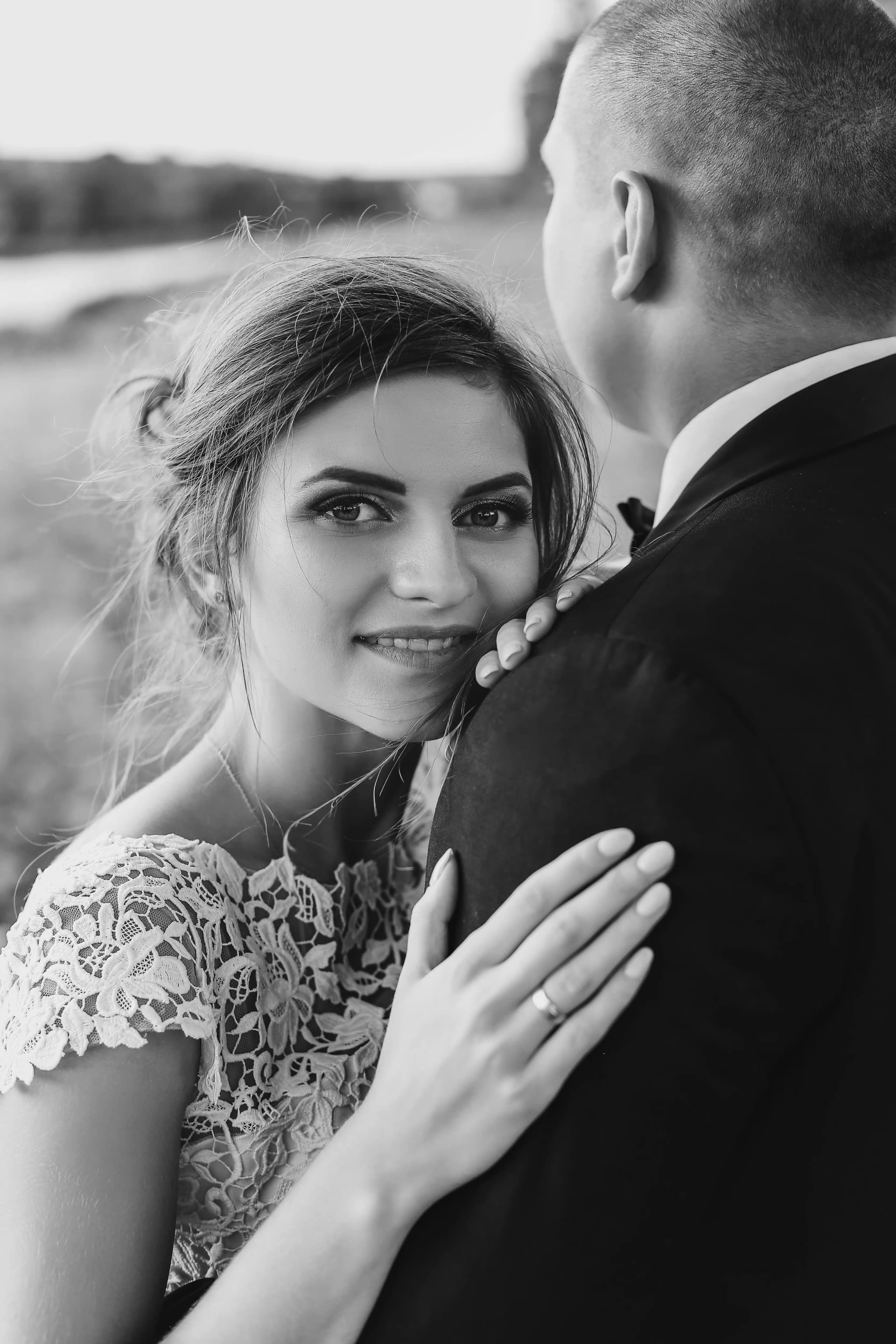
A christening brings family and friends together to formally welcome a baby or young child into a faith community, and the photography needs to capture both the formality of the ceremony and the warmth of everything around it. I have photographed christenings in a range of settings — grand old churches, small village chapels, family gardens afterwards — and the pattern of what actually makes a good gallery is fairly consistent. This guide walks through how I plan and photograph a christening from start to finish.
Before the Ceremony
Some of the most useful images from a christening day are the ones taken before anyone leaves for the church: the christening gown being put on, the baby with immediate family in the comfortable light of home, small details like the gown itself, a bonnet, or a name print if the family has one made. These preparatory images round the final gallery out and tell the whole story of the day rather than starting abruptly at the church door.
If you want pre-church coverage, I would suggest building in an extra forty-five minutes to an hour in the morning, and letting me know the address in advance so I can plan the route and arrival time properly. Natural light from a window works best for this kind of image — I would rather avoid kitchen spotlights or overhead lighting wherever there is a reasonable alternative.
Photographing Inside the Church
Church photography brings its own technical challenges — low light, high contrast against bright windows, and often fairly firm rules about flash and movement during the service itself. I always try to speak with the officiant before the day if I can, since churches vary considerably in where they are comfortable with a photographer standing and whether flash is permitted at all.
Having worked in a good number of churches where natural light is genuinely the only option, I am used to working quietly and without flash when required. The moments I make sure to capture during the ceremony itself are the officiant holding the baby at the font, the actual moment of baptism if that is part of the tradition being followed, the godparents standing together at the font, the immediate family gathered around — parents, godparents, and baby all together — and, often the source of the biggest laugh once the gallery comes back, the baby's own expression throughout.
I also try to capture the congregation and the building itself, not just the immediate family group at the font — a christening is a communal occasion, and photographs of everyone present, along with the character of the church, add real context to the gallery.
Planning a christening
Coverage can begin at home before the ceremony and continue right through to the reception afterwards — get in touch and I will help you plan the day.
Discuss your christening dateAfter the Ceremony: Garden and Venue Portraits
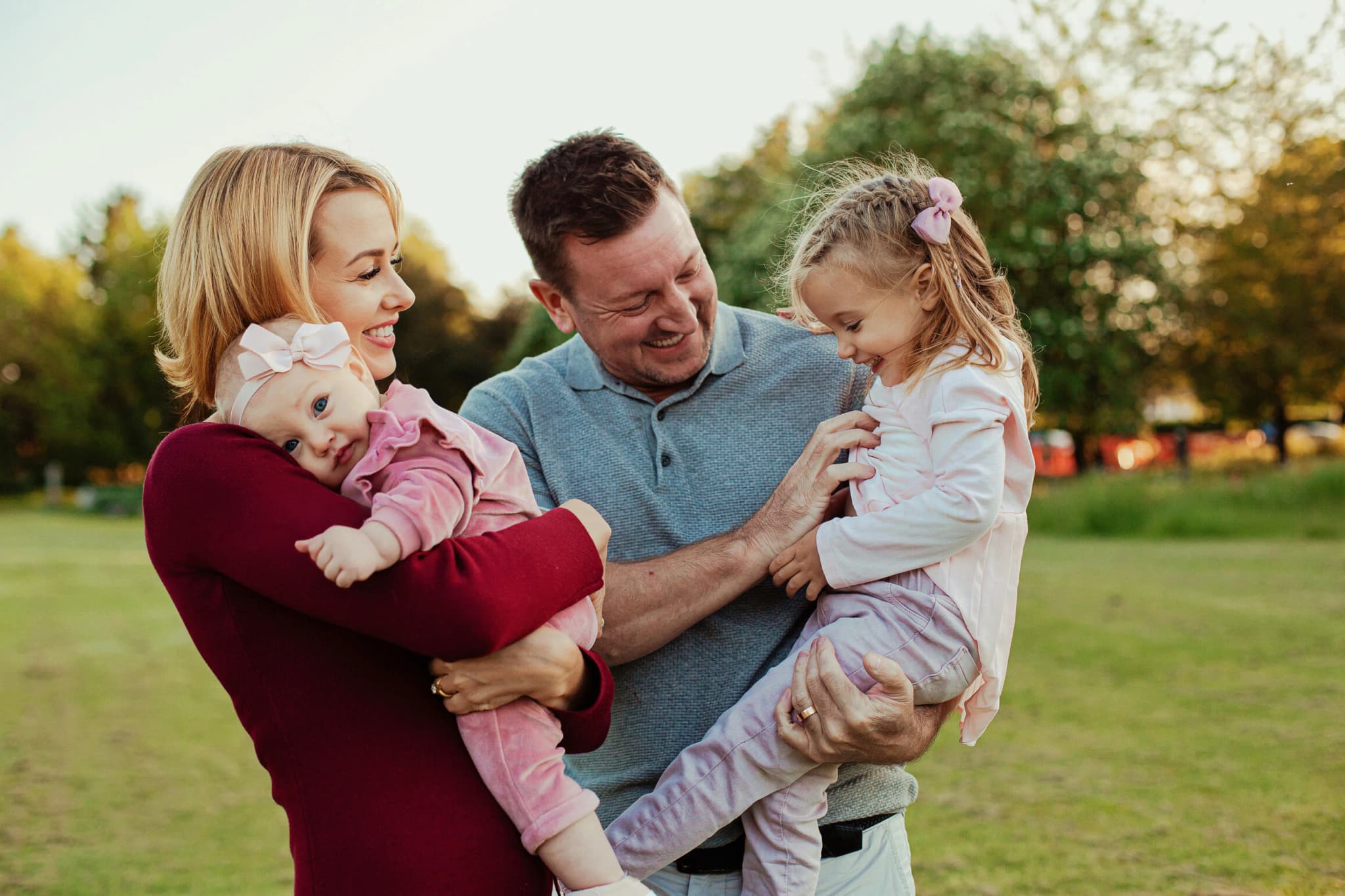
The reception afterwards — whether it is in a family garden, a village hall, or a restaurant — is very often where the most natural, unguarded images happen. Grandparents holding the baby, children running around the garden, the christening cake being cut, a toast if there is one. I keep half an eye on all of this throughout rather than only appearing for the formal portraits.
Formal group portraits are still an important part of most christening galleries, and they benefit enormously from a bit of advance planning. I always ask for the help of one family member who knows everyone and can gather people from the reception room when it is their turn. A simple group list drawn up in advance — immediate family with the baby, both sets of grandparents with the baby, all godparents together with the parents, extended family if wanted, and a wider friends group if appropriate — makes this part of the day run far more smoothly than trying to work it out on the spot.
Choosing a Photographer for a Christening
Christenings sit in an odd category for a lot of photographers — shorter and generally less expensive than a wedding, but requiring exactly the same range of skills: quiet, unobtrusive ceremony coverage in difficult light, confident direction of group portraits, and a relaxed documentary eye for the reception afterwards. I would always suggest looking specifically for a photographer with christening experience rather than assuming any wedding photographer will automatically translate well — church etiquette and the particular flow of a christening day are genuinely different from a wedding.
It is also worth asking in advance how a photographer handles siblings and other young children who are not the focus of the day but are very much part of it. Some of my favourite images from any christening are of an older sibling watching the ceremony with a look of complete bewilderment, or a cousin sneaking a look at the baby during the reception — moments that a photographer only catches by staying alert to the whole room rather than fixing entirely on the baby throughout.
What to Wear
Christening dress codes vary enormously from family to family. Some are quite traditional and formal throughout; others are much more smart-casual, particularly for the reception. The baby will typically wear the christening gown — often a family heirloom passed down through generations, sometimes a new purchase for the occasion — and either way it is worth telling me in advance if there is a story behind it, since that is exactly the kind of detail worth a few dedicated frames.
For everyone else, I would always suggest a shared colour palette over an attempt at matching outfits. A family photographing well together does not need identical clothing — it needs colours that sit comfortably alongside each other rather than fighting for attention in every frame.
Timing and Practical Advice
Most christenings I photograph run to a similar shape: arrival and preparation, the ceremony itself lasting perhaps thirty to forty-five minutes, then formal portraits either just outside the church or at the reception venue, followed by the more relaxed celebration afterwards. I would generally recommend allowing two to three hours of coverage in total to capture all of these stages properly without anyone feeling rushed.
If you are planning a christening and would like to talk through timings, church logistics, or what a typical gallery from the day looks like, I am always happy to have that conversation well before the date itself — it makes the day considerably calmer for everyone involved.

Yana Skakun
Photographer · England
Professional wedding, family and portrait photographer based in England. Passionate about capturing authentic emotions and timeless moments.
About Yana →christening photography UKchristening photographer guidebaptism photographychristening photo session
Photography Tips — Professional Photography in Cambridge & England
Yana Skakun is a professional photographer based in Cambridge, specialising in wedding, family, and portrait photography across England. Every session is personal — planned around your story, your people, and the moments that matter most. This guide — Christening Photography in the UK: What to Expect and How to Plan — is part of the photography journal: practical, experience-based advice drawn from real sessions across England. Whether you arrived searching for christening photography uk or christening photographer guide, the same care and attention shapes every session Yana photographs.
Professional Photography sessions are available year-round, with bookings open across Cambridge, Ely, Huntingdon, Peterborough, and further afield — East England, London, the Midlands, and beyond. If you have specific questions about baptism photography, mention it in your enquiry. Get in touch through the contact form above to check availability and discuss your session. Enquiries are welcomed from anywhere in the UK.
Frequently Asked Questions
What camera settings should I use for outdoor portraits?+
For outdoor portraits, shoot in aperture priority mode. Use a wide aperture (f/1.8–f/2.8) to blur the background and isolate your subject. Keep ISO as low as possible in good light. In bright conditions, use a neutral density filter or switch to manual to avoid overexposure at wide apertures.
What is the golden hour in photography?+
Golden hour is the period roughly 30–60 minutes after sunrise and before sunset. The sun is low in the sky, producing warm, soft, directional light that flatters skin tones and creates beautiful long shadows. It's widely considered the best natural light for portrait and outdoor photography.
How do you get sharp photos in low light?+
In low light, increase your ISO (accepting some grain), use the widest aperture your lens allows, and slow your shutter speed to the slowest you can hand-hold without camera shake (roughly 1/focal length as a guide). Use image stabilisation if available, and consider a tripod for static subjects.
What is the rule of thirds in photography?+
The rule of thirds divides the frame into a 3×3 grid. Placing your subject on one of the four intersection points — rather than dead centre — creates a more dynamic, visually interesting composition. It's a guideline, not a rule: some of the most powerful images break it deliberately.
How do you edit photos to look professional?+
Professional editing starts with shooting in RAW format. In Lightroom or similar software, correct exposure, white balance, and contrast first. Recover shadow and highlight detail. Apply gentle colour grading for mood. Be conservative with skin retouching — the goal is natural enhancement, not transformation. Consistency across a set of images is what separates professional from amateur editing.
Continue Reading
Related Articles

Photography Tips
Photography Gift Vouchers: The Most Personal Present You Can Give
5 min read · Read Article
Photography Tips
Photo Books vs Photo Albums: What Is the Difference and Which Is Better?
5 min read · Read Article
Photography Tips
Photo Gift Ideas: Turning Professional Images into Meaningful Presents
5 min read · Read Article
Get in Touch
Ready to Book Your Session?
Get in touch to discuss your vision — I'll reply within 24 hours.