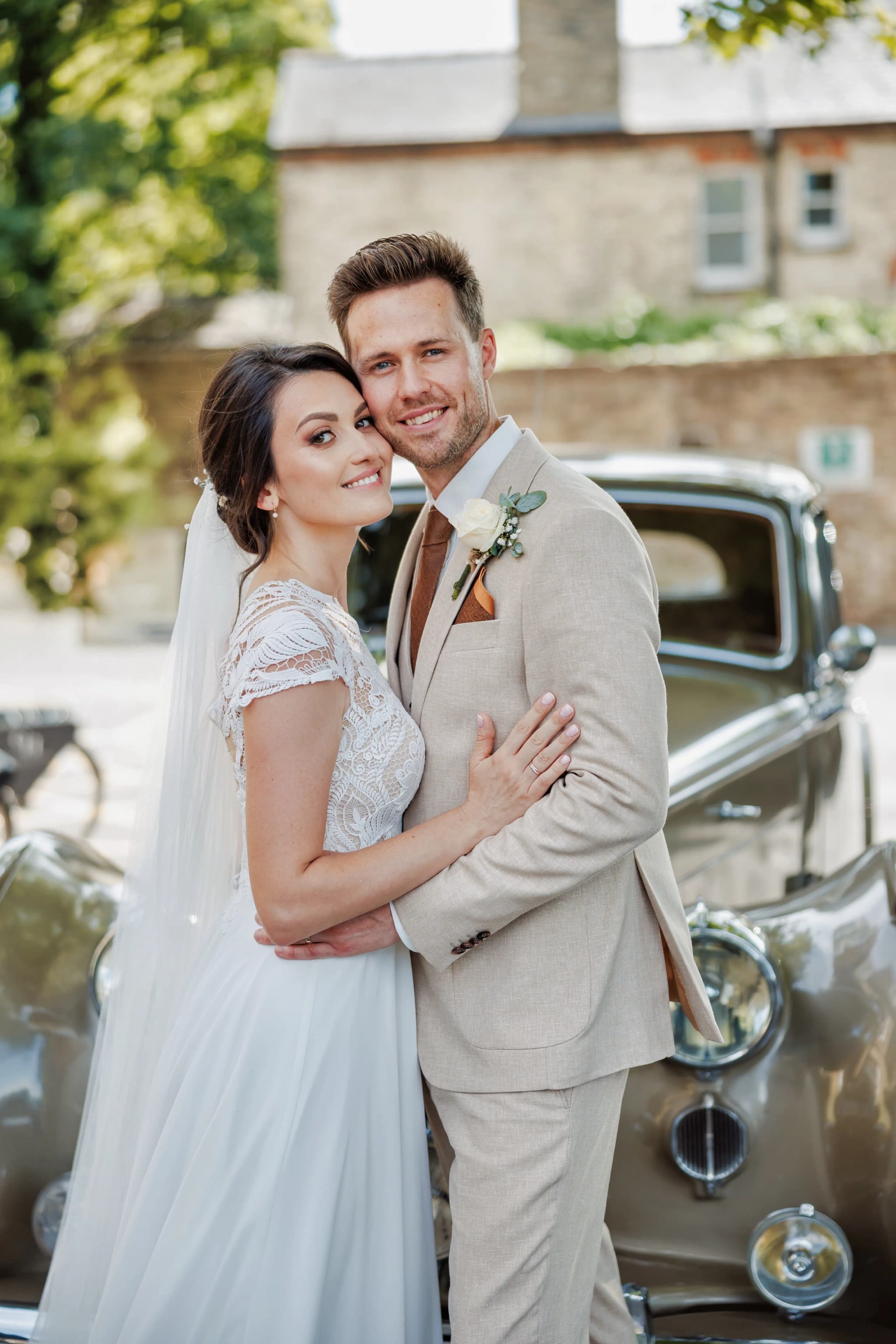
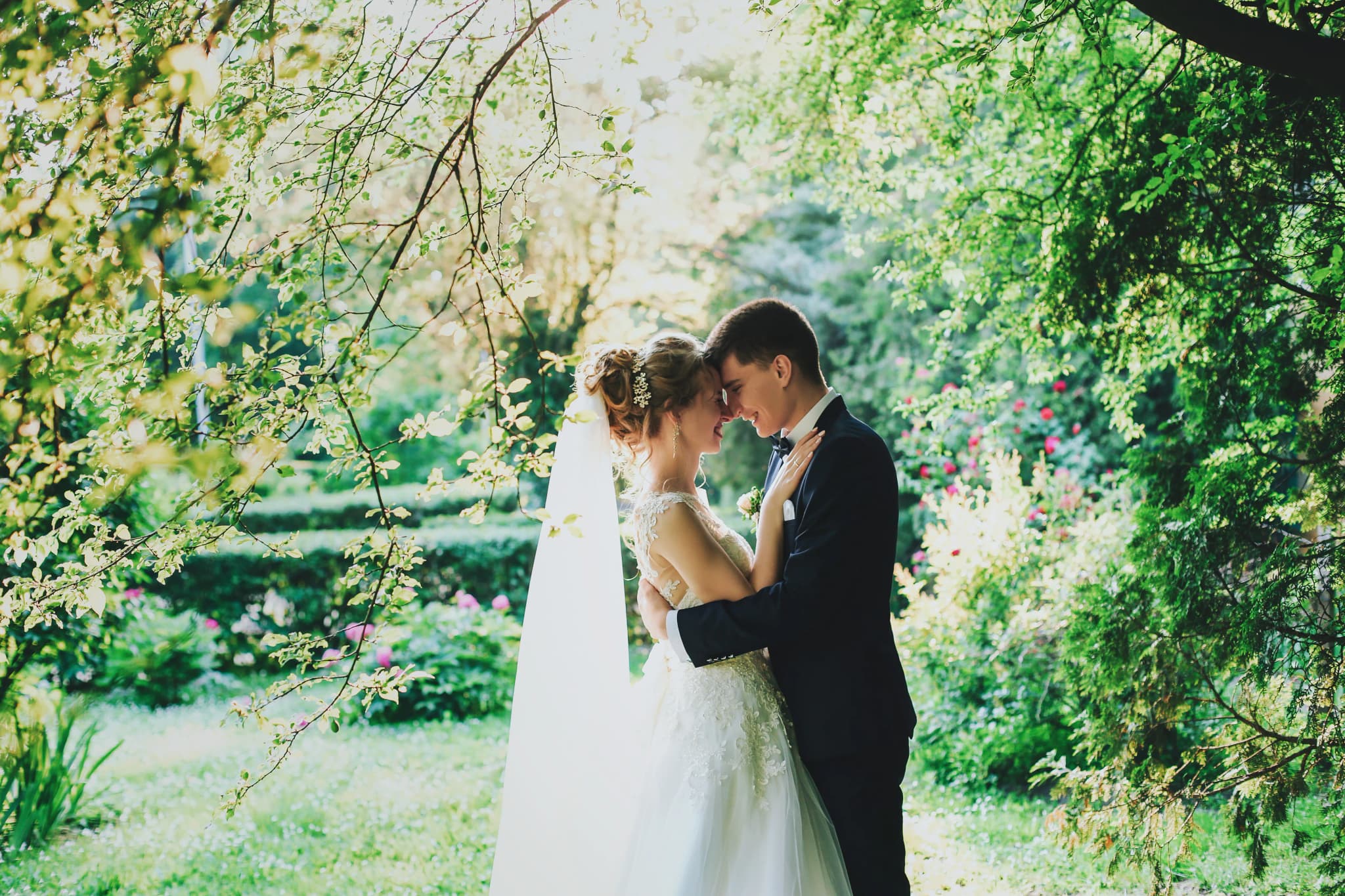
Technical skill gets you bookings — client communication keeps them, builds your reputation, and generates referrals. From the first enquiry email to delivering the final gallery, every interaction shapes the client experience. This guide covers communication strategies for each stage of the photography client journey, with practical templates and advice for wedding and portrait photographers in the UK.
The First Enquiry — Speed and Warmth
Most couples enquire with 3-5 photographers simultaneously. Research consistently shows that the first photographer to respond with a warm, helpful reply has the highest chance of booking. Aim to respond within 2-4 hours during business hours. If you can't send a full response immediately, a brief acknowledgement ("Thank you for getting in touch — I'd love to hear more about your day. I'll send full details this evening") holds the enquiry open.
Your initial reply should include: a warm personal greeting, acknowledgement of their wedding details (date, venue, couple's names), a brief note on why you'd love to photograph their day, your pricing information or a link to your packages, and a clear next step (a call, video meeting, or in-person meeting).
The Consultation Meeting
Whether in person, by phone, or on Zoom — this is where the relationship is built. The consultation is not a sales pitch; it's a conversation. Let the couple talk about their vision for the day. Ask questions:
- What drew you to my work?
- What are the moments that matter most to you?
- Do you enjoy being in front of the camera or does it make you nervous?
- Is there anyone who should feature prominently in group shots?
- What's the timeline for the day?
- Are there any cultural or religious elements I should be aware of?
Listen more than you talk. Take notes. Show genuine interest. The couple is choosing a person who will be with them for 10-12 hours on one of the most important days of their life — personality fit matters as much as portfolio quality.
Setting Expectations
Clear expectations prevent disappointment. Cover these explicitly — in conversation and in writing:
- Number of images: approximate range (e.g., "400-600 fully edited images for full-day coverage").
- Delivery timeline: specific timeframe (e.g., "6-8 weeks after the wedding"). Build in buffer — promising 4 weeks and delivering in 6 is worse than promising 8 and delivering in 6.
- Editing style: show examples. Discuss whether the couple wants light and airy, rich and moody, true-to-colour, or cinematic tones. Manage requests for drastically different styles.
- What you don't do: if you don't provide heavily retouched/Photoshopped images, or if you don't shoot in a particular style, say so upfront.
- Uncontrollable factors: weather, guest behaviour, timeline changes, venue lighting — acknowledge these sensitively.
Pre-Wedding Communication
Engagement Session
An engagement shoot is the single best communication tool. It lets the couple experience being photographed before the pressure of the wedding day. They learn how you direct, how you work, and what to expect. You learn their dynamic, their comfort level, and what angles and light work best for them. Use the session to build rapport — keep it relaxed, give clear direction, and show them a few frames on the back of the camera to build confidence.
Timeline Planning
Two to four weeks before the wedding, discuss the day's timeline in detail. Identify when and where you'll shoot: getting-ready locations, ceremony timing, group photo slot, couple portrait session, reception activities. Flag potential issues early: tight timelines, low-light venues, sunset times, travel between locations. Suggest adjustments if the timeline doesn't allow enough time for the photography the couple wants.
Final Details Email
One week before the wedding, send a final-details email confirming: arrival time and location, timeline summary, group shot list (if applicable), any specific requests, emergency contact numbers, and a reminder that you're there to capture their day however it unfolds — they should relax and enjoy it.
Wedding Day Communication
Being Present Without Being Intrusive
The best wedding photographers are felt, not seen. Be friendly and approachable but not the centre of attention. Read the room — know when to step in and direct (group photos) and when to step back and observe (emotional moments). Communicate with the couple through brief, positive check-ins: "Everything is going beautifully — we're right on schedule."
Directing Couple Portraits
Many couples are not natural in front of the camera. Give clear, simple directions: "Walk slowly towards me, look at each other, and share a secret." "Stand forehead to forehead and close your eyes." "Spin her slowly and then pull her in close." Avoid technical language. Keep the energy positive and encouraging. Show them the occasional result on the back of the camera — seeing a stunning image of themselves builds confidence and loosens them up.
Working with Vendors
Communicate respectfully with other vendors — the videographer, planner, DJ, florist, and catering team. Introduce yourself, establish shot priorities, and coordinate timing. A friendly, professional relationship with vendors generates future referrals and makes the day run more smoothly for everyone.
Post-Wedding Communication
Sneak Peeks
Send 5-10 edited highlights within 48-72 hours. The couple is on an emotional high and eager to see images. Sneak peeks maintain excitement, give the couple something to share on social media, and demonstrate your commitment. Include a note: "Here are a few favourites from your incredible day — the full gallery will follow in [X] weeks."
Gallery Delivery
Deliver the gallery with a thoughtful message. Congratulate them again, express what you loved about the day, and let them know how to access, download, and share their images. Include any relevant information about print ordering, album design, or wall art options.
Requesting Reviews
One to two weeks after gallery delivery (enough time for them to browse), send a warm message asking if they'd be willing to share their experience in a review on Google, Hitched, or your website. Make it easy — include direct links. A genuine, grateful tone works better than a formulaic request.
Handling Difficult Situations
Unhappy Clients
If a client expresses dissatisfaction, respond promptly and empathetically. Listen to their specific concerns without becoming defensive. Acknowledge their feelings. Offer a concrete solution — additional editing, re-editing specific images, or a partial reshoot if appropriate. Most complaints arise from unmet expectations, which is why clear pre-wedding communication is so important for prevention.
Late Delivery
If you're going to miss a stated deadline, communicate early. Don't wait until the deadline passes — contact the couple a week before and explain the situation. Apologise, give a revised delivery date, and offer something in return (extra images, a small print, or a discount on an album).
Scope Creep
Additional requests beyond the agreed scope (extended coverage, extra locations, additional editing) should be addressed clearly and kindly. "I'd love to include that — this would be an add-on at [price]. Shall I add it to your package?" Never do free work out of guilt that you then resent — it devalues your service and sets precedents.
Great photography is only half the experience — clear, warm communication from enquiry to delivery is what turns clients into advocates.
Experience a client-centred approach from start to finish. Get in touch about your wedding.