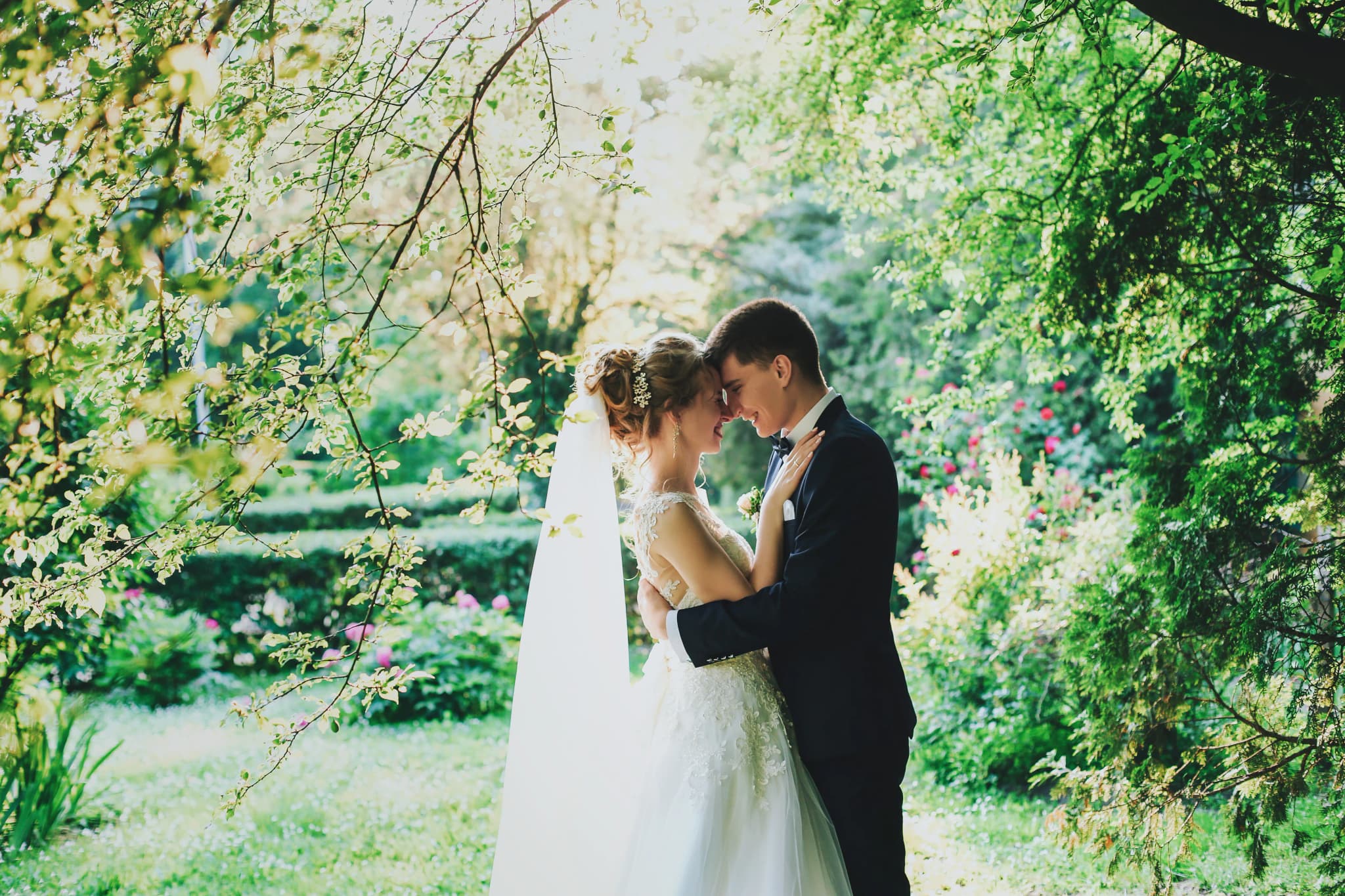
A "trash the dress" session — also called a "fearless bridal" or "day-after" shoot — is a creative portrait session where the bride (or couple) wears the wedding dress in an environment that risks damaging it: water, mud, paint, sand, or rain. The concept challenges the idea that the dress must be preserved perfectly and instead creates dramatic, liberating, one-of-a-kind images. This guide covers planning, locations, techniques, and how to pitch the session to clients.
What Is a Trash the Dress Session?
Originating in the mid-2000s, the trash-the-dress (TTD) concept started as an artistic rebellion against the tradition of dry-cleaning and boxing the wedding dress forever. Instead of the dress collecting dust in an attic, the couple uses it for one final, uninhibited creative session. Despite the name, the dress isn't always literally destroyed — many sessions involve water, which the dress survives and can still be cleaned. The point is freedom: the couple can jump, splash, roll, and play without worrying about keeping the dress pristine.
Popular Trash the Dress Locations
Beach and Ocean
The most popular TTD setting. The bride walks into the waves, the dress floating and billowing around her. Dramatic sunrise or sunset light reflects off the wet fabric. Crashing waves add energy and movement. The contrast between the elegant white dress and the raw power of the ocean is visually stunning.
Rivers and Waterfalls
Standing beneath a waterfall with the dress cascading in the flow — ethereal and powerful. Rivers provide shallower, safer water with the option of the couple wading together or lying in the shallows. The movement of the water through the fabric of the dress creates textures no studio setup can replicate.
Lake or Pond
Calmer water for a more serene mood. The dress fans out on the surface, creating a lily-pad effect. Reflections double the image. At golden hour, the light and the stillness produce painterly images.
Rain
Natural rain or artificial rain (garden hose, sprinkler system, or fire department assistance). The couple embraces in the downpour — dress clinging, hair wet, completely uninhibited. Backlit rain drops with an off-camera flash create a cinematic look.
Mud and Woodland
A muddy field, a forest after rain, or a river bank. The contrast of the white dress against dark earth and green moss is striking. This is the most "destructive" option — the dress will be difficult to restore — so ensure the bride is fully committed.
Paint or Powder
Throwing coloured powder (Holi powder) or splashing paint creates an explosion of colour against the white fabric. These sessions need fast shutter speeds to freeze the powder mid-air and work best against dark or neutral backgrounds.
Urban and Industrial
Graffiti walls, abandoned buildings, railway tracks (safely), and industrial yards provide gritty contrast to the bridal gown. The juxtaposition of elegance against decay creates editorial-style imagery.
Planning the Session
Timing
Most TTD sessions happen 1-7 days after the wedding, while the emotional high is still fresh. Some couples schedule them weeks or months later, especially if the session involves travel. Anniversary TTD sessions are also popular.
Dress Considerations
Have an honest conversation: the dress may be damaged, stained, or permanently altered. Some brides use their actual wedding dress; others buy a second-hand or sample dress specifically for the session. If using the real dress, recommend the session happens after any planned preservation or display. Some brides attach sentimental significance to "setting the dress free" — it's a meaningful act for them.
Safety
Water sessions involve real risk. Wet fabric is heavy — a soaked wedding dress can weigh several kilograms more than a dry one, restricting movement. Assess water depth, currents, and underwater hazards before the session. Never have the bride go deeper than waist height in moving water. Have towels, dry clothing, and a warm-up plan for after. Check water quality — avoid polluted rivers or stagnant ponds. For ocean sessions, understand the tides and never turn your back on the sea. Consider having a safety assistant present.
Hair and Makeup
Professional hair and makeup is optional but recommended — particularly waterproof makeup if water is involved. Some brides opt for a more natural, stripped-back look that suits the wild energy of the session. Discuss the look in advance.
Photography Techniques
Shutter Speed
For freezing water splashes and movement: 1/500s to 1/2000s. For dreamy motion blur in water: 1/15s to 1/4s (requires a tripod or very steady hands). For powder throws: 1/1000s minimum to freeze individual particles.
Backlighting
Position the couple with the sun behind them. Backlit water droplets glow, wet fabric becomes translucent and ethereal, spray becomes a halo of light. Golden hour backlighting is the single most flattering light for TTD sessions.
Off-Camera Flash
A speedlight or strobe positioned to the side or behind the couple separates them from the background, freezes water droplets, and adds drama. In rain or spray, backlit flash makes every droplet glow individually.
Underwater Photography
For pool or calm water sessions, an underwater housing transforms the session into something truly extraordinary — the dress billowing beneath the surface, hair floating weightlessly, the couple submerged in an otherworldly environment. This requires specialised equipment, clear water, and a safety briefing.
Pitching the Session to Clients
Not every bride will want a trash-the-dress session. Present it as an option — show example images, explain the concept, and let them decide. Frame it positively: "It's a celebration of the dress and the marriage, creating images that are bold, fun, and completely unique." Some brides are immediately excited; others need time to warm to the idea. Never pressure — the session only works when the couple is genuinely enthusiastic.
Equipment Protection
Your camera gear is at risk during TTD sessions. Use weather-sealed camera bodies and lenses. Carry a rain cover or use a plastic bag with a hole for the lens hood. Bring lens cloths to wipe spray and splashes continuously. For ocean sessions, a UV filter protects the front element from salt spray — cheaper to replace a filter than a lens. Keep a dry bag nearby for backup gear.
Trash the dress isn't about destruction — it's about freedom, confidence, and creating images that could only exist in that moment.
Daring, beautiful, and completely yours. View creative portrait sessions.