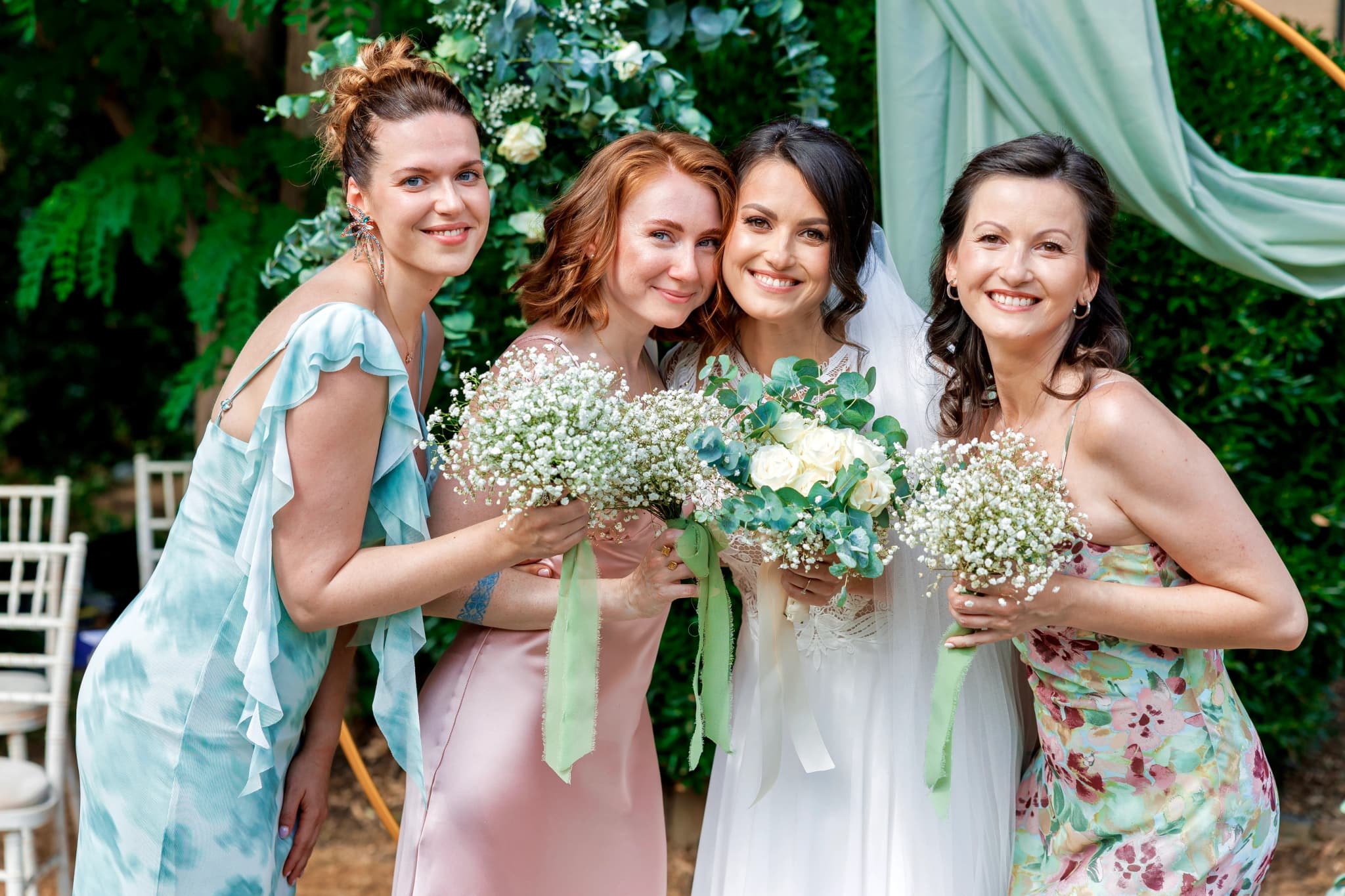
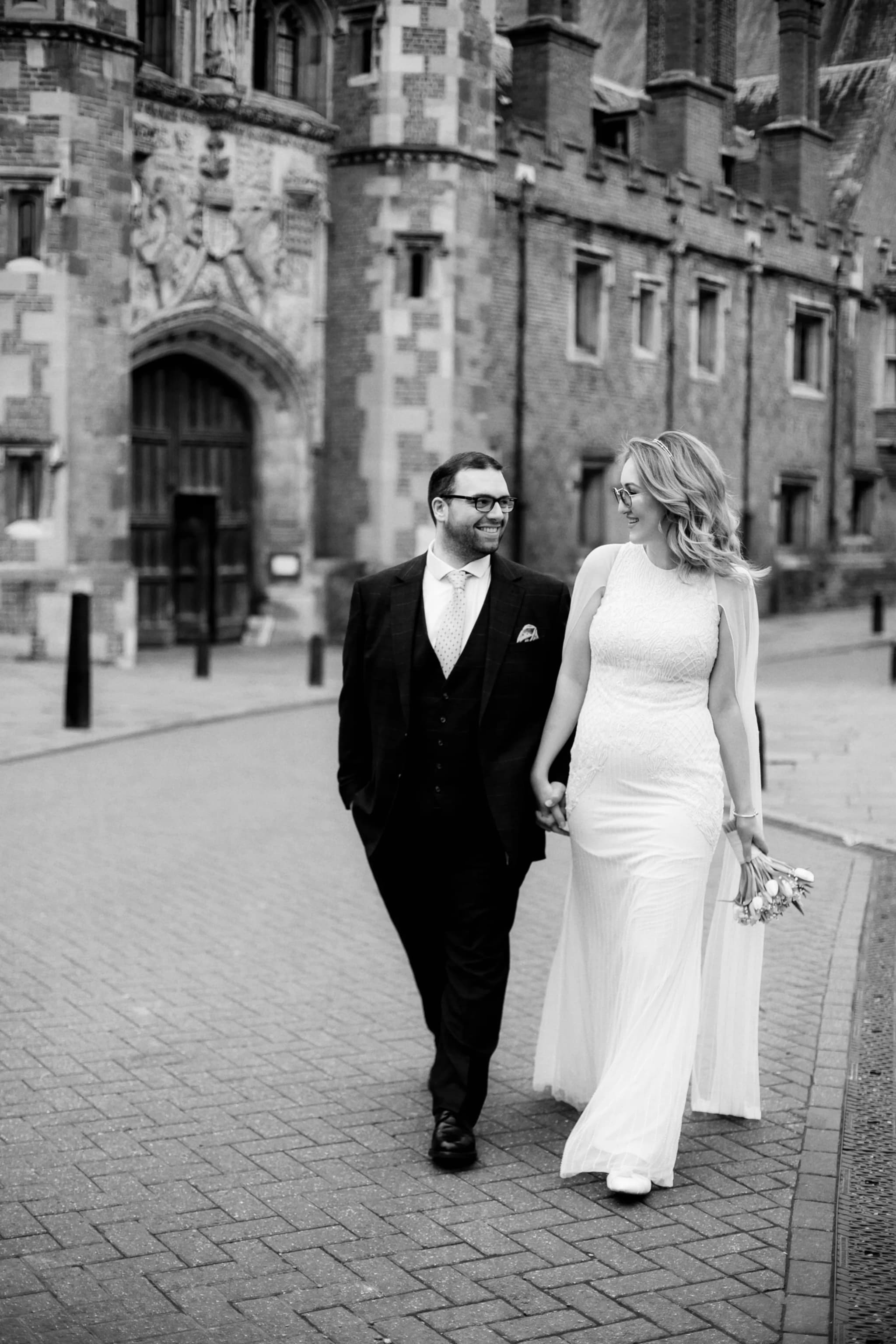
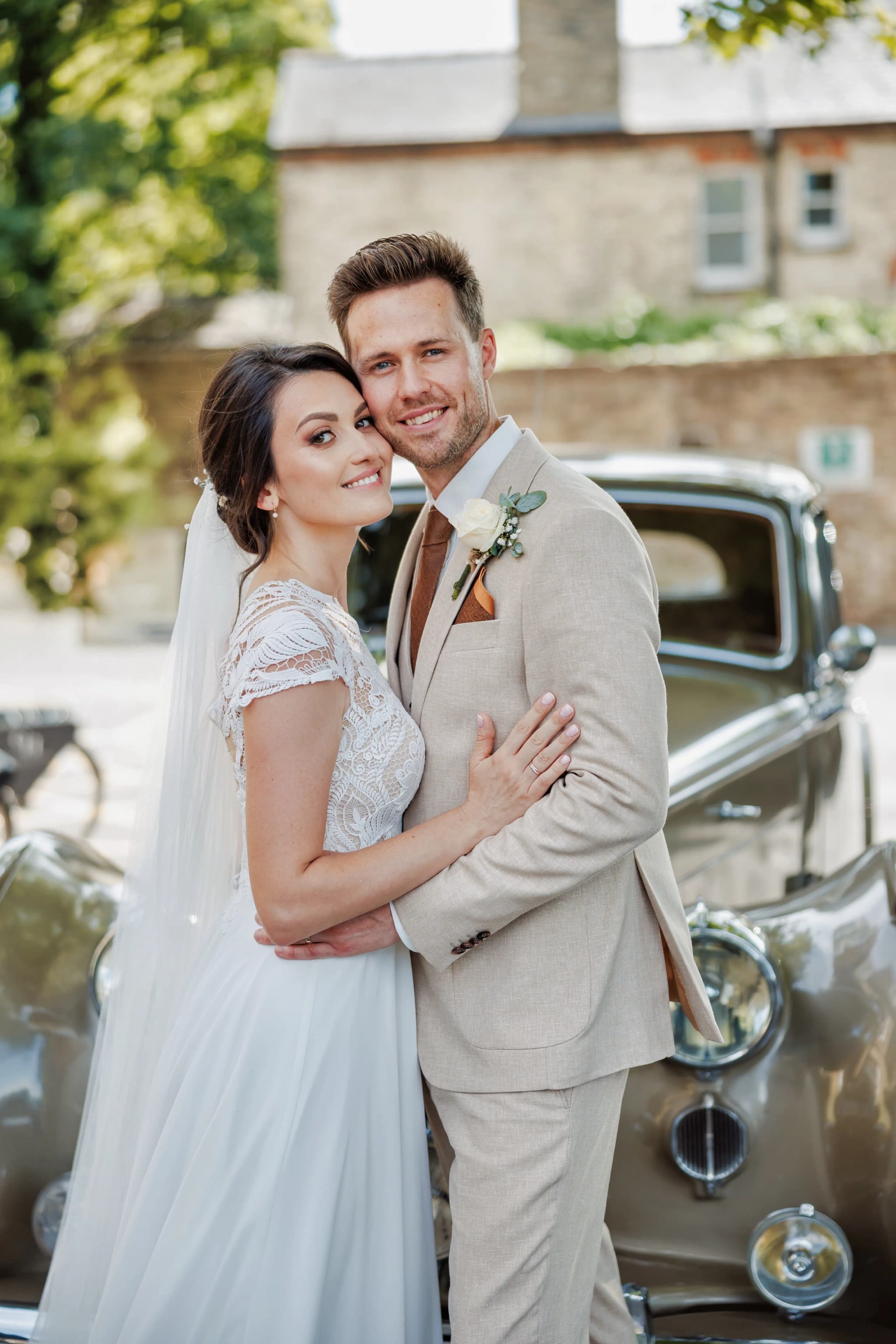
A sustainable wedding prioritises environmental responsibility without sacrificing beauty, meaning, or celebration. From venue selection and catering to floristry, fashion, and photography, every element can be chosen with ecological impact in mind. Increasing numbers of UK couples are making sustainability a core value of their wedding planning. This guide covers practical strategies across every aspect of a wedding, with a focus on how photography can document and celebrate these conscious choices.
Venue Selection
The venue is the single largest factor in a wedding's carbon footprint — primarily through guest travel. Choosing a local venue reduces the collective driving distance. Venues with sustainability credentials — solar panels, rainwater harvesting, organic grounds, green building certifications — align with eco-conscious values. Outdoor venues (gardens, farms, woodland) require less energy for lighting and climate control than large heated or air-conditioned halls.
Reception and ceremony at the same location eliminates travel between sites. Venues near public transport links make it easier for guests to avoid driving.
Sustainable Catering
- Seasonal, local produce: food sourced from local farms has lower transport emissions and supports the local economy. Seasonal menus taste better and cost less than out-of-season imports.
- Plant-forward menus: plant-based dishes have a significantly lower carbon footprint than meat. A vegetarian or vegan menu — or offering it as a prominent option — reduces the environmental impact substantially.
- Minimise food waste: accurate guest counts, appropriately sized portions, and arrangements with food banks or shelters to redistribute uneaten food.
- Reusable tableware: avoid single-use plastics. Hire real crockery, glassware, and linen.
- Ethical drinks: organic, biodynamic, or locally produced wines, spirits, and beers.
Sustainable Floristry
The conventional flower industry relies heavily on imported blooms flown from Kenya, Colombia, and the Netherlands — with significant carbon emissions and questionable labour practices. Sustainable alternatives:
- British-grown flowers: sourced from UK flower farms. Seasonal availability means spring weddings feature tulips and ranunculus; summer weddings offer dahlias and sweet peas; autumn brings chrysanthemums and asters.
- Foraged and garden flowers: wildflowers, hedgerow greenery, and garden-grown blooms arranged naturally.
- Dried flowers: zero-waste, last indefinitely, and require no water or refrigeration. Dried bouquets and installations suit boho and rustic aesthetics perfectly.
- Living plants: potted herbs, succulents, or small plants as centrepieces — guests take them home and continue growing them.
- Flower donation: after the wedding, donate arrangements to hospitals, care homes, or places of worship.
Sustainable Fashion
The Wedding Dress
The fashion industry is one of the world's largest polluters. Sustainable bridal options include: pre-loved or vintage dresses (from specialist platforms like Stillwhite or Hardly Ever Worn It), rental dresses, designers who use organic or recycled fabrics, and having a dress made by a local seamstress from sustainable materials. After the wedding, sell, donate, or repurpose the dress rather than boxing it in the attic.
Suits and Accessories
Hire rather than buy suits. Choose items that can be worn again beyond the wedding. Support ethical and sustainable fashion brands for accessories, underwear, and shoes.
Stationery and Invitations
- Digital invitations: platforms like Paperless Post eliminate paper waste entirely.
- Recycled paper: if you prefer physical invitations, use recycled or FSC-certified paper with vegetable-based inks.
- Seed paper: invitations printed on paper embedded with wildflower seeds — guests plant them after the wedding.
- Minimise inserts: direct guests to a wedding website for details rather than printing multiple information cards.
Wedding Rings
Recycled gold and lab-grown diamonds are environmentally and ethically superior to newly mined materials. Vintage and antique rings carry history and eliminate new mining entirely. Fairtrade gold certification ensures responsible sourcing.
Transport
- Hire a coach or minibus for guests to reduce individual car journeys.
- Encourage carpooling on the wedding website.
- Choose a venue walkable from guest accommodation.
- Arrive in an electric vehicle or vintage car (no new production emissions).
- Consider carbon offsetting for unavoidable travel.
Favours and Gifts
Skip plastic-packaged favours. Sustainable alternatives: homemade jams or baked goods, seed packets, potted plants, charitable donations in guests' names, or nothing at all — many guests prefer no favour to a plastic trinket that gets thrown away.
Photography and Sustainability
Photography itself has a relatively low environmental footprint, but there are considerations:
- Digital delivery: online galleries eliminate the need for printed proofs. Clients choose prints they truly want rather than receiving bulk printed albums.
- Sustainable albums: choose album companies that use FSC-certified paper, recycled materials, and eco-friendly packaging.
- Local photographers: hiring a photographer near the venue reduces travel emissions. A Cambridge photographer for a Cambridge wedding makes ecological (and practical) sense.
- Document the sustainability: photograph the eco-friendly details — the locally sourced flowers, the seed-paper stationery, the vintage dress, the electric vehicle. These images tell the story of the couple's values.
A sustainable wedding proves that environmental responsibility and breathtaking celebration are not mutually exclusive.
Beautiful, considered, and conscious — captured with care. See sustainable wedding photography.