Yana Skakun
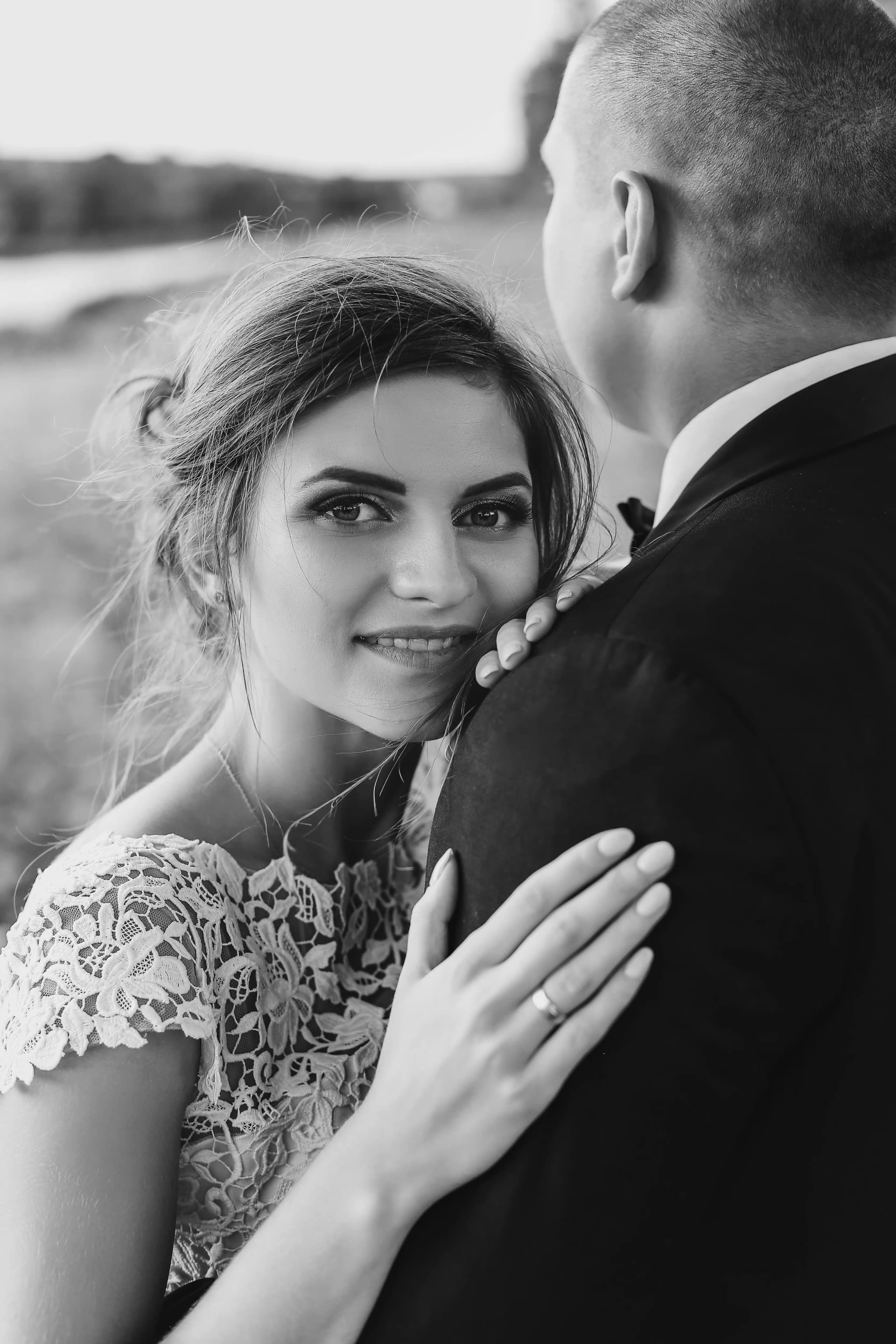
Coe Fen Cambridge: Wild Meadow Engagement Photography at Sunrise
By Yana Skakun·2 April 2026·7 min read
Coe Fen is Cambridge's secret — a wild common land south of the Botanic Garden where the River Cam divides into multiple channels, cattle graze the open meadows, and at sunrise the mist sits so still over the water that the whole world seems to pause. For engagement photography, Coe Fen offers something the more famous Backs simply cannot: genuine solitude, raw natural beauty, and light that is, on the right morning, extraordinary. Most visitors to Cambridge never find their way here, which is exactly what makes it valuable for photographs that feel personal rather than like a tourist postcard.
Where Coe Fen Actually Is
Coe Fen sits just south of the city centre, bordered by Fen Causeway to the north, the river and Sheep's Green to the west, and Lammas Land towards Newnham. It is a five-minute walk from the Mill Pond and the busy punt station near Silver Street, yet it feels like a different world entirely — open grazing meadow instead of college architecture, cattle instead of tourists, and a landscape that has barely changed in character for centuries even as the city has grown around it. This proximity to the centre is part of what makes it so useful: couples can have a formal college backdrop and the wild openness of Coe Fen within the same twenty-minute walk, without needing to drive anywhere or plan a second location entirely.
The land itself is common grazing ground, which means cattle are genuinely present for much of the year, wandering freely across the meadow. Far from being a complication, this is one of Coe Fen's most distinctive features photographically — a couple walking hand in hand with grazing cattle silhouetted in the background produces an image that looks nothing like conventional Cambridge wedding photography, and nothing like anywhere else in the city centre. The Cam itself splits into several smaller channels as it crosses the fen, each with its own character, from narrow tree-lined stretches to wider open water near the main crossings.
Sunrise at Coe Fen
The single best time to photograph at Coe Fen is sunrise, ideally in spring or autumn when low mist lingers over the channels and the air is still enough that the water turns to glass. At six in the morning on a clear April day, Coe Fen is almost otherworldly: grazing animals visible only as shapes in the distance, water mirroring a sky moving through pink and gold, and the university buildings barely visible on the horizon beyond the trees. Couples willing to set an alarm for half past five are rewarded with images that look nothing like the standard Cambridge wedding photograph, largely because almost nobody else is awake to see it, let alone photograph it.
Mist is the specific reason spring and autumn sunrise sessions here are worth the early start. Cold air settling over the slightly warmer water of the Cam produces a low mist that can sit for twenty or thirty minutes after sunrise before the sun burns it off, and during that window the light comes through as a soft, diffused gold that is almost impossible to recreate at any other time of day. Because Coe Fen is open meadow rather than a wooded or built-up area, that mist has room to spread and settle rather than being broken up, which is part of why the effect here is more dramatic than at most other riverside spots in Cambridge.
Practically, a sunrise session means arriving while the city is still quiet — the walk in from Fen Causeway or across from Lammas Land at that hour has almost no one else on it, which matters both for the sense of privacy in the images and for the simple logistics of being able to move freely across the meadow without navigating around other people. I always check sunrise times and weather forecasts closely in the days before a planned session here, since a clear, still, cold morning is what produces the mist, and a cloudy or breezy one will not.
The Iron Footbridge and the Channels
The iron footbridge at Silver Street, and the network of minor channels around Sheep's Green just to the west, provide some of the best framing elements and compositional anchors on the fen. Standing on the bridge looking upstream, the channels converge towards a line of willows that lean out over the water; looking downstream, the open fen unfolds ahead, wide and unbroken. A session that moves between the bridge, the riverbank, and the open meadow produces natural variety in a short space, without ever needing to leave the immediate area or account for extra travel time between locations.
The willows along the banks here are particularly useful in early summer, when their branches trail low enough over the water to create a natural frame around a couple standing beneath them, and in autumn, when their colour shifts to a deep gold that works beautifully against the still-green meadow grass. The channels themselves vary in width and character enough that a single session can include a narrow, intimate stretch of water with overhanging trees and, a hundred metres further on, a wide open view across the fen towards the city skyline, giving genuine visual range without sacrificing the sense of place that makes Coe Fen distinctive.
A note on planning a Coe Fen session
Coe Fen rewards a little planning — the best light depends on season, tide of mist, and a genuinely early start — but it is one of my favourite locations in Cambridge precisely because so few couples know to ask for it. If you would like something quieter and wilder than the Backs, this is worth a conversation.
Get in touch about a Coe Fen sessionEvening Light in Summer
While sunrise is the peak experience at Coe Fen, summer evenings here are also genuinely beautiful and considerably easier to arrange than a five-thirty start. The long golden light after seven in the evening through June and July sits low across the meadow, catching the cattle on the ridge in silhouette and turning the river channels a deep amber. There is a pastoral quiet to Coe Fen in the evening that is startling given how close it sits to a busy city centre — punts still moving on the main river a few hundred metres away, but the fen itself calm and largely empty.
Evening sessions here work particularly well as an add-on to a Cambridge wedding day where the ceremony took place at one of the colleges. Couples who have spent the day surrounded by guests, formal architecture, and a tightly managed schedule often find real value in twenty or thirty quiet minutes at Coe Fen once the formalities are done — a chance to actually be together for a few minutes rather than performing for a crowd, with the meadow and the low evening light doing most of the work. It is a markedly different mood to the college portraits taken earlier in the day, and couples often tell me afterwards that these are the images they return to most.
Weather plays a bigger role at Coe Fen in the evening than it does at sunrise, since a clear sky is what produces the long, low, golden light that makes the session worthwhile. An overcast summer evening will still produce perfectly usable, soft images, but it will not have the particular warmth that a clear evening delivers, so if flexibility on the date is possible, I always try to align the session with the most promising forecast.
What to Wear and Practical Notes
Coe Fen is genuine grazing meadow, not a manicured park, so practical footwear matters more here than at most Cambridge locations. The ground can be uneven and, particularly near the channels, genuinely damp underfoot even in summer, so flat shoes or boots are worth choosing over heels or anything delicate. Clothing that works well against open meadow and water tends to be soft and natural in tone — creams, sage greens, warm neutrals, and muted blues all sit comfortably against the grass and the sky, while very bright or heavily patterned clothing can compete with a backdrop that is already doing a great deal of visual work on its own.
Because Coe Fen is common land with grazing cattle present for much of the year, it is worth being sensible and unhurried around the animals rather than approaching too closely, though in practice they tend to be entirely indifferent to a couple walking past at a reasonable distance. Early mornings can be genuinely cold even in late spring, so a warm layer that can be removed once the sun is properly up is worth bringing along, particularly if mist is part of the plan.
Coe Fen at sunrise is one of Cambridge's most extraordinary and least-known photography locations, and it remains one I return to often precisely because it offers something the college backdrops cannot: real space, real quiet, and light that changes completely depending on the morning you catch it. Whether you are drawn to the mist and stillness of an early spring sunrise or the long golden calm of a summer evening after a college wedding, it is a location worth building into your engagement or wedding photography plans. If you would like to talk through timing, season, and what would work best for you, get in touch and we can plan a session around it.

Yana Skakun
Photographer · England
Professional wedding, family and portrait photographer based in England. Passionate about capturing authentic emotions and timeless moments.
About Yana →Coe Fen Cambridge photosengagement shoot Coe Fen CambridgeCambridge wild meadow photographysunrise engagement CambridgeCoe Fen Cambridge engagement session
Photography Tips — Professional Photography in Cambridge & England
Yana Skakun is a professional photographer based in Cambridge, specialising in wedding, family, and portrait photography across England. Every session is personal — planned around your story, your people, and the moments that matter most. This guide — Coe Fen Cambridge: Wild Meadow Engagement Photography at Sunrise — is part of the photography journal: practical, experience-based advice drawn from real sessions across England. Whether you arrived searching for coe fen cambridge photos or engagement shoot coe fen cambridge, the same care and attention shapes every session Yana photographs.
Professional Photography sessions are available year-round, with bookings open across Cambridge, Ely, Huntingdon, Peterborough, and further afield — East England, London, the Midlands, and beyond. If you have specific questions about cambridge wild meadow photography, mention it in your enquiry. Get in touch through the contact form above to check availability and discuss your session. Enquiries are welcomed from anywhere in the UK.
Frequently Asked Questions
What camera settings should I use for outdoor portraits?+
For outdoor portraits, shoot in aperture priority mode. Use a wide aperture (f/1.8–f/2.8) to blur the background and isolate your subject. Keep ISO as low as possible in good light. In bright conditions, use a neutral density filter or switch to manual to avoid overexposure at wide apertures.
What is the golden hour in photography?+
Golden hour is the period roughly 30–60 minutes after sunrise and before sunset. The sun is low in the sky, producing warm, soft, directional light that flatters skin tones and creates beautiful long shadows. It's widely considered the best natural light for portrait and outdoor photography.
How do you get sharp photos in low light?+
In low light, increase your ISO (accepting some grain), use the widest aperture your lens allows, and slow your shutter speed to the slowest you can hand-hold without camera shake (roughly 1/focal length as a guide). Use image stabilisation if available, and consider a tripod for static subjects.
What is the rule of thirds in photography?+
The rule of thirds divides the frame into a 3×3 grid. Placing your subject on one of the four intersection points — rather than dead centre — creates a more dynamic, visually interesting composition. It's a guideline, not a rule: some of the most powerful images break it deliberately.
How do you edit photos to look professional?+
Professional editing starts with shooting in RAW format. In Lightroom or similar software, correct exposure, white balance, and contrast first. Recover shadow and highlight detail. Apply gentle colour grading for mood. Be conservative with skin retouching — the goal is natural enhancement, not transformation. Consistency across a set of images is what separates professional from amateur editing.
Continue Reading
Related Articles

Photography Tips
Photography Gift Vouchers: The Most Personal Present You Can Give
5 min read · Read Article
Photography Tips
Photo Books vs Photo Albums: What Is the Difference and Which Is Better?
5 min read · Read Article
Photography Tips
Photo Gift Ideas: Turning Professional Images into Meaningful Presents
5 min read · Read Article
Get in Touch
Ready to Book Your Session?
Get in touch to discuss your vision — I'll reply within 24 hours.