Yana Skakun
Photography and Self-Confidence: How a Session Can Change How You See Yourself
By Yana Skakun·31 March 2026·6 min read
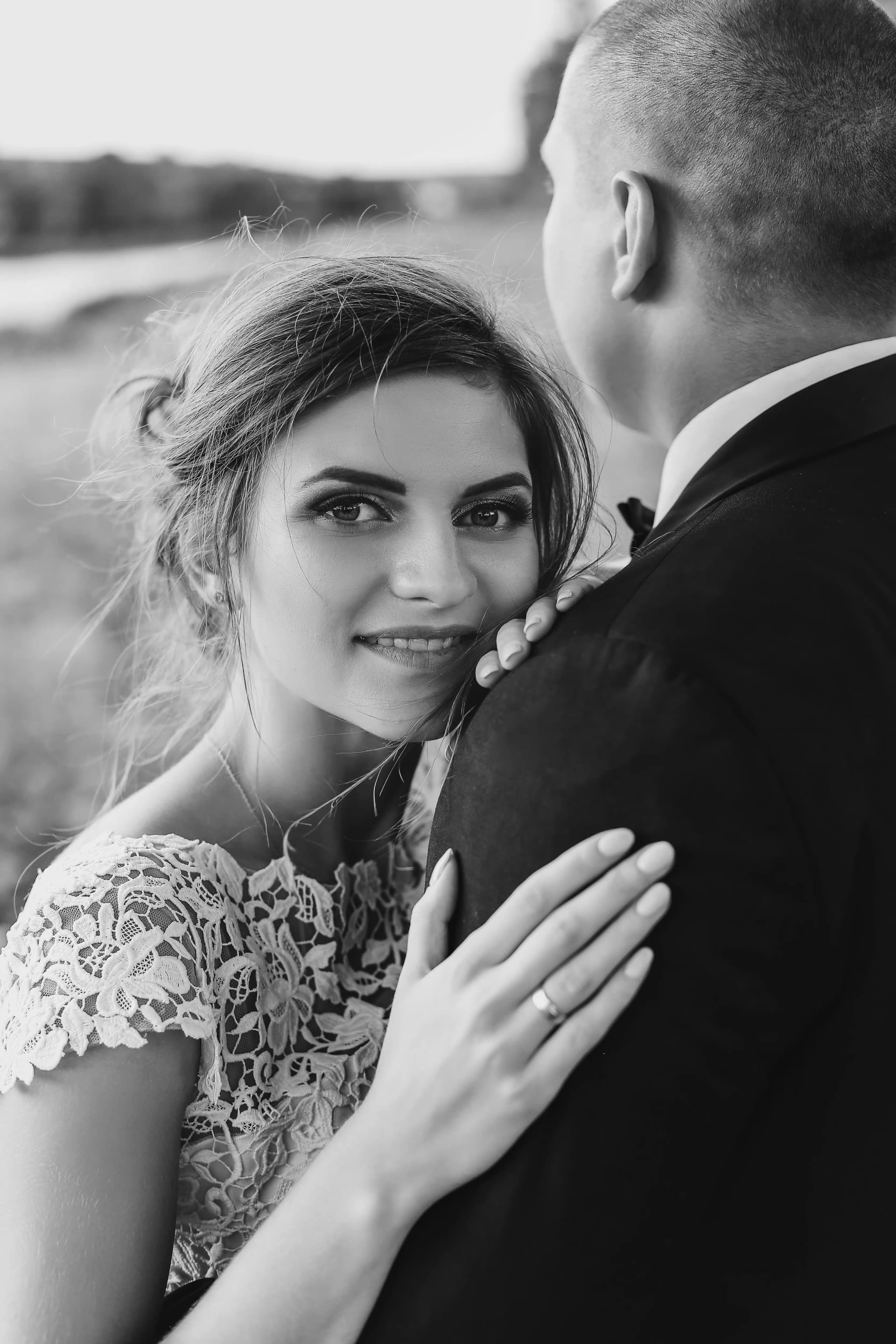
Most people who book a portrait session say some version of the same thing beforehand: "I'm not very photogenic." I hear it from almost everyone, regardless of age, background, or how they actually look in person. Almost all of them say something different afterwards. Being well-photographed — by someone who takes the time to see you carefully, uses light intentionally, and gives you room to settle into the experience — produces images that are genuinely surprising to look at, in the best way. This gap between how people expect to look in photographs and how they actually look once someone photographs them properly is one of the most consistent things I see in my work, and it is worth understanding, because it affects whether people ever let themselves be photographed at all.
Why So Many People Dislike Photos of Themselves
There is a genuine psychological explanation for why most of us recoil slightly at photographs of ourselves, and it has nothing to do with how we actually look. We are used to seeing ourselves in mirrors, which show a reversed image, and we see that reversed version dozens of times a day. A photograph shows the true, unreversed version, which is unfamiliar even though it is more accurate. This is called the mere-exposure effect in psychology, and it means the mirror version genuinely feels more like "us" even though it is the one other people never see.
On top of that, most of the photographs people have of themselves are taken in the worst possible conditions for flattering results: overhead fluorescent lighting in an office, a phone held at an unflattering angle, a candid snap taken mid-sentence by a friend. Phone cameras with wide-angle lenses distort faces when held close, exaggerating the nose and narrowing the eyes in ways that a proper portrait lens simply does not. None of this is really about how someone looks. It is about the accumulated weight of years of bad lighting, bad angles, and bad lenses creating a mental catalogue of unflattering images that gets mistaken for the truth.
This matters practically because it means the anxiety people feel before a session is rarely really about their appearance. It is about a lifetime of evidence built from technically poor photographs. Once you understand that, the fix becomes obvious: better light, a better lens, and someone who knows how to use both changes the evidence entirely, and often within the first few frames of a session.
What Actually Changes During a Session
The first ten minutes of almost any portrait session are stiff. People stand with their arms crossed, they are unsure what to do with their hands, and their smile looks held rather than felt. I expect this and build time for it into every session, because it is not wasted time — it is the transition from feeling watched to feeling comfortable, and it happens for nearly everyone regardless of confidence level or how many times they have been photographed before.
The turning point usually comes from being given something specific to do rather than being asked to pose. "What do I do with my face" is one of the most common things people say to me in the opening minutes, and it comes from being asked to simply smile at a camera with no context, which is an oddly unnatural thing to be asked to do. Clear, concrete direction — walk towards me slowly, look over your shoulder at that tree, laugh at whatever your partner just whispered — replaces performing with doing, and doing photographs far better than performing ever does.
Showing people an image partway through a session changes the rest of the shoot completely. I often turn the camera round after the first ten minutes and let someone see a genuinely good photograph of themselves. The shift in body language after that moment is immediate and visible — shoulders drop, the held smile relaxes into something real, and people stop monitoring themselves so closely. By the time edited images arrive by gallery, the most common reaction I hear is some version of "I look like that?" It is rarely vanity. It is surprise at the gap between the mental image someone has carried for years and what a camera, used well, actually shows.
The Concerns People Bring, and What Usually Happens
"I need to lose weight first" is one of the most common things I hear before a booking, and it is also one of the easiest to address honestly: bodies look completely different depending on distance, angle, posture, and light. A slight change in camera height or the direction someone is facing changes the entire read of a body in a frame. This is not about trickery — it is about the fact that a static idea of "how I look" does not account for how much control a photographer has over presenting someone accurately and generously in the same frame.
Specific feature concerns — a nose, a jawline, a scar, the effects of an illness or a difficult year — come up often, and they are always worth naming out loud before a session rather than leaving unspoken. Knowing what someone is self-conscious about means I can choose angles and light that work with a face rather than against it, without ever making the session feel like damage control. Documentary and natural-light photography, in particular, tends to be forgiving here because it relies on genuine expression and movement rather than static, front-on posing, which is usually where insecurities feel most exposed.
"I won't like the results" is the concern most consistently disproven by experience. Ironically, the sessions that feel most awkward in the moment — where someone is clearly nervous, apologising for their face, unsure where to look — often produce the strongest images, because working through that discomfort together produces genuine, unguarded expressions rather than a fixed camera-ready face. The awkwardness is part of the process, not a sign that the session is going badly.
A note on camera-shy clients
If you have avoided being photographed for years, or you have a specific reason you feel nervous about a session, tell me beforehand. It genuinely changes how I plan the time we spend together, and there is no such thing as an unusual request when it comes to feeling comfortable in front of a camera.
Get in touch about a portrait sessionHow a Documentary, Natural-Light Approach Helps
Documentary-style photography is built around capturing what is actually happening rather than constructing a scene from scratch, and this matters enormously for how comfortable people feel in the resulting images. Instead of a rigid pose held for several seconds while a photographer checks settings, a documentary approach follows movement, conversation, and genuine reaction. The camera adapts to the person rather than the other way round, which means the resulting photographs look like moments rather than performances.
Natural light does a huge amount of the flattering work here as well. Soft, indirect daylight — through a north-facing window, in the shade of a tree, during the low sun of early morning or late afternoon — wraps around a face evenly rather than casting the harsh, unflattering shadows of direct sun or on-camera flash. It is far more forgiving of skin texture, under-eye shadows, and the small asymmetries every face has, which are the details people tend to fixate on when they see a badly lit photograph of themselves.
Combining the two means people end up photographed in a way that resembles how they actually look and move through the world, rather than a stiff, artificial version of themselves. This is often what produces the most emotional reaction to a gallery — not because the images are unrecognisable, but because they are recognisable in a way people had almost forgotten was possible from a camera.
Who Books Confidence-Focused Portrait Sessions
People who have never had a professional portrait taken as an adult make up a large proportion of my confidence-focused bookings. Many have avoided it deliberately for years, often since a school photo or an old passport picture they have never liked. There is something quietly significant about finally having a photograph of yourself as an adult that you are happy to look at, sometimes for the first time in decades.
People returning to themselves after pregnancy, illness, weight change, or a long period of putting everyone else's needs ahead of their own also come to these sessions, often at a point of wanting to reclaim some sense of how they look and feel, on their own terms. Others are marking a milestone — a fortieth or fiftieth birthday, a recovery, a new chapter — and want a photograph that reflects who they are now rather than relying on old images from years earlier. All of these reasons are legitimate, and none of them require a person to feel fully confident before they book. Confidence, in my experience, tends to arrive during the session rather than being a prerequisite for it.
If you have been putting off having your photograph taken because you do not think you are photogenic, that feeling is far more common than you would expect, and it rarely survives a session done properly, with good light, clear direction, and the time to relax into it. If any of this resonates and you would like to talk through what a session might look like for you, get in touch and we can start with a conversation, no commitment required.

Yana Skakun
Photographer · England
Professional wedding, family and portrait photographer based in England. Passionate about capturing authentic emotions and timeless moments.
About Yana →confidence photographyphotoshoot for self confidenceempowering portrait session ukphotography self image boost
Photography Tips — Professional Photography in Cambridge & England
Yana Skakun is a professional photographer based in Cambridge, specialising in wedding, family, and portrait photography across England. Every session is personal — planned around your story, your people, and the moments that matter most. This guide — Photography and Self-Confidence: How a Session Can Change How You See Yourself — is part of the photography journal: practical, experience-based advice drawn from real sessions across England. Whether you arrived searching for confidence photography or photoshoot for self confidence, the same care and attention shapes every session Yana photographs.
Professional Photography sessions are available year-round, with bookings open across Cambridge, Ely, Huntingdon, Peterborough, and further afield — East England, London, the Midlands, and beyond. If you have specific questions about empowering portrait session uk, mention it in your enquiry. Get in touch through the contact form above to check availability and discuss your session. Enquiries are welcomed from anywhere in the UK.
Frequently Asked Questions
What camera settings should I use for outdoor portraits?+
For outdoor portraits, shoot in aperture priority mode. Use a wide aperture (f/1.8–f/2.8) to blur the background and isolate your subject. Keep ISO as low as possible in good light. In bright conditions, use a neutral density filter or switch to manual to avoid overexposure at wide apertures.
What is the golden hour in photography?+
Golden hour is the period roughly 30–60 minutes after sunrise and before sunset. The sun is low in the sky, producing warm, soft, directional light that flatters skin tones and creates beautiful long shadows. It's widely considered the best natural light for portrait and outdoor photography.
How do you get sharp photos in low light?+
In low light, increase your ISO (accepting some grain), use the widest aperture your lens allows, and slow your shutter speed to the slowest you can hand-hold without camera shake (roughly 1/focal length as a guide). Use image stabilisation if available, and consider a tripod for static subjects.
What is the rule of thirds in photography?+
The rule of thirds divides the frame into a 3×3 grid. Placing your subject on one of the four intersection points — rather than dead centre — creates a more dynamic, visually interesting composition. It's a guideline, not a rule: some of the most powerful images break it deliberately.
How do you edit photos to look professional?+
Professional editing starts with shooting in RAW format. In Lightroom or similar software, correct exposure, white balance, and contrast first. Recover shadow and highlight detail. Apply gentle colour grading for mood. Be conservative with skin retouching — the goal is natural enhancement, not transformation. Consistency across a set of images is what separates professional from amateur editing.
Continue Reading
Related Articles

Photography Tips
Photography Gift Vouchers: The Most Personal Present You Can Give
5 min read · Read Article
Photography Tips
Photo Books vs Photo Albums: What Is the Difference and Which Is Better?
5 min read · Read Article
Photography Tips
Photo Gift Ideas: Turning Professional Images into Meaningful Presents
5 min read · Read Article
Get in Touch
Ready to Book Your Session?
Get in touch to discuss your vision — I'll reply within 24 hours.