Yana Skakun

The Best Cornwall Beach Wedding Photography Spots
By Yana Skakun·10 June 2026·6 min read
Every spring a handful of my couples ask me the same thing: where in Cornwall can we actually get married on a beach and have the photographs to match? After years of driving down from Cambridge with a boot full of cameras, I've learned that the county's magic isn't evenly spread. The best Cornwall beach wedding photography spots reward couples who know which coves catch the light, which cliffs frame a veil in the wind, and which tides will quietly ruin a portrait session if you ignore them.
Cornwall is a long way from my home turf in Cambridgeshire, but that distance is exactly why it feels so special on a wedding day. The flat fenland skies I usually shoot under give way to granite headlands, turquoise water and light that bounces off the Atlantic like nothing else in the UK. Below are the spots I return to again and again, with the practical detail you need to plan around them rather than just pretty names on a map.
Porthcurno and the Minack Headland
If you only have time for one location, make it Porthcurno. The beach sits below the famous Minack Theatre, and the combination of pale sand, vivid water and dramatic cliffs is hard to beat anywhere in England. I love shooting couples on the lower path between the theatre and the beach in the hour before sunset, when the granite glows warm and the crowds have thinned out.
The catch is access. The descent to the sand is steep, so I always warn brides about long trains and delicate heels before we commit to going all the way down. If the tide is high we stay on the cliff path, which actually gives cleaner backgrounds and that sweeping coastal skyline. Check the Penzance tide tables before you book a slot, because at high water the beach itself can disappear entirely.
Kynance Cove on the Lizard
Kynance Cove, on the Lizard Peninsula, is the spot people picture when they imagine a Cornish beach wedding. The serpentine rock stacks, the white sand and the impossibly clear water make every frame look like it's been colour-graded by hand. National Trust manages the site, so it stays beautifully unspoilt, but you'll want to arrive early as the car park is small and fills fast in summer.
Timing is everything here. The cove is tidal, and the most photogenic sand bars are only walkable for a couple of hours either side of low water. I plan portrait sessions around that window and keep the ceremony itself up near the cafe terrace, where the footing is reliable. The walk down is steep but manageable, and the reward is portraits that genuinely stop people scrolling.
My Shortlist of Coves and Cliffs
Beyond the headline names, a handful of smaller locations consistently deliver. These are the spots I suggest when a couple wants something a little quieter, or when the weather forces a change of plan on the day. Each one offers a different mood, so I often combine two within a short drive for variety across a single session.
- ◆Porthminster, St Ives: Soft golden sand and a sheltered aspect, ideal for relaxed portraits when the north coast is too windy.
- ◆Bedruthan Steps: Towering rock stacks and a wild Atlantic backdrop; stay on the clifftop for safety as the beach floods quickly.
- ◆Lusty Glaze, Newquay: A privately run cove that hosts ceremonies, with amphitheatre cliffs that shelter you from the breeze.
- ◆Sennen Cove: Wide open sand near Land's End, glorious for sunset silhouettes and confetti shots with room to move.
- ◆Polzeath: Gentle slope and big skies on the north coast, perfect for barefoot couples and golden-hour walks.
- ◆Pedn Vounder: A dramatic, secluded sandbar near Porthcurno for adventurous couples confident on a steep scramble down.
Reading the Cornish Light and Weather
Cornish weather is gloriously unpredictable, and I've learned to treat that as a feature rather than a fault. A bright overcast sky gives soft, even light that flatters skin and keeps everyone relaxed, while a moody bank of cloud rolling in off the Atlantic can produce some of the most atmospheric portraits of the whole day. I never cancel a coastal shoot for grey skies; I just adapt the plan.
The wind is the real variable to respect. North-coast beaches like Bedruthan and Polzeath can be breezy even on a calm-looking morning, which is wonderful for flowing veils but tricky for delicate updos. South-coast coves such as Kynance and Porthcurno tend to sit more sheltered. When I plan a day, I'll often shoot the sheltered cove early and save the exposed clifftop for that last golden hour, when the light forgives almost everything.
Planning the Logistics from the East
Travelling down from Cambridgeshire, I know first-hand how far Cornwall feels, and that distance shapes how I advise couples. The drive is long, so I always build in a scouting evening the day before to check access, parking and the exact tide window. It means I arrive on your wedding day already knowing which path is safe and where the light will land.
Do check whether your chosen cove allows ceremonies or only photography; some beaches are managed by the National Trust or run privately, and rules vary. For couples coming from Suffolk, Cambridge or anywhere across the east of England, a Cornish coastal wedding is a proper journey, but it gives you scenery you simply cannot replicate at home. With the right spot and a tide chart in hand, the photographs more than justify the miles.
Dreaming of a Cornish coastal wedding?
I travel from Cambridge across the UK and would love to plan your coves, cliffs and tide windows with you. Tell me your date and the part of Cornwall that has your heart.
Check Your Date →

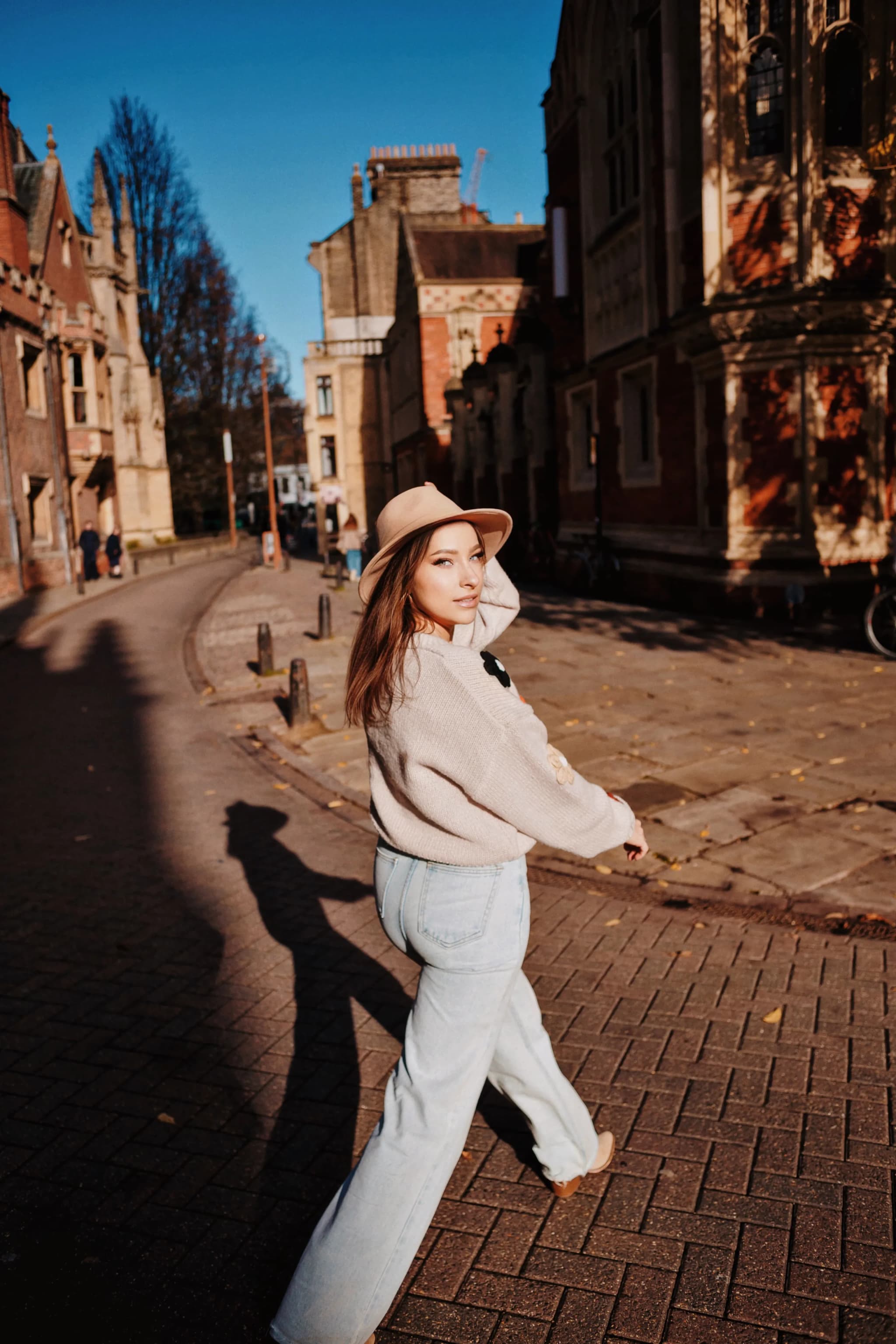

Yana Skakun
Photographer · England
Professional wedding, family and portrait photographer based in England. Passionate about capturing authentic emotions and timeless moments.
About Yana →cornwallbeachweddingphotography
Photography Guide — Professional Photography in Cambridge & England
Yana Skakun is a professional photographer based in Cambridge, covering weddings, families, and portraits across England. Every session is personal — planned around your story, your people, and the moments that matter most. This guide — The Best Cornwall Beach Wedding Photography Spots — is part of the photography journal: practical, experience-based advice drawn from real sessions across England. Whether you arrived searching for cornwall or beach, the same care and attention shapes every session Yana photographs.
Professional Photography sessions are available year-round, with bookings open across Cambridge, Ely, Huntingdon, Peterborough, and further afield — East England, London, the Midlands, and beyond. If you have specific questions about wedding, mention it in your enquiry. Get in touch through the contact form above to check availability and discuss your session. Enquiries are welcomed from anywhere in the UK.
Frequently Asked Questions
What camera settings should I use for outdoor portraits?+
For outdoor portraits, shoot in aperture priority mode. Use a wide aperture (f/1.8–f/2.8) to blur the background and isolate your subject. Keep ISO as low as possible in good light. In bright conditions, use a neutral density filter or switch to manual to avoid overexposure at wide apertures.
What is the golden hour in photography?+
Golden hour is the period roughly 30–60 minutes after sunrise and before sunset. The sun is low in the sky, producing warm, soft, directional light that flatters skin tones and creates beautiful long shadows. It's widely considered the best natural light for portrait and outdoor photography.
How do you get sharp photos in low light?+
In low light, increase your ISO (accepting some grain), use the widest aperture your lens allows, and slow your shutter speed to the slowest you can hand-hold without camera shake (roughly 1/focal length as a guide). Use image stabilisation if available, and consider a tripod for static subjects.
What is the rule of thirds in photography?+
The rule of thirds divides the frame into a 3×3 grid. Placing your subject on one of the four intersection points — rather than dead centre — creates a more dynamic, visually interesting composition. It's a guideline, not a rule: some of the most powerful images break it deliberately.
How do you edit photos to look professional?+
Professional editing starts with shooting in RAW format. In Lightroom or similar software, correct exposure, white balance, and contrast first. Recover shadow and highlight detail. Apply gentle colour grading for mood. Be conservative with skin retouching — the goal is natural enhancement, not transformation. Consistency across a set of images is what separates professional from amateur editing.
Continue Reading
Related Articles


Get in Touch
Ready to Book Your Session?
Get in touch to discuss your vision — I'll reply within 24 hours.