Yana Skakun
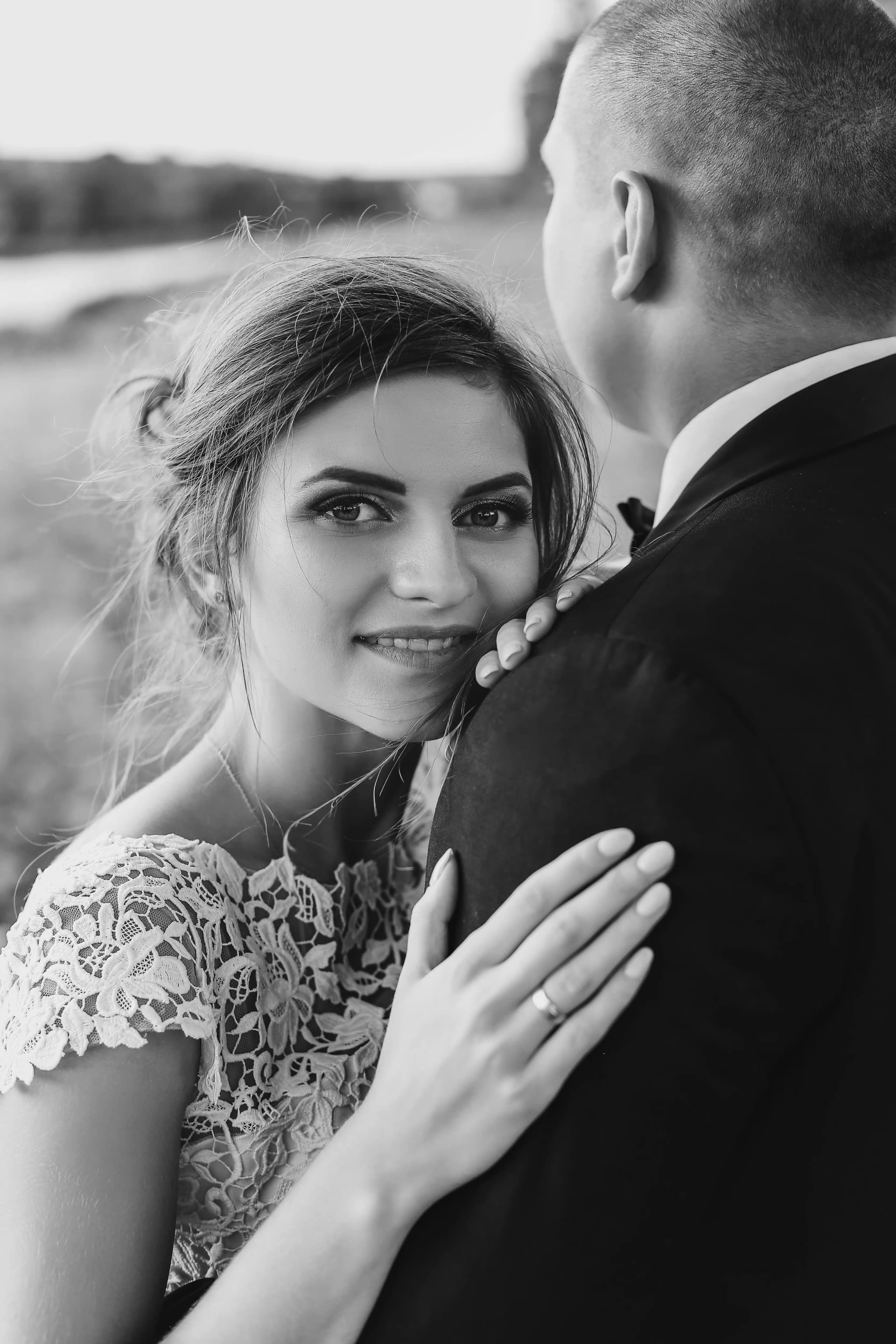
East London Wedding Venues: Shoreditch, Hackney & Canary Wharf
By Yana Skakun·15 May 2026·7 min read
East London has transformed over the past two decades into one of the most exciting wedding destinations in the country. Shoreditch, Hackney, Bethnal Green, and Canary Wharf between them offer a concentration of genuinely distinctive venues — converted factories, Victorian market halls, brutalist towers, and canal-side warehouses — unlike anything else in the city. I photograph a good number of East London weddings each year, and this guide covers the areas and venues I return to most often.
Shoreditch and the Creative Quarter
Shoreditch has the highest concentration of independent event venues anywhere in London, and it draws the couples who want contemporary, characterful spaces over heritage formality. The area around Redchurch Street, Brick Lane, and the Old Truman Brewery gives me extraordinary street photography opportunities with an East London energy that is entirely its own — graffiti murals, market stalls, vintage shop facades, and a real variety of Victorian and Edwardian commercial architecture, all contributing to a look you simply cannot get elsewhere in the city.
I love working here specifically for couples who want their gallery to feel urban and unposed rather than formal — the streets themselves do a lot of the work, provided the photographer knows where to look and when the light is at its best.
Hackney and London Fields
Hackney is home to several of London's most intimate and characterful independent venues. Hackney Town Hall offers a genuinely beautiful civic ceremony space in an Edwardian building on Mare Street, and just outside, the streetscapes of Hackney Central — with their wide pavements, pub facades, and mural-covered walls — are among the most naturally photogenic anywhere in East London.
London Fields itself gives couples open green space within Hackney, and I use it often for portraits — the lido, the bandstand, and the avenue of lime trees all offer real variety within a small area. Broadway Market, immediately south of the park, adds a Georgian terrace and a weekend market atmosphere that feels deliberately neighbourhood rather than staged. For couples wanting a more industrial-aesthetic reception, Hackney Wick's rooftop and warehouse venues are worth exploring too.
Bethnal Green and Stepney
Bethnal Green Town Hall — now a boutique hotel and event venue — is a beautifully preserved Victorian civic building with ceremony rooms of genuine historic character, and I consistently find it photographs wonderfully in every kind of light. The surrounding streets of Bethnal Green, with their Georgian terrace housing, offer quiet, uncrowded portrait opportunities at weekends when much of the area empties out.
The Museum of Childhood in Bethnal Green is available for private hire, and its Victorian iron structure and central nave produce some of the most striking indoor wedding photographs I get to take in London — the light through the roof structure alone is worth building a portrait session around.
East London wedding photography
I photograph weddings across Shoreditch, Hackney, Bethnal Green, and the Docklands, capturing East London's energy and character as part of the story rather than just a backdrop.
Enquire about your East London weddingGetting Around Between Venues
East London's density is one of its biggest advantages for wedding photography, since many of the areas covered here sit within a short taxi ride or a couple of Overground stops of one another. A couple marrying in Shoreditch, for instance, can realistically add a short Docklands or London Fields portrait session into the day without the kind of lengthy transfer that would be needed to visit two contrasting locations in most other parts of London.
I generally build a little contingency time into any multi-location East London timeline regardless, since traffic and weekend transport disruption are both genuine possibilities on a wedding day, and I would always rather have a spare fifteen minutes than lose an evening portrait window to an unexpected delay.
Canary Wharf and the Docklands
The Docklands' reflective water surfaces, glass towers, and Victorian dock architecture give me an entirely different photographic vocabulary from the rest of East London. The Museum of London Docklands, in West India Quay, is a Grade I-listed eighteenth-century warehouse available for private events, and the quayside at night — with the Canary Wharf towers reflected in still water — is genuinely unlike anywhere else in the UK for wedding photography. The Docklands Light Railway and Elizabeth Line both serve Canary Wharf directly, which makes logistics for guests straightforward on the day.
For couples who want their gallery to feel contemporary and slightly cinematic, I would put a Docklands evening portrait session very high on the list of what East London can offer.
Timing Around East London Light
East London's mix of tall buildings, canals, and open squares means the light behaves quite differently depending on exactly where you are standing, and I plan portrait timing around this more carefully here than I would at a rural venue with a single open horizon. In Shoreditch and Bethnal Green, narrower streets mean good light is available for a shorter window either side of midday and again in the evening, whereas the open water at the Docklands and London Fields holds usable light for much longer through the afternoon.
I always build a rough shot list with couples in advance that accounts for this — deciding which locations need midday light, which work best held back for the evening, and which are genuinely all-weather options if the schedule runs late, which in London, with traffic and transport between venues, it fairly often does.
Choosing an East London Wedding Photographer
East London venues reward photographers who work naturally with documentary and urban editorial styles — the character of these locations is largely lost on a photographer who imposes a conventional country-house approach onto an industrial or street environment. When you are looking at portfolios, I would specifically look for East London weddings rather than assuming a country or barn specialist will translate well, and check that whoever you choose actually knows the streets and light patterns around your particular venue rather than arriving to work it out on the day.
If you are planning a wedding anywhere across these neighbourhoods and want to talk through timings, locations, or how the light will fall on your date, I am always happy to have that conversation in advance.

Yana Skakun
Photographer · England
Professional wedding, family and portrait photographer based in England. Passionate about capturing authentic emotions and timeless moments.
About Yana →East London wedding venuesShoreditch wedding photographerHackney wedding venues LondonCanary Wharf wedding photography
Photography Tips — Professional Photography in Cambridge & England
Yana Skakun is a professional photographer based in Cambridge, specialising in wedding, family, and portrait photography across England. Every session is personal — planned around your story, your people, and the moments that matter most. This guide — East London Wedding Venues: Shoreditch, Hackney & Canary Wharf — is part of the photography journal: practical, experience-based advice drawn from real sessions across England. Whether you arrived searching for east london wedding venues or shoreditch wedding photographer, the same care and attention shapes every session Yana photographs.
Professional Photography sessions are available year-round, with bookings open across Cambridge, Ely, Huntingdon, Peterborough, and further afield — East England, London, the Midlands, and beyond. If you have specific questions about hackney wedding venues london, mention it in your enquiry. Get in touch through the contact form above to check availability and discuss your session. Enquiries are welcomed from anywhere in the UK.
Frequently Asked Questions
What camera settings should I use for outdoor portraits?+
For outdoor portraits, shoot in aperture priority mode. Use a wide aperture (f/1.8–f/2.8) to blur the background and isolate your subject. Keep ISO as low as possible in good light. In bright conditions, use a neutral density filter or switch to manual to avoid overexposure at wide apertures.
What is the golden hour in photography?+
Golden hour is the period roughly 30–60 minutes after sunrise and before sunset. The sun is low in the sky, producing warm, soft, directional light that flatters skin tones and creates beautiful long shadows. It's widely considered the best natural light for portrait and outdoor photography.
How do you get sharp photos in low light?+
In low light, increase your ISO (accepting some grain), use the widest aperture your lens allows, and slow your shutter speed to the slowest you can hand-hold without camera shake (roughly 1/focal length as a guide). Use image stabilisation if available, and consider a tripod for static subjects.
What is the rule of thirds in photography?+
The rule of thirds divides the frame into a 3×3 grid. Placing your subject on one of the four intersection points — rather than dead centre — creates a more dynamic, visually interesting composition. It's a guideline, not a rule: some of the most powerful images break it deliberately.
How do you edit photos to look professional?+
Professional editing starts with shooting in RAW format. In Lightroom or similar software, correct exposure, white balance, and contrast first. Recover shadow and highlight detail. Apply gentle colour grading for mood. Be conservative with skin retouching — the goal is natural enhancement, not transformation. Consistency across a set of images is what separates professional from amateur editing.
Continue Reading
Related Articles

Photography Tips
Photography Gift Vouchers: The Most Personal Present You Can Give
5 min read · Read Article
Photography Tips
Photo Books vs Photo Albums: What Is the Difference and Which Is Better?
5 min read · Read Article
Photography Tips
Photo Gift Ideas: Turning Professional Images into Meaningful Presents
5 min read · Read Article
Get in Touch
Ready to Book Your Session?
Get in touch to discuss your vision — I'll reply within 24 hours.