Yana Skakun
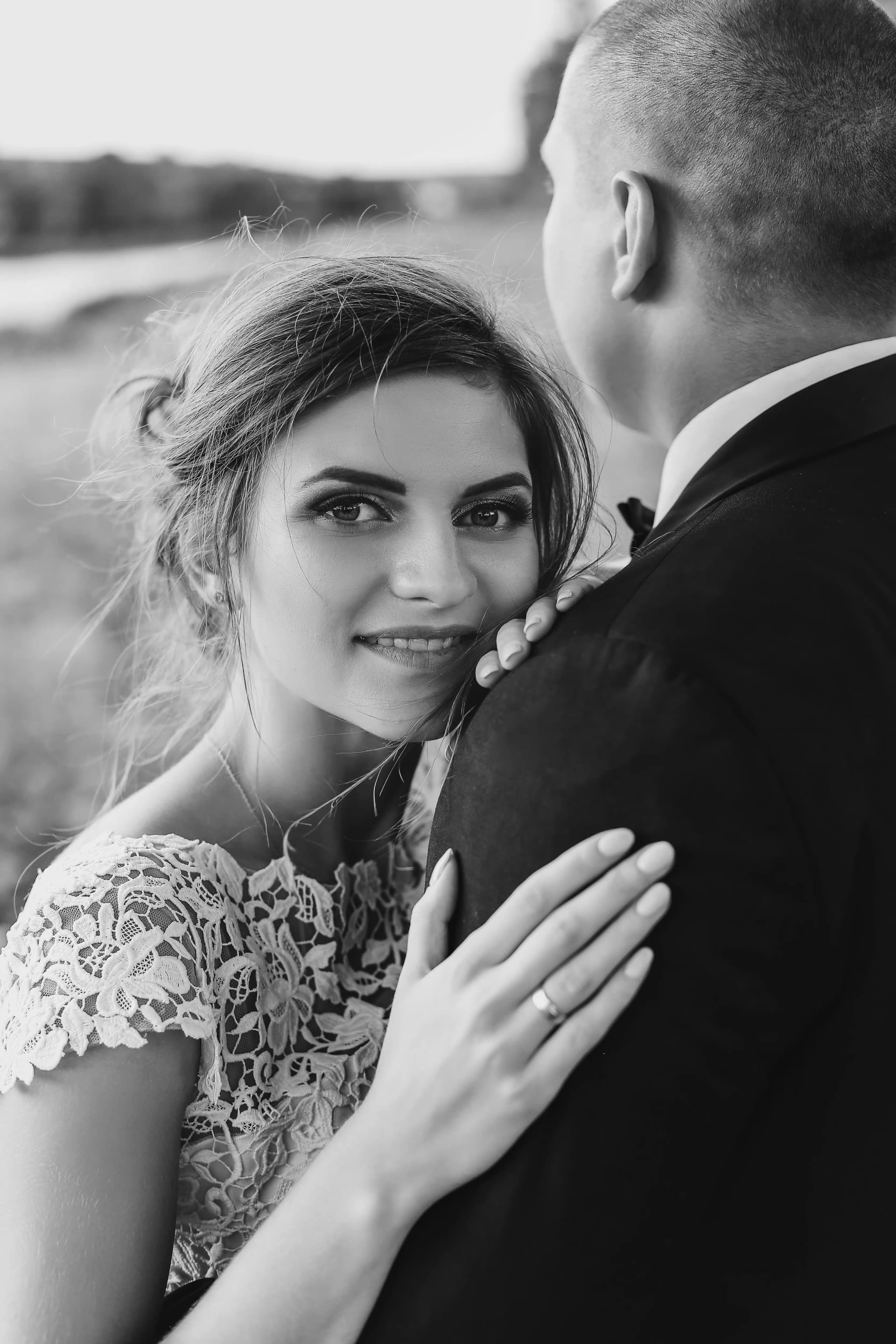
The Renaissance of 35mm Film Wedding Photography
By Yana Skakun·13 March 2026·5 min read
Film wedding photography went through a genuine decline in the mid-2000s, when digital cameras became reliable enough and cheap enough that almost the entire industry moved over within a few years. In the last five or so years it has come back, noticeably, particularly among photographers working in a documentary or editorial style. I shoot a portion of most weddings on 35mm film myself, and I think it is worth explaining honestly what film actually offers, what it costs, and who it genuinely suits — because there is a fair amount of romanticism around film that is not always matched by a clear-eyed account of the trade-offs.
None of what follows is an argument that film is simply better than digital. It is different, in specific and describable ways, and those differences suit some weddings and some couples far more than others.
What Film Actually Looks Like, Technically
The most obvious difference is grain. Film grain is organic and essentially random, a product of the physical structure of the silver halide crystals in the emulsion. Digital noise, particularly at higher ISO, is more structured and often shows up with colour contamination in shadow areas. Many people find film grain more pleasant to look at precisely because it reads as texture rather than as a technical flaw, even though both are, in a sense, the same underlying problem of insufficient light.
Colour rendering is the second major difference, and it is baked into the film stock itself rather than something applied afterwards. Kodak Portra 400, the stock I use most, renders skin tones with a particular warmth and a slight desaturation in blues and greens that is genuinely difficult to replicate precisely with a digital filter, because the film's response to different wavelengths of light is a physical property of the emulsion rather than a mathematical transformation of already-captured data.
Film also handles overexposure more gracefully than digital. A blown highlight on film retains some colour and texture rather than clipping to flat white the way a digital sensor does past its dynamic range ceiling, which makes film considerably more forgiving in bright, contrasty conditions — a marquee doorway with strong sun behind it, for instance, or a bride stepping from a dark church porch into midday light.
How I Actually Use Film on a Wedding Day
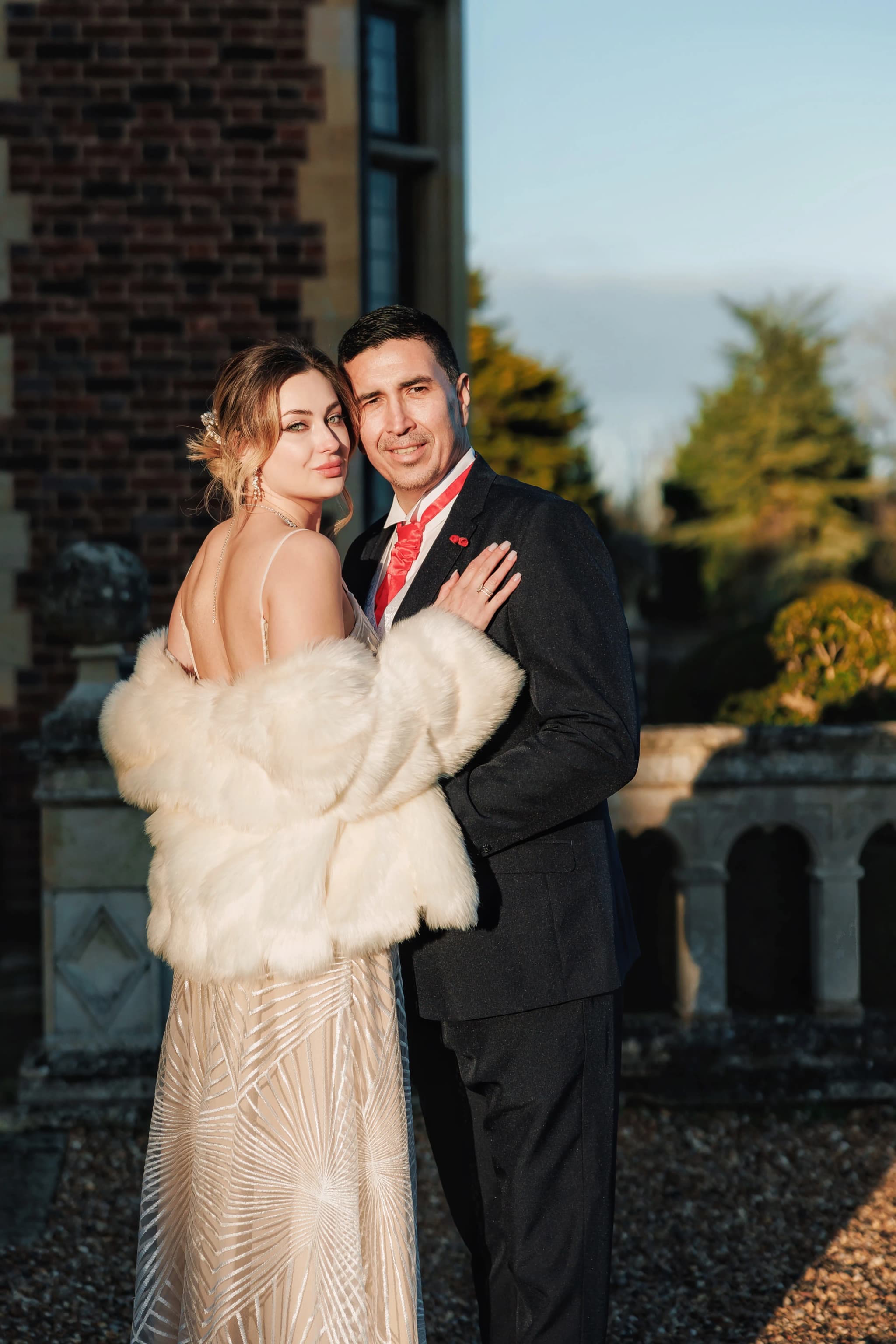
I do not shoot entire weddings purely on film, and very few photographers who offer it genuinely do either. The practical approach, and the one I use, is hybrid: digital for the ceremony itself, where reliable autofocus and the ability to shoot at higher ISO in a dim church or register office matters more than the aesthetic, and film for couple portraits where there is time, good light, and the particular quality of film suits the mood of the images most.
I also shoot a selection of documentary moments through the day on film — details, quiet in-between moments, the kind of frame where the slower, more deliberate nature of shooting on film actually helps rather than hinders. A small number of photographers do shoot entire weddings on film, generally working at medium format for a more forgiving negative size, and pricing their coverage considerably higher to account for materials and lab costs across a full day.
Curious about film coverage for your wedding?
I offer a hybrid digital-and-film approach for couples who want the film aesthetic for portraits without the cost of shooting an entire day on 35mm. Happy to talk through what that would look like for your date.
Ask about film wedding photographyThe Real Cost of Shooting on 35mm
It is worth being upfront about the materials cost, because it is the main reason film coverage is priced differently from digital. A roll of 35mm film, developed and scanned by a professional UK lab, generally runs somewhere in the region of £25 to £40 per roll of thirty-six exposures in 2026. A full wedding day shot primarily on film might use anywhere from twenty-five to forty rolls, which adds up to a substantial materials cost before any time or skill is factored in at all.
That cost has to be passed on to the couple in some form, which is exactly why full-day film coverage tends to sit at a noticeably higher price point than equivalent digital coverage. For couples who want the aesthetic without that full cost, the hybrid approach — digital for the bulk of the day, film specifically for portraits — is by far the most common and most sensible middle ground, and it is the one I recommend to most couples who ask about film.
The Timeless Quality People Are Actually Chasing
A large part of film's appeal is what I would call its resistance to dating. Because the aesthetic of film photography has been broadly consistent for six or seven decades, a wedding photograph shot on Kodak Portra today has more in common visually with one shot in the late 1990s than a heavily processed digital wedding photograph from a decade ago has with current digital editing trends. Digital styles move — the heavy HDR look of the early 2010s already looks quite dated — while film's look has stayed remarkably stable.
For couples who care about how their album will feel in twenty or thirty years, rather than how on-trend it looks the week after the wedding, this consistency is a genuine and rational reason to want at least some film coverage, separate from any question of grain or colour preference.
Whether Film Is Right for Your Day
Film tends to suit couples who have a clear aesthetic preference for it over digital editing styles, who are getting married at a venue with genuinely good natural light for at least part of the day, since film is less forgiving in difficult low-light interiors than digital at high ISO, and who value the quality of a smaller number of considered images over the sheer volume a digital day produces.
It is also worth being realistic about turnaround: lab development and scanning add real time to the editing pipeline, so film-inclusive galleries generally take a little longer to deliver than an all-digital gallery. If that timeline works for you and the aesthetic genuinely appeals, film is very much worth considering.
Questions Worth Asking Any Photographer Who Offers Film
If you are considering booking a photographer specifically for their film work, it is worth asking a few practical questions before committing. Which lab do they use, and how established is that lab's reputation for consistent colour and scanning quality — this matters enormously, since a poor scan can undo much of what makes a good negative worthwhile. How many rolls do they typically shoot across a wedding day, and is that number built into the price you have been quoted, or treated as a separate cost. And what happens if a roll is damaged in processing, which is rare but not impossible with any lab.
A photographer who has genuinely integrated film into their working practice, rather than offering it as a novelty add-on, should be able to answer all of this without hesitation. That confidence is generally a good indicator of how seriously film is actually being handled within their wider service.
If you would like to talk through what a hybrid film-and-digital day could look like for your wedding, get in touch and I can walk you through the options.

Yana Skakun
Photographer · England
Professional wedding, family and portrait photographer based in England. Passionate about capturing authentic emotions and timeless moments.
About Yana →film wedding photography35mm film wedding photographer ukanalogue wedding photography
Photography Tips — Professional Photography in Cambridge & England
Yana Skakun is a professional photographer based in Cambridge, specialising in wedding, family, and portrait photography across England. Every session is personal — planned around your story, your people, and the moments that matter most. This guide — The Renaissance of 35mm Film Wedding Photography — is part of the photography journal: practical, experience-based advice drawn from real sessions across England. Whether you arrived searching for film wedding photography or 35mm film wedding photographer uk, the same care and attention shapes every session Yana photographs.
Professional Photography sessions are available year-round, with bookings open across Cambridge, Ely, Huntingdon, Peterborough, and further afield — East England, London, the Midlands, and beyond. If you have specific questions about analogue wedding photography, mention it in your enquiry. Get in touch through the contact form above to check availability and discuss your session. Enquiries are welcomed from anywhere in the UK.
Frequently Asked Questions
What camera settings should I use for outdoor portraits?+
For outdoor portraits, shoot in aperture priority mode. Use a wide aperture (f/1.8–f/2.8) to blur the background and isolate your subject. Keep ISO as low as possible in good light. In bright conditions, use a neutral density filter or switch to manual to avoid overexposure at wide apertures.
What is the golden hour in photography?+
Golden hour is the period roughly 30–60 minutes after sunrise and before sunset. The sun is low in the sky, producing warm, soft, directional light that flatters skin tones and creates beautiful long shadows. It's widely considered the best natural light for portrait and outdoor photography.
How do you get sharp photos in low light?+
In low light, increase your ISO (accepting some grain), use the widest aperture your lens allows, and slow your shutter speed to the slowest you can hand-hold without camera shake (roughly 1/focal length as a guide). Use image stabilisation if available, and consider a tripod for static subjects.
What is the rule of thirds in photography?+
The rule of thirds divides the frame into a 3×3 grid. Placing your subject on one of the four intersection points — rather than dead centre — creates a more dynamic, visually interesting composition. It's a guideline, not a rule: some of the most powerful images break it deliberately.
How do you edit photos to look professional?+
Professional editing starts with shooting in RAW format. In Lightroom or similar software, correct exposure, white balance, and contrast first. Recover shadow and highlight detail. Apply gentle colour grading for mood. Be conservative with skin retouching — the goal is natural enhancement, not transformation. Consistency across a set of images is what separates professional from amateur editing.
Continue Reading
Related Articles

Photography Tips
Photography Gift Vouchers: The Most Personal Present You Can Give
5 min read · Read Article
Photography Tips
Photo Books vs Photo Albums: What Is the Difference and Which Is Better?
5 min read · Read Article
Photography Tips
Photo Gift Ideas: Turning Professional Images into Meaningful Presents
5 min read · Read Article
Get in Touch
Ready to Book Your Session?
Get in touch to discuss your vision — I'll reply within 24 hours.