Yana Skakun
Fine Art Photography: What It Is and Why You Need It
By Yana Skakun·29 March 2026·6 min read
Fine art photography occupies a different register to commercial or documentary photography. Where commercial photography primarily serves a function — to sell, to record, to communicate a specific message — fine art photography exists primarily as an aesthetic and expressive object, something intended to be looked at for what it is rather than simply for what it shows. Understanding what fine art photography actually is, and just as importantly what it is not, helps clients decide whether it is the approach they are actually looking for before booking a session.
What Fine Art Photography Is
Fine art photography applies principles borrowed from fine art more broadly — composition, light, texture, emotion, narrative — to produce images that function primarily as artwork rather than as straightforward records of an event or person. The photographer's creative vision takes precedence over strict documentary accuracy, meaning decisions about exposure, colour, and composition are made in service of the feeling of the image rather than a literal representation of the scene.
In practice this can mean an extended or unconventional tonal range, with images deliberately high-key and bright and airy, or low-key and dark and dramatic, rather than aiming for a conventional, evenly balanced exposure. It can mean film emulation or alternative processing, where an image is rendered to evoke the quality and texture of film, or processed in a way that prioritises feeling over photographic literalness. Composite and layered imagery, with multiple exposures combined or elements deliberately added, is another common approach within the genre, as is a deliberate reference to classical painting — the lighting of Rembrandt, Caravaggio, or Vermeer recurs again and again in fine art portrait photography because those painters solved problems of light and mood that photographers are still drawing on centuries later.
Minimal retouching, or a deliberate preservation of texture and rawness rather than a pursuit of clinical digital perfection, is often part of the fine art approach as well. The aim is not to erase every trace of imperfection but to let the image carry a certain materiality, a sense that it was made by a person with a point of view rather than smoothed into a generic, interchangeable finish.
Fine Art Portrait Photography
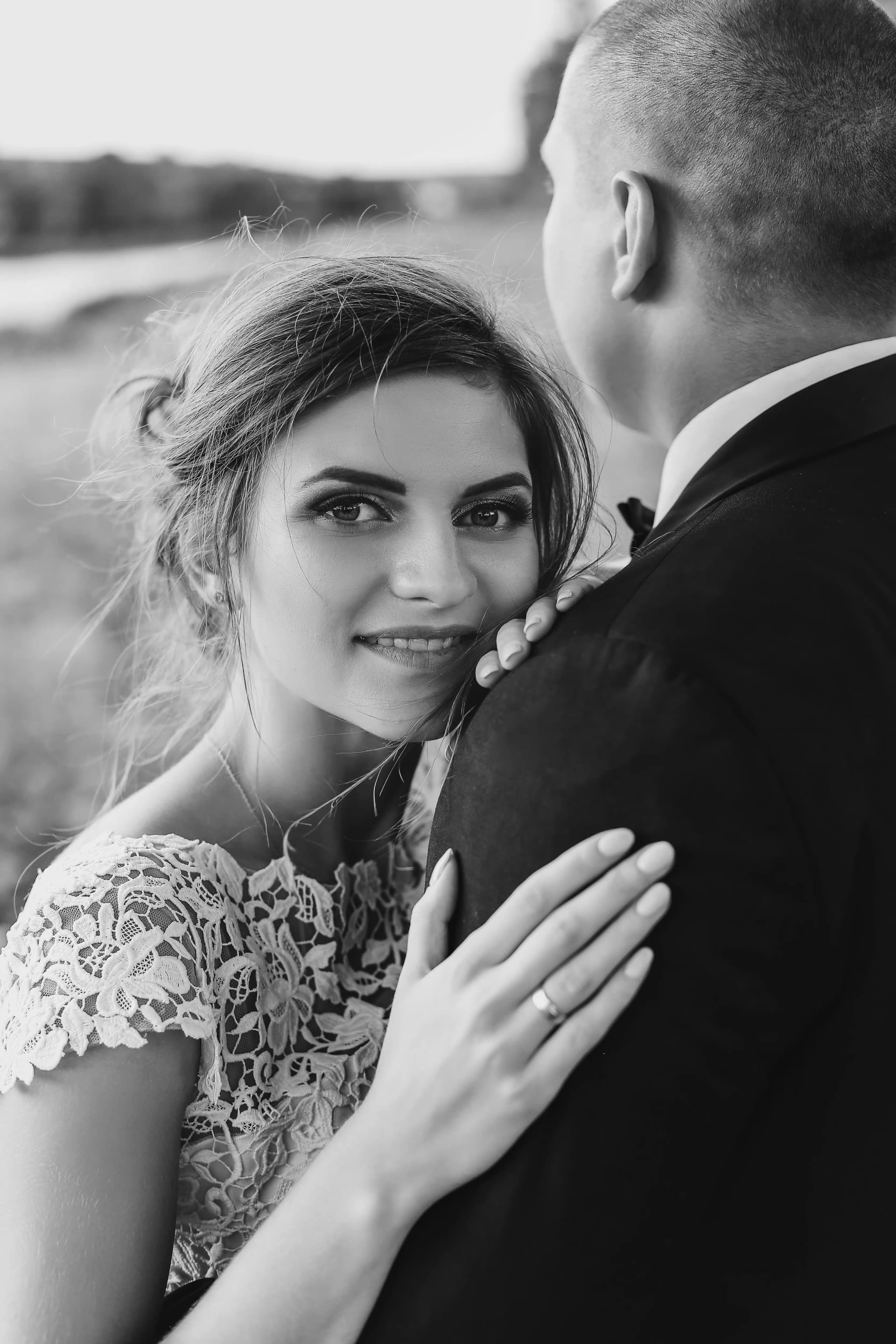
Applied to portraiture specifically, fine art photography produces images intended for display as genuine wall art, not simply digital files to be scrolled past on a phone screen. In this context the subject becomes a starting point rather than the entire content of the image — the photographer brings a studied visual language, developed over years of practice, that elevates the result beyond a standard, conventional portrait into something closer to a considered piece of art.
This approach tends to suit clients who are looking for large-print wall art of themselves, their family, or people significant to them, rather than a folder of digital files destined only for social media. It also suits people who are interested in a specific aesthetic or mood rather than conventional, expected portraiture — someone who wants an image that says something about who they are, rather than simply confirming what they look like. Milestone celebrations, whether a significant birthday, an anniversary, or another marker worth commemorating in a way that goes beyond a standard photograph, are a natural fit for this approach, as is a gift commission — artwork made of someone significant, intended to be given and kept rather than simply shared and forgotten.
Fine Art Family and Couple Photography
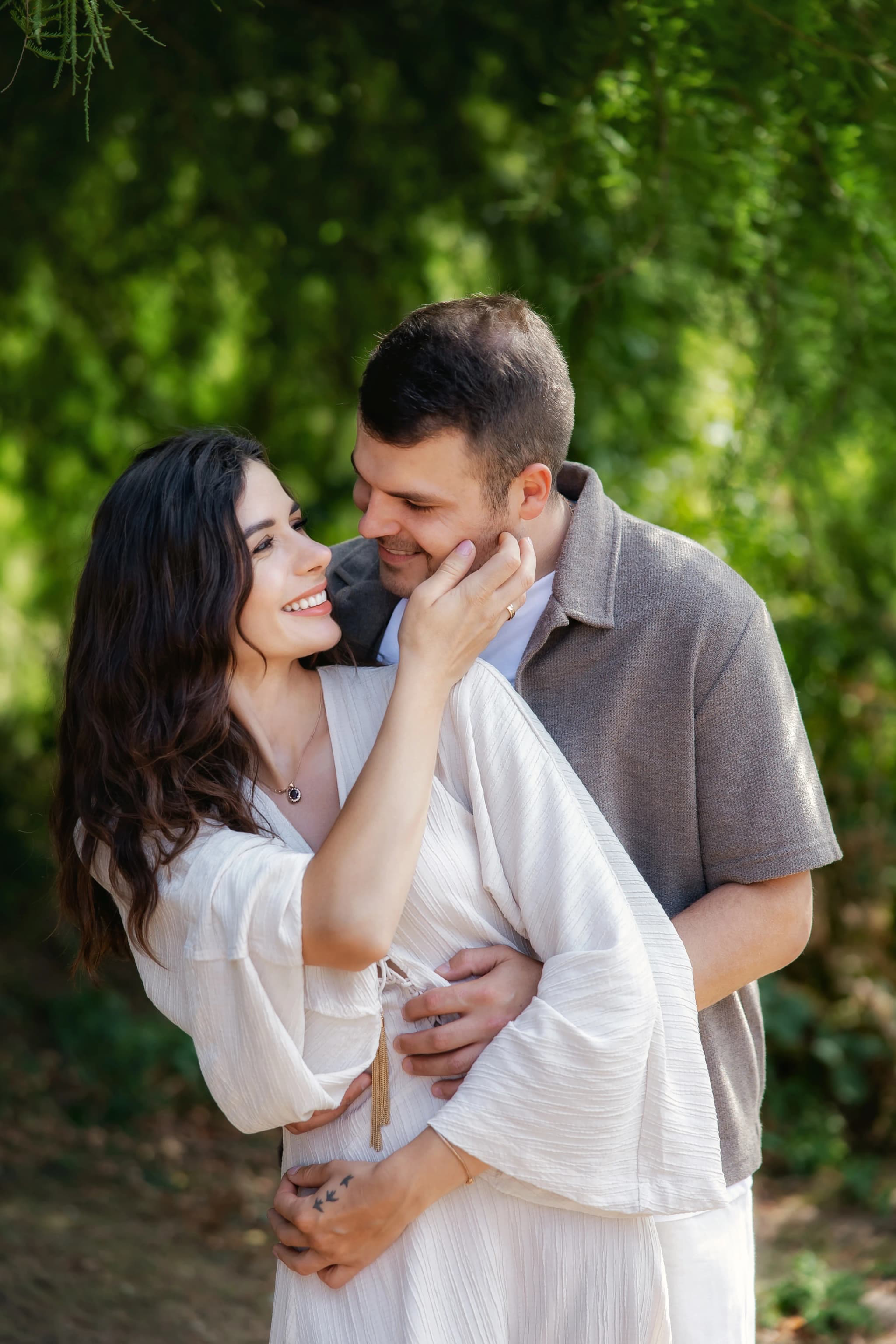
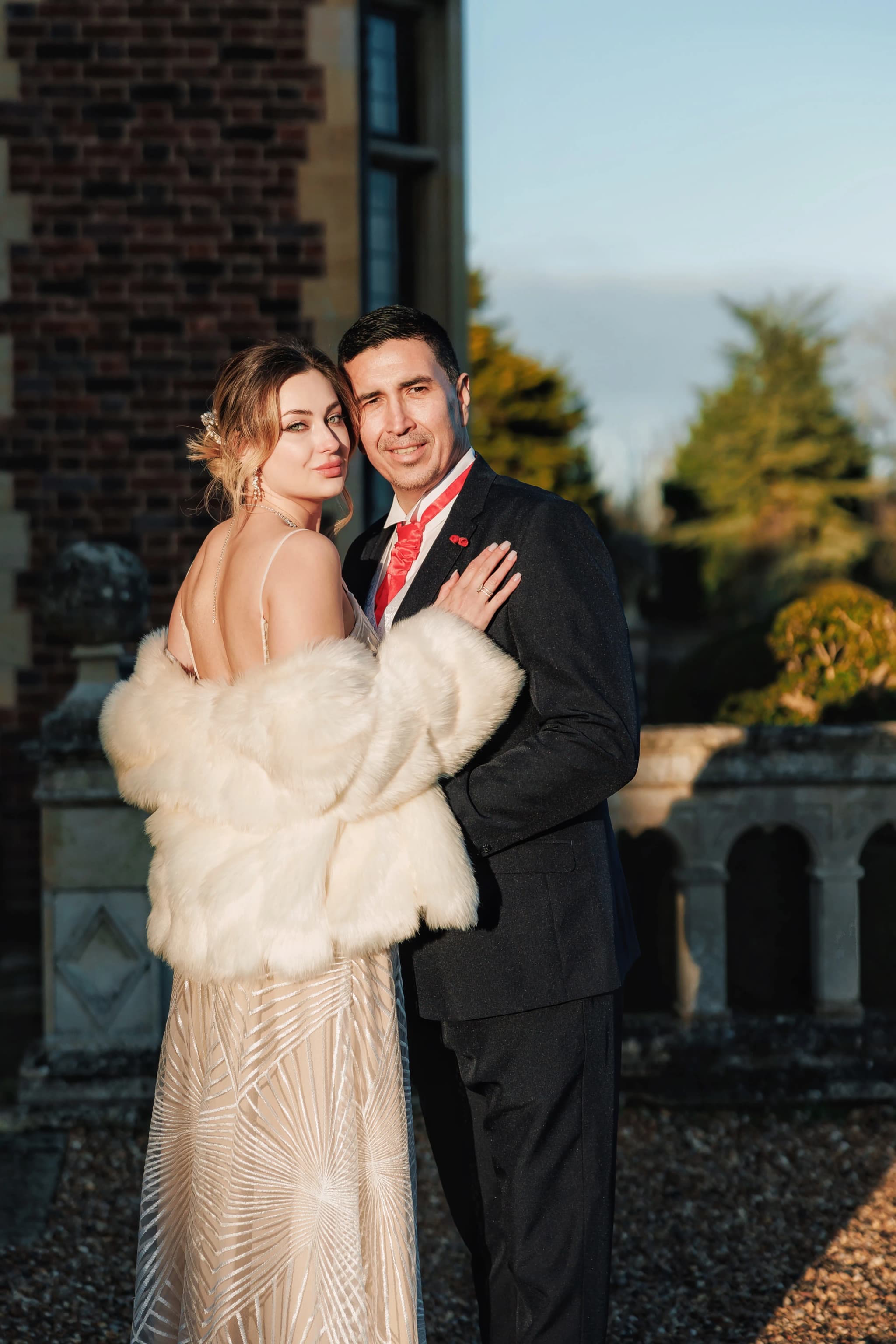
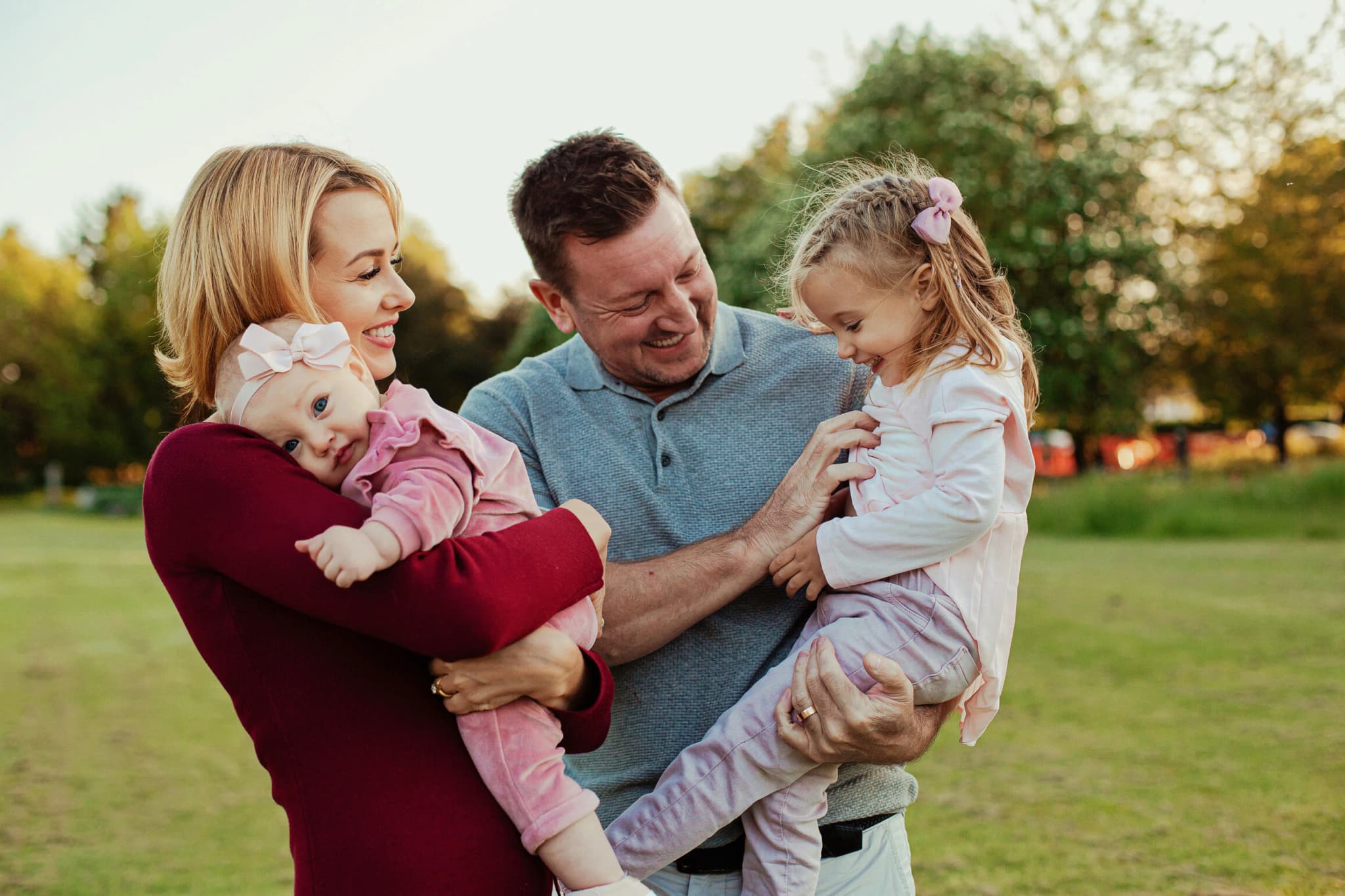
Fine art principles apply just as well to couples and families as they do to individual portraits, though the approach shifts slightly to account for the relationships between people rather than a single subject alone. A fine art couple session might lean into dramatic, low-key lighting to emphasise closeness and intimacy, or use a wide, quiet landscape to place two small figures within a larger, more painterly composition. A fine art family session, similarly, might prioritise a single cohesive mood and palette across the whole group rather than a series of individually posed, brightly lit shots.
What unites all of these applications is a willingness to prioritise the overall feeling of an image over strict documentary accuracy. A fine art family portrait is not trying to record exactly what everyone looked like on a particular afternoon; it is trying to create something that captures a mood or a relationship in a way that will still feel resonant on a wall many years later, long after the specific occasion that prompted the session has been forgotten.
Fine Art vs. Standard Portrait: What to Ask a Photographer
If fine art photography is what you are after, it is worth asking a photographer directly whether they can show you examples of their fine art work specifically, rather than assuming that a portfolio of standard portraits automatically demonstrates fine art capability. The two disciplines share technical foundations but diverge significantly in creative approach, and not every skilled portrait photographer works comfortably in a fine art register.
It is also worth asking whether a photographer offers large-format print products, since fine art photography is, almost by definition, meant to be printed and displayed rather than left as a digital file. Understanding a photographer's artistic direction process — how much input you have as the client versus how much is left to the photographer's creative vision — matters too, since fine art work by nature involves more interpretive decision-making than a straightforward documentary session. Finally, it is worth asking what kind of post-processing underlies their fine art work, since the finishing is often where the distinctive character of the genre actually lives.
Printing and Displaying Fine Art Portraits
Because fine art portraiture is intended for display, the printing stage deserves as much thought as the shoot itself. The choice of print medium — traditional photographic paper, fine art matte paper, canvas, or a framed and mounted finish — genuinely changes how an image reads on a wall, and a print that looks striking as a small digital preview does not always translate directly to a large-format print without some adjustment to contrast, cropping, or colour balance along the way.
Scale matters more than most clients expect going in. A fine art portrait chosen to fill a stairwell wall or a large sitting-room space needs to be composed and printed with that specific scale in mind from the outset, since a composition that works beautifully as a small print can feel oddly empty or awkwardly cropped once enlarged significantly. Talking through where an image will eventually hang, and roughly how large it needs to be, before the session takes place allows the composition itself to be built around that final destination rather than adjusted afterwards.
A note on fine art sessions
I offer artistic, print-quality portrait photography for individuals, couples, and families — sessions created with wall art in mind, not just a set of digital files to scroll through once and forget.
Get in touch about a sessionPlanning a Fine Art Session
A fine art portrait session generally benefits from more advance planning than a standard family or couple session, precisely because the creative vision is a larger part of the outcome. Discussing mood, colour palette, wardrobe, and location together beforehand means the images can be built with a specific intention rather than assembled after the fact from whatever was captured. Natural light is still the foundation of my own fine art work, but the way it is used — the direction, the harshness or softness allowed, the shadows kept rather than filled — is a much more deliberate creative choice within a fine art session than in a straightforward documentary one.
Wardrobe and colour choices are worth thinking through carefully as well, since fine art images often rely on a cohesive palette to achieve their impact — a single strong colour against a muted background, or a deliberately monochromatic scheme, reads very differently to a busy mix of patterns and colours competing for attention.
None of this needs to be intimidating; a good working conversation before the session, covering what feeling you want the final images to carry and where they will eventually live, is usually enough to give the shoot real direction without requiring clients to arrive with a fully formed artistic brief of their own. Bringing reference images of a mood, a colour, or another piece of art that resonates is often more useful than trying to describe it in words, and I am always happy to work from a handful of references a client has gathered beforehand. If this approach appeals to you, get in touch and we can talk through what a fine art session for your family or milestone might look like.

Yana Skakun
Photographer · England
Professional wedding, family and portrait photographer based in England. Passionate about capturing authentic emotions and timeless moments.
About Yana →fine art photography ukfine art portrait photographerartistic portrait photographywhat is fine art photography
Photography Tips — Professional Photography in Cambridge & England
Yana Skakun is a professional photographer based in Cambridge, specialising in wedding, family, and portrait photography across England. Every session is personal — planned around your story, your people, and the moments that matter most. This guide — Fine Art Photography: What It Is and Why You Need It — is part of the photography journal: practical, experience-based advice drawn from real sessions across England. Whether you arrived searching for fine art photography uk or fine art portrait photographer, the same care and attention shapes every session Yana photographs.
Professional Photography sessions are available year-round, with bookings open across Cambridge, Ely, Huntingdon, Peterborough, and further afield — East England, London, the Midlands, and beyond. If you have specific questions about artistic portrait photography, mention it in your enquiry. Get in touch through the contact form above to check availability and discuss your session. Enquiries are welcomed from anywhere in the UK.
Frequently Asked Questions
What camera settings should I use for outdoor portraits?+
For outdoor portraits, shoot in aperture priority mode. Use a wide aperture (f/1.8–f/2.8) to blur the background and isolate your subject. Keep ISO as low as possible in good light. In bright conditions, use a neutral density filter or switch to manual to avoid overexposure at wide apertures.
What is the golden hour in photography?+
Golden hour is the period roughly 30–60 minutes after sunrise and before sunset. The sun is low in the sky, producing warm, soft, directional light that flatters skin tones and creates beautiful long shadows. It's widely considered the best natural light for portrait and outdoor photography.
How do you get sharp photos in low light?+
In low light, increase your ISO (accepting some grain), use the widest aperture your lens allows, and slow your shutter speed to the slowest you can hand-hold without camera shake (roughly 1/focal length as a guide). Use image stabilisation if available, and consider a tripod for static subjects.
What is the rule of thirds in photography?+
The rule of thirds divides the frame into a 3×3 grid. Placing your subject on one of the four intersection points — rather than dead centre — creates a more dynamic, visually interesting composition. It's a guideline, not a rule: some of the most powerful images break it deliberately.
How do you edit photos to look professional?+
Professional editing starts with shooting in RAW format. In Lightroom or similar software, correct exposure, white balance, and contrast first. Recover shadow and highlight detail. Apply gentle colour grading for mood. Be conservative with skin retouching — the goal is natural enhancement, not transformation. Consistency across a set of images is what separates professional from amateur editing.
Continue Reading
Related Articles

Photography Tips
Photography Gift Vouchers: The Most Personal Present You Can Give
5 min read · Read Article
Photography Tips
Photo Books vs Photo Albums: What Is the Difference and Which Is Better?
5 min read · Read Article
Photography Tips
Photo Gift Ideas: Turning Professional Images into Meaningful Presents
5 min read · Read Article
Get in Touch
Ready to Book Your Session?
Get in touch to discuss your vision — I'll reply within 24 hours.