Yana Skakun

Grandparents at Your Wedding: Capturing Precious Moments
By Yana Skakun·10 June 2026·6 min read
Of all the photographs I deliver after a wedding, the ones that make couples cry months later are rarely the first kiss or the confetti run. They're the quiet frames of a grandmother dabbing her eyes during the vows, or a grandfather holding his great-grandchild for the very first time. After more than a decade photographing weddings across Cambridgeshire and Suffolk, I've learnt that grandparents wedding photos are the images families treasure most deeply — and the ones we have the smallest window to capture.
Why these photographs matter more than you think
When you're planning a wedding, it's easy to assume the grandparents will simply appear in the family group shots and that will be enough. But a stiff lineup outside the church doesn't tell the story of the woman who taught you to bake, or the man who walked you to primary school every morning. The frames that endure are candid: a shared glance across the aisle, a wrinkled hand resting on yours during the speeches.
I say this gently because it's true — we don't always get a second wedding to photograph these relationships. Health changes, mobility shifts, and sometimes a grandparent who is sprightly at the engagement party needs a wheelchair by the big day. Booking these moments into your plan isn't morbid; it's an act of love that your future self will be endlessly grateful for.
Plan the multigenerational shots before the day
The single best thing you can do is tell me, your photographer, who your grandparents are and what they mean to you before the wedding. A quick note — "Grandad George is 91 and tires easily, Nana Pat is hard of hearing" — lets me prioritise their portraits early, while everyone is fresh and the light is kind. I always schedule grandparent shots near the start of the formal photographs, not buried at the end when an elderly guest is exhausted and the afternoon light has gone flat.
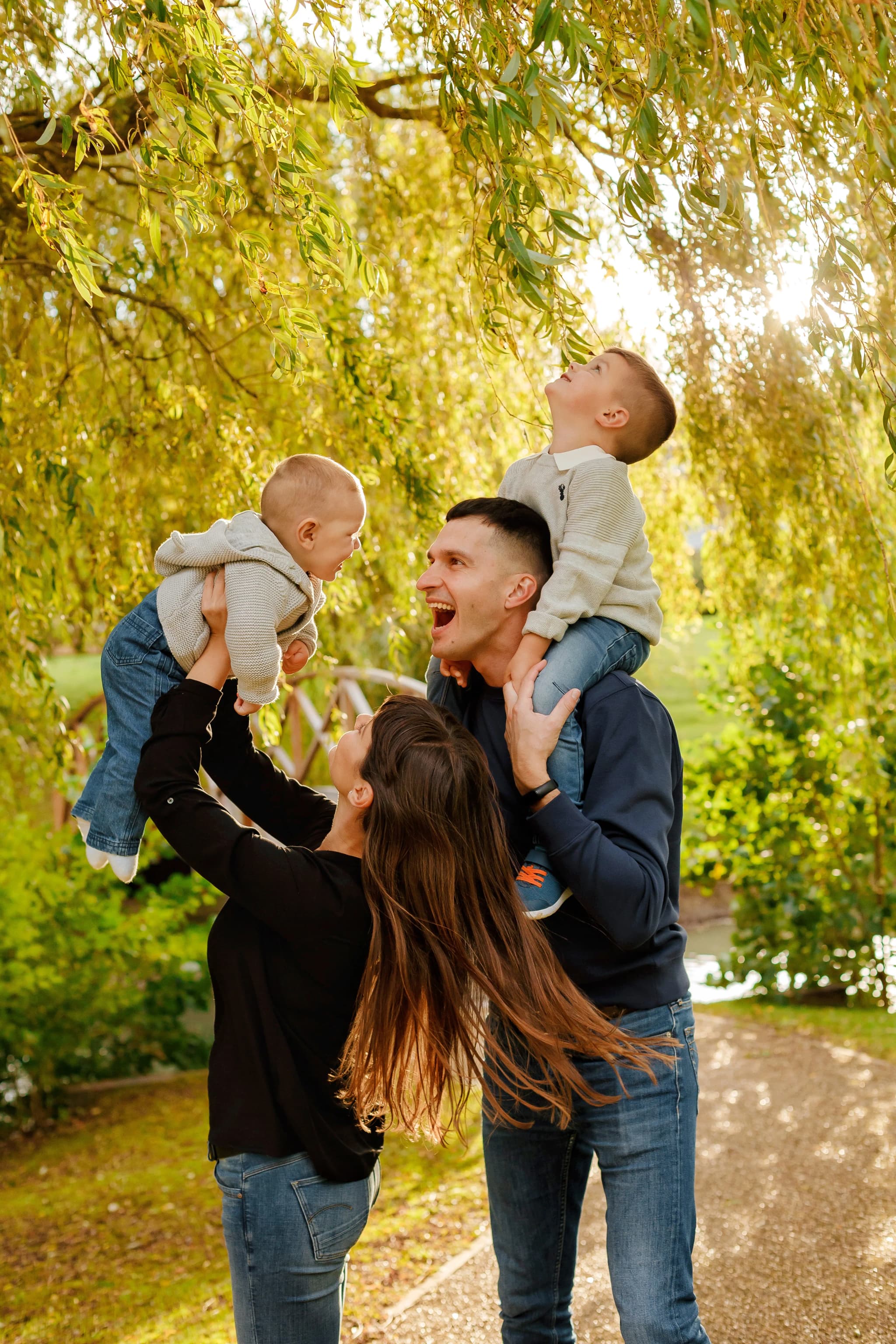
Think too about who you want pictured together. A four-generation photograph — great-grandmother, grandmother, mother and a new baby — is genuinely rare and worth orchestrating deliberately. These don't happen by accident in the chaos of a reception; they happen because someone wrote them down.
- ◆Four generations: Gather the eldest and youngest family members for a portrait that may only ever exist once.
- ◆The first look: Photograph a grandparent seeing you in your dress or suit before the ceremony — the reactions are unguarded.
- ◆Shared heirlooms: Capture borrowed jewellery, a handkerchief or a watch passed down, ideally held by both you and its original owner.
- ◆Quiet seated moments: Plan a relaxed shot of you kneeling beside a seated grandparent rather than asking them to stand for long.
- ◆The grandparent dance: If they're able, a turn around the floor with Grandad makes for one of the most moving images of the night.
- ◆A letter or toast: Photograph them reading a card or raising a glass — storytelling frames that hold their voice.
Working with comfort and mobility in mind
Many of the loveliest UK wedding venues — barns in the Suffolk countryside, listed manor houses around Cambridge, riverside spots along the Cam — come with gravel paths, cobbles and a few unhelpful steps. If a grandparent uses a stick or wheelchair, I'll scout the most accessible backdrop in advance so we're not wheeling anyone across a muddy lawn in March. A good venue coordinator will happily reserve a sheltered, seated spot for portraits.
Our weather deserves a mention too. An East Anglian summer can swing from glorious to drizzly in an hour, and standing around outside is genuinely tiring for someone in their nineties. I always keep a Plan B near a window with soft, natural light indoors, so frail guests stay warm and dry while we still get beautiful, flattering portraits. Comfort never has to mean compromising on the photograph.
Honouring grandparents who can't be there
Sometimes the grandparent we most wish were present has passed away, and I think it's beautiful to weave their memory into the day rather than leave a silence. I've photographed lockets pinned inside bouquets, a chair left empty with a single rose, a grandfather's pocket watch tucked into a waistcoat, and a framed photograph set quietly on the memory table beside the guest book.
Tell me about these tributes beforehand and I'll photograph them with the tenderness they deserve, woven naturally through the storytelling images rather than staged as an afterthought. These small, deliberate frames often mean as much to a family as the portraits of the living.
Let them be themselves
My final piece of advice is the simplest: once we've captured the planned portraits, let your grandparents relax and be themselves. The best grandparents wedding photos I take are never posed — they're Nana laughing at the best man's speech, Grandad sneaking a second slice of cake, the two of them holding hands under the table as if no one is watching.
I work unobtrusively for exactly this reason. Give me the names, the relationships and the few must-have frames, and then trust me to chase the magic that happens in between. That's where the photographs your family will keep for generations are truly made.
Want to make sure your grandparents are at the heart of your wedding photographs?
I'd love to hear about the people who matter most to you and plan the meaningful, multigenerational shots that your family will treasure for years to come. Let's talk before your date fills up.
Check Your Date →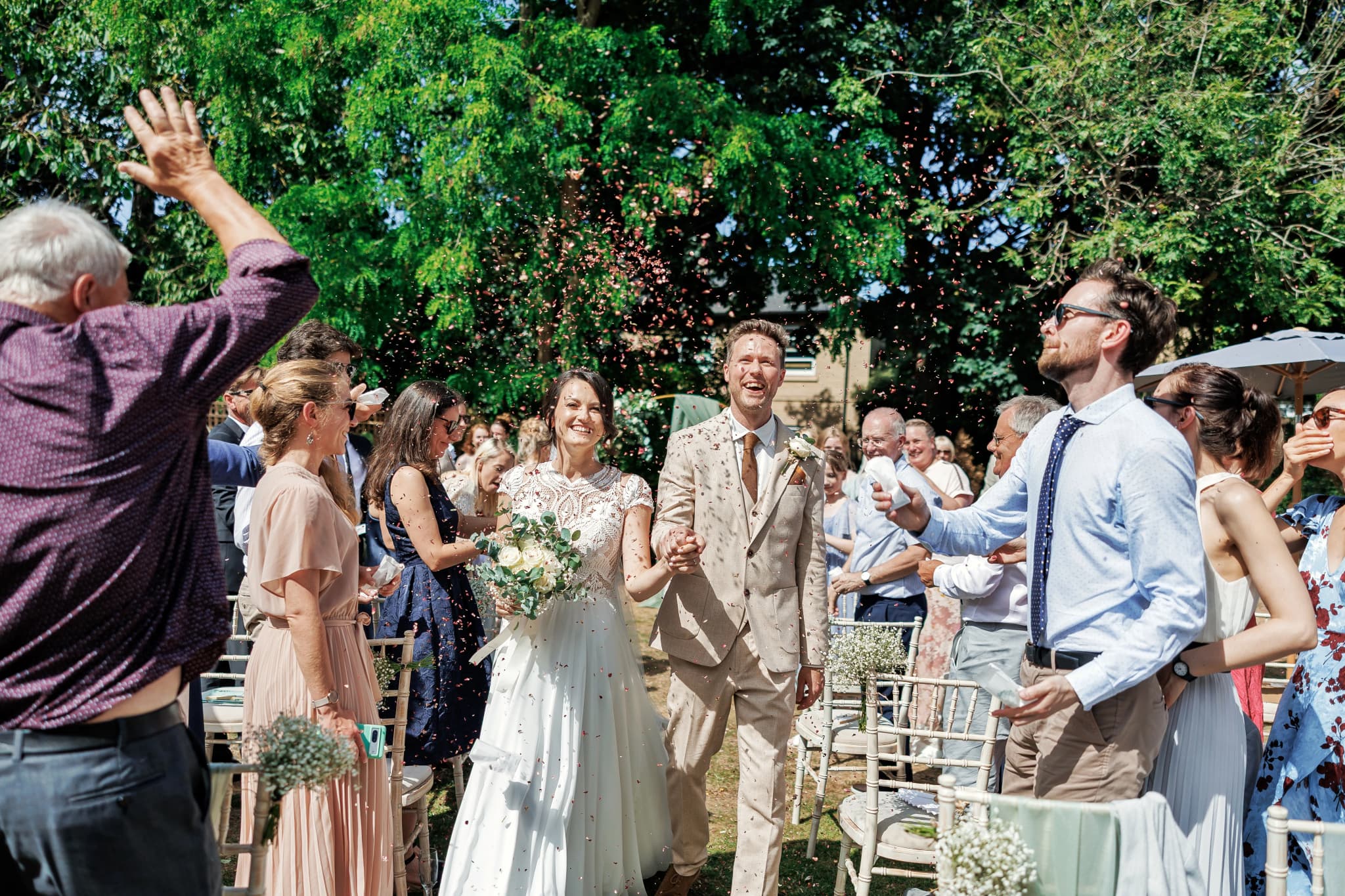

Yana Skakun
Photographer · England
Professional wedding, family and portrait photographer based in England. Passionate about capturing authentic emotions and timeless moments.
About Yana →grandparentsweddingphotomoments
Wedding Inspiration — Professional Photography in Cambridge & England
Yana Skakun is a professional photographer based in Cambridge, covering weddings, families, and portraits across England. Every session is personal — planned around your story, your people, and the moments that matter most. This guide — Grandparents at Your Wedding: Capturing Precious Moments — is part of the photography journal: practical, experience-based advice drawn from real sessions across England. Whether you arrived searching for grandparents or wedding, the same care and attention shapes every session Yana photographs.
Professional Photography sessions are available year-round, with bookings open across Cambridge, Ely, Huntingdon, Peterborough, and further afield — East England, London, the Midlands, and beyond. If you have specific questions about photo, mention it in your enquiry. Get in touch through the contact form above to check availability and discuss your session. Enquiries are welcomed from anywhere in the UK.
Frequently Asked Questions
What camera settings should I use for outdoor portraits?+
For outdoor portraits, shoot in aperture priority mode. Use a wide aperture (f/1.8–f/2.8) to blur the background and isolate your subject. Keep ISO as low as possible in good light. In bright conditions, use a neutral density filter or switch to manual to avoid overexposure at wide apertures.
What is the golden hour in photography?+
Golden hour is the period roughly 30–60 minutes after sunrise and before sunset. The sun is low in the sky, producing warm, soft, directional light that flatters skin tones and creates beautiful long shadows. It's widely considered the best natural light for portrait and outdoor photography.
How do you get sharp photos in low light?+
In low light, increase your ISO (accepting some grain), use the widest aperture your lens allows, and slow your shutter speed to the slowest you can hand-hold without camera shake (roughly 1/focal length as a guide). Use image stabilisation if available, and consider a tripod for static subjects.
What is the rule of thirds in photography?+
The rule of thirds divides the frame into a 3×3 grid. Placing your subject on one of the four intersection points — rather than dead centre — creates a more dynamic, visually interesting composition. It's a guideline, not a rule: some of the most powerful images break it deliberately.
How do you edit photos to look professional?+
Professional editing starts with shooting in RAW format. In Lightroom or similar software, correct exposure, white balance, and contrast first. Recover shadow and highlight detail. Apply gentle colour grading for mood. Be conservative with skin retouching — the goal is natural enhancement, not transformation. Consistency across a set of images is what separates professional from amateur editing.
Continue Reading
Related Articles

Wedding Inspiration
Black Wedding Dress Photography: Styling the Anti-Bride Gown
6 min read · Read Article

Wedding Inspiration
10 Traditions You Can Ditch at Your Anti-Bride Wedding
6 min read · Read Article
Wedding Inspiration
What is a Quiet Luxury Wedding? The Old Money Aesthetic Explained
6 min read · Read Article
Get in Touch
Ready to Book Your Session?
Get in touch to discuss your vision — I'll reply within 24 hours.