Yana Skakun
In-Home Newborn Photography: How to Prepare Your House for the Session
By Yana Skakun·12 March 2026·7 min read
In-home newborn sessions have become the most popular option among UK parents in recent years, and for good reason. Your baby is in their own environment, there is no packing of car seats, bags, and feeds into the depths of winter or the chaos of the first fortnight, and the images have an authentic domestic quality that reflects your actual life together rather than a styled studio backdrop that has nothing to do with your home. A little preparation beforehand makes a genuine difference to how the session unfolds, so here is what I ask parents to think about.
I generally recommend booking a newborn session while you are still pregnant, ideally in the second trimester, so a provisional date is already secured before the baby arrives. Newborn sessions work best in the first one to two weeks of life, when babies are naturally sleepier and more easily settled into the curled, contented poses that characterise classic newborn photography, and that narrow window means dates fill up quickly once due dates approach.
Temperature: Warmer Than You Think
Newborns lose body heat rapidly and cannot regulate their own temperature effectively, particularly once undressed for the more posed images. For a newborn session to go smoothly, with a settled, sleeping baby who can be unwrapped and posed without distress, the room temperature needs to be at least twenty-four to twenty-six degrees, and twenty-eight is genuinely ideal for the more involved posed work. This is warm, and most parents find it uncomfortably hot within the first half hour.
Turn the heating up in the main room two hours before the session starts and check the temperature with an actual thermometer rather than guessing from how the room feels when you first walk in wearing a jumper. A cold session means an unsettled baby, longer pauses between shots, and a more difficult session for everyone involved, including you. If your heating system is slow to respond, or the room you have chosen loses heat quickly, factor that lag into your timing and start warming the space earlier than feels necessary.
It is also worth having a portable heater on hand as a backup, positioned safely away from any fabric or wraps, for rooms that simply cannot hold the temperature you need through an entire session. I would rather you overheat the room slightly than under-heat it — you can always open a window for a moment between set-ups, but you cannot quickly warm a chilled, unsettled baby.
Light: Find Your Best Room
Natural window light is the gold standard for newborn photography, and it is worth walking your house at the time of day the session is booked, rather than assuming the room you think of as the brightest actually has the best light at that particular hour. The best room in your house is usually the one with the largest north- or east-facing window, since that gives soft, diffused light without direct sun, or a south-facing window with net curtains or a large white roller blind that can be partially closed to soften direct sunlight when it is strong.
Clear the area around the window of clutter well before the session begins — the key setup areas are usually within one to two metres of the window, and anything cluttering that space limits how I can position the baby and the wraps relative to the light. If you have a large open-plan room with a good-sized window, that is very likely to be the best option, even if it is not the room where you originally imagined the session happening. I am always happy to walk the house with you at the start of a session and choose together, but knowing your options in advance saves time once we begin.
Preparing the Space
Clear the main photography area of excess furniture and clutter before I arrive. Simple, uncluttered backgrounds photograph best — a plain wall, a clear area of floor, or a simple bedspread give the eye somewhere to rest rather than competing with the baby for attention. The detail of your home is genuinely beautiful and part of what makes an in-home session valuable, but it can become visually overwhelming if every surface is in shot; the point of the session is your family, not an inventory of your living room.
I always bring backgrounds, wraps, and props that complement your space, so you do not need to provide any equipment yourself. But clearing the floor near your best window and removing a coffee table or armchair for an hour makes a genuine, practical difference to the available working space, and it is a small task that takes far less time on the day if it is done the evening before rather than in the rush before I arrive.
A note on booking your in-home session
I offer in-home newborn sessions across Cambridgeshire and the surrounding counties. The session comes to you, with all equipment, wraps, and props included, so the only preparation needed on your side is a warm room and a clear space near a good window.
Book your in-home newborn sessionWhat to Wear as a Family
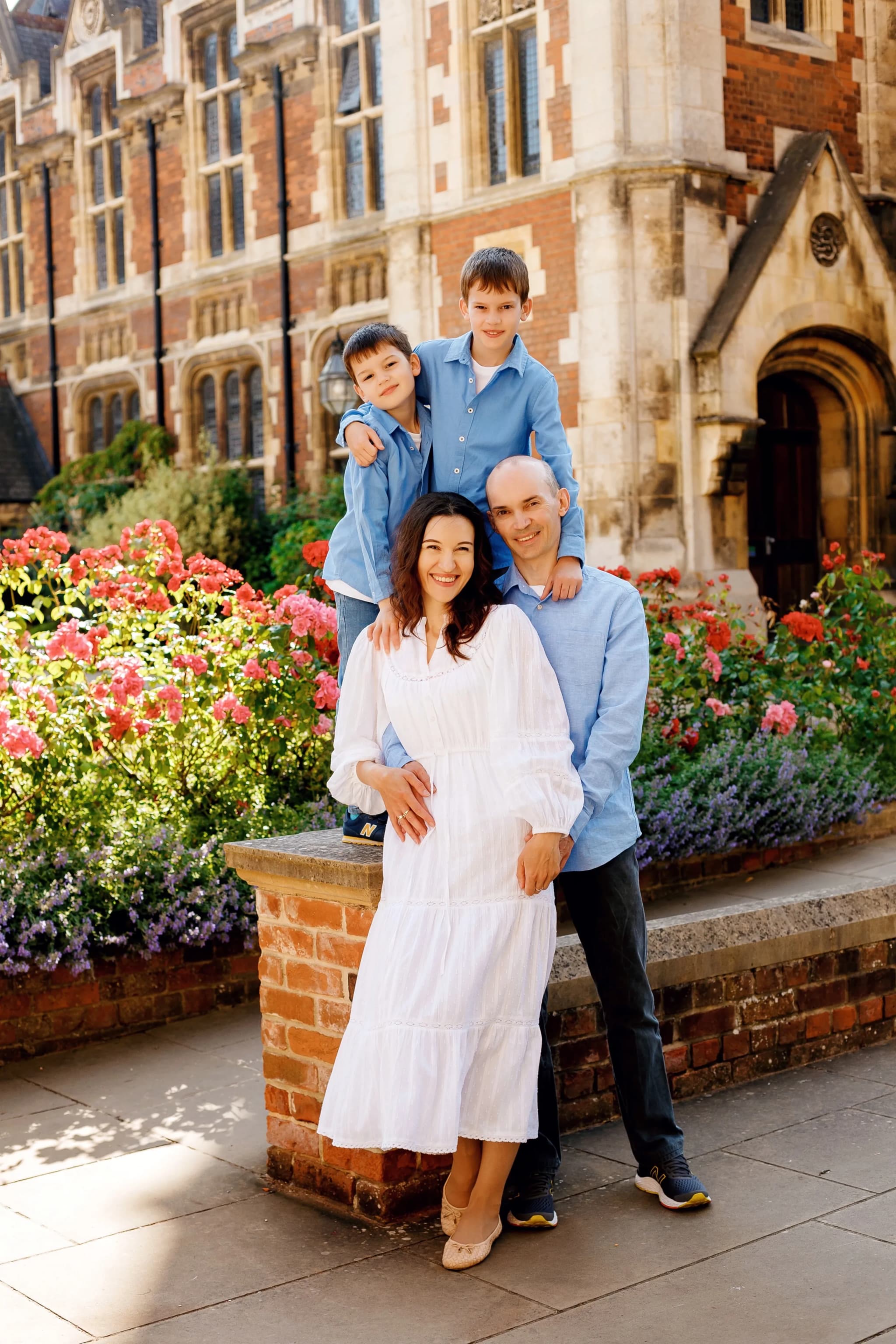
Simple, neutral clothing photographs best against the kind of clean, domestic backgrounds an in-home session uses. Soft knits, plain long-sleeved tops, and muted tones in cream, grey, sage, or soft blue tend to complement a newborn far better than bold patterns or bright primary colours, which can pull attention away from the baby and date the images more quickly when you look back at them in years to come.
It is worth choosing outfits for the whole family a few days ahead of the session rather than leaving it to the morning itself, since the days immediately following birth are unpredictable and the last thing anyone needs is a wardrobe decision added to the list. I am always happy to advise on colour choices if you send me a few options in advance of the day.
Timing and Feeding
Newborn sessions work best when the baby is sleepy and full. Plan the session to start after a full feed, not immediately after but once the initial waking is over and the baby is settled and drowsy. Most newborn sessions are scheduled for the morning, since parents have often been awake since the early hours and mornings before the day's exhaustion accumulates tend to produce a calmer, more cooperative baby than a late afternoon slot after a long day.
Sessions typically run two to four hours, and expect pauses for feeds, nappy changes, and settling throughout — this is completely normal, and I factor it into the session timing rather than treating it as an interruption. Nothing about this process should feel rushed. The pace of a newborn session is dictated by the baby, not by a clock, and the best images tend to come once everyone, baby included, has relaxed into that rhythm.
Pets and Older Children
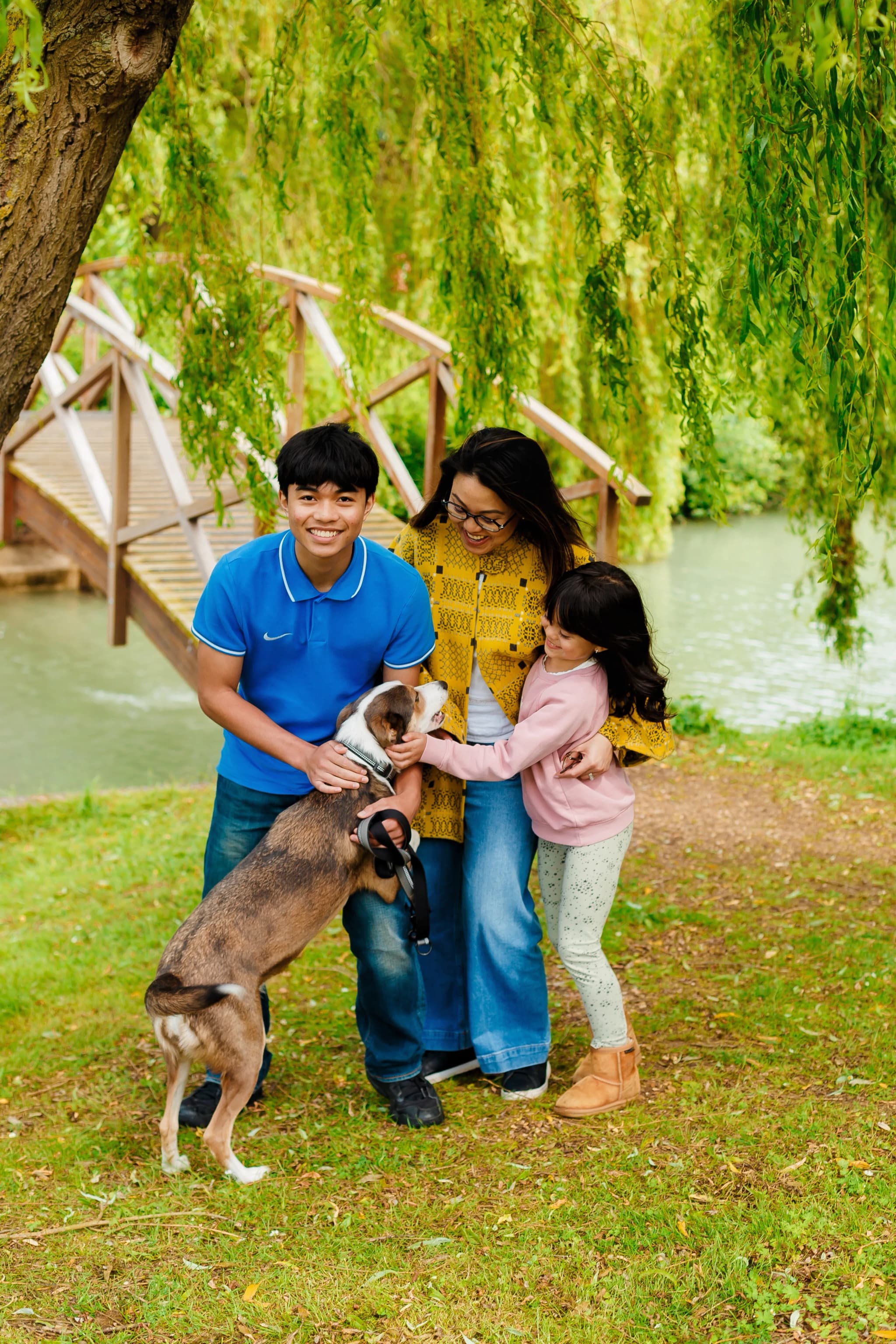
Pets and older siblings can be included in the session, and these are often the most naturally joyful images of the day — a toddler peering curiously at a new sibling, or a family dog settling protectively nearby, produces exactly the kind of genuine, unrepeatable moment that a purely posed newborn portrait cannot match. For older children, having a snack, a favourite toy, and something to occupy them between their involvement moments reduces frustration and keeps the mood light for everyone.
For pets, a brief, tiring walk before the session helps settle them for the inclusion shots, since a fully energetic dog is much harder to photograph calmly than one who has already had a chance to run around outside. Both pets and siblings are usually best included towards the start of the session while energy levels are highest, leaving the purely sleeping baby portraits, which require the most patience and stillness, for later once the household has settled into a calmer rhythm.
It is worth preparing an older sibling gently for the fact that a newborn is not always a very responsive photography subject, and that some of the session will simply involve them playing or being themselves nearby while I photograph quietly. Children who are told they need to sit still and pose tend to grow restless quickly, whereas children who are simply allowed to be themselves near their new sibling tend to produce the warmest, most natural images of the whole gallery. If you are expecting and would like to talk through booking an in-home session, get in touch in your second trimester to reserve your date.
See My Work
Newborn & Family Photography

Yana Skakun
Photographer · England
Professional wedding, family and portrait photographer based in England. Passionate about capturing authentic emotions and timeless moments.
About Yana →in-home newborn photographyhome newborn session tipsprepare home newborn photoshootnewborn photography at home UK
Newborn Tips — Newborn & Baby Photography in Cambridge & England
Newborn and baby sessions with Yana Skakun take place in the comfort of your own home — unhurried, led entirely by your baby's timings, and focused on the quiet intimacy of those first weeks. Sessions are available across Cambridge and the wider East of England. This guide — In-Home Newborn Photography: How to Prepare Your House for the Session — is part of the photography journal: practical, experience-based advice drawn from real sessions across England. Whether you arrived searching for in-home newborn photography or home newborn session tips, the same care and attention shapes every session Yana photographs.
Newborn & Baby Photography sessions are available year-round, with bookings open across Cambridge, Ely, Huntingdon, Peterborough, and further afield — East England, London, the Midlands, and beyond. If you have specific questions about prepare home newborn photoshoot, mention it in your enquiry. Get in touch through the contact form above to check availability and discuss your session. Enquiries are welcomed from anywhere in the UK.
Frequently Asked Questions
When is the best time to do newborn photos?+
The ideal window is 5–14 days after birth. At this stage, babies sleep deeply and curl naturally into gentle poses. After 3 weeks, they become more alert and less likely to sleep through a session. However, lifestyle newborn sessions (awake, at home) work beautifully at any age up to 3 months.
How do you keep a newborn safe during a photoshoot?+
A professional newborn photographer is trained in safe posing techniques. All composite poses (baby appearing to support their own weight) are achieved through careful post-processing — the baby is always fully supported. Sessions are kept warm (babies need to be comfortable), and only experienced photographers should attempt posed newborn work.
How long does a newborn photo session take?+
Newborn sessions typically take 2–4 hours. The pace is entirely led by the baby — time is built in for feeding, settling, and nappy changes. There's no rushing. Lifestyle sessions, which are more relaxed and home-based, usually take 1.5–2 hours.
What should parents wear for a newborn photoshoot?+
Soft, neutral tones work beautifully — cream, blush, grey, and muted earth tones keep the focus on the baby. Avoid bold patterns and logos. Comfort is important: parents should feel relaxed and natural in their outfits. Your photographer may send a styling guide in advance.
Can siblings be included in newborn photos?+
Yes — sibling images are among the most treasured photos families have. Plan for a sibling session at the beginning, when children are freshest and most cooperative. Keep their involvement short and positive, and have another adult present to manage them while the photographer focuses on the newborn.
Get in Touch
Ready to Book Your Session?
Get in touch to discuss your vision — I'll reply within 24 hours.