Yana Skakun

How to Be More Photogenic: Tips From a Portrait Photographer
By Yana Skakun·6 January 2034·6 min read
Almost every client tells me, at some point during a session, that they are "not photogenic." I hear it from confident professionals, from parents who look entirely at ease with their own children, from people whose everyday expressions are warm and open. It is one of the most common things said to me, and it is very rarely true in the way people mean it. Being photogenic, in the sense of consistently producing photographs you actually like, is not a fixed trait you either have or lack. It is a set of specific, learnable adjustments to angle, posture, and expression, and anyone can develop them with a little guidance and a bit of practice.
Photogenic Is a Skill, Not a Trait
The belief that some people simply photograph well and others do not usually traces back to a specific kind of bad evidence: candid holiday snaps taken from an unflattering angle in harsh midday sun by whoever happened to be holding the phone. Those photographs are genuinely unflattering, not because of anything about the person in them, but because of camera position, lighting, and timing entirely outside their control. Judging your photogenic potential from a stack of accidental phone photos is a bit like judging your singing voice from a recording made in a moving car.
During a professional session, most of the variables that make casual photos unflattering are controlled deliberately — camera height, the direction and softness of the light, the moment the shutter fires. What is left for you to influence is a much smaller and more manageable set of things: how you hold your body, where your eyes go, and how relaxed your expression is. Those things respond very directly to practice.
Angle: The Single Biggest Variable
Camera position relative to your face changes how you look more dramatically than almost anything else in a photograph. A lens positioned at or slightly above eye level elongates the appearance of the neck, narrows the apparent width of the jaw, and makes the eyes look larger and more open. A lens positioned below eye level does more or less the opposite, foreshortening the face and emphasising the jawline and chin in a way most people find unflattering.
Most unflattering phone photographs are taken from below, simply because of how people naturally hold a phone at arm's length and slightly downward. In any situation where you are photographing yourself, or asking someone to photograph you casually, holding the camera at or slightly above your own eye line and tilting your chin gently down towards the lens solves the majority of the "I look terrible in photos" complaints people bring to me. During a professional session, I control this for you, but understanding why it matters helps you relax into the direction rather than fighting it.
Posture Changes More Than You'd Expect
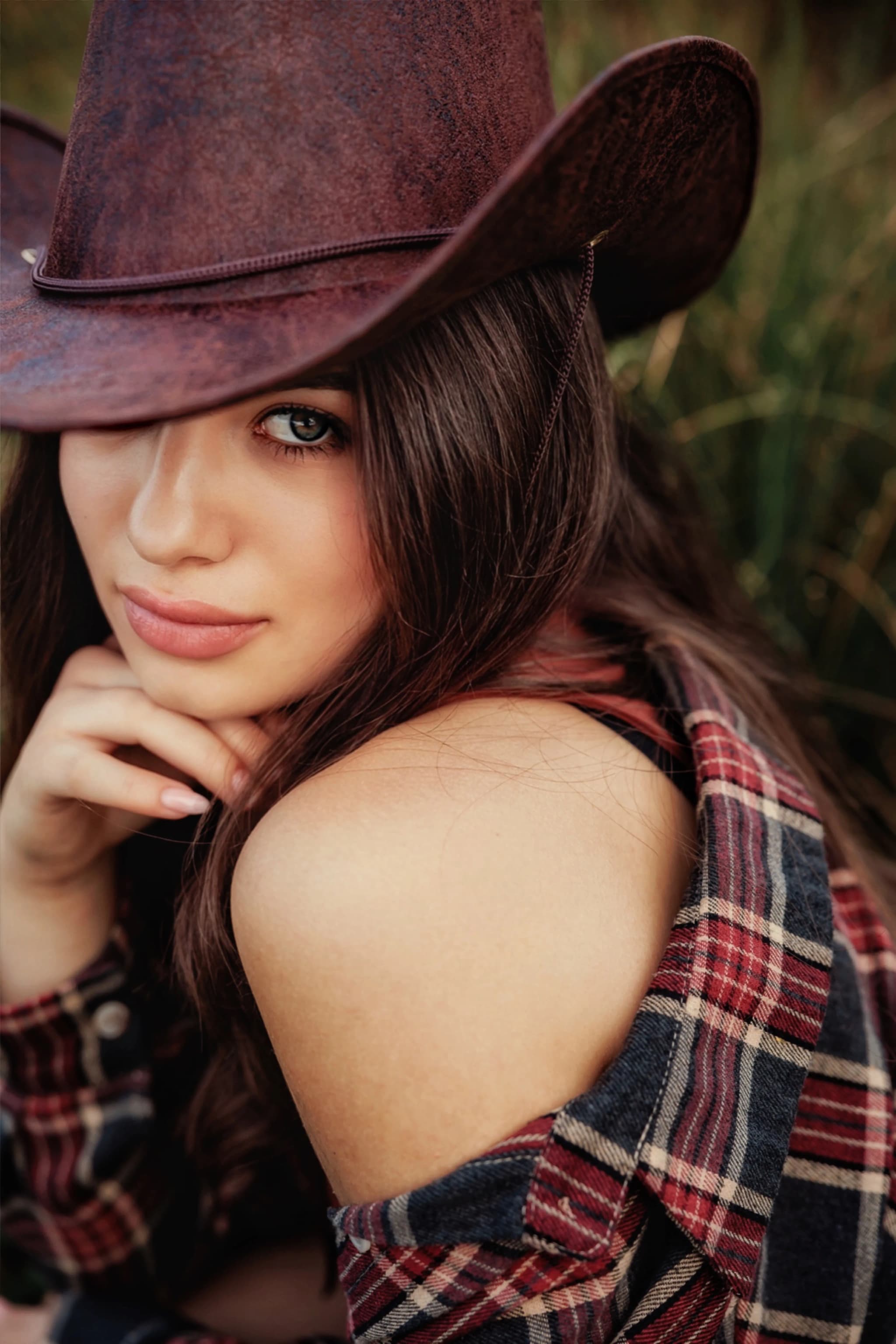
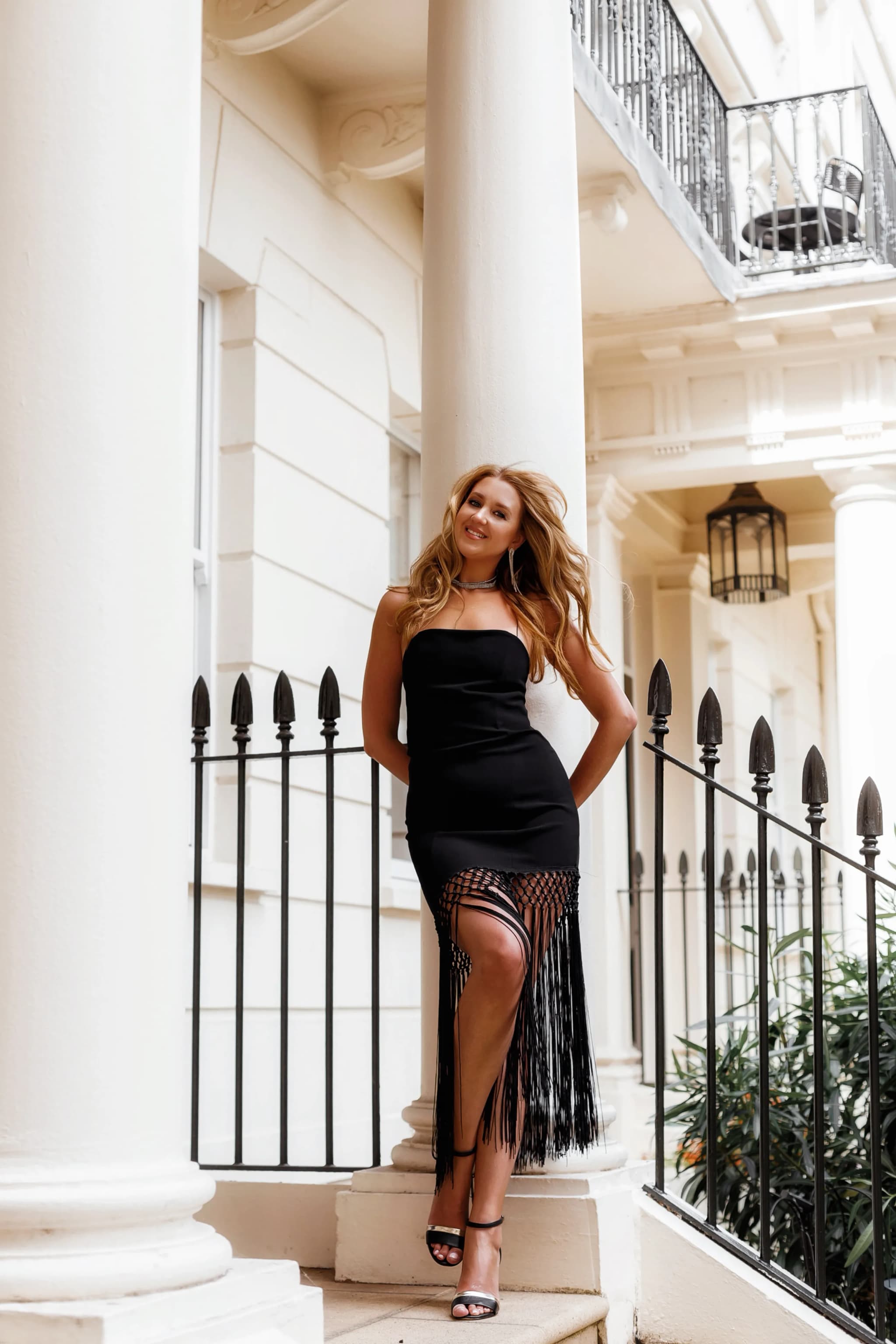
Good posture — an elongated spine, shoulders rolled gently back and down, chin brought slightly forward and angled down — does more than communicate confidence. It produces genuine, visible physical differences in a photograph: a longer neck, a more defined jawline, a cleaner and calmer shoulder line. The space this creates between your face and your shoulders reads as relaxed rather than tense, even in photographs where you feel anything but relaxed on the inside.
The single adjustment that changes the most for the least effort is pushing your chin very slightly forward toward the camera while keeping it angled downward. It feels strange the first time you try it, almost exaggerated, but it is the direct antidote to the instinctive response most people have when a camera appears, which is to pull the chin backward and slightly up. That instinctive pull-back is what creates the appearance many people describe as a double chin, even in people with no such feature in ordinary life. A few minutes of practising this in a mirror before a session makes an enormous difference on the day.
Weight distribution matters too. Standing with weight evenly balanced on both feet tends to look stiff in photographs; shifting weight onto one leg, with the other knee slightly softened, introduces a natural line through the body that reads as at ease rather than posed. It is a small adjustment, but it shows up clearly in the final images.
Eyes: Open, Relaxed, and Directed
The tense, over-wide "rabbit in headlights" look appears constantly in photographs of people who are not used to being photographed, and it almost always comes from a combination of trying to look alert and feeling a flicker of anxiety about the camera. The fix is slightly counterintuitive: soften your eyes rather than opening them wider. A very gentle squint, as though you are looking at something in comfortable bright light, is sometimes called "smizing," and it consistently produces eyes that look warm and engaged rather than startled and exposed.
Whether to look directly into the lens or slightly away is a genuine creative choice rather than a right-or-wrong decision. Direct eye contact creates intimacy and a sense of connection with whoever is viewing the photograph later. Looking slightly off-camera creates a more contemplative, editorial feeling. Both work well, and the best approach during a session is simply to vary between the two rather than holding one expression for the entire time.
A note on being directed during a session
None of this is something you need to manage alone. Working with a photographer who actively directs angle, posture, and expression throughout the session removes almost all of the guesswork, and most clients who arrive convinced they are "not photogenic" leave with a gallery that changes their mind entirely.
Get in touch about a portrait sessionHands and Expression Work Together
Hands are one of the most commonly overlooked elements of a photogenic pose, and they cause more discomfort than almost anything else for people unused to being photographed. Loose, dangling arms tend to photograph as tense rather than relaxed, because in reality nobody stands with their arms simply hanging while genuinely at ease. Giving your hands something to do — a gentle touch to your own arm, holding an object, resting lightly on a nearby surface — removes the self-consciousness of "what do I do with my hands" and produces a far more natural-looking result.
Expression works best when it responds to something real rather than being manufactured on command. A genuine laugh prompted by an actual joke, a soft smile that follows a real thought, or a moment of quiet concentration on a real task all photograph more convincingly than an expression held in place purely because someone said "smile." A good photographer works to create those real moments deliberately, through conversation, humour, and gentle direction, rather than simply asking for a fixed expression and hoping it looks natural.
Practising Before a Session
You do not need a camera to practise most of this. A mirror is enough. Try the chin-forward-and-down adjustment, notice how your neck lengthens and your jawline sharpens. Try shifting weight onto one leg and softening the other knee. Try the gentle squint and notice how different it feels from your usual expression when someone says "smile." None of this needs to feel natural in the mirror — it rarely does at first — it only needs to translate into the photograph, and it reliably does.
The other genuinely useful preparation is simply spending more time in front of a camera generally, even casually. Photogenic ease is, in large part, familiarity: the more often you are photographed by someone who directs you well, the less self-conscious the experience becomes and the more naturally these adjustments happen without conscious thought.
What a Good Photographer Does for You
Ultimately, the fastest route to photographs you genuinely love is working with someone who directs you actively through every one of these adjustments rather than leaving you to figure them out alone. I talk clients through angle, posture, and expression continuously during a session — not as a rigid script, but as a running conversation that adapts to what is and is not working for each individual. Most people find that within the first few minutes of gentle, specific direction, the tension they arrived with starts to disappear, and the photographs from that point onward look nothing like the ones they were dreading. If you would like to book a session and see this in practice, get in touch and we can talk through what you are hoping for.


Yana Skakun
Photographer · England
Professional wedding, family and portrait photographer based in England. Passionate about capturing authentic emotions and timeless moments.
About Yana →how to be photogenic tipslook better in photosphotogenic tips photographerhow to improve photos of yourself
Portrait Tips — Portrait Photography in Cambridge & England
Portrait sessions with Yana Skakun are unhurried and personal — designed to produce images that feel genuinely like you, not a performance. Sessions are available in Cambridge, across East England, and at locations throughout the UK. This guide — How to Be More Photogenic: Tips From a Portrait Photographer — is part of the photography journal: practical, experience-based advice drawn from real sessions across England. Whether you arrived searching for how to be photogenic tips or look better in photos, the same care and attention shapes every session Yana photographs.
Portrait Photography sessions are available year-round, with bookings open across Cambridge, Ely, Huntingdon, Peterborough, and further afield — East England, London, the Midlands, and beyond. If you have specific questions about photogenic tips photographer, mention it in your enquiry. Get in touch through the contact form above to check availability and discuss your session. Enquiries are welcomed from anywhere in the UK.
Frequently Asked Questions
How do I look natural in portrait photos?+
The key is to keep moving — walking, talking, laughing. Still poses often look stiff. A good portrait photographer will direct you gently rather than just pointing and shooting. Take a breath, drop your shoulders, and try to focus on something that makes you happy rather than worrying about how you look.
What should I wear for a portrait session?+
Wear something you feel good in — not something borrowed or brand new that you haven't worn before. Solid colours photograph better than busy patterns. Bring a second outfit for variety. Think about the location: flowing fabrics work beautifully outdoors; tailored looks suit urban settings.
How long does a portrait session take?+
Standard portrait sessions last 60–75 minutes. This allows enough time to warm up, try different locations and poses, and explore a couple of looks without rushing. If you're very camera-shy, a longer session helps — the more relaxed you become, the better the final images.
What locations are best for outdoor portrait photography?+
Gardens, parks, riverside paths, woodland, and areas with interesting architecture all make great portrait backgrounds. The most important factor is light — a location with open shade or soft directional light will always photograph better than a technically beautiful spot in harsh midday sun.
What is the difference between a portrait session and a headshot session?+
Portrait sessions focus on you as a whole person — full-body, three-quarter, and close-up images in a relaxed, often outdoor setting. Headshot sessions focus specifically on professional or actor headshots: face and upper body, often in a controlled setting with consistent, professional lighting.
Continue Reading
Related Articles
Portrait Tips
Glasses and Glare in Photography: How to Get Great Results
6 min read · Read Article
Portrait Tips
Fake Tan Before a Photoshoot: Timing, Application, and What Can Go Wrong
6 min read · Read Article
Portrait Tips
Hair and Makeup for a Photoshoot: What Photographs Well
7 min read · Read Article
Get in Touch
Ready to Book Your Session?
Get in touch to discuss your vision — I'll reply within 24 hours.