Yana Skakun
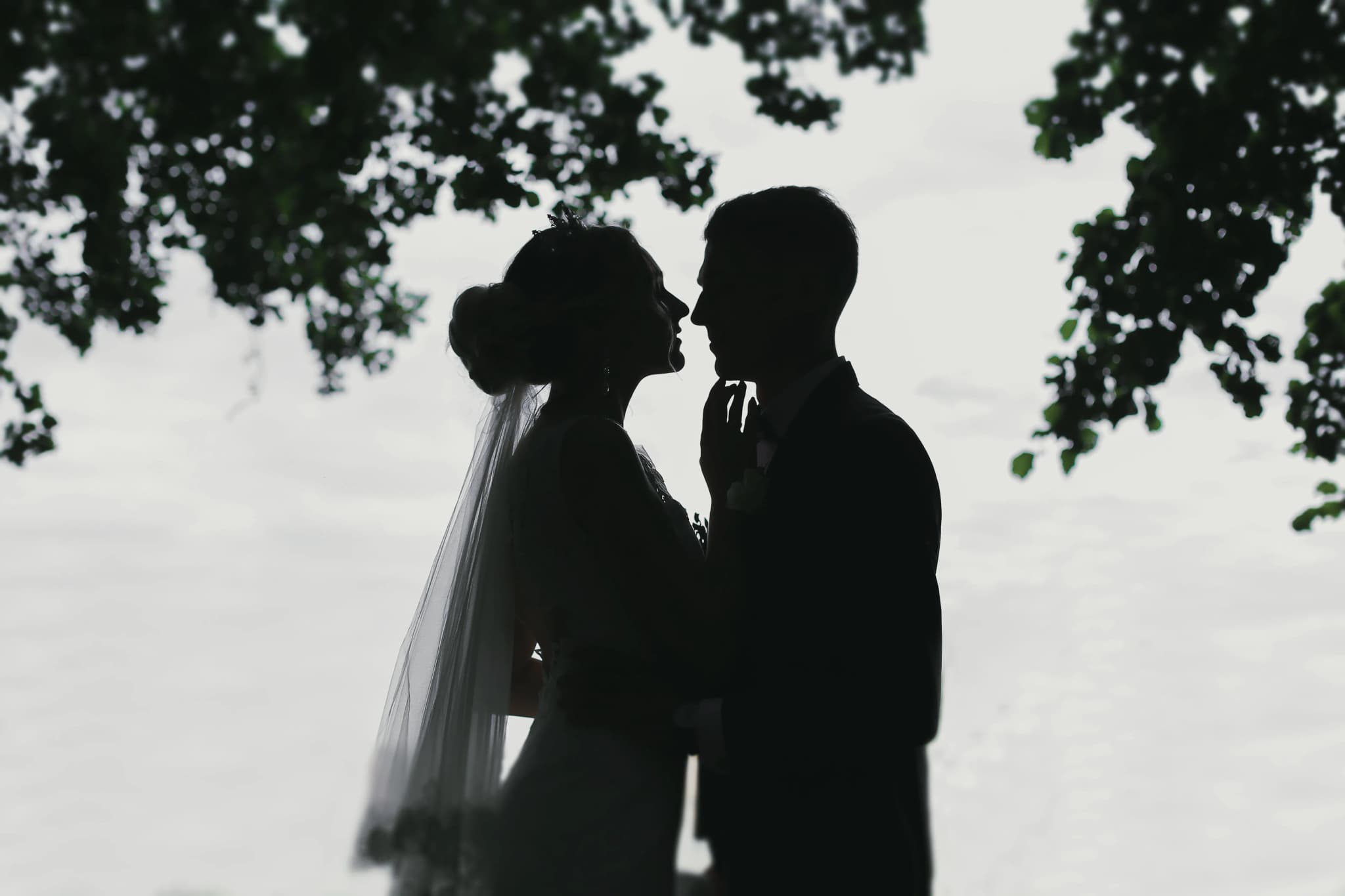
How to look good in photos: Yana's top tips for natural, flattering results
By Yana Skakun·5 June 2025·6 min read
“I don't photograph well” — I hear this almost every session. And I'm here to tell you: it's almost never true. What most people mean is that they haven't had the right photographer, the right conditions, or the right guidance. Here are the tips I share with every client before their session.
1. Posture Is Everything
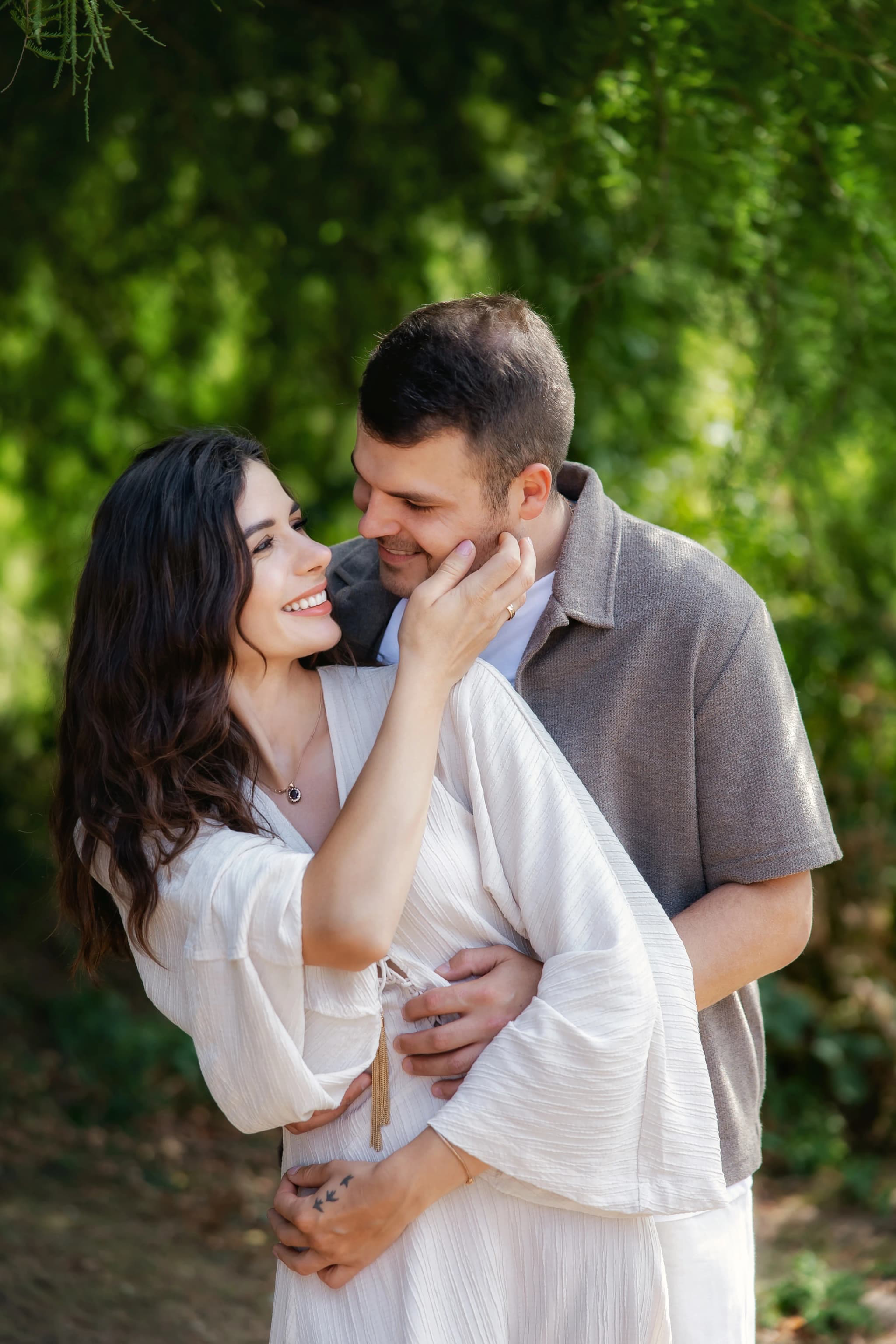
Good posture instantly makes anyone look more confident and slimmer in photos. The trick: pull your shoulders back and down, slightly elongate your neck, and angle your body at 45 degrees to the camera rather than facing it head-on. Direct front-on shots can make anyone look wider than they are.
For seated shots: sit slightly forward on the chair rather than leaning back, with your back straight. This creates a natural, engaged posture.
💡 The “push your face slightly forward and down” trick: this elongates the neck and reduces double chin in photos. It feels odd but looks great.
2. Find Your Best Side
Most people have a slightly preferred side — the side that photographs better. Look at photos of yourself and identify which you prefer. During your session, tell your photographer and they'll shoot accordingly.
In general, having the light source slightly to the side (rather than directly in front or behind) creates more dimension and flatters face shape.
3. Wear What Makes You Feel Like You
The biggest secret to looking good in photos? Wearing something you genuinely love and feel comfortable in. Confidence shows through the lens — and if you feel self-conscious or uncomfortable in your outfit, it will show.
Avoid stiff, uncomfortable clothing you don't normally wear. Choose fabrics that move well, colours that complement your skin tone, and a fit that you know works for you.
4. The Eyes Are Everything
Eyes connect viewers to a photograph. A few techniques that work brilliantly:
- ◆Squinch (not squint): Slightly tighten the lower eyelid — it makes eyes look more focused and confident. Practice this in the mirror.
- ◆Think of something that makes you genuinely happy: A real smile reaches the eyes. Think of a person or moment that genuinely moves you.
- ◆Look slightly away, then back at the camera: This creates a natural, focused gaze rather than a deer-in-headlights stare.
5. Relax — It Really Shows
Tension in the body shows clearly in photographs — tight jaw, stiff shoulders, forced smiles. The most flattering photos come from moments when you're genuinely relaxed and engaged.
My approach is to spend time getting to know you before we start shooting — chatting, walking around the location, getting comfortable. By the time the camera comes out, most clients have completely forgotten about it.
6. Light Is the Photographer's Job
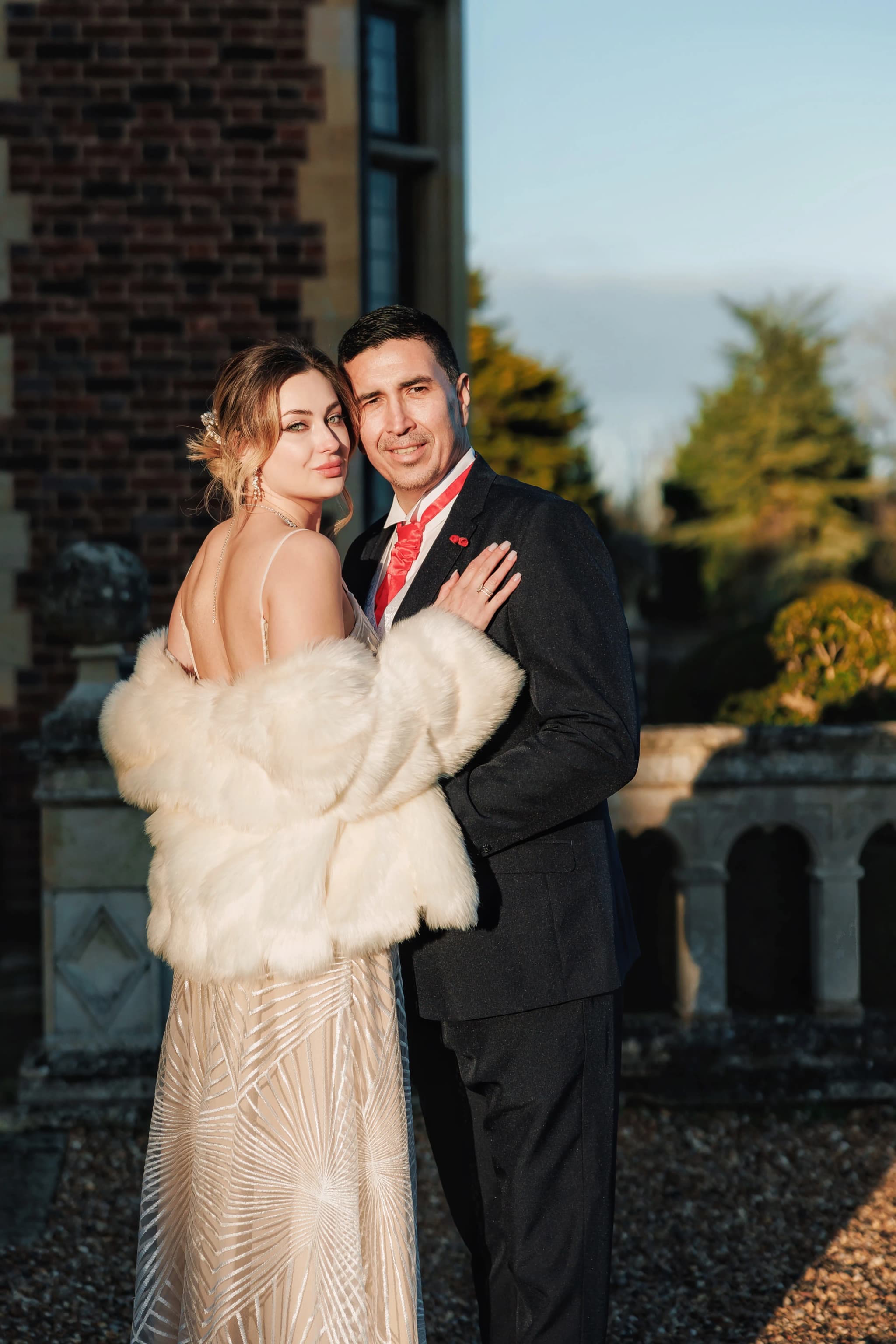
Here's a secret: the way you look in photos is largely about the light, not about you. Harsh overhead sunlight creates unflattering shadows. Soft, directional light — like golden hour, open shade, or north-facing window light — is universally flattering.
When you book with a professional photographer, you're paying for their knowledge of light just as much as their camera skills. Trust your photographer to find the best light for you.
Ready to see how great you can look?
Book a portrait session — relaxed, unhurried, and genuinely enjoyable. You might just surprise yourself.
Portrait Sessions →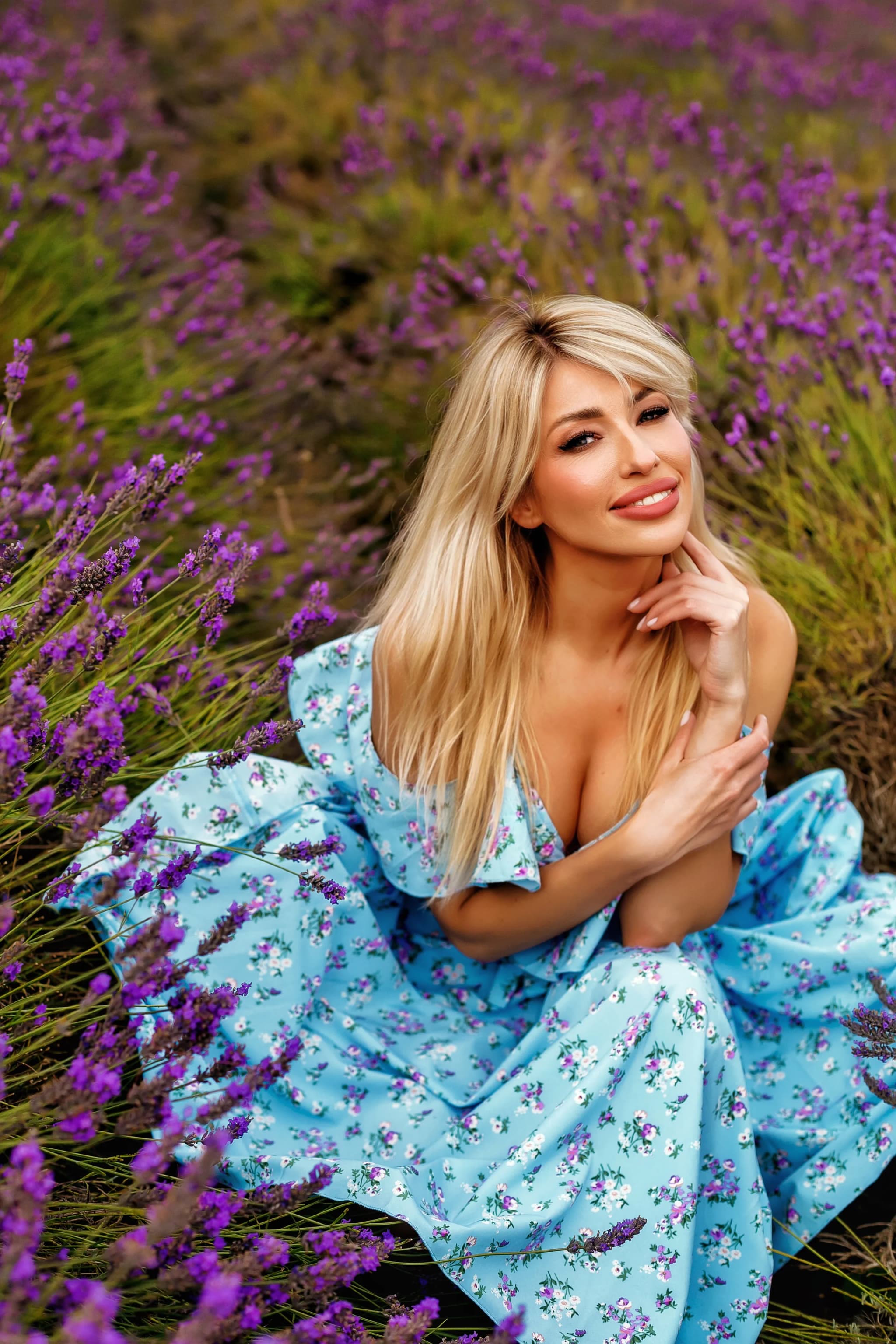

Yana Skakun
Photographer · England
Professional wedding, family and portrait photographer based in England. Passionate about capturing authentic emotions and timeless moments.
About Yana →how to look good in photostips for looking good in photosphotogenic tips UKportrait photography tips Englandhow to pose for photos
Photography Tips — Professional Photography in Cambridge & England
Yana Skakun is a professional photographer based in Cambridge, specialising in wedding, family, and portrait photography across England. Every session is personal — planned around your story, your people, and the moments that matter most. This guide — How to look good in photos: Yana's top tips for natural, flattering results — is part of the photography journal: practical, experience-based advice drawn from real sessions across England. Whether you arrived searching for how to look good in photos or tips for looking good in photos, the same care and attention shapes every session Yana photographs.
Professional Photography sessions are available year-round, with bookings open across Cambridge, Ely, Huntingdon, Peterborough, and further afield — East England, London, the Midlands, and beyond. If you have specific questions about photogenic tips uk, mention it in your enquiry. Get in touch through the contact form above to check availability and discuss your session. Enquiries are welcomed from anywhere in the UK.
Frequently Asked Questions
What camera settings should I use for outdoor portraits?+
For outdoor portraits, shoot in aperture priority mode. Use a wide aperture (f/1.8–f/2.8) to blur the background and isolate your subject. Keep ISO as low as possible in good light. In bright conditions, use a neutral density filter or switch to manual to avoid overexposure at wide apertures.
What is the golden hour in photography?+
Golden hour is the period roughly 30–60 minutes after sunrise and before sunset. The sun is low in the sky, producing warm, soft, directional light that flatters skin tones and creates beautiful long shadows. It's widely considered the best natural light for portrait and outdoor photography.
How do you get sharp photos in low light?+
In low light, increase your ISO (accepting some grain), use the widest aperture your lens allows, and slow your shutter speed to the slowest you can hand-hold without camera shake (roughly 1/focal length as a guide). Use image stabilisation if available, and consider a tripod for static subjects.
What is the rule of thirds in photography?+
The rule of thirds divides the frame into a 3×3 grid. Placing your subject on one of the four intersection points — rather than dead centre — creates a more dynamic, visually interesting composition. It's a guideline, not a rule: some of the most powerful images break it deliberately.
How do you edit photos to look professional?+
Professional editing starts with shooting in RAW format. In Lightroom or similar software, correct exposure, white balance, and contrast first. Recover shadow and highlight detail. Apply gentle colour grading for mood. Be conservative with skin retouching — the goal is natural enhancement, not transformation. Consistency across a set of images is what separates professional from amateur editing.
Continue Reading
Related Articles

Photography Tips
Photography Gift Vouchers: The Most Personal Present You Can Give
5 min read · Read Article
Photography Tips
Photo Books vs Photo Albums: What Is the Difference and Which Is Better?
5 min read · Read Article
Photography Tips
Photo Gift Ideas: Turning Professional Images into Meaningful Presents
5 min read · Read Article
Get in Touch
Ready to Book Your Session?
Get in touch to discuss your vision — I'll reply within 24 hours.