Yana Skakun
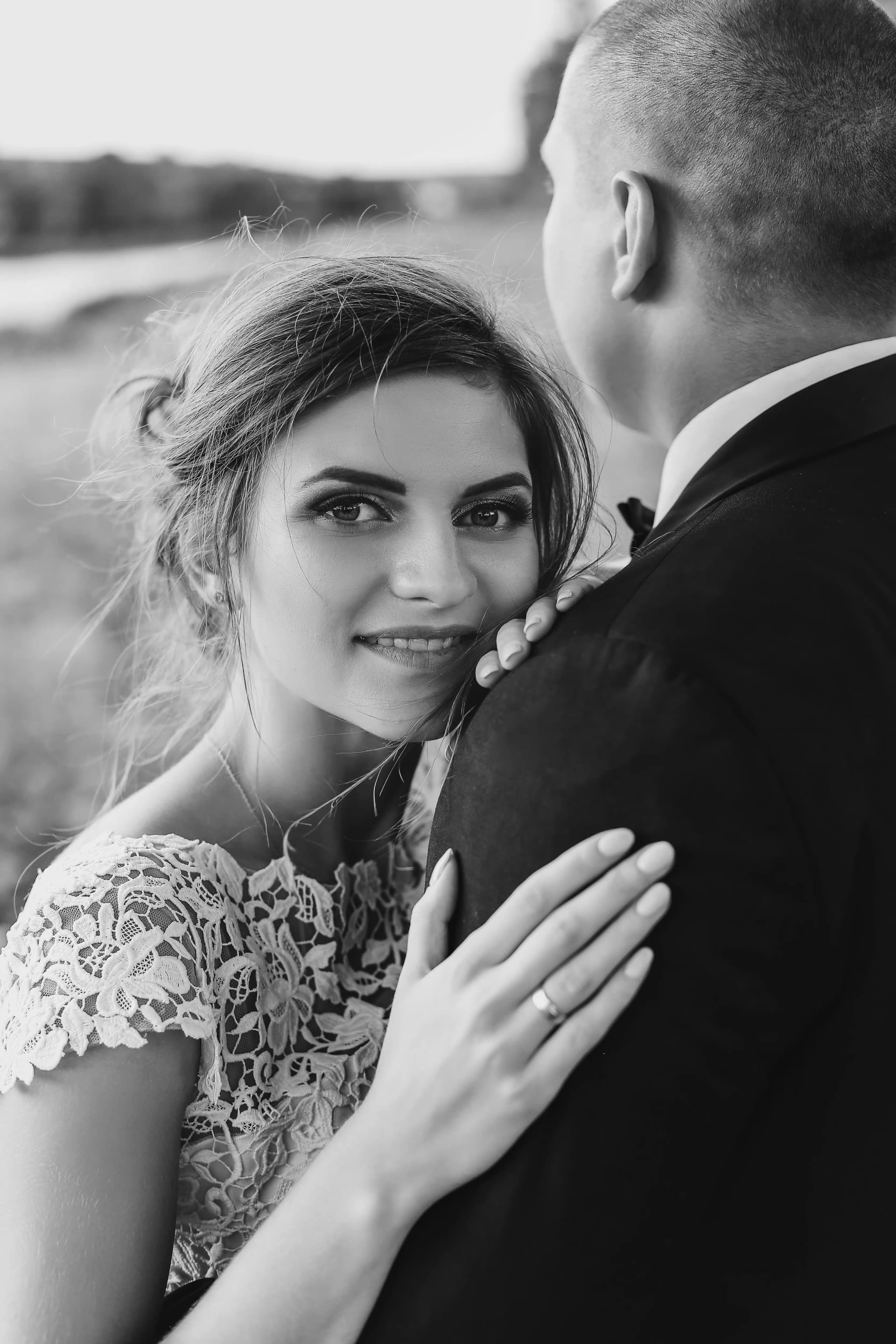
How to Prepare for Your Portrait Session: A Complete UK Guide
By Yana Skakun·27 March 2026·6 min read
Most people think about what to wear right before their portrait session and not much else. The sessions that go smoothly — where the photographs look effortless — are usually the ones where someone thought ahead about a few practical things. This is a straightforward preparation guide that applies whether you are booking headshots, a family session, a personal brand shoot, or a maternity portrait.
Communicate with your photographer before the day
The single most useful thing you can do before a portrait session is have a brief conversation with your photographer about what you want. Photographers cannot read minds. If you hate full-length shots, say so. If you have a feature you are self-conscious about, mention it — a good photographer will adjust angles without drawing attention to it. If you have a particular image from their portfolio that you love the feel of, share it.
The information that matters: what the images are for (website, social media, personal use, gifts), how camera-confident you are, any relevant physical considerations, and any locations or visual references you have in mind. Ten minutes of messaging before the session is worth an hour of post-production adjustment during editing.
Choosing what to wear
Solid colours, muted tones, and textures read well on camera. Avoid logos, slogans, and small busy patterns — fine stripes, checks, and intricate prints can create visual noise in photographs that is not apparent to the eye. High-contrast combinations, such as a very white top with very dark trousers, can make exposure balancing harder.
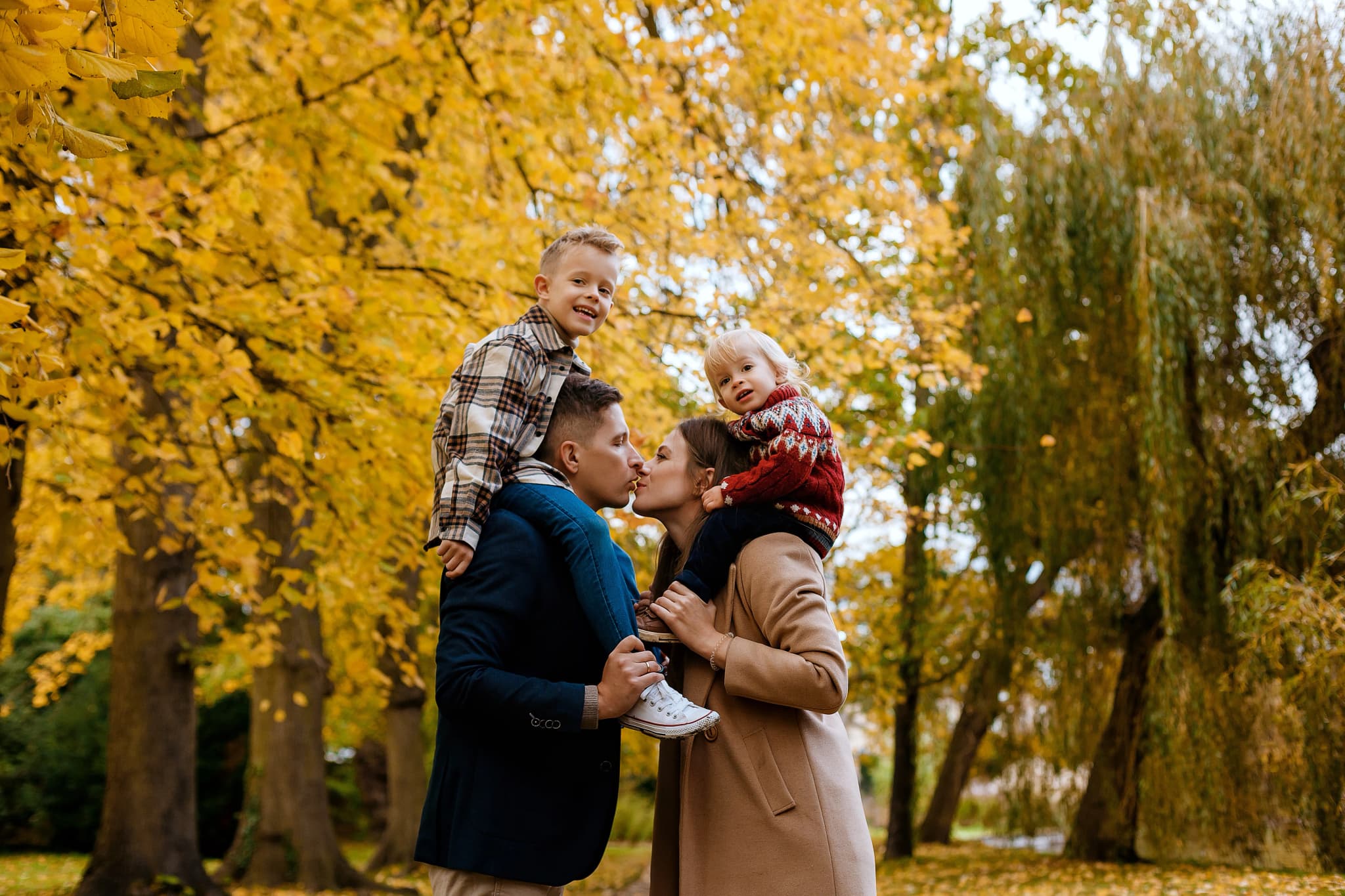
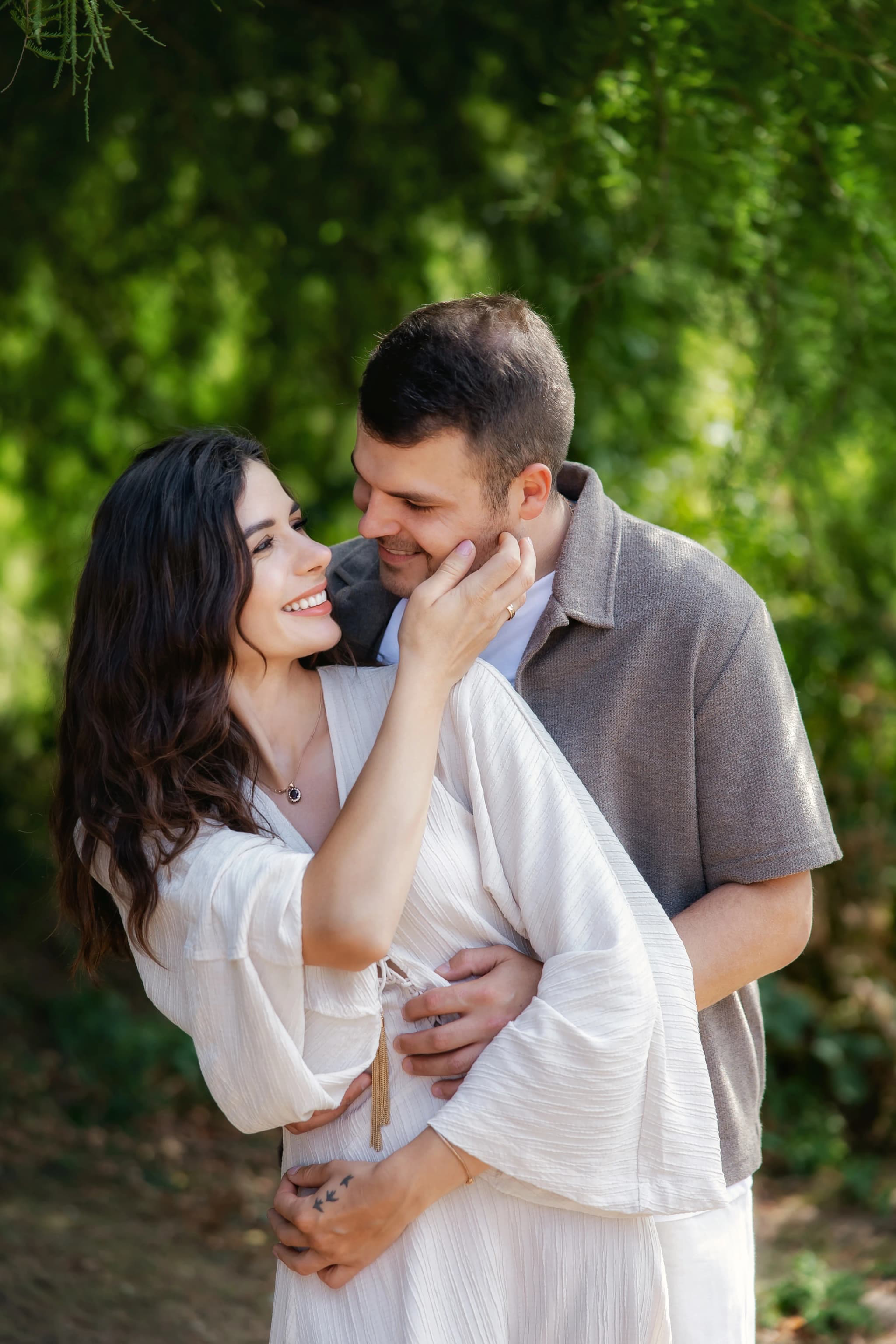
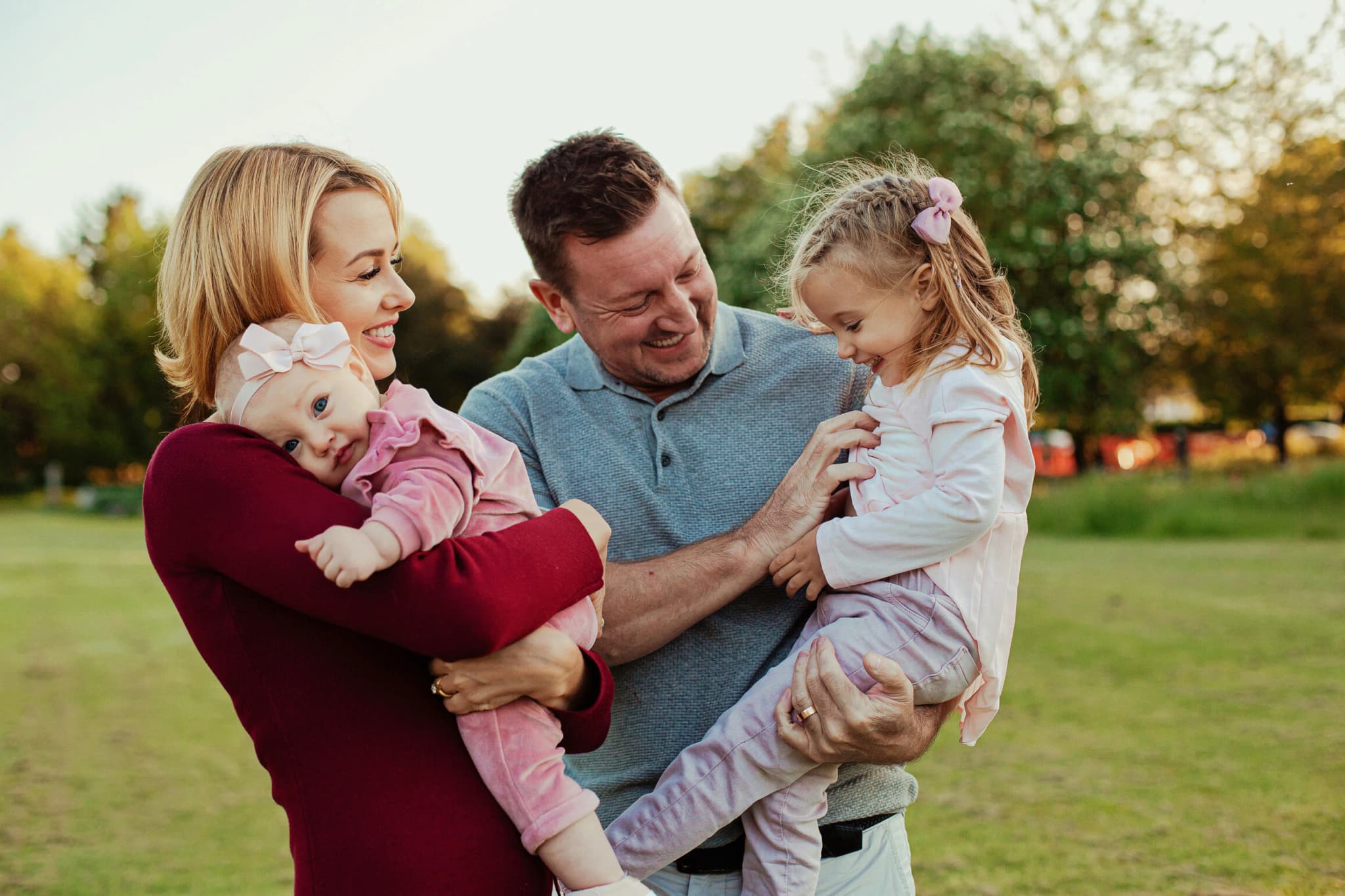
For family sessions, aim for colour coordination rather than identical outfits. Choose a palette of two or three tones that work together and let each person express their character within it. Match the aesthetic to the setting: earthy tones work beautifully outdoors; cleaner, cooler tones may suit a more contemporary or urban look.
Bring more options than you think you need. It is easy to choose from two looks on the day and discard the third. It is frustrating to wish you had brought the outfit you left behind. For longer sessions or those requiring varied output, having a change of clothes is genuinely useful.
Hair and grooming
For headshots and portrait sessions where your face is the subject: have a haircut at least a week before, not the day before. Fresh cuts sometimes look slightly abrupt. If you colour your hair, allow time for the colour to settle a day or two after treatment.
For outdoor sessions, consider that wind and movement are factors. If you prefer a polished appearance, bring what you need to refresh during the session rather than relying on staying perfect throughout. Many photographers build short pauses into longer sessions for exactly this reason.
On the day: practical preparation
- ◆Arrive well-rested. Tired eyes are difficult to correct in editing and they show particularly in headshots.
- ◆Eat beforehand and bring water. Sessions where someone is hungry or dehydrated move more slowly and produce more tension in expressions.
- ◆Arrive a few minutes early to settle. The first five minutes of any portrait session are usually the most stiff — give yourself room to arrive and decompress before shooting starts.
- ◆Bring any accessories you plan to wear, and a neutral backup version of your outfit in case of indecision.
- ◆For family sessions with children: build in a realistic timeline with buffer for unpredictability.
- ◆Turn your phone to silent and ideally hand it to someone else for the session duration.
Mental preparation
Most people who describe themselves as unphotogenic have simply had inadequate photographers or unflattering conditions. Professional portrait photography is a managed process — light, angle, expression, and timing are all within the photographer's control. Your job is to show up and engage with the process; their job is to find what works for you.
If you are nervous, say so. Photographers who work regularly with general members of the public rather than professional models are experienced at working with self-consciousness and will take their time with direction without making you feel awkward about needing it.
Ready to book?
If you have any questions about what to prepare or what to expect from your session, I am always happy to chat beforehand. Get in touch and we can plan it together.

Yana Skakun
Photographer · England
Professional wedding, family and portrait photographer based in England. Passionate about capturing authentic emotions and timeless moments.
About Yana →how to prepare portrait session UKportrait session preparation tipsportrait photoshoot guidebefore portrait session checklist
Photography Tips — Professional Photography in Cambridge & England
Yana Skakun is a professional photographer based in Cambridge, specialising in wedding, family, and portrait photography across England. Every session is personal — planned around your story, your people, and the moments that matter most. This guide — How to Prepare for Your Portrait Session: A Complete UK Guide — is part of the photography journal: practical, experience-based advice drawn from real sessions across England. Whether you arrived searching for how to prepare portrait session uk or portrait session preparation tips, the same care and attention shapes every session Yana photographs.
Professional Photography sessions are available year-round, with bookings open across Cambridge, Ely, Huntingdon, Peterborough, and further afield — East England, London, the Midlands, and beyond. If you have specific questions about portrait photoshoot guide, mention it in your enquiry. Get in touch through the contact form above to check availability and discuss your session. Enquiries are welcomed from anywhere in the UK.
Frequently Asked Questions
What camera settings should I use for outdoor portraits?+
For outdoor portraits, shoot in aperture priority mode. Use a wide aperture (f/1.8–f/2.8) to blur the background and isolate your subject. Keep ISO as low as possible in good light. In bright conditions, use a neutral density filter or switch to manual to avoid overexposure at wide apertures.
What is the golden hour in photography?+
Golden hour is the period roughly 30–60 minutes after sunrise and before sunset. The sun is low in the sky, producing warm, soft, directional light that flatters skin tones and creates beautiful long shadows. It's widely considered the best natural light for portrait and outdoor photography.
How do you get sharp photos in low light?+
In low light, increase your ISO (accepting some grain), use the widest aperture your lens allows, and slow your shutter speed to the slowest you can hand-hold without camera shake (roughly 1/focal length as a guide). Use image stabilisation if available, and consider a tripod for static subjects.
What is the rule of thirds in photography?+
The rule of thirds divides the frame into a 3×3 grid. Placing your subject on one of the four intersection points — rather than dead centre — creates a more dynamic, visually interesting composition. It's a guideline, not a rule: some of the most powerful images break it deliberately.
How do you edit photos to look professional?+
Professional editing starts with shooting in RAW format. In Lightroom or similar software, correct exposure, white balance, and contrast first. Recover shadow and highlight detail. Apply gentle colour grading for mood. Be conservative with skin retouching — the goal is natural enhancement, not transformation. Consistency across a set of images is what separates professional from amateur editing.
Continue Reading
Related Articles

Photography Tips
Photography Gift Vouchers: The Most Personal Present You Can Give
5 min read · Read Article
Photography Tips
Photo Books vs Photo Albums: What Is the Difference and Which Is Better?
5 min read · Read Article
Photography Tips
Photo Gift Ideas: Turning Professional Images into Meaningful Presents
5 min read · Read Article
Get in Touch
Ready to Book Your Session?
Get in touch to discuss your vision — I'll reply within 24 hours.