Yana Skakun

A Guide to Photographing Flower Girls and Junior Bridesmaids
By Yana Skakun·10 June 2026·6 min read
Flower girls and junior bridesmaids are, in my experience, the most unpredictable members of any wedding party — and quite often the source of the very best photographs of the day. After more than a decade shooting weddings across Cambridgeshire and Suffolk, I've learned that the trick isn't posing these young attendants at all. It's reading their mood, working at their pace, and being ready to catch the small, fleeting moments of wonder that no amount of direction could ever stage.
Why Young Attendants Need a Different Approach
A six-year-old has no interest in your shot list. She wants to know where the cake is, whether she can keep her petals, and why everyone keeps telling her to smile. The moment you treat a flower girl like a miniature adult who'll hold a pose, you've lost her — and the resulting photos look exactly as stiff as the experience felt.
Junior bridesmaids, usually somewhere between nine and fourteen, sit in a different and rather tender space. They're old enough to feel self-conscious but young enough to still be delighted. I treat them with the same respect I'd give an adult bridesmaid, asking before I take close portraits and letting them choose how they want to stand. That small courtesy almost always relaxes them into something genuine.
The guiding principle for both is the same: your job is to follow, not to lead. The candid charm parents treasure for years comes from observation, not instruction.
Timing Is Everything With Little Ones
If there is one lesson I'd press on every couple, it's this: photograph the children early. A flower girl at ten in the morning, fresh from breakfast and excited about her dress, is a completely different person from the same child at four in the afternoon, having skipped her nap and run on cake and squash all day. The window for cheerful cooperation is narrow, so we use it.
I always factor young attendants into the morning preparations and the ceremony, then quietly release them from formal duties afterwards. By the time the confetti has settled, I've usually got everything I need from them and they're free to be children. That single scheduling decision saves a great deal of stress for everyone, parents most of all.
Junior Bridesmaid Photo Ideas That Actually Work
When people ask me for junior bridesmaid photo ideas, they're often picturing perfectly arranged group shots. In truth, the images families love most come from activity and connection rather than arrangement. Here are the setups I return to at almost every wedding, because they produce natural results without demanding anything a tired child can't give.
- ◆The petal toss: Hand her a basket and let her scatter petals down the aisle or across a lawn. The concentration and joy on her face is unbeatable, and you'll get motion in the falling petals too.
- ◆Mirroring the bride: Place a junior bridesmaid beside the bride doing the same thing — holding a bouquet, adjusting a veil, laughing. The size difference and shared gesture tells a quiet story.
- ◆The quiet moment: Children often retreat to a window or a quiet corner. Hang back and photograph them there; these reflective, unposed frames are the ones parents frame.
- ◆Hand-in-hand walking: Ask an older attendant to walk a younger one across the grounds. Shoot from behind as they go — no faces needed, just connection.
- ◆The getting-ready glance: During prep, catch the flower girl watching the bride have her hair done. That look of fascination is pure gold and entirely candid.
- ◆Play between formals: Leave a few minutes between group shots for the children to run, twirl or chase each other. The dress in motion under a Suffolk sky is far lovelier than any static line-up.
Keeping Spirits High When the Weather Turns
We are in England, so I plan for rain at every wedding regardless of the forecast. For young attendants, a grey day at a barn near Newmarket or a country house in the Fens can actually work in your favour. Soft, even light flatters small faces beautifully, and a covered cloister or a wide doorway gives the children somewhere to play while staying dry.
I keep a few low-tech tricks in my kit: a packet of bubbles tucked into my bag works wonders, because a child chasing bubbles forgets the camera entirely. I also brief one trusted adult — usually a parent or a kind aunt — to stand just behind me. When the child looks to them for reassurance, her eyes land near my lens, and the smile that follows is real rather than performed.
Above all, I never bribe with "just one more photo." If a flower girl has had enough, I stop. Pushing a tired child sours not only her mood but the atmosphere of the whole party, and there is always another natural moment coming if you're patient enough to wait for it.
Letting Parents Relax Into the Day
Much of my work with children is really reassurance aimed at the adults. Parents worry their little one will misbehave in front of the camera, and that anxiety transmits straight to the child. So I tell families early: there is no such thing as a flower girl behaving badly in my photographs. The wobbles, the sulks and the spontaneous lie-downs on the grass are part of the story, and years from now they'll be the frames everyone laughs over.
When the pressure to perform lifts, children become themselves, and that is exactly what I'm there to document. A wedding gains so much warmth from the youngest guests — the gap-toothed grins, the oversized bouquets, the determined march down the aisle. Give them room to be small, and they'll give your wedding album its heart.
Planning a wedding with little ones in the party?
I'd love to capture the candid charm of your flower girls and junior bridesmaids alongside the rest of your day, here in Cambridgeshire or wherever you're celebrating. Let's talk about your plans.
Check Your Date →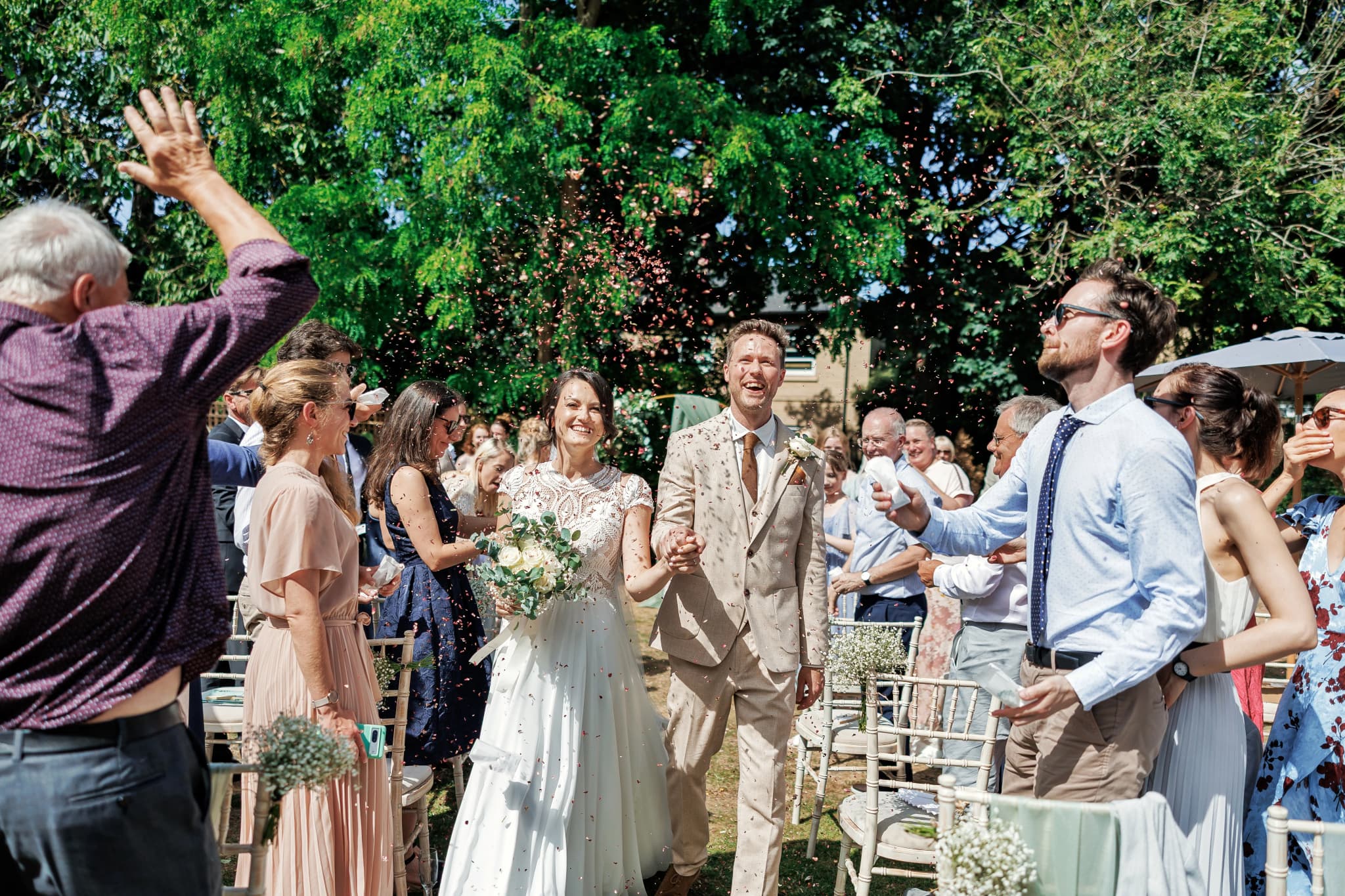

Yana Skakun
Photographer · England
Professional wedding, family and portrait photographer based in England. Passionate about capturing authentic emotions and timeless moments.
About Yana →juniorbridesmaidflowerphotographing
Wedding Inspiration — Professional Photography in Cambridge & England
Yana Skakun is a professional photographer based in Cambridge, covering weddings, families, and portraits across England. Every session is personal — planned around your story, your people, and the moments that matter most. This guide — A Guide to Photographing Flower Girls and Junior Bridesmaids — is part of the photography journal: practical, experience-based advice drawn from real sessions across England. Whether you arrived searching for junior or bridesmaid, the same care and attention shapes every session Yana photographs.
Professional Photography sessions are available year-round, with bookings open across Cambridge, Ely, Huntingdon, Peterborough, and further afield — East England, London, the Midlands, and beyond. If you have specific questions about flower, mention it in your enquiry. Get in touch through the contact form above to check availability and discuss your session. Enquiries are welcomed from anywhere in the UK.
Frequently Asked Questions
What camera settings should I use for outdoor portraits?+
For outdoor portraits, shoot in aperture priority mode. Use a wide aperture (f/1.8–f/2.8) to blur the background and isolate your subject. Keep ISO as low as possible in good light. In bright conditions, use a neutral density filter or switch to manual to avoid overexposure at wide apertures.
What is the golden hour in photography?+
Golden hour is the period roughly 30–60 minutes after sunrise and before sunset. The sun is low in the sky, producing warm, soft, directional light that flatters skin tones and creates beautiful long shadows. It's widely considered the best natural light for portrait and outdoor photography.
How do you get sharp photos in low light?+
In low light, increase your ISO (accepting some grain), use the widest aperture your lens allows, and slow your shutter speed to the slowest you can hand-hold without camera shake (roughly 1/focal length as a guide). Use image stabilisation if available, and consider a tripod for static subjects.
What is the rule of thirds in photography?+
The rule of thirds divides the frame into a 3×3 grid. Placing your subject on one of the four intersection points — rather than dead centre — creates a more dynamic, visually interesting composition. It's a guideline, not a rule: some of the most powerful images break it deliberately.
How do you edit photos to look professional?+
Professional editing starts with shooting in RAW format. In Lightroom or similar software, correct exposure, white balance, and contrast first. Recover shadow and highlight detail. Apply gentle colour grading for mood. Be conservative with skin retouching — the goal is natural enhancement, not transformation. Consistency across a set of images is what separates professional from amateur editing.
Continue Reading
Related Articles

Wedding Inspiration
Black Wedding Dress Photography: Styling the Anti-Bride Gown
6 min read · Read Article

Wedding Inspiration
10 Traditions You Can Ditch at Your Anti-Bride Wedding
6 min read · Read Article

Wedding Inspiration
What is a Quiet Luxury Wedding? The Old Money Aesthetic Explained
6 min read · Read Article
Get in Touch
Ready to Book Your Session?
Get in touch to discuss your vision — I'll reply within 24 hours.