Yana Skakun

Lifestyle Photography: What It Is and Why It's So Popular
By Yana Skakun·14 April 2033·7 min read
Every few months a client asks me some version of the same question: why do the photographs I take of them making tea in their own kitchen, or walking the dog along the river, or laughing at something out of frame, end up meaning more to them than the beautifully lit studio portrait they had done years ago. I understand the instinct behind the question, because on paper the studio portrait should win — better lighting control, a plain background, a photographer with full attention on getting the technical details right. But the lived experience of looking at photographs tells a different story, and it is one I have watched play out with client after client. This is lifestyle photography, and its popularity is not a fashion or an algorithm quirk. It reflects something real about how people want to be seen.
What Lifestyle Photography Actually Is
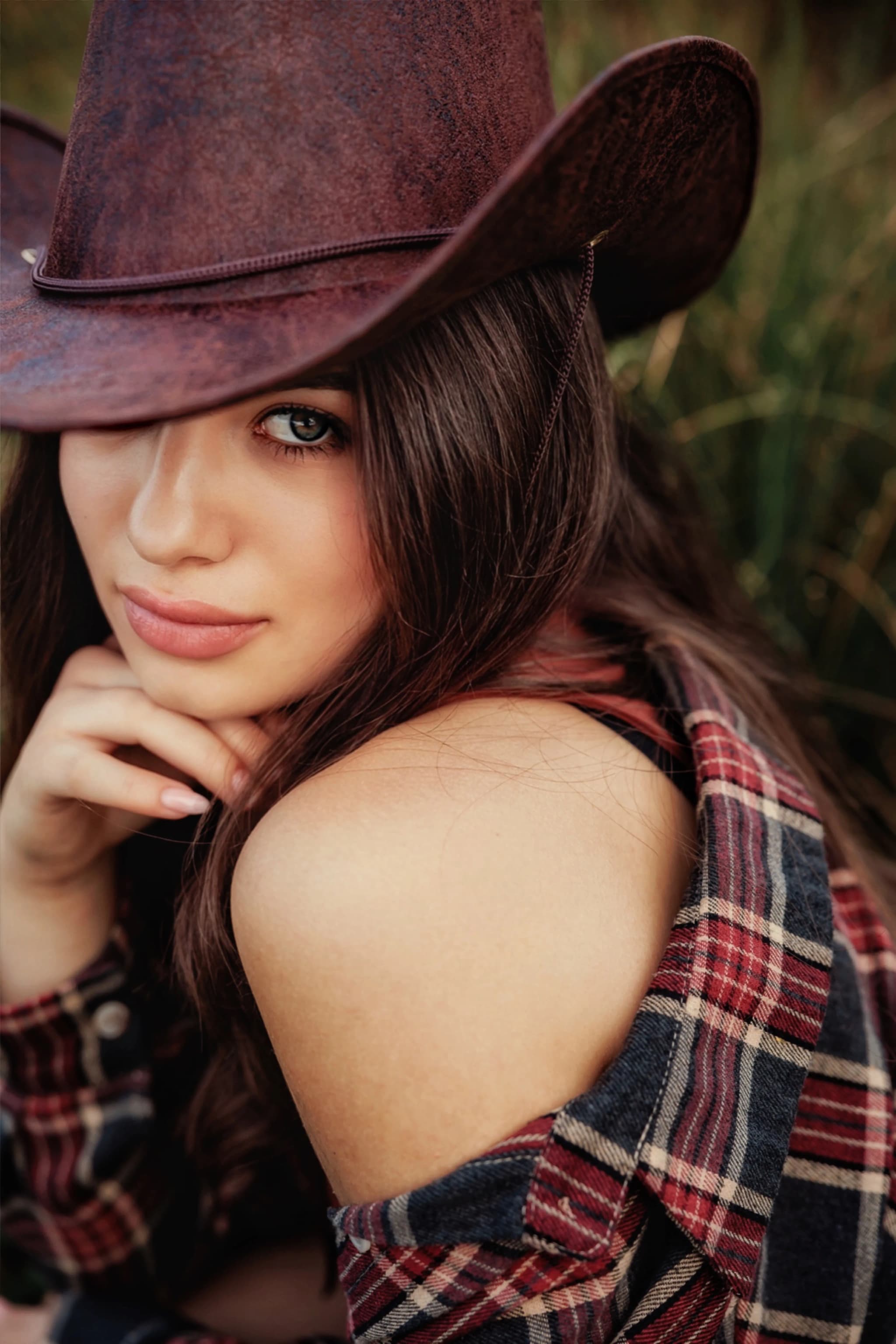
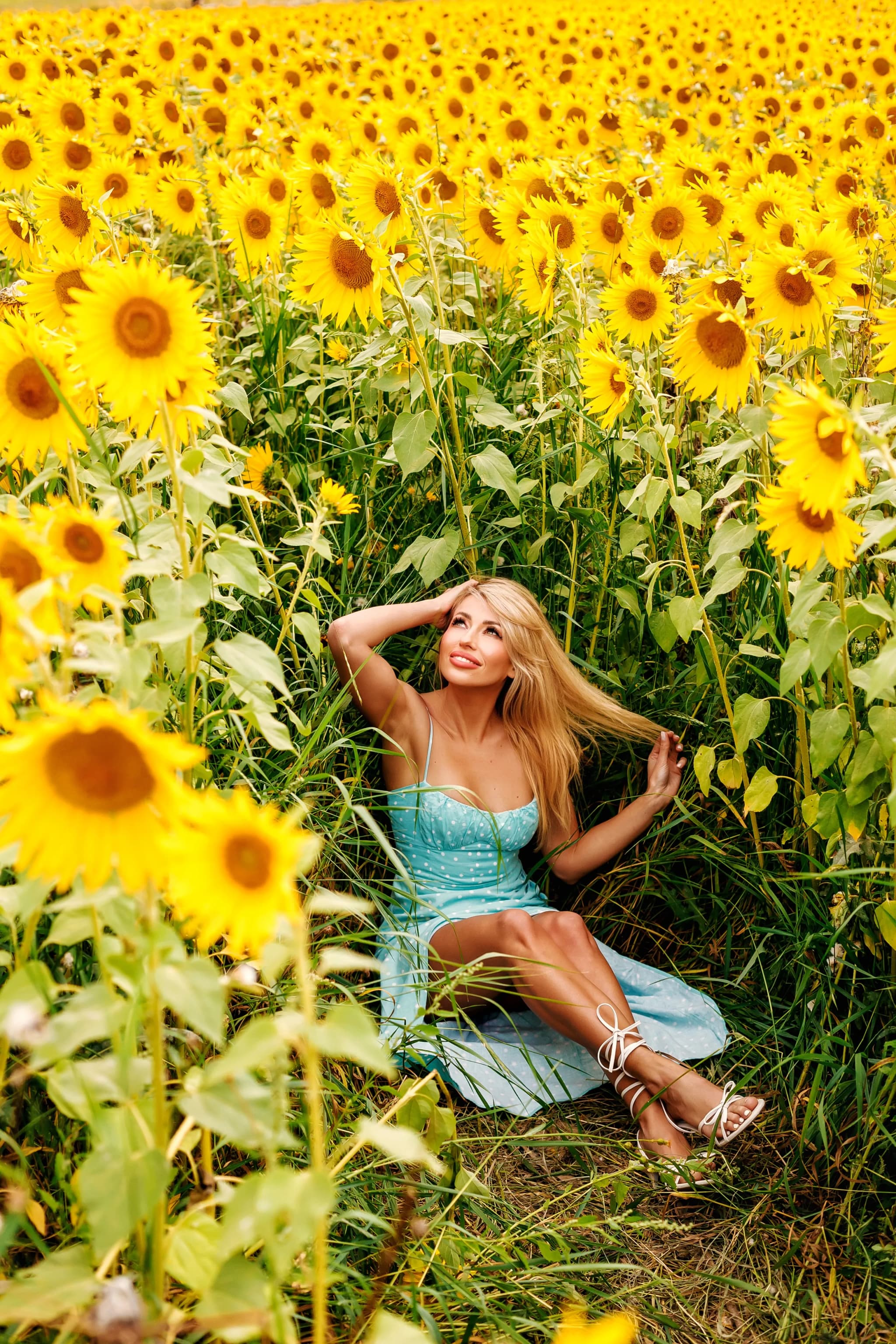
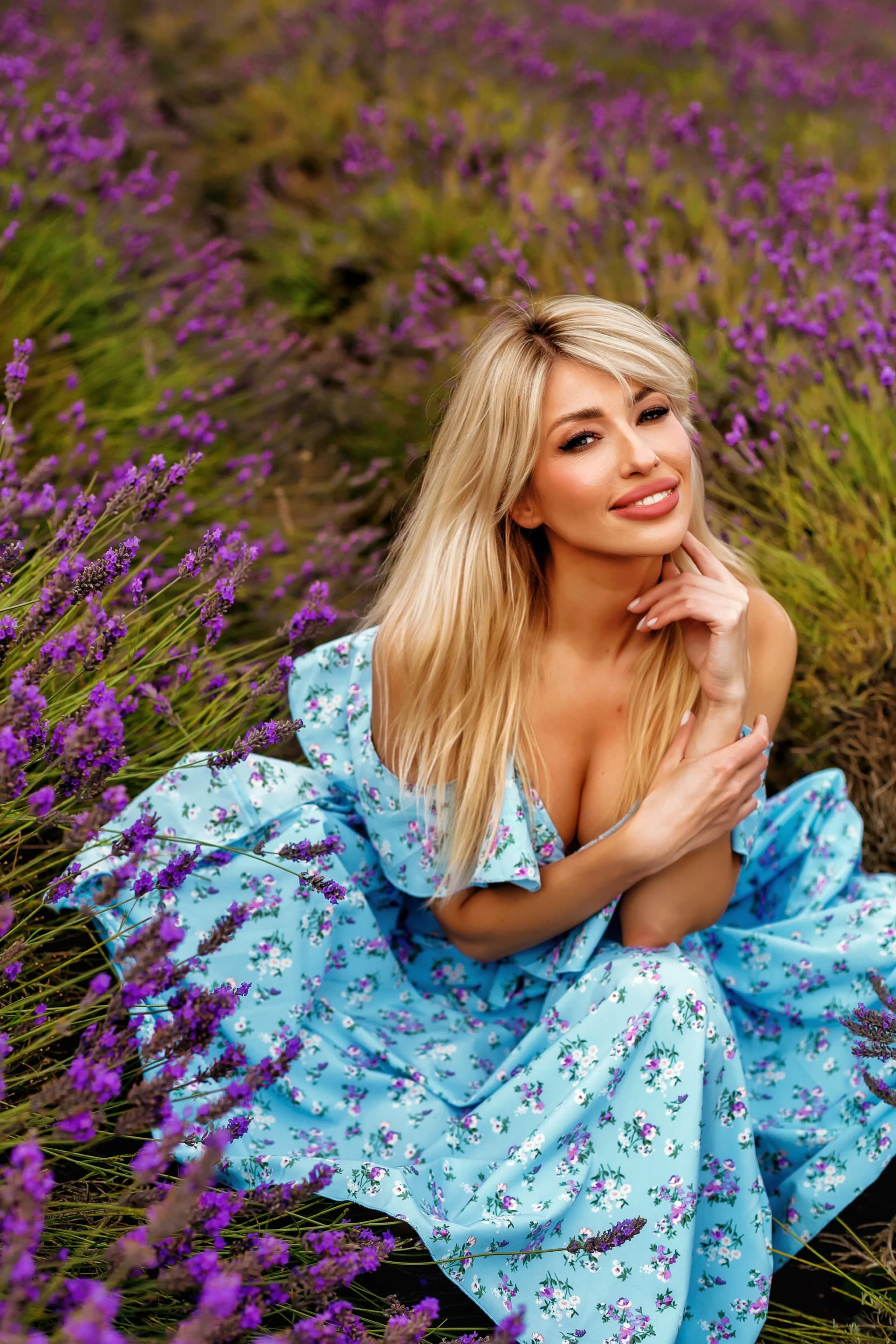
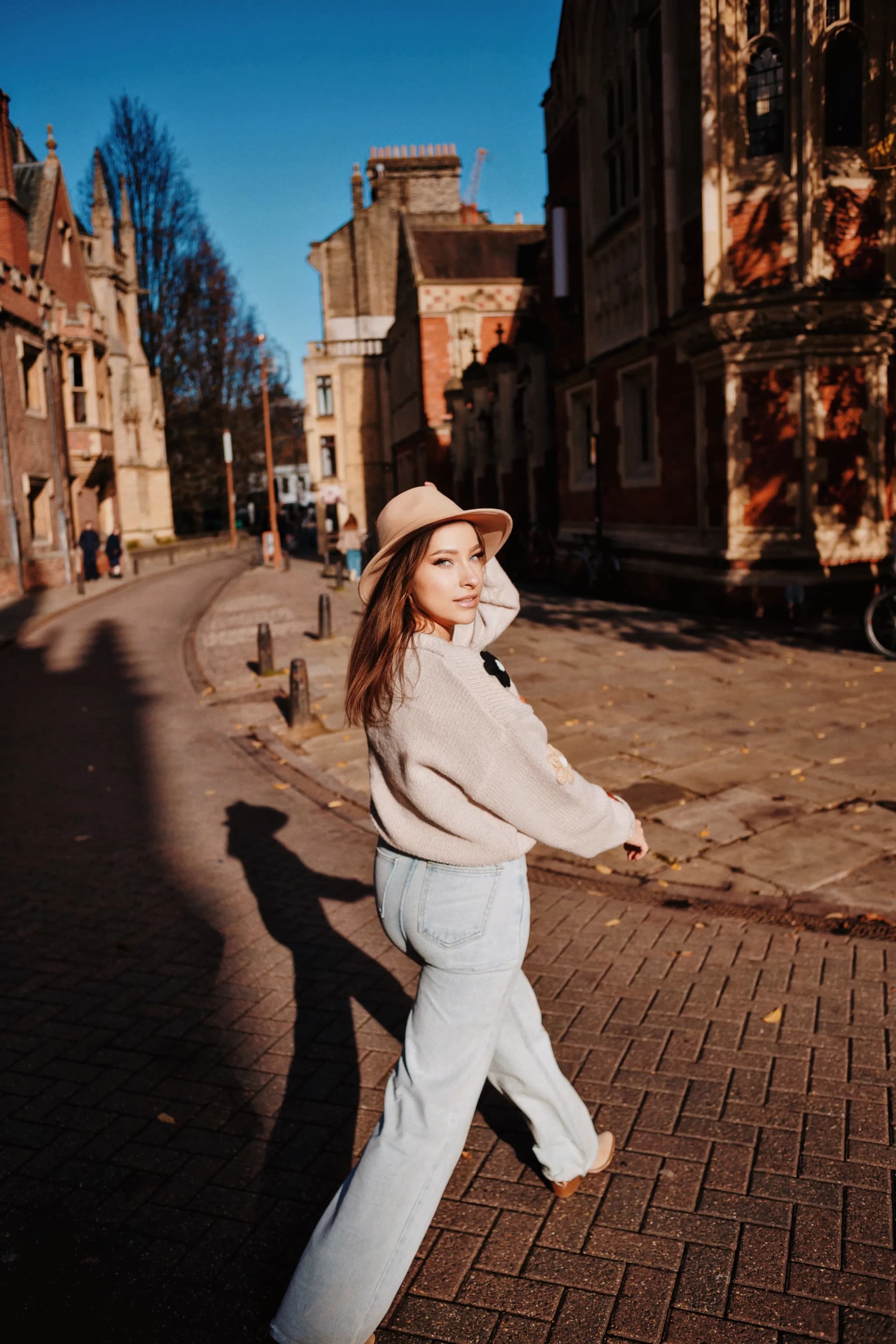
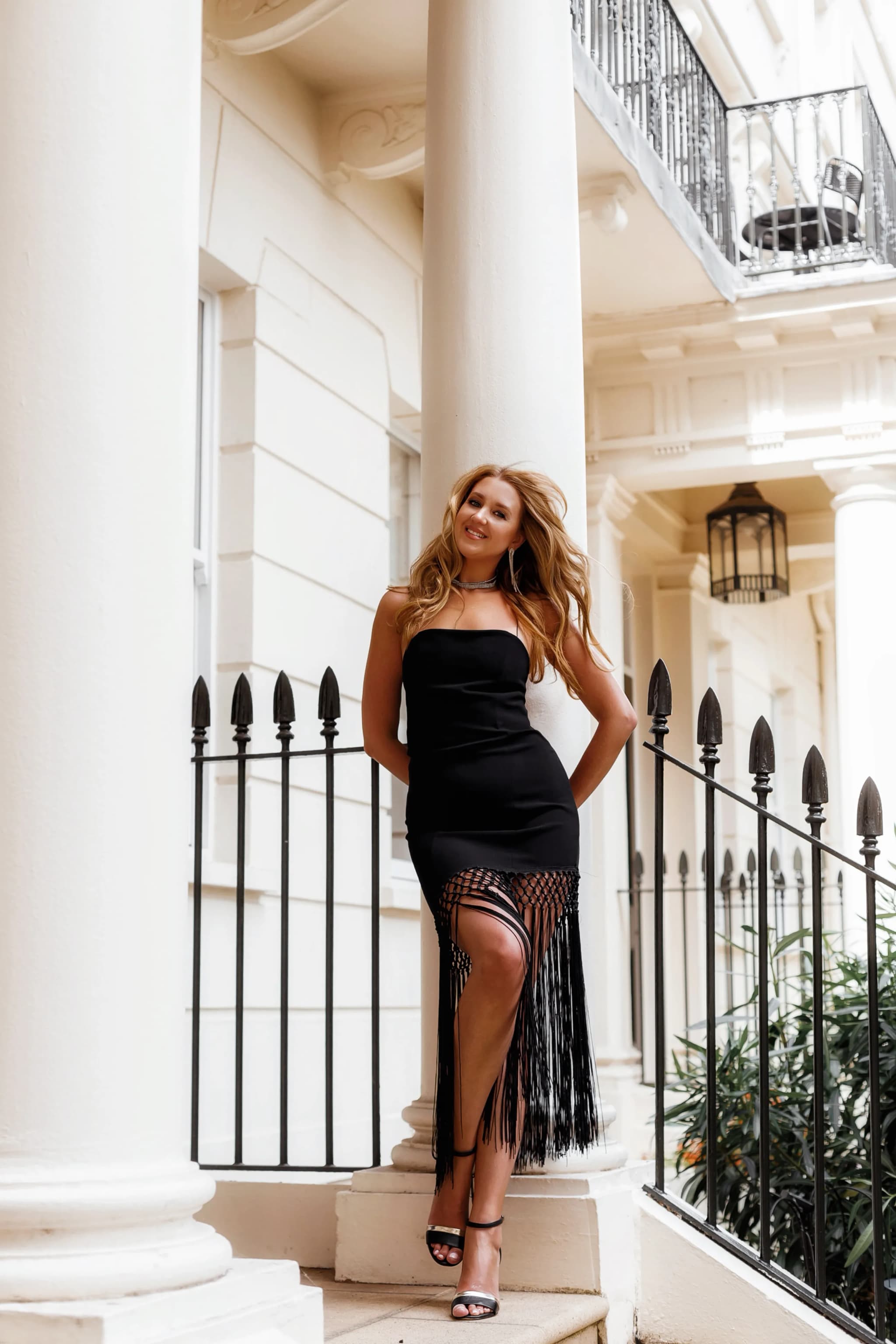
Lifestyle photography sits in the space between documentary photography and portraiture. It depicts real people in real environments, doing things that feel authentic to their actual lives, but shaped by a photographer's eye for light, composition, and moment. The subject is not posing for a formal portrait in the way a studio sitting requires. Instead, they are living within a scene — making breakfast, reading in a favourite chair, walking through a garden in autumn light, working at a desk surrounded by the tools of their trade — while I photograph what happens.
The word that keeps coming up when I try to explain this to new clients is unstaged, but that is not quite accurate either, because there is always some direction involved. I choose the location, I think about the light, I suggest an activity, I position myself to catch the moment rather than interrupt it. What separates lifestyle photography from a snapshot is precisely that craft. What separates it from a formal portrait is that the craft is applied invisibly, in service of authenticity rather than obvious composition. The subject should look like themselves — not a version of themselves dressed up and arranged against a studio backdrop, but the actual person, recognisable to anyone who knows them, in a setting that means something.
Why the Genre Has Grown So Much
The rise of lifestyle photography over the past decade is tied to a genuine shift in how people want to present themselves, both to others and, increasingly, to their own future selves looking back at family archives. Traditional portrait photography — formal, studio-based, everyone looking at the camera in their best clothes — served the social functions of an earlier era very well. The formal family portrait hung above the mantelpiece; the professional headshot in a suit signalled seriousness and status. Those functions have not disappeared entirely, but they have been joined by a different and, for many people, more pressing need: to have photographs that actually look like their life, not a formal interruption of it.
Social media accelerated this shift but did not invent it. Long before Instagram, parents were frustrated that their only family photographs were stiff, everyone-facing-forward images taken once a year in matching outfits, with nothing that showed what a Tuesday morning in their house actually looked like. What changed is that platforms built around sharing everyday life made the appetite for authentic, in-the-moment imagery visible and mainstream. People noticed that the photographs which moved them — a candid laugh, a child mid-run, a couple caught not looking at the camera at all — were consistently the lifestyle-style images rather than the formally posed ones, and they started asking photographers for more of that and less of the stiffness.
There is also a simpler, less discussed reason lifestyle photography has grown: it is genuinely more comfortable for most people to sit through. Formal portrait sessions ask subjects to hold expressions, adjust posture on command, and perform stillness for a camera pointed directly at them, which is an unnatural thing to do and it shows in the resulting tension around the eyes and mouth. A lifestyle session asks people to do something — walk, talk, pour a cup of tea, chase a toddler across a lawn — and the photography happens around that activity rather than instead of it. Given a straightforward choice between an hour of being told to hold still and smile, and an hour of pottering around a favourite place while someone takes photographs, most people find the second far less draining, and the images reflect that ease.
What a Lifestyle Session Looks Like in Practice
A lifestyle session usually happens somewhere meaningful to the people in it rather than in a studio. For families this is often their own home — the actual kitchen where breakfast happens, the actual garden where the children actually play, the actual sofa where the family actually piles together on a Sunday. For couples it might be a favourite walk, a café they go to often, or simply the flat they share. For individuals building a personal or creative brand it is frequently a workspace: a kitchen for a chef, a workshop for a maker, a desk surrounded by sketchbooks for an illustrator. The location is not incidental; it is doing a lot of the storytelling work in the final images.
I direct through suggestion and activity rather than positioning. Rather than telling someone to turn their shoulders forty-five degrees and tilt their chin down, I might ask a couple to walk to the end of the garden and back while talking about their weekend, or ask a mother to plait her daughter's hair while I photograph from a few feet away, or ask a small business owner to simply carry on with whatever task they would normally be doing at that time of day. The resulting movement and interaction gives me far more genuine expressions to work with than any amount of posed direction could produce, and it gives the subjects something to focus on other than the camera, which is usually the single biggest factor in whether someone looks relaxed or self-conscious in a photograph.
The pace of a lifestyle session is also different from a formal sitting. There is more waiting, more watching, more letting a scene develop before pressing the shutter. A formal portrait session can be planned almost shot by shot in advance. A lifestyle session works better when I arrive with a loose plan — a few locations within the space, a few activities in mind — and stay flexible enough to notice and capture the moments that were not on the plan at all: the unexpected laugh, the dog wandering into frame at exactly the right second, the way afternoon light suddenly catches a window at a particular point in the session.
Photography that actually looks like you
If the idea of another stiff, posed portrait session does not appeal, a lifestyle session in your own home or a favourite Cambridge location might be exactly what you are looking for. I would love to talk through what that could look like for you.
Get in touch about a lifestyle sessionWho Lifestyle Photography Suits Best
Lifestyle photography works for a wider range of people than its reputation as a "family photography" genre might suggest. Individuals who want personal portraits that do not feel corporate or overly formal — for dating profiles, personal websites, or simply because they want good photographs of themselves that they actually like — consistently prefer the results of a lifestyle approach over a studio sitting, because the images show them animated and genuine rather than arranged.
Families wanting documentary-style images of everyday life, rather than another posed group shot in matching jumpers, are perhaps the most natural audience for the genre, and the appeal grows the longer a family has been collecting only formal portraits in their archive. There is a particular kind of regret I hear from parents of teenagers and adult children — a wish that they had photographs of ordinary mornings and messy kitchens from when the children were small, rather than only the handful of stiff formal portraits taken once a year for the school photo round or the Christmas card.
Creative professionals and small business owners building a visual identity around themselves — makers, chefs, therapists, coaches, consultants — find lifestyle photography particularly useful because it produces a bank of images that show them actually doing their work, in their actual environment, which reads as far more credible and human across a website or social media presence than a single formal headshot ever can. Couples who want engagement or anniversary photographs that show how they actually are together, rather than how a photographer's prescribed poses suggest a couple should look, are another strong fit. And newborn and maternity clients often gravitate towards a lifestyle approach specifically because it produces images of the actual nursery, the actual home, the actual early weeks — which tend to be treasured more, over time, than studio images with props and backdrops that have nothing to do with the family's real life.
Lifestyle Photography Around Cambridge
Cambridge and the surrounding villages offer an unusually good range of settings for lifestyle sessions, which is one of the reasons the genre suits clients here particularly well. Gardens across the city and county are generous and mature, terraced houses in areas like Mill Road and Chesterton have characterful kitchens and hallways that photograph beautifully in natural light, and the riverside paths along the Cam give couples and families a relaxed walking route that produces genuinely candid images without anyone feeling like they are performing for a camera. For clients further out, villages around Cambridgeshire — with their mix of period cottages, allotments, and open countryside — give a completely different visual texture to a session than an urban garden would.
Because a lifestyle session depends so much on natural light, I pay close attention to the time of day and the specific rooms or outdoor spaces available at a client's home before the session, often having a short conversation in advance about which rooms get the best light at which times, and which spots in the garden work best for the activity planned. This preparation is part of what allows the session itself to feel unhurried — by the time I arrive, I already know roughly where we will spend the session and why, which means the actual time with the family or individual can be spent on the moments themselves rather than on scouting.
What to Expect from the Final Images
Clients new to lifestyle photography sometimes worry, before their first session, that images taken in a home or a familiar outdoor setting will look less polished than a studio portrait. In practice the opposite tends to be true. Natural light, well used, is more flattering than most artificial studio setups, and a genuine, relaxed expression photographs better than a held, posed one regardless of the technical setup around it. The editing style for lifestyle work tends to favour natural colour and gentle, true-to-life tones rather than the more dramatic, heavily processed look sometimes associated with studio portraiture, because the whole point of the genre is that the images should still look recognisably like the world the subject actually lives in.
The number of usable images from a lifestyle session also tends to be higher than from a formal sitting, simply because more genuine moments occur across an hour of activity than across a series of held poses. Clients typically receive a curated set spanning a range of moments — some quieter and more composed, some full of movement and laughter — which together tell a more complete story of the session than any single formal portrait could.
Lifestyle photography has grown in popularity because it answers a need that formal portraiture never quite could: photographs that look like the actual texture of someone's life, not an interruption of it. Whether that is a family wanting to remember what their actual mornings looked like, a couple wanting images that show how they really are together, or someone building a personal brand who wants photographs that feel credible rather than staged, the underlying appeal is the same — recognition. People look at these images and see themselves, not a version of themselves arranged for a camera. If that is the kind of photography you are looking for, get in touch and we can talk through what a session in your own home or a favourite Cambridge setting might look like.


Yana Skakun
Photographer · England
Professional wedding, family and portrait photographer based in England. Passionate about capturing authentic emotions and timeless moments.
About Yana →lifestyle photography what is itlifestyle photography popularnatural portrait photographylifestyle portrait session
Portrait Tips — Portrait Photography in Cambridge & England
Portrait sessions with Yana Skakun are unhurried and personal — designed to produce images that feel genuinely like you, not a performance. Sessions are available in Cambridge, across East England, and at locations throughout the UK. This guide — Lifestyle Photography: What It Is and Why It's So Popular — is part of the photography journal: practical, experience-based advice drawn from real sessions across England. Whether you arrived searching for lifestyle photography what is it or lifestyle photography popular, the same care and attention shapes every session Yana photographs.
Portrait Photography sessions are available year-round, with bookings open across Cambridge, Ely, Huntingdon, Peterborough, and further afield — East England, London, the Midlands, and beyond. If you have specific questions about natural portrait photography, mention it in your enquiry. Get in touch through the contact form above to check availability and discuss your session. Enquiries are welcomed from anywhere in the UK.
Frequently Asked Questions
How do I look natural in portrait photos?+
The key is to keep moving — walking, talking, laughing. Still poses often look stiff. A good portrait photographer will direct you gently rather than just pointing and shooting. Take a breath, drop your shoulders, and try to focus on something that makes you happy rather than worrying about how you look.
What should I wear for a portrait session?+
Wear something you feel good in — not something borrowed or brand new that you haven't worn before. Solid colours photograph better than busy patterns. Bring a second outfit for variety. Think about the location: flowing fabrics work beautifully outdoors; tailored looks suit urban settings.
How long does a portrait session take?+
Standard portrait sessions last 60–75 minutes. This allows enough time to warm up, try different locations and poses, and explore a couple of looks without rushing. If you're very camera-shy, a longer session helps — the more relaxed you become, the better the final images.
What locations are best for outdoor portrait photography?+
Gardens, parks, riverside paths, woodland, and areas with interesting architecture all make great portrait backgrounds. The most important factor is light — a location with open shade or soft directional light will always photograph better than a technically beautiful spot in harsh midday sun.
What is the difference between a portrait session and a headshot session?+
Portrait sessions focus on you as a whole person — full-body, three-quarter, and close-up images in a relaxed, often outdoor setting. Headshot sessions focus specifically on professional or actor headshots: face and upper body, often in a controlled setting with consistent, professional lighting.
Continue Reading
Related Articles
Portrait Tips
Glasses and Glare in Photography: How to Get Great Results
6 min read · Read Article
Portrait Tips
Fake Tan Before a Photoshoot: Timing, Application, and What Can Go Wrong
6 min read · Read Article
Portrait Tips
Hair and Makeup for a Photoshoot: What Photographs Well
7 min read · Read Article
Get in Touch
Ready to Book Your Session?
Get in touch to discuss your vision — I'll reply within 24 hours.