Yana Skakun
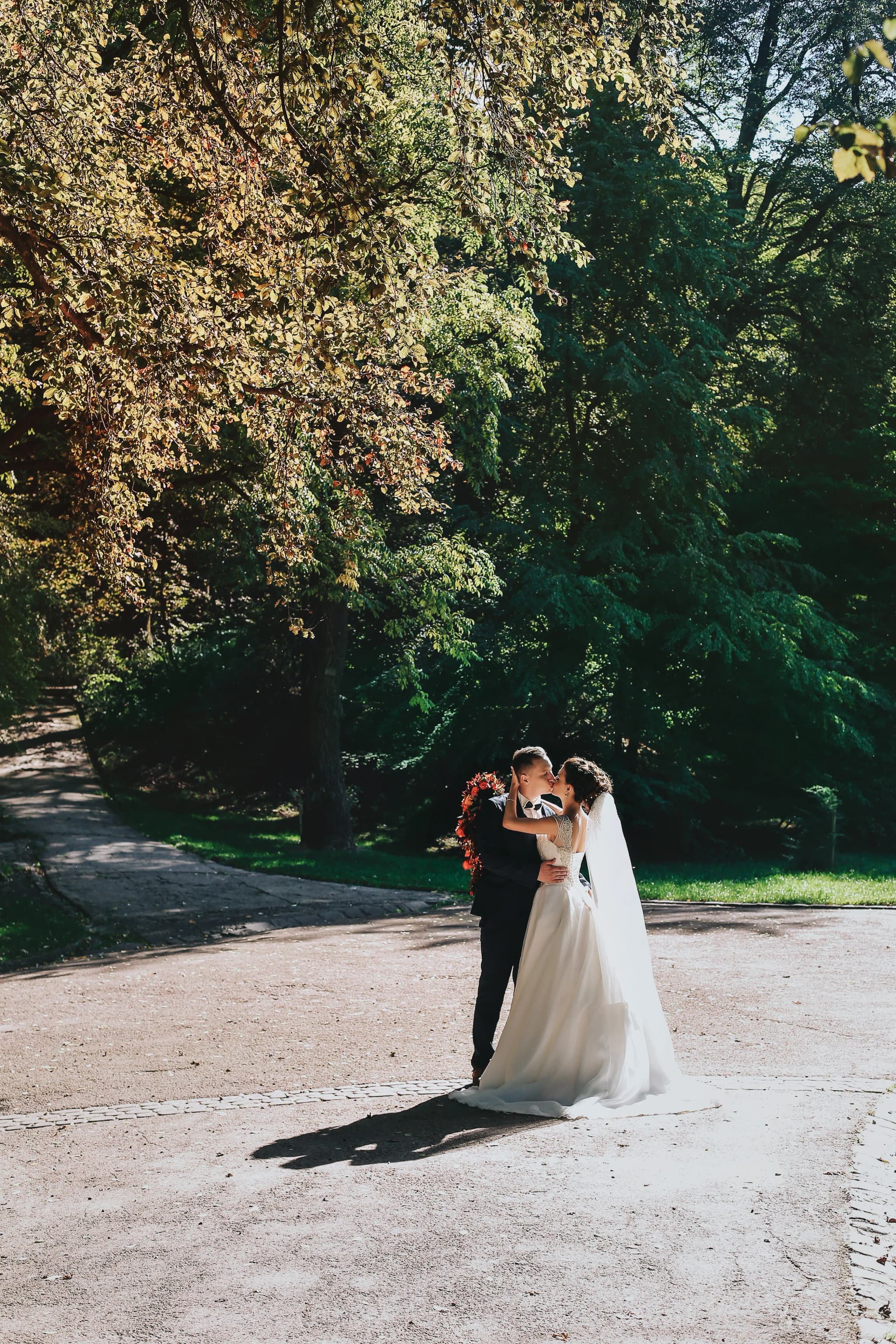
London Parks for Photography: Hyde Park, Richmond & Beyond
By Yana Skakun·12 March 2026·8 min read
I get asked about London locations more often than almost anything else, usually from couples who live in the city, or from families who want portraits somewhere with a bit more scale and drama than their local recreation ground. The good news is that London is genuinely spoiled for outdoor photography settings. The Royal Parks alone give you formal avenues, wild deer, ornamental gardens, and some of the best skyline views in England, all within a short taxi ride of each other, and the wider green spaces beyond central London add woodland, heath, and hilltop options that most visitors never think to look for. This guide covers the parks I use most often for portrait, family, engagement, and headshot sessions, along with the practical detail — permits, timing, terrain — that actually affects how a session goes.
Hyde Park and Kensington Gardens
Hyde Park and the adjoining Kensington Gardens function as one enormous, endlessly varied backdrop, and between them they cover almost every visual mood a session might need. The Italian Gardens near Lancaster Gate give you formal stonework, fountains, and clipped hedging — a setting that photographs beautifully for portraits with a slightly grander, more architectural feel. The Long Water and the Serpentine offer reflective water and open sky, particularly good in the early morning before the rowing boats and paddleboarders are out in force. The avenue of trees near Buck Hill Walk gives long, symmetrical sightlines through overhead canopy, which works well for walking shots and for autumn colour. Kensington Palace's Sunken Garden has an intimate, enclosed English-garden character that suits smaller, quieter portrait sessions.
Because Hyde Park and Kensington Gardens are so heavily used, timing matters more here than almost anywhere else on this list. Early morning, ideally before nine, gives you the parks close to empty, with soft light and none of the crowds that build through the middle of the day. Weekday mornings are noticeably quieter than weekends, which are popular with joggers, tourists, and other photographers alike.
One important practical point: commercial photography in the Royal Parks — which includes Hyde Park, Kensington Gardens, St James's Park, Green Park, Regent's Park, Greenwich Park, Bushy Park, and Richmond Park — requires a permit from the Royal Parks organisation if the images are being taken for professional or commercial purposes, which covers most portrait and family sessions booked with a photographer. Personal photography for your own use is generally unrestricted, but a professional shoot with equipment such as a tripod, reflector, or off-camera flash will usually need a permit arranged in advance. I build this into the planning for any Royal Parks session, so it is one less thing for you to think about, but it is worth knowing the rule exists if you are planning your own visit or comparing photographers.
Richmond Park
Richmond Park is, in my view, the single most dramatic photography location in Greater London, and it is unlike anywhere else on this list. It is the largest of the Royal Parks by a wide margin, and its character owes far more to open English countryside than to a manicured city park. Ancient oaks, some many centuries old, stand scattered across open grassland, and several hundred red and fallow deer roam freely across the park. Photographing a family or couple with deer visible in the background, set against the kind of open, textured grassland you simply do not find inside the M25 anywhere else, produces images that feel like nowhere else in London.
Pembroke Lodge, on the western side of the park, has formal terraced gardens and a genuinely spectacular view across the Thames Valley towards Windsor on a clear day — it is a favourite spot for engagement sessions for exactly that reason. The Isabella Plantation, a protected woodland garden within the park, is at its absolute best in late April and May when the azaleas and rhododendrons are in full colour, and it is worth planning a spring session specifically around that window if colour and texture are a priority. The Tamsin Trail, which loops the entire perimeter of the park, passes several of the best viewpoints and avenues of trees, and I often use sections of it for walking portraits where the movement and conversation between subjects produces a more natural, unposed feel than a static setup.
A note on the deer: they are wild animals and should always be treated with distance and respect, particularly during the autumn rut in September and October when the stags are notably more active and unpredictable. That said, October in Richmond Park is genuinely one of the best months for photography anywhere in London — the bracken turns deep gold and rust, the light through the oak canopy is warm and low, and the deer activity adds a sense of life and scale to the images that is hard to replicate. I always keep a respectful distance when the deer are nearby and never encourage clients to approach them directly.
Planning a London park session
Permits, timing, and location choice all affect how smoothly a London session runs. I handle the permit applications, scout the light in advance, and build a route around the specific park's best spots for the time of year you are booking.
Enquire about a London sessionRegent's Park and Primrose Hill
Regent's Park is the most formally beautiful of the central parks, and Queen Mary's Gardens in particular hold one of the finest rose collections in the country, at their peak through June and into early July. Outside of rose season, the Inner Circle still offers lush, enclosed planting and a genuinely secluded feel that is difficult to find elsewhere so close to central London. The Broad Walk running the length of the park gives long, tree-lined sightlines that work well for group portraits and larger family sessions.
Immediately north of the park, Primrose Hill adds something Regent's Park itself does not have: one of the best panoramic views of the London skyline anywhere in the city, taking in the BT Tower, the City skyline, and on a clear day much further beyond. It is a genuinely popular spot at sunset, so if skyline and golden light are the goal, I generally recommend arriving with plenty of time before the light peaks to secure a good position on the hill. Blue hour, in the twenty or so minutes after the sun has set, is often even more striking here than sunset itself, once the city lights begin to come on against a deep blue sky.
Greenwich Park
Greenwich Park is one of the few London parks that genuinely combines two very different visual worlds in a single session. The upper part of the park, around the Royal Observatory, gives you formal chestnut avenues, wildflower meadow in summer, and one of the truly great views over London — the sweep of the Thames, Canary Wharf's cluster of towers, and the City skyline all visible from the same hilltop. For couples wanting a mix of green, natural setting alongside an unmistakably London skyline in the same set of images, Greenwich is difficult to beat, and it has the advantage of being genuinely spectacular even for a shorter session, since the best viewpoint is only a short walk from the park entrance near the Observatory.
The park's history also plays into the images in a way that adds character without requiring any extra styling — the maritime connection, the Georgian architecture of the Old Royal Naval College at the foot of the hill, and the general sense of place all come through even in candid, unposed shots.
Hampstead Heath
Hampstead Heath sits apart from the Royal Parks in both character and management, and that difference is exactly why I recommend it to clients who want something wilder and less manicured. It covers a substantial area of ancient woodland, open meadow, ponds, and hilltop, and because it has never been formally landscaped in the way the Royal Parks have, it photographs with a genuine sense of wildness that is hard to find so close to central London. Parliament Hill, on the southern edge of the Heath, offers another excellent skyline viewpoint, slightly less crowded than Primrose Hill and, in my experience, often with a clearer sightline on a good day.
The beech woodland on the western side of the Heath is genuinely spectacular in autumn, with the kind of golden overhead canopy that transforms an ordinary portrait session into something with real atmosphere. Because the Heath is managed by the City of London Corporation rather than the Royal Parks, its permit arrangements are separate, and I check current requirements ahead of any commercial session booked there.
Practical Advice: Timing, Access, and What to Bring
A few practical points apply across all of these locations and are worth knowing whether you are booking a session with me or simply planning your own visit. Early morning is, almost without exception, the best time to shoot in central London parks — the light is softer, the parks are quieter, and you avoid the tourist volume that builds from mid-morning onwards, particularly at well-known viewpoints such as Primrose Hill and Greenwich. Golden hour in the evening is beautiful but considerably busier, especially in summer when sunset falls late and the parks are full of people enjoying the warm evening.
Access varies more than people expect. Richmond Park and Greenwich Park both involve walking, sometimes a reasonable distance, from the nearest gate to the best viewpoints, so comfortable footwear matters, particularly for family sessions with young children who will inevitably want to explore rather than walk in a straight line. Central London parks such as Hyde Park and Regent's Park are flatter and more accessible directly from the surrounding streets, which makes them a more practical choice for sessions with limited time or mobility considerations.
Weather in London parks changes quickly, and I always build a plan B into any outdoor session — a covered or more sheltered alternative spot within the same park, so a passing shower does not mean cancelling altogether. For anyone travelling into London specifically for a session, I generally suggest allowing a little extra time either side of the booked slot, since London traffic and public transport can be unpredictable in ways that a village in Cambridgeshire simply is not.
London's parks give you an unusual amount of choice within a single city — formal gardens, wild deer, ancient woodland, and some of the best skyline views in the country, often within a few miles of each other. The location that works best depends on the mood you want, the season, and how much walking and travel time makes sense for your group, and that is exactly the kind of planning I do before any session rather than leaving to chance on the day. If you would like help choosing the right London park for your family, couple, or headshot session, get in touch and I will suggest a location and timing based on what you are hoping to capture.

Yana Skakun
Photographer · England
Professional wedding, family and portrait photographer based in England. Passionate about capturing authentic emotions and timeless moments.
About Yana →london parks photographyoutdoor photo locations londonlondon portrait photography locationsrichmond park photography
Photography Tips — Professional Photography in Cambridge & England
Yana Skakun is a professional photographer based in Cambridge, specialising in wedding, family, and portrait photography across England. Every session is personal — planned around your story, your people, and the moments that matter most. This guide — London Parks for Photography: Hyde Park, Richmond & Beyond — is part of the photography journal: practical, experience-based advice drawn from real sessions across England. Whether you arrived searching for london parks photography or outdoor photo locations london, the same care and attention shapes every session Yana photographs.
Professional Photography sessions are available year-round, with bookings open across Cambridge, Ely, Huntingdon, Peterborough, and further afield — East England, London, the Midlands, and beyond. If you have specific questions about london portrait photography locations, mention it in your enquiry. Get in touch through the contact form above to check availability and discuss your session. Enquiries are welcomed from anywhere in the UK.
Frequently Asked Questions
What camera settings should I use for outdoor portraits?+
For outdoor portraits, shoot in aperture priority mode. Use a wide aperture (f/1.8–f/2.8) to blur the background and isolate your subject. Keep ISO as low as possible in good light. In bright conditions, use a neutral density filter or switch to manual to avoid overexposure at wide apertures.
What is the golden hour in photography?+
Golden hour is the period roughly 30–60 minutes after sunrise and before sunset. The sun is low in the sky, producing warm, soft, directional light that flatters skin tones and creates beautiful long shadows. It's widely considered the best natural light for portrait and outdoor photography.
How do you get sharp photos in low light?+
In low light, increase your ISO (accepting some grain), use the widest aperture your lens allows, and slow your shutter speed to the slowest you can hand-hold without camera shake (roughly 1/focal length as a guide). Use image stabilisation if available, and consider a tripod for static subjects.
What is the rule of thirds in photography?+
The rule of thirds divides the frame into a 3×3 grid. Placing your subject on one of the four intersection points — rather than dead centre — creates a more dynamic, visually interesting composition. It's a guideline, not a rule: some of the most powerful images break it deliberately.
How do you edit photos to look professional?+
Professional editing starts with shooting in RAW format. In Lightroom or similar software, correct exposure, white balance, and contrast first. Recover shadow and highlight detail. Apply gentle colour grading for mood. Be conservative with skin retouching — the goal is natural enhancement, not transformation. Consistency across a set of images is what separates professional from amateur editing.
Continue Reading
Related Articles

Photography Tips
Photography Gift Vouchers: The Most Personal Present You Can Give
5 min read · Read Article
Photography Tips
Photo Books vs Photo Albums: What Is the Difference and Which Is Better?
5 min read · Read Article
Photography Tips
Photo Gift Ideas: Turning Professional Images into Meaningful Presents
5 min read · Read Article
Get in Touch
Ready to Book Your Session?
Get in touch to discuss your vision — I'll reply within 24 hours.