Yana Skakun
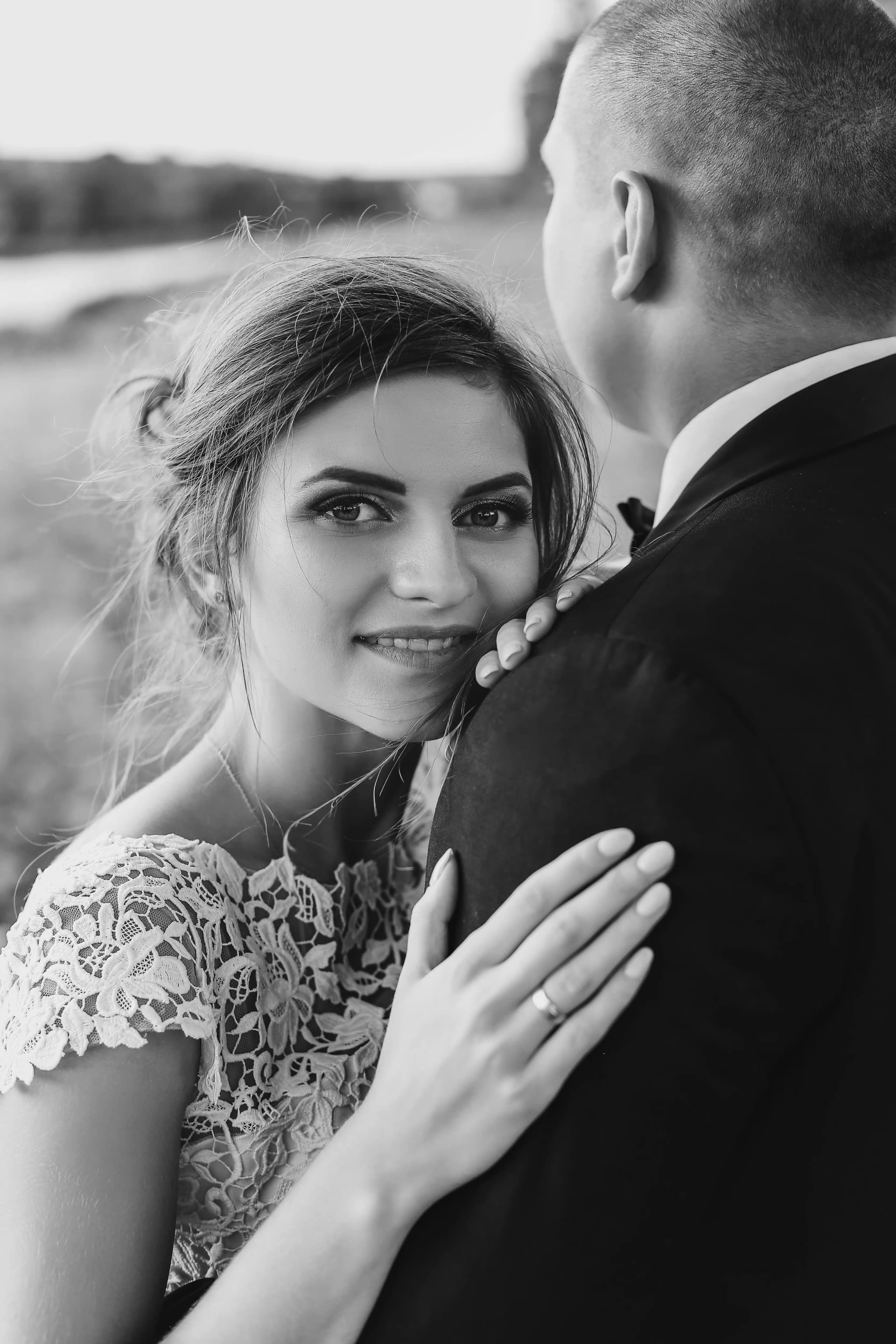
Why Overcast Days Make Beautiful Portraits (And How Photographers Use Them)
By Yana Skakun·10 April 2026·6 min read
The most common message I receive on the morning of an outdoor session is some version of “the weather looks terrible — should we reschedule?” The sky is grey, there is no sign of the sun anywhere, and the client is convinced the whole session is about to be ruined. The answer, more often than not, is no, and I mean it, not as a diplomatic reassurance but as a genuine professional preference. Overcast conditions are not a problem to be managed around. For portraits — family portraits, couples, newborns, headshots, almost anything involving a human face — they are often the best light of the year. I would rather photograph a family session under a soft white sky in Cambridge than in the middle of a clear July afternoon, and once you understand why, the anxious weather-checking in the week before a session becomes a great deal less stressful.
Why overcast light is a portrait photographer's friend
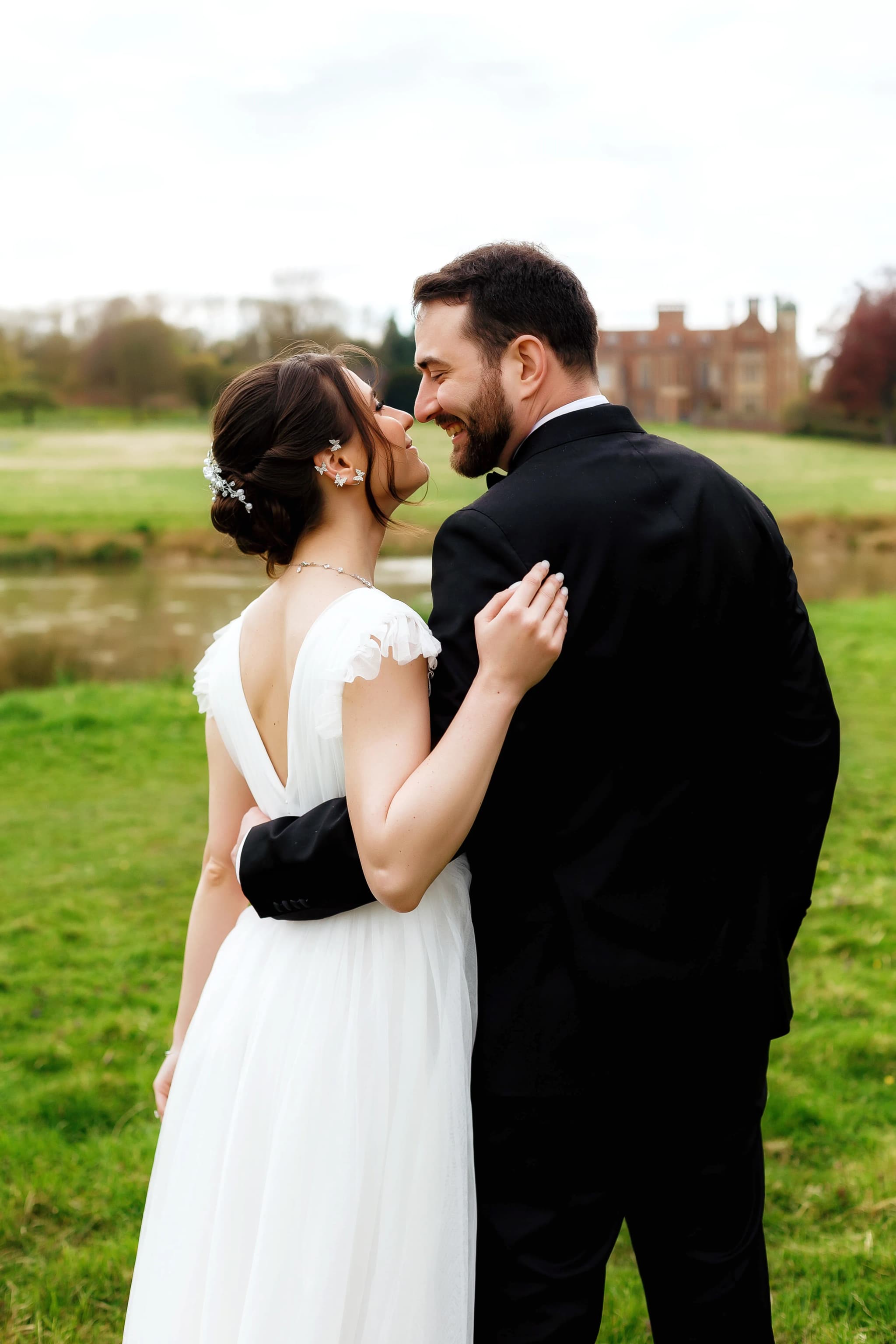
Clouds act as an enormous natural diffuser — exactly the effect a studio photographer pays thousands of pounds to recreate with softboxes, scrims, and bounce panels. Direct sunlight is a small, intensely bright point source. When it hits a face, it creates hard-edged shadows under the eyes, under the nose, and under the chin, forces people to squint or turn away, and produces patchy, uneven skin tones as one side of the face blows out to bright highlight while the other falls into shadow. Overcast light does the opposite. The entire sky becomes the light source, spread across an area many miles wide, and that light wraps around a subject from every angle at once. Shadows fill in gently, skin tones render clean and even, and nobody has to fight the urge to screw their eyes shut against the glare.
This is precisely why professional portrait and wedding photographers actively watch for overcast forecasts rather than dreading them. A bright, even sky lets me work at any angle, any time of day, without having to chase shade or wait for a specific hour. On a clear day I am often working around the light, positioning people carefully to avoid harsh patterns and checking my watch for the golden hour. On an overcast day the light is simply good everywhere, all day, and I can spend that attention on composition, connection, and genuine expression instead.
What overcast light does particularly well
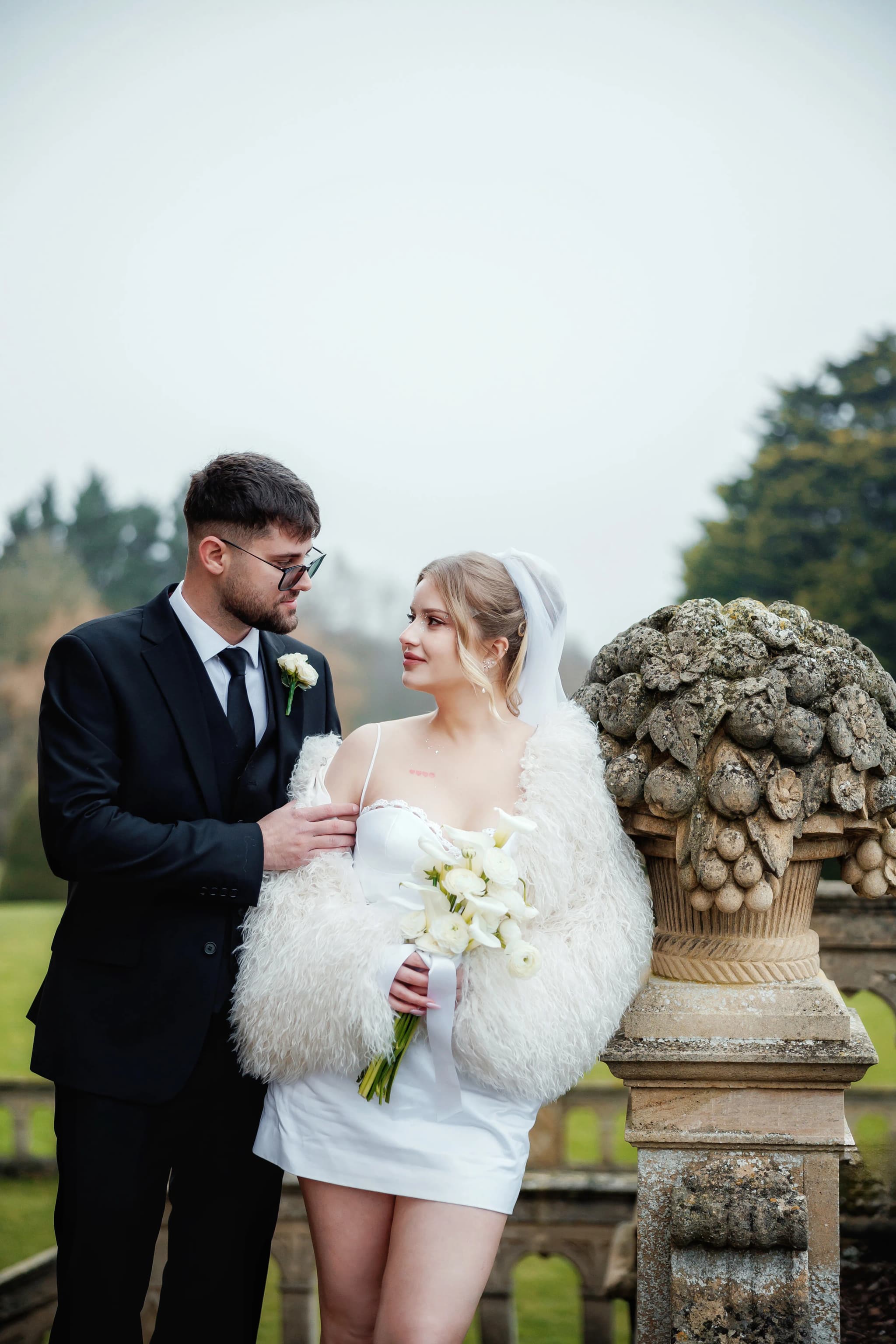
There are specific categories of photography where soft, diffused light is not just acceptable but genuinely superior to direct sun. Skin tones are the most obvious — overcast light renders complexions cleanly and evenly, without the colour casts, blotchy shadows, or blown highlights that hard sun introduces, and this matters just as much for a newborn's delicate skin as it does for an adult headshot. Group photographs benefit enormously as well, because in a family or wedding party everyone is facing a different direction, and under direct sun some people inevitably end up squinting into the light while others are lit from behind. Under an overcast sky, the light comes from everywhere, so everyone in the group is lit consistently regardless of which way they are facing.
Children are notably easier to photograph under cloud cover. There is no harsh glare making them squint or turn away, no accumulating heat making them fractious, and the softer light means they can look in almost any direction and still be well lit, which matters enormously when you are working with a toddler who will not hold still or look where you ask. White and pale clothing — a common feature of both wedding and christening photography — also behaves far better in diffused light, avoiding the blown-out, texture-less brightness that direct sun causes on white fabric. And colour itself often reads more richly under cloud: greens in a garden, blues in clothing, and skin tones all tend to hold more genuine saturation in soft light than they do when direct sun bleaches out the midtones.
The difference between useful overcast and genuinely flat grey
Not all cloudy skies are equal, and it is worth understanding the distinction because it changes what a session will actually look like. The best conditions for outdoor portraiture are what photographers call “bright overcast” — a sky where the cloud layer is white and reasonably thin rather than a uniform, heavy grey, and where there is still a faint sense of direction to the light, usually indicating roughly where the sun sits behind the cloud. Under this kind of sky, eyes still pick up a small natural catch-light, and faces retain a gentle, three-dimensional quality rather than looking uniformly flat. This is the condition I am usually hoping for when a client asks nervously about the forecast, and in and around Cambridge it is a very common one, particularly in spring and autumn.
Heavy, dark grey overcast — the kind that often comes with the threat of rain — is a step down, not because the quality of the light is wrong but because there is simply less of it. It requires a higher ISO or a wider aperture to compensate, and the resulting images can occasionally look a little duller and less dimensional if I do not compensate carefully with positioning and editing. This is a technical adjustment I make on the day, not a reason to call off a session. In practice the difference between bright overcast and heavy grey overcast affects my camera settings a great deal more than it affects how the finished photographs actually look to a client looking through their gallery.
What overcast days do not suit
Honesty matters here, because overcast light is not universally the correct choice for every kind of photograph. There are specific situations where direct sun genuinely does something an overcast sky cannot. Backlit silhouette images — a couple walking away from the camera with the sun flaring behind them, for instance — require actual direct sunlight, because there is no light source to backlight against on a grey day. Dramatic sky backgrounds are the same problem: if part of what makes an image striking is a vivid blue sky, dramatic clouds lit from the side, or a strong sunset, an overcast day simply will not deliver that, because the sky itself becomes a flat white or grey backdrop rather than a feature. Certain fashion and commercial briefs also specifically call for high contrast and hard-edged shadow as part of the intended aesthetic, and in those cases overcast light would work against the brief rather than for it.
For the great majority of portrait, family, newborn, and headshot photography, though, none of these caveats apply. Nobody is choosing a family portrait session for its dramatic sky drama, and very few couples want their engagement photographs to be a silhouette. The vast majority of the work I do — and the vast majority of what most clients actually want from their photographs — is exactly the kind of image overcast light produces best: warm, clear, evenly lit, genuinely flattering portraits of real people.
Not sure whether your booked date needs a rethink?
I keep a close eye on the forecast in the days before every session and will always flag it if I think conditions genuinely warrant a change. Overcast skies on their own are almost never that reason.
Ask about weather and reschedulingWhen rescheduling actually is the right call
There are genuine weather conditions worth rescheduling around, and it is worth being clear about what they are so that a grey sky alone does not cause unnecessary worry. Actual rain forecast to fall throughout the session is one — a very light, brief drizzle can sometimes be worked around with a golf umbrella and a change of location under tree cover, but sustained or heavy rain makes both comfortable photography and safe footing on Cambridgeshire's grass and gravel paths genuinely difficult. Strong wind is another consideration, particularly for anything involving carefully arranged hair, flowing dresses, veils, or flower arrangements, since gusty conditions can undo an hour of styling in seconds and make certain shots simply unworkable. Genuine flooding or waterlogging of a planned location — not uncommon on some riverside or meadow sites after a wet spell — is a third, more practical reason, since it affects access and safety rather than light quality. Outside of these specific scenarios, I very rarely suggest moving a date, and an overcast forecast by itself has never once been a reason I have recommended cancelling.
How I plan and shoot around the weather on the day
In practice, my approach to any outdoor session — family portraits in a Cambridge park, a couple's engagement shoot along the Backs, a newborn session with an outdoor element, or an outdoor corporate headshot day — starts with the forecast a few days out, but it is refined properly only on the morning itself, because cloud cover and light quality can shift meaningfully within a single day. If the morning brings a bright, even overcast sky, I will often keep the original plan largely as it stood, since that light works beautifully at almost any hour rather than being confined to the narrow golden-hour windows that direct sun demands. If the sky turns heavier and darker, I will typically adjust my camera settings, move compositions toward slightly more open ground to gather what light there is, and occasionally suggest a small shift in timing if it looks like a clearer patch is approaching. None of this requires the client to do anything differently — it is simply part of reading conditions and adapting on the day, which is a normal and expected part of shooting outdoors in the English climate.
If there is one thing worth taking away from all of this, it is that a grey sky over Cambridge on the morning of your session is not bad news. More often than not it is exactly the light a portrait photographer hopes for — soft, even, forgiving, and flattering in a way that a harsh midday sun rarely manages. If you have a session booked and you find yourself anxiously refreshing the weather app the night before, or if you are still deciding on a date and wondering whether to build in a rain-or-shine buffer, get in touch and I am happy to talk through exactly what conditions would and would not affect your particular shoot.

Yana Skakun
Photographer · England
Professional wedding, family and portrait photographer based in England. Passionate about capturing authentic emotions and timeless moments.
About Yana →overcast day photography tipscloudy day portrait photographydiffused light photographyovercast photography portraits UK
Photography Tips — Professional Photography in Cambridge & England
Yana Skakun is a professional photographer based in Cambridge, specialising in wedding, family, and portrait photography across England. Every session is personal — planned around your story, your people, and the moments that matter most. This guide — Why Overcast Days Make Beautiful Portraits (And How Photographers Use Them) — is part of the photography journal: practical, experience-based advice drawn from real sessions across England. Whether you arrived searching for overcast day photography tips or cloudy day portrait photography, the same care and attention shapes every session Yana photographs.
Professional Photography sessions are available year-round, with bookings open across Cambridge, Ely, Huntingdon, Peterborough, and further afield — East England, London, the Midlands, and beyond. If you have specific questions about diffused light photography, mention it in your enquiry. Get in touch through the contact form above to check availability and discuss your session. Enquiries are welcomed from anywhere in the UK.
Frequently Asked Questions
What camera settings should I use for outdoor portraits?+
For outdoor portraits, shoot in aperture priority mode. Use a wide aperture (f/1.8–f/2.8) to blur the background and isolate your subject. Keep ISO as low as possible in good light. In bright conditions, use a neutral density filter or switch to manual to avoid overexposure at wide apertures.
What is the golden hour in photography?+
Golden hour is the period roughly 30–60 minutes after sunrise and before sunset. The sun is low in the sky, producing warm, soft, directional light that flatters skin tones and creates beautiful long shadows. It's widely considered the best natural light for portrait and outdoor photography.
How do you get sharp photos in low light?+
In low light, increase your ISO (accepting some grain), use the widest aperture your lens allows, and slow your shutter speed to the slowest you can hand-hold without camera shake (roughly 1/focal length as a guide). Use image stabilisation if available, and consider a tripod for static subjects.
What is the rule of thirds in photography?+
The rule of thirds divides the frame into a 3×3 grid. Placing your subject on one of the four intersection points — rather than dead centre — creates a more dynamic, visually interesting composition. It's a guideline, not a rule: some of the most powerful images break it deliberately.
How do you edit photos to look professional?+
Professional editing starts with shooting in RAW format. In Lightroom or similar software, correct exposure, white balance, and contrast first. Recover shadow and highlight detail. Apply gentle colour grading for mood. Be conservative with skin retouching — the goal is natural enhancement, not transformation. Consistency across a set of images is what separates professional from amateur editing.
Continue Reading
Related Articles

Photography Tips
Photography Gift Vouchers: The Most Personal Present You Can Give
5 min read · Read Article
Photography Tips
Photo Books vs Photo Albums: What Is the Difference and Which Is Better?
5 min read · Read Article
Photography Tips
Photo Gift Ideas: Turning Professional Images into Meaningful Presents
5 min read · Read Article
Get in Touch
Ready to Book Your Session?
Get in touch to discuss your vision — I'll reply within 24 hours.