Yana Skakun

Personal Branding Photoshoot Planning Guide: From Brief to Gallery
By Yana Skakun·14 July 2033·8 min read
A personal branding photoshoot is one of the few investments a business owner makes that keeps paying out long after the invoice is settled — on your website, your LinkedIn profile, your email signature, your speaker bio, your press page, and every proposal deck you send for the next year or two. And yet I consistently see the same pattern: people book a branding session with real enthusiasm and then arrive on the day having given almost no thought to what the images actually need to do for their business. What follows is often a lovely set of photographs of a person standing in various places looking pleasant, none of which quite work together as a coherent visual identity. The difference between that outcome and a genuinely useful branding library almost always comes down to planning done in the weeks before the camera comes out, not decisions made in the moment. This guide sets out the process I take every branding client through, from the first conversation about what the images need to achieve to the checklist I hand over the night before the shoot.
Start With the Brand Narrative, Not the Location List
The single biggest planning mistake is starting with logistics — where shall we shoot, what shall I wear — before answering the more fundamental question of what story the images need to tell. Every personal branding library is built to communicate something specific about you and your business to a specific audience, and that something is rarely the same from client to client. A solicitor building trust with corporate clients needs images that read as composed, credible, and unflashy. A personal trainer building a following on results and energy needs images that read as capable and dynamic. A coach or therapist whose entire proposition is emotional safety needs images that read as warm and approachable rather than polished and distant. The same person, photographed by the same photographer in the same city, can produce completely different libraries depending on which of these narratives the shoot is built around.
Before I ever discuss locations or outfits with a branding client, I send a short questionnaire covering who the images are for, what three words you would want a stranger to associate with you after seeing your profile photo, which existing images of yourself (or competitors) you admire and which you actively dislike, and what the images will actually be used for — website hero, LinkedIn banner, press kit, speaking engagements, print materials. The answers to these questions shape every subsequent decision. A shoot planned around a clear narrative produces a set of images that feel like one person and one brand, even across several outfits and locations. A shoot planned without that clarity produces a set of unrelated nice photographs.
Map Your Environments Before You Book the Session
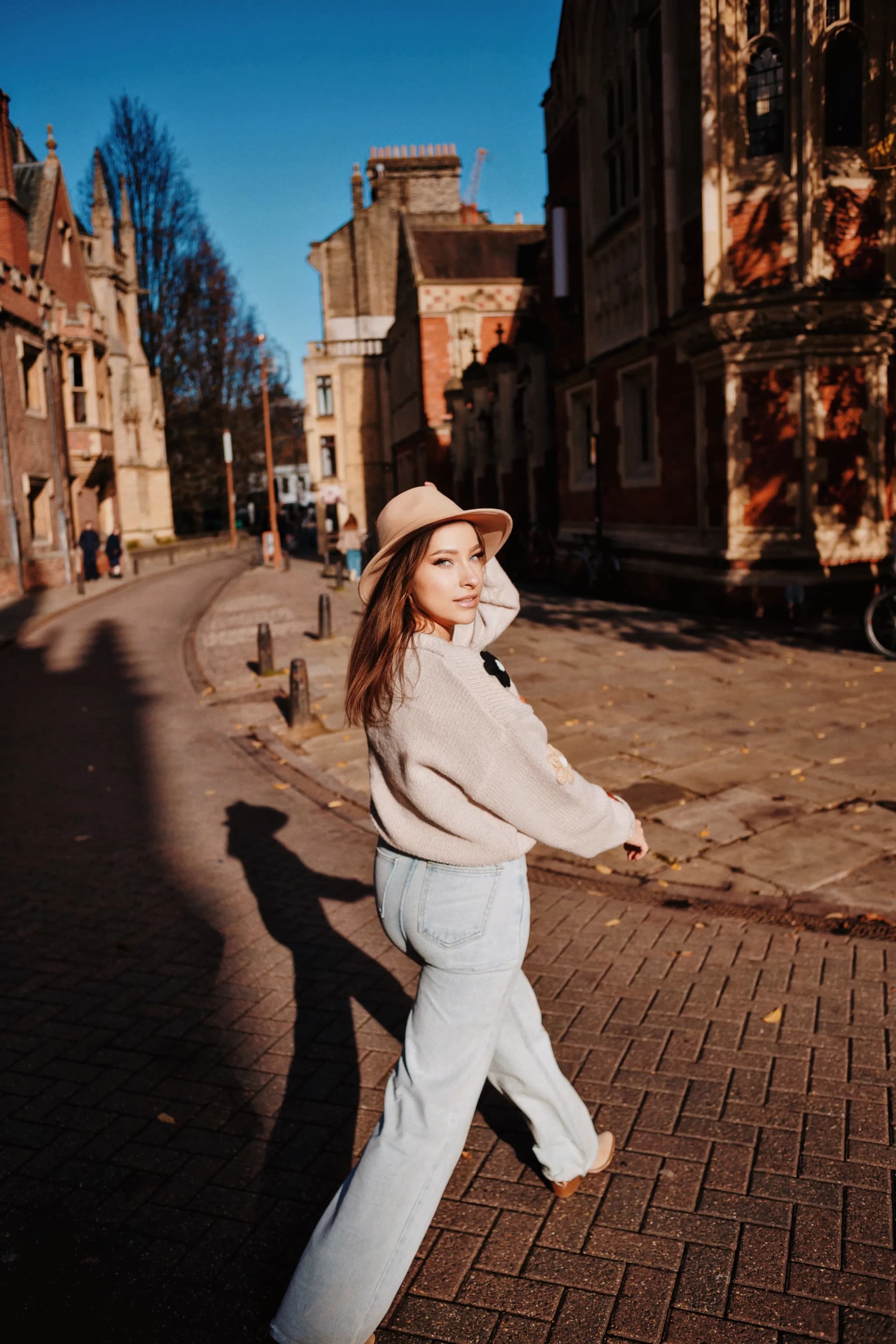
A working branding library needs variety, because a single environment cannot serve every use case you will eventually need it for. I typically plan three to four distinct environments for a full branding session, each doing a different job. The first is usually a primary working environment — your actual office, a styled home workspace, a studio, or a professional space you have arranged access to — because this is the setting that says "this is genuinely how I work" rather than a generic backdrop. The second is an outdoor or architectural setting that adds openness and context; for Cambridge-based clients this is where the city does a lot of the work for you, since a few minutes' walk can take you from historic college frontages that read as established and credible to riverside and meadow settings that read as approachable and human. The third is a more relaxed, personal environment — a favourite café, a walk along the Cam, a bookshop, a garden — that shows a side of you beyond the desk and the doorway shot. If client-facing work is central to your business, a fourth environment such as a meeting room, a coworking space, or a shop floor can be worth including so your library covers the moment a prospective client actually pictures working with you.
The point of mapping this in advance rather than deciding on the day is logistical as much as creative. Locations need scouting for light at the time of day you will actually be shooting, permissions need checking if you plan to use a specific café or shop interior, and travel time between locations needs building into the schedule so the session does not turn into a rushed dash across the city. A well-planned Cambridge branding session might move from a home or office setting in the morning light, out to the Backs or a college courtyard around midday, and finish with a relaxed café or riverside sequence in the softer light of late afternoon — three environments, three moods, one cohesive story.
Plan Outfits as a Set, Not as Individual Choices
Outfit planning for personal branding photography is not the same exercise as outfit planning for a normal photoshoot, because the aim is not to look your most striking in any single image — it is to build a coherent, reusable wardrobe of looks that all sit together as one identity. The first principle is authenticity: photograph yourself in what you actually wear to do the work you do. If you never wear a blazer in real life, a blazer in your branding photos will read as slightly false the moment a client or colleague who knows you sees the image. If your working wardrobe is smart-casual knitwear and good trousers, that is what should be in front of the camera, because those are the images that will still feel true to you in eighteen months' time, not just on the day they were taken.
Most branding sessions work well with three to five outfit changes, which is enough to give real variety across the different platforms and contexts the images will end up in without turning the day into a fashion shoot with a wardrobe assistant and a rack of options nobody will actually wear again. I generally recommend building the outfits around a shared colour palette rather than choosing each one independently — two or three core colours that complement each other and that also work with the locations you have mapped. Solid colours and small, subtle patterns photograph far better than busy prints or bold logos, which date images quickly and pull attention away from your face, which is ultimately the whole point of the exercise. I ask clients to lay every outfit out together, accessories included, and photograph the full set on their phone before the session so we can review it together and swap anything that clashes or repeats too closely with another look.
Not sure where to start?
Every branding session I run begins with a proper planning conversation, not a guessing game on the day. If you would like help thinking through your narrative, locations, and outfits before you commit to a date, get in touch and we can talk it through.
Book a planning consultationBuild a Shot List Around How You'll Actually Use the Images
It is easy to arrive at a branding session thinking only in terms of "a nice headshot" and forget that a working personal brand library needs to cover several very different formats. A LinkedIn banner needs wide horizontal space with room for text overlay. A website hero image often needs vertical or square crops with negative space on one side for a headline. An email signature headshot needs to read clearly at a tiny size, which means simple backgrounds and strong, uncluttered framing. Press bios and speaker profiles usually want a slightly more formal, direct-gaze portrait, while social media content benefits from a wider variety of candid, in-motion, and environmental shots that give you material to draw on for months.
Before the session I go through this list with clients and note it against the environments and outfits already planned, so we know, for example, that the office environment in outfit one is where we will get the formal press-style portrait and the wide banner shot, while the café environment in outfit three is where we will get the relaxed, in-conversation images for social content. Working from this kind of shot list does not make the session feel rigid or over-choreographed on the day — if anything it frees everyone up, because we are not standing around trying to invent a plan on the spot. We know what we are working towards, which leaves far more attention available for getting genuine expressions and natural movement rather than stiff, held poses.
What the Session Day Actually Looks Like
With the narrative, environments, outfits, and shot list agreed in advance, the session day itself is genuinely enjoyable rather than stressful, which is exactly how it should feel — a tense, self-conscious subject rarely photographs well no matter how good the plan is. I ask clients to allow the best part of a day for a comprehensive branding shoot covering multiple locations and outfits, though a more focused single-location session can be completed in two to three hours if your needs are simpler. We generally start with the more formal, structured shots while everyone is fresh and the styling is at its crispest, then move towards the more relaxed, candid sequences later in the session once you have warmed up in front of the camera and the initial self-consciousness has worn off, which it reliably does.
Throughout the day my focus is on capturing genuine expressions and natural movement rather than static, held poses — walking towards the camera mid-conversation, laughing at something just said, glancing away and back, hands doing something purposeful rather than hanging awkwardly. These are the images that end up used most, because they read as real rather than performed, and they are far easier to get when the outfits, locations, and general direction have already been agreed and nobody is making decisions on the fly. A props kit, if relevant to your work — tools of your trade, a laptop, a notebook, products you make or sell — is worth assembling in advance too, so it is simply there and ready rather than something we are hunting for between shots.
A Practical Planning Timeline
Most of the genuine work of a branding shoot happens in the three to four weeks before the session, not on the day itself. In the first week after booking, I send the brand narrative questionnaire and we typically have a short call or exchange of messages to talk through your answers and start sketching the environments and general direction. In the following one to two weeks, we firm up the specific locations — confirming any permissions needed, checking light at the relevant time of day, and agreeing a running order — while you begin pulling together outfit options and sending photos of the full set for feedback. In the final week before the shoot, we confirm the shot list against the agreed environments and outfits, finalise timings, and I send a simple checklist covering everything from ironing to grooming to what to bring on the day, so there are no surprises and nothing left to figure out under time pressure.
This timeline is not about making the process bureaucratic — it is about moving all the decisions that do not need a camera in the room into the weeks beforehand, so that the session itself can be entirely about the photography. Clients who go through this process consistently tell me the day felt calmer and more enjoyable than they expected a photoshoot to feel, and the resulting images hang together as a genuine, usable set rather than a collection of individually nice but disconnected photographs.
A personal branding library built this way earns its cost back many times over, because it is designed from the outset to work across every platform and context your business actually needs, rather than being retrofitted after the fact from whatever happened to come out of an unplanned session. If you are considering a branding shoot for your business and would like to talk through the narrative, locations, and outfits before committing to a date, get in touch and we can start putting the plan together.
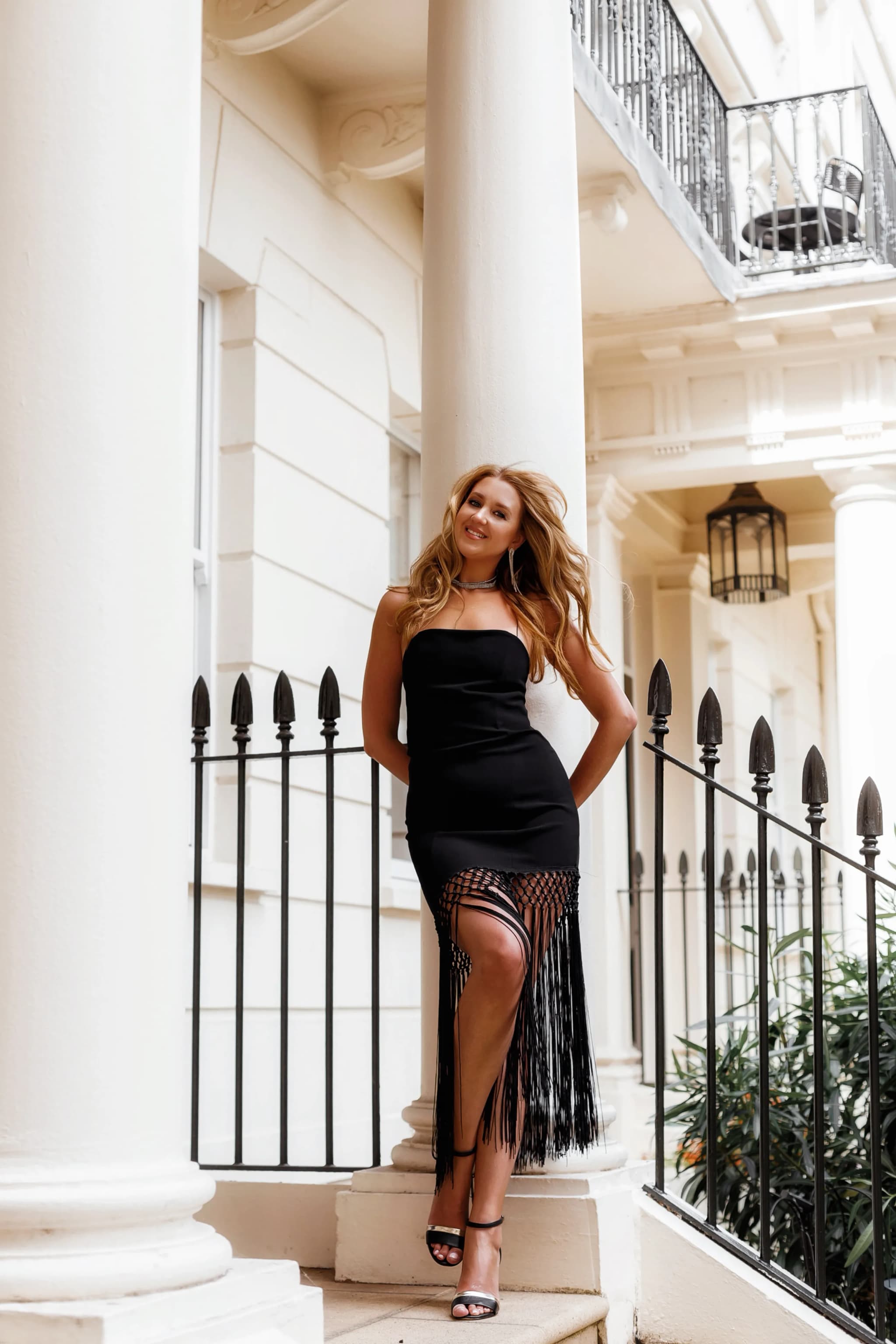


Yana Skakun
Photographer · England
Professional wedding, family and portrait photographer based in England. Passionate about capturing authentic emotions and timeless moments.
About Yana →personal branding photoshoot planningbranding session guide UKpersonal branding photography planningbusiness photography brief
Portrait Tips — Portrait Photography in Cambridge & England
Portrait sessions with Yana Skakun are unhurried and personal — designed to produce images that feel genuinely like you, not a performance. Sessions are available in Cambridge, across East England, and at locations throughout the UK. This guide — Personal Branding Photoshoot Planning Guide: From Brief to Gallery — is part of the photography journal: practical, experience-based advice drawn from real sessions across England. Whether you arrived searching for personal branding photoshoot planning or branding session guide uk, the same care and attention shapes every session Yana photographs.
Portrait Photography sessions are available year-round, with bookings open across Cambridge, Ely, Huntingdon, Peterborough, and further afield — East England, London, the Midlands, and beyond. If you have specific questions about personal branding photography planning, mention it in your enquiry. Get in touch through the contact form above to check availability and discuss your session. Enquiries are welcomed from anywhere in the UK.
Frequently Asked Questions
How do I look natural in portrait photos?+
The key is to keep moving — walking, talking, laughing. Still poses often look stiff. A good portrait photographer will direct you gently rather than just pointing and shooting. Take a breath, drop your shoulders, and try to focus on something that makes you happy rather than worrying about how you look.
What should I wear for a portrait session?+
Wear something you feel good in — not something borrowed or brand new that you haven't worn before. Solid colours photograph better than busy patterns. Bring a second outfit for variety. Think about the location: flowing fabrics work beautifully outdoors; tailored looks suit urban settings.
How long does a portrait session take?+
Standard portrait sessions last 60–75 minutes. This allows enough time to warm up, try different locations and poses, and explore a couple of looks without rushing. If you're very camera-shy, a longer session helps — the more relaxed you become, the better the final images.
What locations are best for outdoor portrait photography?+
Gardens, parks, riverside paths, woodland, and areas with interesting architecture all make great portrait backgrounds. The most important factor is light — a location with open shade or soft directional light will always photograph better than a technically beautiful spot in harsh midday sun.
What is the difference between a portrait session and a headshot session?+
Portrait sessions focus on you as a whole person — full-body, three-quarter, and close-up images in a relaxed, often outdoor setting. Headshot sessions focus specifically on professional or actor headshots: face and upper body, often in a controlled setting with consistent, professional lighting.
Continue Reading
Related Articles
Portrait Tips
Glasses and Glare in Photography: How to Get Great Results
6 min read · Read Article
Portrait Tips
Fake Tan Before a Photoshoot: Timing, Application, and What Can Go Wrong
6 min read · Read Article
Portrait Tips
Hair and Makeup for a Photoshoot: What Photographs Well
7 min read · Read Article
Get in Touch
Ready to Book Your Session?
Get in touch to discuss your vision — I'll reply within 24 hours.