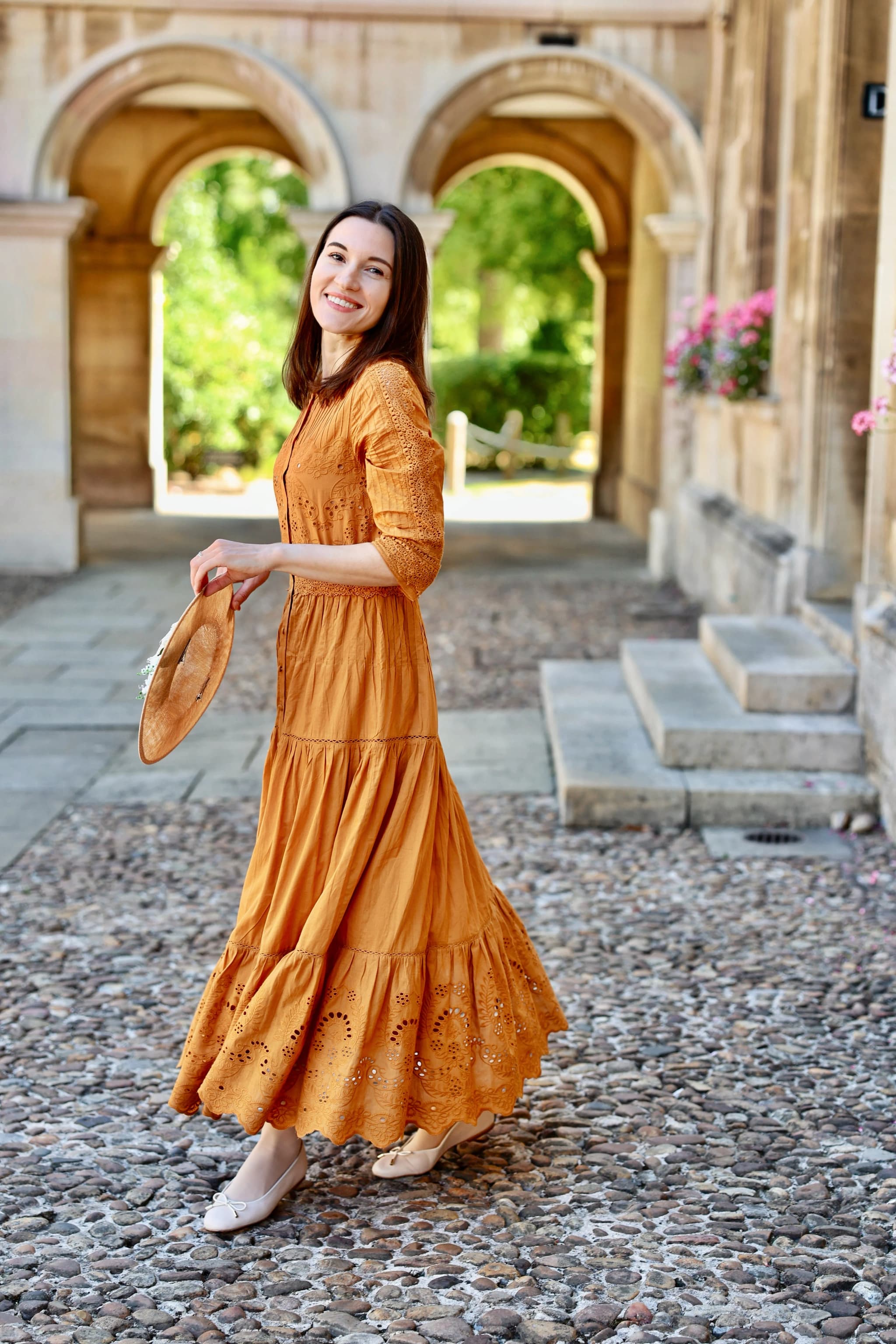
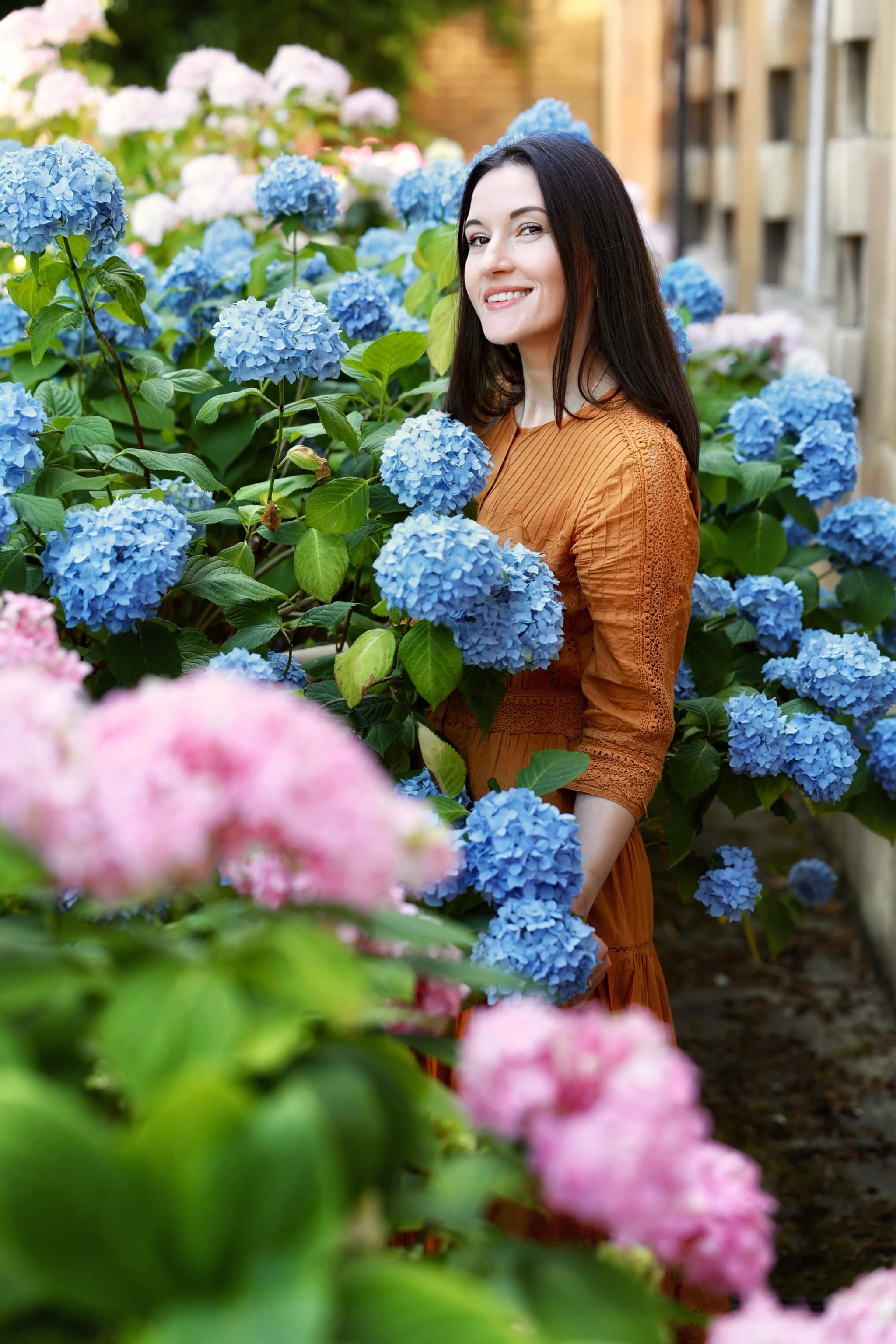
You don't enjoy being the centre of attention. The thought of someone pointing a camera at you for an hour — directing you to pose, smile, look here, look there — sounds like a particular kind of hell. You're not alone. A significant percentage of portrait and wedding clients describe themselves as introverted, camera-shy, or simply uncomfortable in front of a lens. The good news: professional photography and introversion are not incompatible. In fact, some of the most powerful, authentic photographs come from people who aren't performing for the camera.
Why Introverts Often Photograph Beautifully
Here's a truth that may surprise you: many photographers prefer working with introverted clients. Extroverted subjects tend to "perform" — they give the camera a practised smile, a rehearsed angle, a version of themselves they've crafted for social media. The result can look polished but hollow.
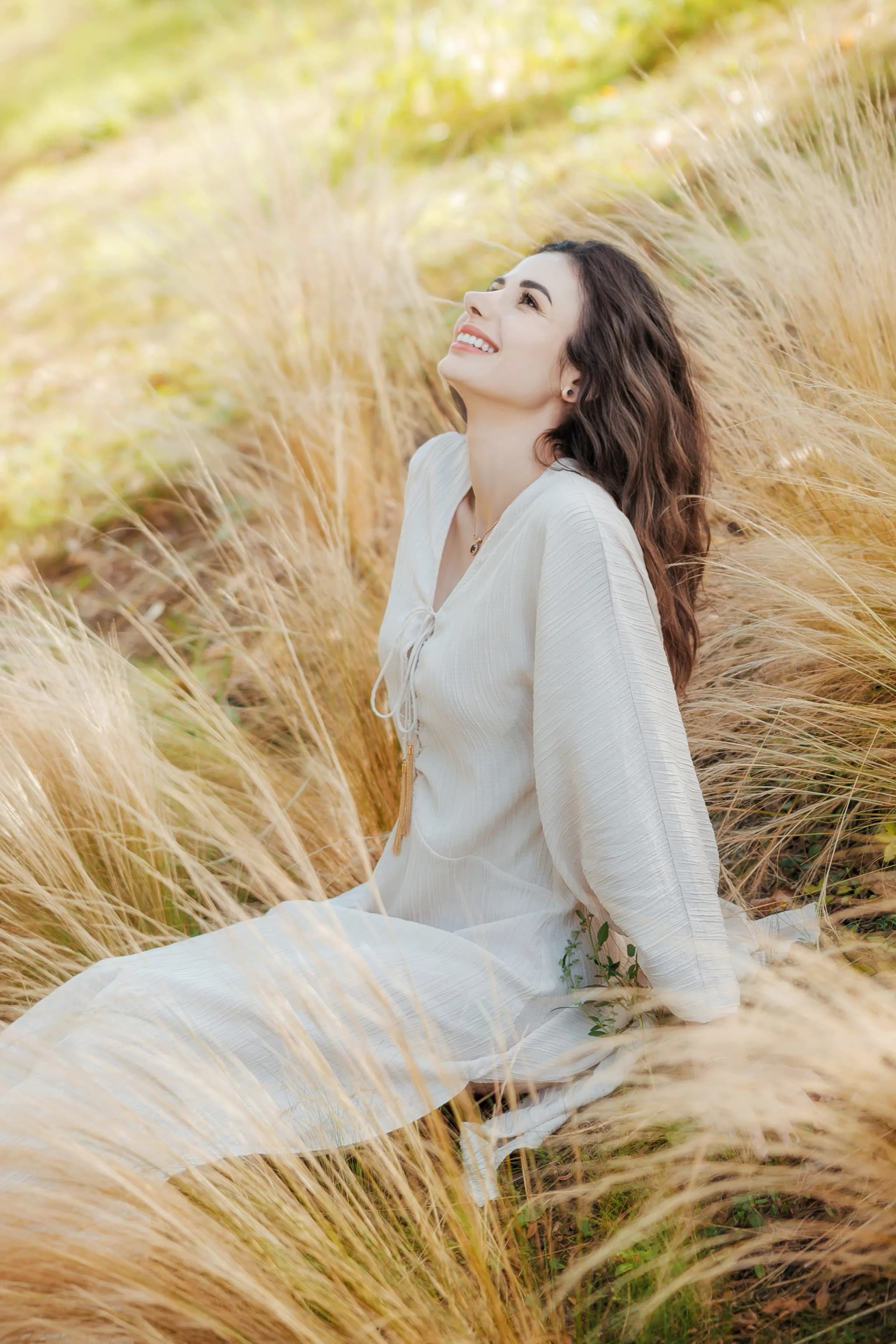
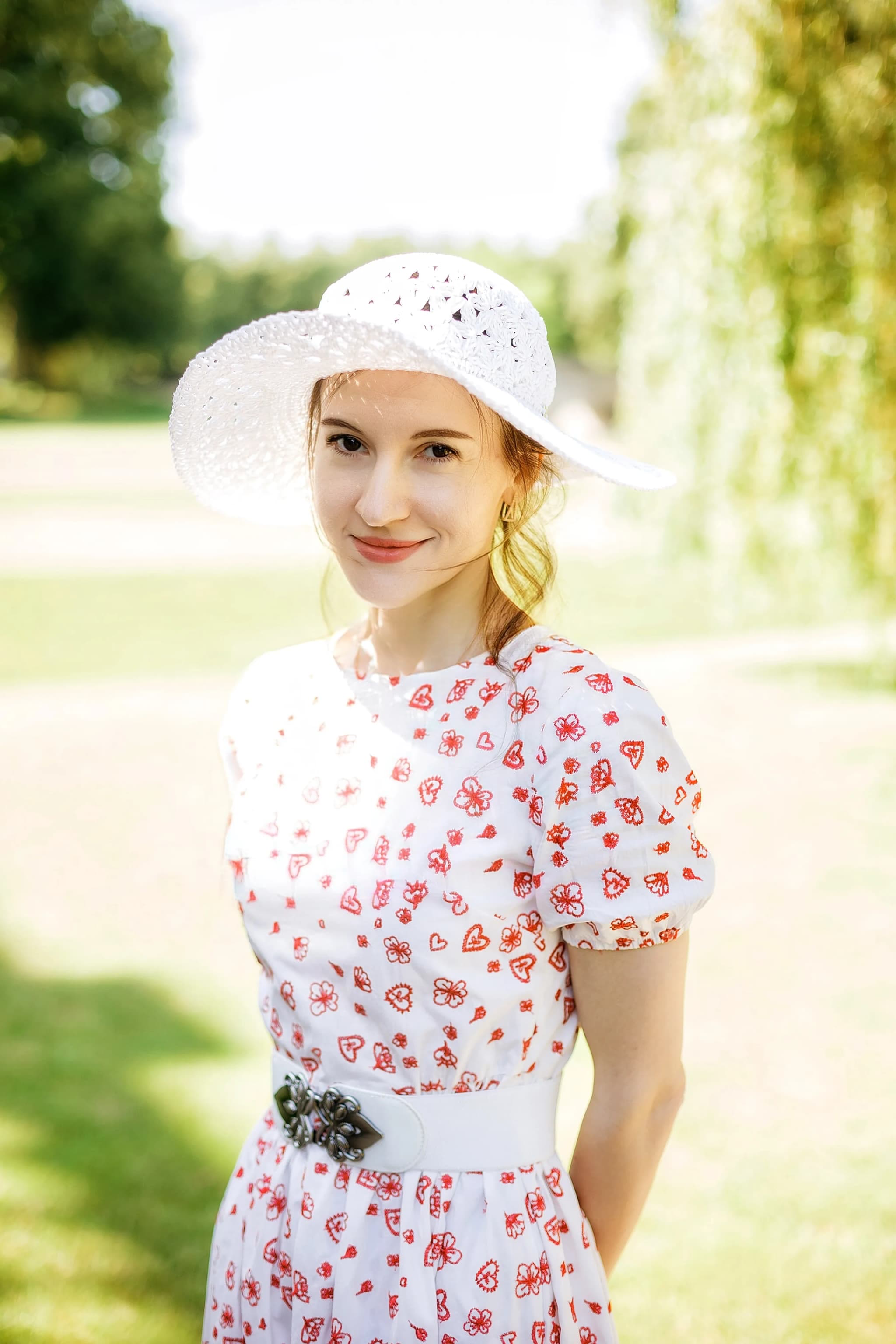
Introverted clients, once they relax, tend to give something different: quiet authenticity. A gentle, genuine smile rather than a wide showstopper. A thoughtful gaze. A moment of real connection with their partner that feels unguarded. These images have emotional depth that performative photography rarely achieves.
Choosing the Right Photographer
This is the single most important decision for a camera-shy person. The wrong photographer will make you feel worse; the right one will make you forget the camera exists.
- Look for a documentary or natural-light style. Photographers who describe their approach as "documentary," "candid," "storytelling," or "natural" typically work with less direction and more observation — which suits introverts perfectly.
- Avoid "high-energy" marketing language. If a photographer's website promises "fun, bubbly, high-energy sessions!" that's probably not your fit. Look for words like "calm," "relaxed," "at your own pace."
- Study their portfolio for variety. Do all the subjects look like confident Instagram models, or do you see a range of personalities? A good photographer adapts to the person in front of them.
- Have a pre-shoot consultation. Meet (or call) the photographer before booking. Your gut reaction to their personality tells you a lot. Do they listen more than they talk? Do you feel pressured or comfortable?
Before the Session: Preparation That Helps
Know What You'll Wear
Outfit uncertainty adds anxiety. Choose your clothing well in advance — something you genuinely feel comfortable and like yourself in. Don't buy something new that you've never worn. The goal is to look like yourself on a good day, not a version of yourself you've assembled specifically for photos.
Visit the Location
If possible, visit the shoot location beforehand. Familiarity reduces anxiety. If you've walked through the park, seen the light, sat on the bench where you'll be photographed — it feels less like a photoshoot and more like returning somewhere you know.
Set Expectations with Your Photographer
Tell your photographer you're introverted or camera-shy. This is not a weakness and no professional photographer will judge you for it. It's useful information that helps them plan their approach. They'll know to give you more warm-up time, use more gentle direction, allow more breaks, and rely more on candid moments than posed ones.
Bring a Comfort Person (or Don't)
Some introverts feel more comfortable with a trusted friend present. Others find an audience makes things worse. Know which category you fall into and plan accordingly. For couples sessions, you already have your partner — which is actually ideal for introverts because you can focus on each other instead of the camera.
During the Session: What to Expect
The Warm-Up Period
The first 10–15 minutes of any session are the hardest. This is true for everyone, but especially for introverts. Experienced photographers know this and use the opening minutes for simple, low-pressure shots — walking, adjusting clothing, looking away from camera. These aren't throwaway images; they're genuine moments that also happen to allow you to ease into the experience.
You Don't Have to Smile Constantly
The most common anxiety: "What do I do with my face?" The answer: nothing forced. A contemplative expression, a soft almost-smile, a genuine laugh — these are all valid. Not every photograph needs a beaming grin. Some of the most striking portraits show quieter expressions: thoughtfulness, tenderness, calm confidence.
Movement Helps
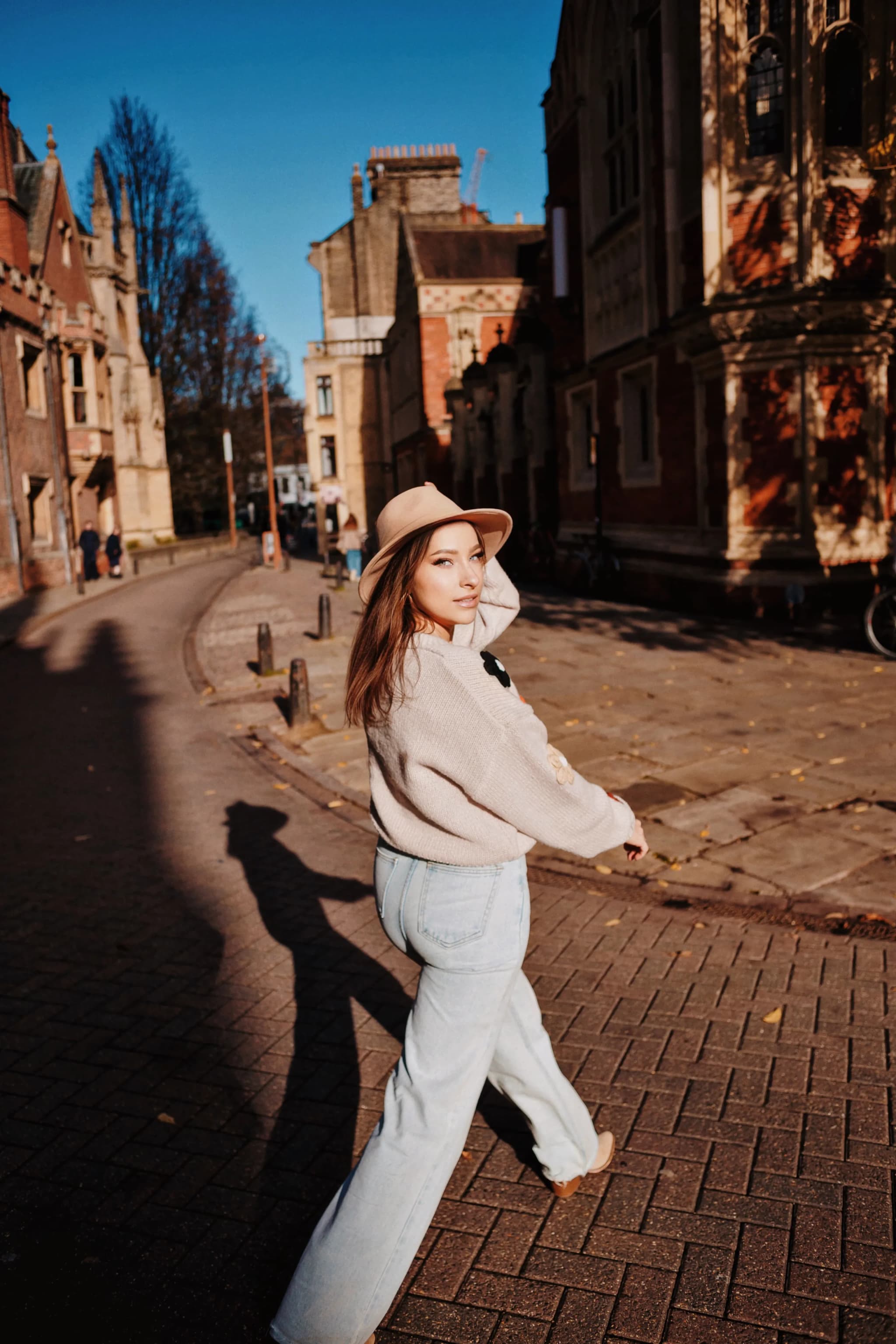
Standing still and being stared at is uncomfortable. Walking is natural. Most photographers will have you walk toward them, walk together, walk away — because walking creates natural movement, natural expressions, and natural interaction. You're not "posing" — you're doing something your body knows how to do.
Focus on Your Person, Not the Camera
For couples and family sessions, the best advice is: look at and interact with the person you love, not the camera. Whisper something, rest your forehead against theirs, hold them. The photographer will capture the moment. You don't need to look at the lens for it to be a beautiful image — quite the opposite.
Take Breaks When Needed
There is no rule that says you must shoot continuously for 60 minutes without stopping. If you need a minute to breathe, look at your phone, grab water, or just stand quietly — take it. Good photographers build natural pauses into every session.
Specific Strategies for Different Session Types
Wedding Day
Introverted couples often worry about the photography aspect of their wedding more than almost any other element. Strategies:
- Do an engagement shoot first. This is essentially a practice run. By the time your wedding arrives, you know your photographer, they know you, and the awkwardness is already behind you.
- Keep group photo lists short. Large group photos that involve corralling dozens of people are draining. Limit formal groups to immediate family only, and let the photographer capture everyone else candidly.
- Schedule private time. Build 15–20 minutes into your timeline for just the two of you with the photographer — away from guests. These quiet portraits, when you can focus entirely on each other, produce the most intimate images of the day.
- Choose documentary-style coverage. The less "directed" the photography, the less performance is required from you.
Professional Headshots
Headshot sessions are particularly challenging for introverts because it's just you, alone, facing a camera. Tips:
- Choose a photographer who talks to you during the session — conversation distracts from self-consciousness.
- Bring music that relaxes you — many headshot photographers will play it.
- Ask the photographer to show you images on the back of the camera during the session. Seeing that you look good reduces anxiety for the remaining shots.
- Remember that a headshot session typically takes 30–45 minutes, not hours. It's brief and manageable.
Family Sessions
Children are natural ice-breakers. In family sessions, the focus naturally shifts to the kids — their expressions, their energy, their interactions with you. You're not "posing" — you're parenting, playing, hugging, lifting. The camera fades into the background when you're caught up in your child's laughter.
After the Session
Most introverted clients say the same thing after seeing their gallery: "That wasn't as bad as I expected — and I actually love the photos." The discomfort is temporary. The images last forever. And because you weren't performing, they look like the real you — not a staged version, but the person your family, partner, and friends actually see and love.
Camera-shy? I specialise in making quiet people look extraordinary.
My approach is calm, patient, and entirely at your pace. No forced smiles, no awkward posing. Let's talk about your session.