Yana Skakun
What Does a Photojournalistic Wedding Photographer Actually Do?
By Yana Skakun·13 March 2026·5 min read
"Photojournalistic wedding photographer" is a phrase that turns up on a great many photography websites, and it is used loosely — sometimes interchangeably with documentary, candid, or reportage photography, sometimes to mean something quite specific and different from all three. That looseness creates genuine confusion for couples who are trying to work out what they are actually booking, and it matters, because the style of coverage you choose shapes almost everything about how your wedding day is photographed, from the schedule to the mood of the final gallery. I have shot weddings across Cambridge and the wider region for long enough to have strong, practical views on what the term ought to mean, what it delivers well, and where it falls short if a couple has not understood the trade-offs going in. This is my attempt at a clear, honest explanation, written from the perspective of someone who works in this style regularly rather than someone marketing it.
The Photojournalistic Principle, Properly Explained
Photojournalism in its original sense is photography in service of news reporting. The photographer's job is to document what is actually happening, accurately and without staging it. Nothing is arranged for the camera — no posing, no artificial light set up in advance, no moving people or objects into a more flattering position. The photographer's task is to observe closely and capture what unfolds, and their skill is judged on how well they read a scene and position themselves, not on how well they can direct one.
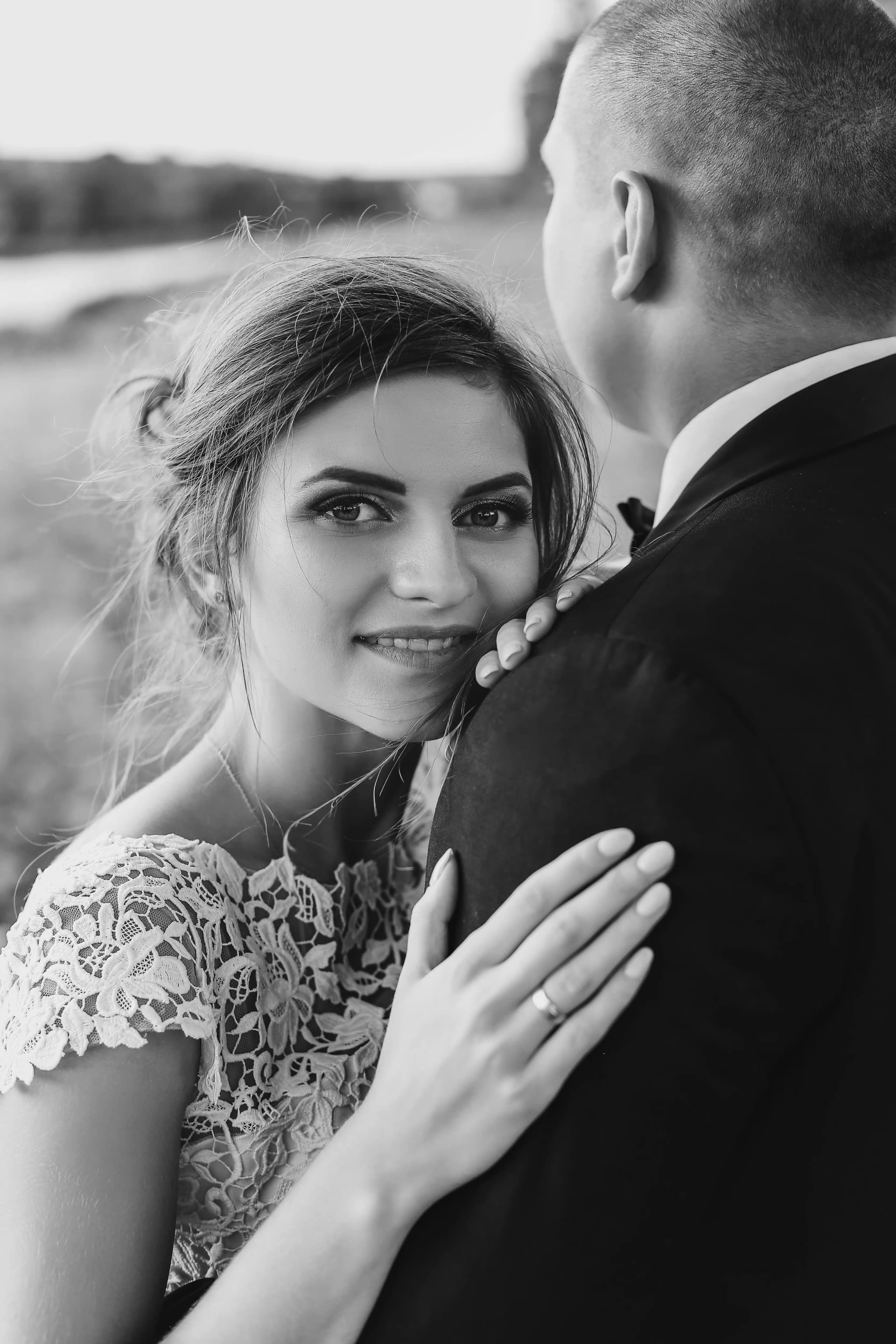
Applied to a wedding day, this principle translates into a photographer who spends most of their time watching and reacting rather than instructing. They are looking for what photojournalists call the decisive moment — the glance between a father and daughter before the ceremony, the half-second of unguarded laughter during a speech, the tear that appears and is gone again in under a second — and their entire job is to be in the right place, with the right settings already dialled in, so that moment is captured cleanly rather than missed or half-caught. They do not stop the day to arrange a photograph. They work around the day as it genuinely unfolds, which means some of the best images from a photojournalistic wedding gallery are ones nobody in the room was aware were being taken at the time.
This is a meaningfully different discipline from directed portrait photography, where the photographer is actively composing the frame — choosing where people stand, adjusting posture, waiting for a genuine smile and then asking for one more. Both are legitimate, skilled approaches. They simply produce different kinds of images, and a couple who understands which they are getting, and when, tends to be far happier with their final gallery than one who assumed all wedding photography works the same way.
What a Photojournalistic Photographer Actually Does on the Day
Arriving early and staying quiet is the first and most underrated part of the job. Being present during the getting-ready hours without directing anyone is a genuine skill, and it is one that takes years to develop properly. The best photojournalistic photographers become something close to furniture in the room — present, but not commanding attention — and once that happens, people stop performing for the camera and start behaving the way they actually behave. That shift, from performed to natural, is where the most honest images of the whole day tend to come from: the nervous energy in a bridesmaid's laugh, the quiet moment a groom takes to himself before everyone arrives, the particular way a mother straightens a veil.
Anticipation matters more than reaction. Good photojournalistic work is not simply a matter of taking enough photographs and hoping some land well. An experienced photographer reads the emotional temperature of a room continuously — noticing when a toast is building toward its emotional peak, when a father is about to well up, when a group of old friends is about to break into the kind of laughter that only happens once — and positions themselves and has their exposure settings ready before the moment arrives, not after. This is the part of the craft that separates an experienced documentary photographer from someone who is simply present with a camera.
Available light is used wherever it can possibly work. Flash is avoided as far as reasonably possible during the documentary portions of the day because it draws attention to the photographer, interrupts the atmosphere, and visibly changes the quality of the moment for everyone in the room, including the people being photographed. This means low-light technical competence — understanding how to shoot cleanly at a wide aperture and a higher ISO in a dim marquee or a candlelit reception room without images turning soft or grainy — is one of the genuinely important skills a photojournalistic wedding photographer needs, and it is worth asking about directly if you are hiring one.
The photographer does not intervene in the scene itself. If a guest is standing in an awkward spot relative to a photograph that is forming, a photojournalistic photographer moves themselves to find a better angle rather than asking the guest to move. This has a real, sometimes underappreciated consequence: some photographs simply will not happen, because the conditions on the day were not quite right and the photographer chose not to manufacture them. Couples who understand and accept that trade-off in advance are, in my experience, consistently the happiest with the resulting gallery.
The Honest Trade-Off Nobody Puts on the Website
Photojournalistic wedding photography produces its very best work when the day itself contains genuine emotion, interesting activity, and reasonably good light. The ceremony, the speeches, the getting-ready hours, the dancing later in the evening — these are all rich environments for documentary capture, because there is a great deal of unscripted human behaviour happening in front of the camera and a skilled photographer simply needs to be present and ready for it.
It produces its weakest work, by contrast, when couples expect polished, magazine-style couple portraits from a purely documentary approach but have not understood that a purely photojournalistic style does not really produce them. The difference between a beautifully composed couple portrait — the kind with considered light, a flattering angle, and a genuine connected expression that the photographer has patiently waited or gently guided for — and a candid snapshot taken in passing is deliberate direction. One is not better than the other; they simply come from different processes, and a couple who wants both needs a photographer who is comfortable working across both modes.
In practice, almost every experienced wedding photographer I know or have trained alongside works this way — photojournalistic, observational coverage for the bulk of the day, combined with a short, deliberately directed portrait session built into the timeline, usually somewhere between the ceremony and the reception when the light is good and there is a natural pause in proceedings. Very few genuinely excellent professionals work in only one mode from start to finish, because a real wedding day, in my experience, benefits from both approaches used at the right moments rather than one philosophy applied rigidly throughout.
This is exactly how I approach coverage myself. I spend the great majority of the day observing and documenting — getting ready, the ceremony, the reception, the dancing — and I build in a focused portrait window, generally fifteen to twenty minutes, somewhere in the timeline when the light and the moment allow for it. That window produces the images couples often choose for their main print or their album cover, while the documentary coverage around it produces the images that, years later, tend to mean the most because they show the day as it genuinely felt.
Planning a wedding around Cambridge?
If you are trying to work out what balance of documentary and directed photography is right for your day, I am always happy to talk it through before you book — no pressure, just an honest conversation about what will suit your venue, your timeline, and your two families.
Get in touch to discuss your dayWhere the Style Suits Certain Venues and Days Best
Photojournalistic coverage tends to shine at weddings with a strong sense of unfolding narrative — a countryside barn wedding where guests wander freely between the ceremony space and the gardens, a college wedding in Cambridge where the architecture and the light through ancient courts create constant visual interest even without any direction from the photographer, or a large family wedding with a lot of generational mixing and genuine emotion running through the day. These environments give an observational photographer plenty to work with because there is always something real happening.
It suits couples who are, by temperament, uncomfortable being posed and directed for long stretches of time. If the idea of standing in a field for forty minutes while a photographer adjusts your chin and your shoulders sounds like the worst part of your day rather than a pleasant pause in it, a heavily documentary approach with only a brief directed portrait session will likely suit you far better than a photographer who works primarily through posed set-ups.
It suits smaller, more intimate weddings particularly well too, since a documentary photographer can move through a smaller group without ever feeling intrusive, catching moments between close family and friends that would be harder to find naturally in a very large wedding party where organised group photographs necessarily take up more of the schedule.
Questions Worth Asking Before You Book
- Do you build in any directed portrait time, or is your coverage entirely documentary from start to finish?
- Can I see a complete wedding gallery from a recent wedding, rather than just portfolio highlights, so I can see the genuine balance of styles across a whole day?
- How do you approach organised group photographs, given that they inevitably require some direction?
- What is your approach to low light during the reception and evening — do you use flash, and if so, how much?
- How much of the getting-ready time do you typically cover, and how do you keep that time feeling relaxed rather than watched?
The answers to these questions will tell you more about how a photographer actually works than any style label on their website. "Photojournalistic" on its own does not guarantee a particular quality of coverage; it describes an approach, and within that approach there is enormous variation in skill, in how much direction is quietly woven in, and in how comfortable a photographer is working in difficult light without falling back on flash or missing the moment altogether.
How I Approach It on Wedding Days
My own coverage sits firmly in this documentary tradition, built around the discipline of watching closely, anticipating rather than reacting, and staying out of the way of the day as it actually happens. I carry two cameras through the day precisely so I am never fumbling a lens change at the moment something genuine is unfolding in front of me, and I spend the getting-ready hours deliberately quiet, letting the room settle into its own rhythm before I start working properly. Group photographs are kept efficient and good-humoured rather than drawn out, because a long, slow group photograph session is, in my experience, one of the more reliable ways to drain energy out of a wedding day that guests would rather spend enjoying themselves.
The result, in the final gallery, is a mix that couples consistently tell me feels true to how the day actually felt — not a highlight reel of poses, but a fuller, more honest record, with a handful of genuinely considered portraits woven through it for the moments that deserve a slower, more deliberate treatment.
Choosing between a documentary, photojournalistic style and a more traditionally posed approach is really a question of what kind of record you want of your wedding day, and there is no single correct answer — only the answer that suits you, your venue, and the shape of your particular day. If you are weighing up which approach is right for your wedding, or you would simply like to see a full gallery from a recent wedding to get a genuine sense of how documentary coverage looks across an entire day rather than in isolated highlights, get in touch and I would be glad to talk it through with you.
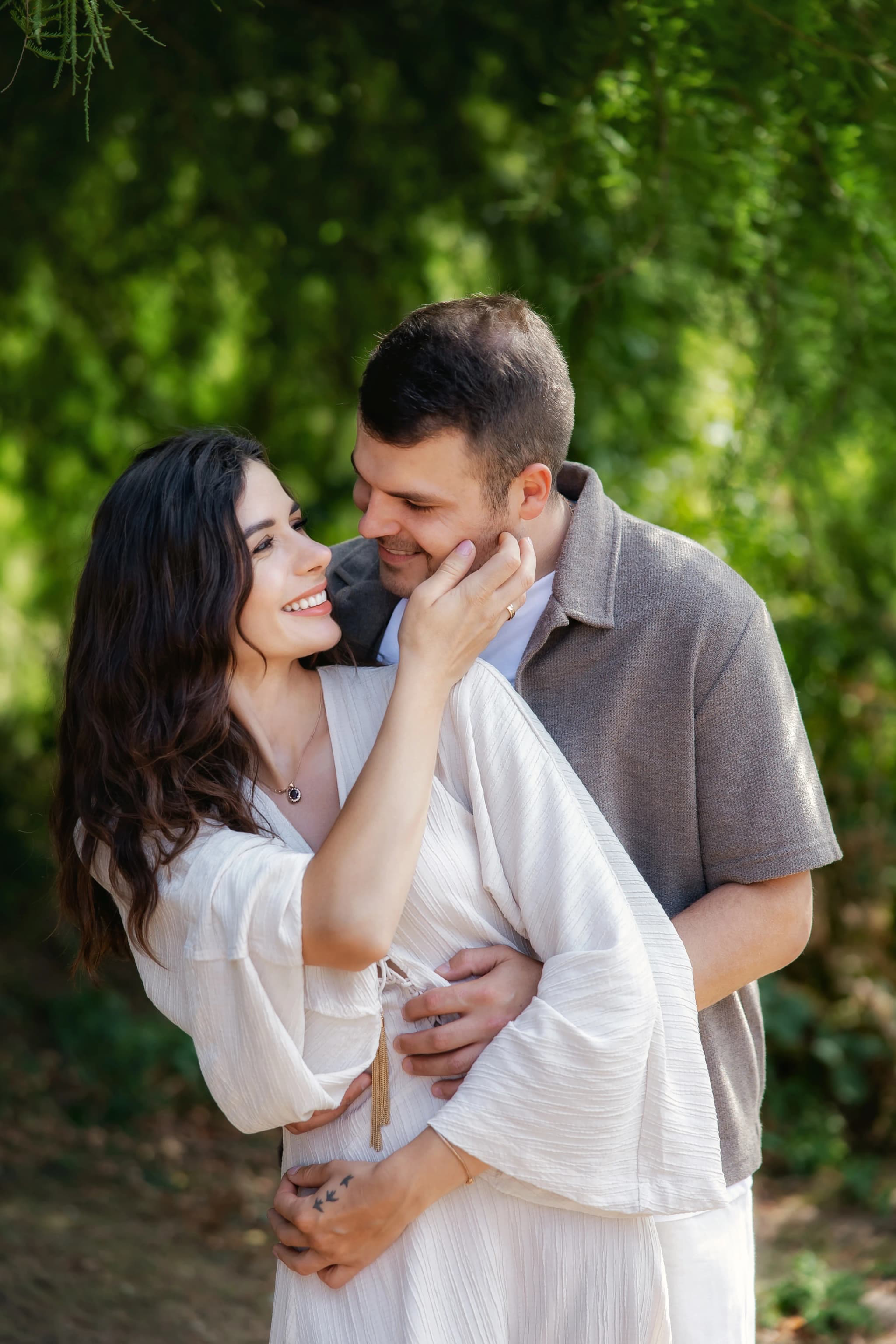
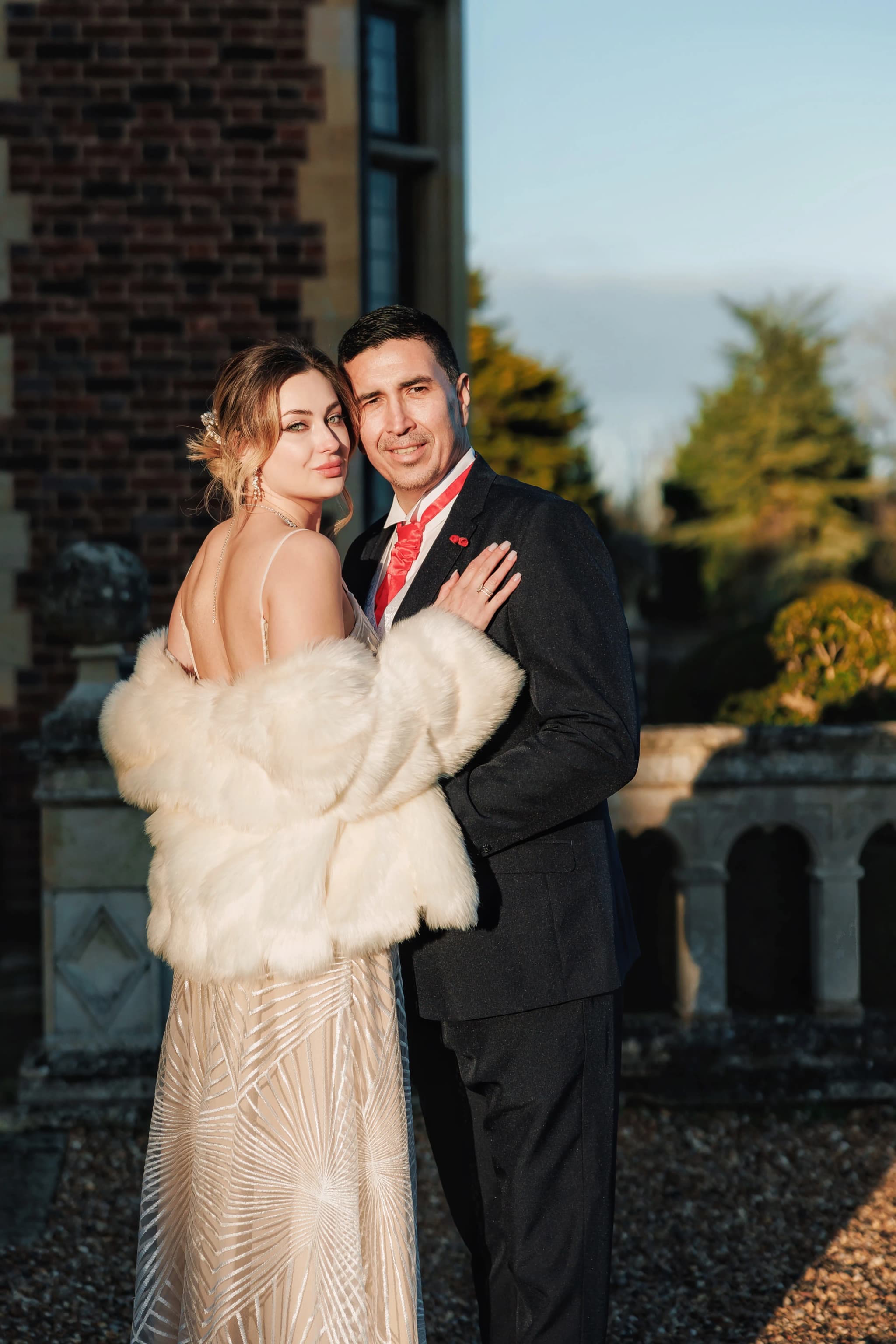
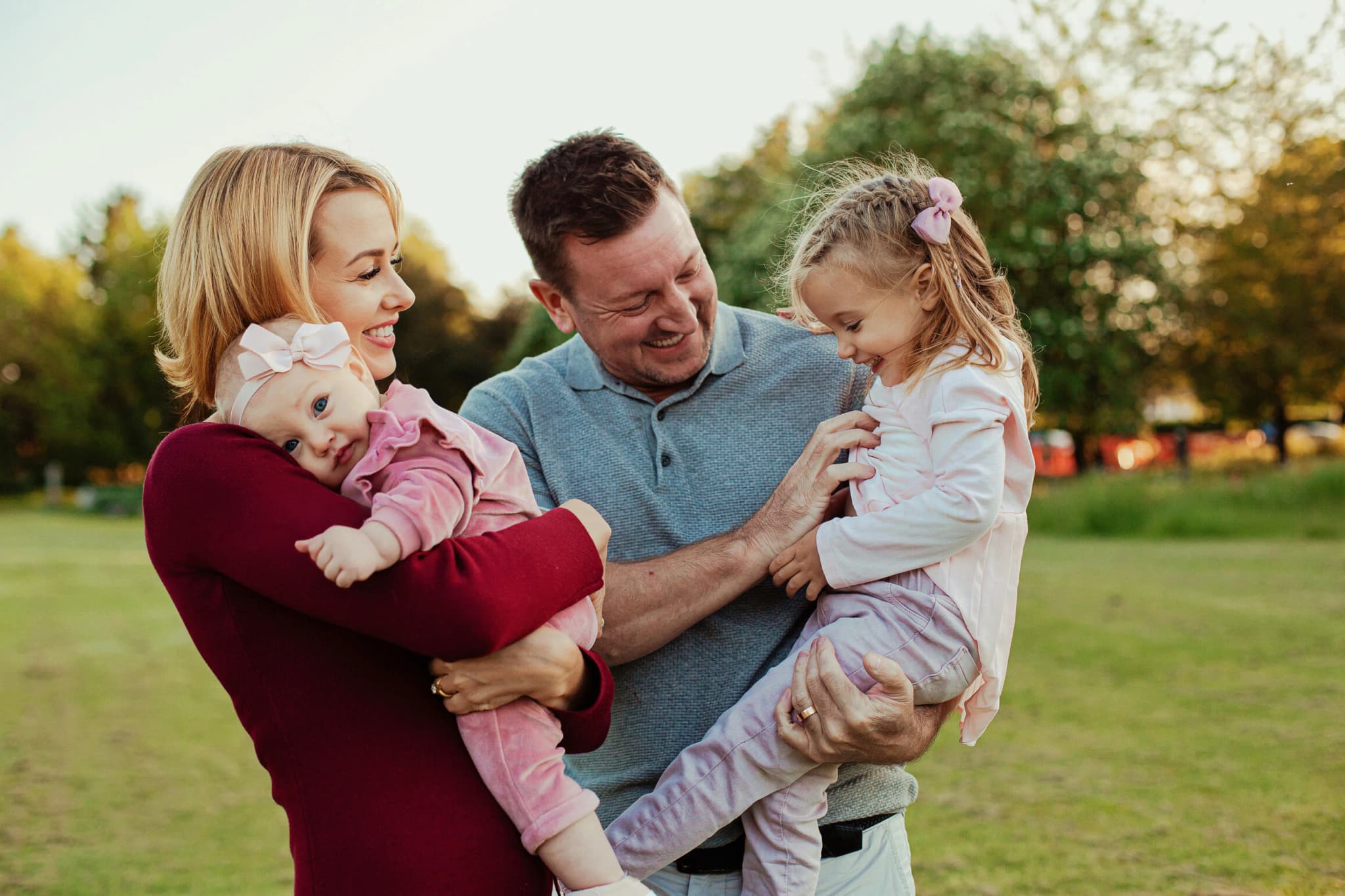

Yana Skakun
Photographer · England
Professional wedding, family and portrait photographer based in England. Passionate about capturing authentic emotions and timeless moments.
About Yana →photojournalistic wedding photographerphotojournalism wedding photographywhat is photojournalistic wedding
Photography Tips — Professional Photography in Cambridge & England
Yana Skakun is a professional photographer based in Cambridge, specialising in wedding, family, and portrait photography across England. Every session is personal — planned around your story, your people, and the moments that matter most. This guide — What Does a Photojournalistic Wedding Photographer Actually Do? — is part of the photography journal: practical, experience-based advice drawn from real sessions across England. Whether you arrived searching for photojournalistic wedding photographer or photojournalism wedding photography, the same care and attention shapes every session Yana photographs.
Professional Photography sessions are available year-round, with bookings open across Cambridge, Ely, Huntingdon, Peterborough, and further afield — East England, London, the Midlands, and beyond. If you have specific questions about what is photojournalistic wedding, mention it in your enquiry. Get in touch through the contact form above to check availability and discuss your session. Enquiries are welcomed from anywhere in the UK.
Frequently Asked Questions
What camera settings should I use for outdoor portraits?+
For outdoor portraits, shoot in aperture priority mode. Use a wide aperture (f/1.8–f/2.8) to blur the background and isolate your subject. Keep ISO as low as possible in good light. In bright conditions, use a neutral density filter or switch to manual to avoid overexposure at wide apertures.
What is the golden hour in photography?+
Golden hour is the period roughly 30–60 minutes after sunrise and before sunset. The sun is low in the sky, producing warm, soft, directional light that flatters skin tones and creates beautiful long shadows. It's widely considered the best natural light for portrait and outdoor photography.
How do you get sharp photos in low light?+
In low light, increase your ISO (accepting some grain), use the widest aperture your lens allows, and slow your shutter speed to the slowest you can hand-hold without camera shake (roughly 1/focal length as a guide). Use image stabilisation if available, and consider a tripod for static subjects.
What is the rule of thirds in photography?+
The rule of thirds divides the frame into a 3×3 grid. Placing your subject on one of the four intersection points — rather than dead centre — creates a more dynamic, visually interesting composition. It's a guideline, not a rule: some of the most powerful images break it deliberately.
How do you edit photos to look professional?+
Professional editing starts with shooting in RAW format. In Lightroom or similar software, correct exposure, white balance, and contrast first. Recover shadow and highlight detail. Apply gentle colour grading for mood. Be conservative with skin retouching — the goal is natural enhancement, not transformation. Consistency across a set of images is what separates professional from amateur editing.
Continue Reading
Related Articles

Photography Tips
Photography Gift Vouchers: The Most Personal Present You Can Give
5 min read · Read Article
Photography Tips
Photo Books vs Photo Albums: What Is the Difference and Which Is Better?
5 min read · Read Article
Photography Tips
Photo Gift Ideas: Turning Professional Images into Meaningful Presents
5 min read · Read Article
Get in Touch
Ready to Book Your Session?
Get in touch to discuss your vision — I'll reply within 24 hours.