Yana Skakun

Portrait Photography Over 50: Why This Is the Best Age to Be Photographed
By Yana Skakun·29 September 2033·6 min read
There is a quiet but pervasive narrative that professional portrait photography — particularly the kind you commission for yourself rather than for an occasion — is for younger women. It is not stated explicitly anywhere. It is implied by the models in photography company portfolios, by the ages at which women typically first commission portrait sessions, and by the internal critic that most women over 50 carry when they think seriously about being in front of a camera. I hear some version of it in almost every consultation I have with a client in this age group: a slightly apologetic explanation of why they have never done this before, as though wanting a beautiful photograph of themselves needs justifying. It does not. This is a narrative worth contesting directly, and this piece is my attempt to do that, along with some genuinely practical guidance for anyone considering a portrait session in their fifties, sixties, or beyond.
The Photographs You've Been Telling Yourself You Don't Deserve
The most interesting faces I photograph are not the youngest ones. Character, presence, and the particular quality of confidence that comes from surviving several decades of actual life are photographic qualities, not liabilities. A face that has laughed and grieved and worked and raised children and made decisions has structure and story in it that a smooth, untested face simply does not have yet. Portrait photography over 50 produces some of the most powerful images I make, and it is not despite the age of the subject but because of it.
I think part of the resistance comes from decades of exposure to images — magazine covers, advertising, social media — that treat ageing as something to conceal rather than something to photograph honestly and well. A genuinely skilled portrait photographer is not in the business of concealment. My job is to find the light, the angle, and the moment that shows you looking like the best, most settled version of yourself, not a version of you from thirty years ago. Those are different goals, and the second one is both more achievable and, in my experience, far more satisfying to the person being photographed once they see the results.
What Changes at 50+ (In Your Favour)
Several things tend to improve about portrait photography as subjects get older, and they are worth naming specifically because they run against the assumption that a portrait session gets harder or less rewarding with age. Self-knowledge increases. Most people in their fifties know themselves considerably better than they did in their thirties, which means they arrive at a session with clearer ideas about what they want to communicate and more ease in simply being in front of a camera, rather than performing for it. That ease reads directly in the photographs — a relaxed jaw, a genuine rather than held expression, eyes that are actually present rather than braced.
Self-consciousness about specific physical features tends to decrease with age, replaced by a more general, more settled awareness of one's appearance that is less anxious and more accepting. Clients in their fifties and sixties are far less likely to spend the first ten minutes of a session apologising for a particular feature than clients in their twenties, in my experience, and that shift alone makes for a calmer, more productive session.
And the quality of presence — the settled quality of someone who has lived enough life to know what matters and what does not — reads powerfully in photographs in ways that youth cannot replicate. It is not something I can manufacture with lighting or posing. It is simply there in the room, and a good portrait session is largely about noticing it and giving it space to come through on camera.
Why Commission a Portrait Now
A surprising number of women come to me around a specific life marker — a milestone birthday, retirement, children leaving home, the end of a marriage, recovery from illness, or simply an ordinary Tuesday on which they decided they were tired of not having a single recent photograph of themselves that they actually liked. Every reason is valid. What they tend to have in common is a sense that they have spent years being the person who takes the family photographs and appears in almost none of them, and a growing awareness that this leaves a genuine gap in the visual record of their own life.
I would also gently push back on the idea that a portrait session needs a special occasion at all. Wanting a photograph that reflects how you actually look and feel right now, in this decade of your life, is reason enough. Some of the most successful sessions I have run started from nothing more than a client deciding it was simply time.
A session built around you, not a formula
Every portrait session I run for clients over 50 is planned around the individual — your colouring, your usual style, the locations and light that suit you, and the mood you actually want the images to convey. There is no house pose list and no generic backdrop.
Enquire about a portrait sessionPractical Considerations for Portrait Sessions Over 50
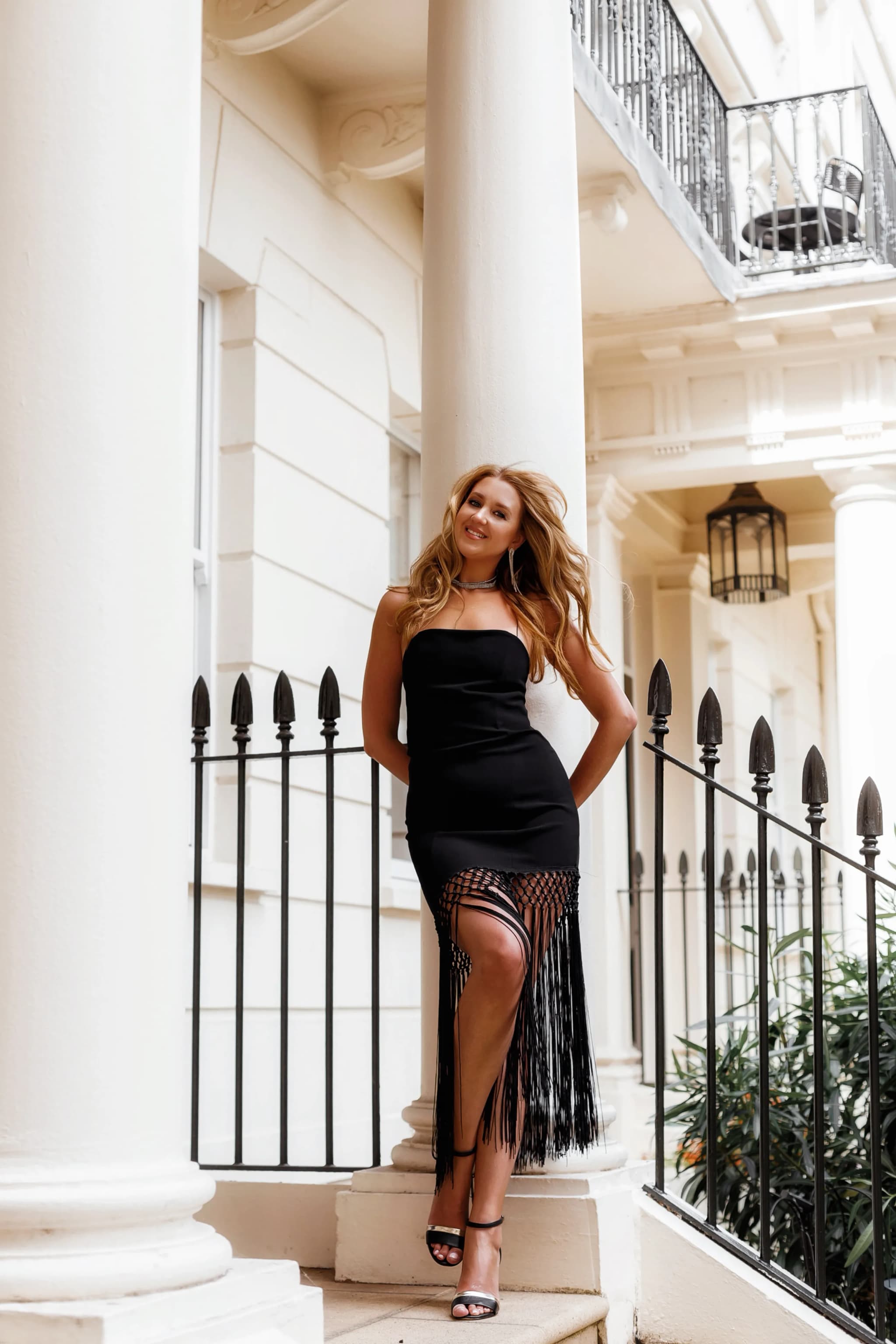
From a purely technical photography standpoint, portrait sessions for clients over 50 benefit from a few specific considerations, and it is worth understanding what they are so you know what to expect and can trust the process rather than second-guessing it mid-session. Softer, more directional lighting — golden hour outdoors, or gentle overcast light, or the diffused window light inside a well-chosen building — is generally more flattering than harsh midday sun for any subject, but it matters more rather than less as the decades accumulate, because hard overhead light tends to exaggerate texture and shadow in ways that softer light simply does not. I plan session times and locations around this deliberately rather than treating it as an afterthought.
Locations that provide shade and visual interest simultaneously — wooded paths, the light inside beautiful old buildings, sheltered gardens, a quiet courtyard with diffused reflected light off pale stone — tend to produce better results than fully exposed outdoor spaces at peak sun. In and around Cambridge I have a shortlist of locations I return to for exactly this reason: college gardens with mature planting that filters the light, riverside paths shaded by willow, and a handful of interiors with the kind of large, north-facing windows that portrait photographers specifically look for.
Camera angle and lens choice matter more than most clients expect. I generally shoot portraits at or slightly above eye level with a longer focal length, which keeps facial proportions natural and avoids the slight distortion that comes from working too close with a wide lens. I also pay close attention to posing that elongates the neck and opens the space between chin and collar, which is a simple, universal technique that flatters every subject regardless of age rather than something specific to older clients — it simply matters more because we tend to be more conscious of that particular area of the face and neck as the years go on.
Retouching, where I use it, is restrained and honest. I remove temporary blemishes and distractions — a stray hair, a crease in clothing — and I do very light, even skin work across the whole session for consistency. I do not remove the lines and texture that come from a genuinely lived life, because those are not flaws to be corrected; they are part of what makes the portrait actually look like you rather than like an artificial, ageless approximation of you. Clients consistently tell me afterwards that this restraint is exactly what they wanted, even when they arrive slightly nervous about how much retouching they might need.
What to Wear and How to Prepare
Outfit choices should lean toward what you actually wear and feel good in. Authenticity in styling always photographs better than trying to look younger or different from your actual self, and this is true at every age but especially worth saying plainly here. The best images at any age are the ones where the person in the photograph looks genuinely like themselves on a good day, not like someone else entirely.
Practically, I usually suggest bringing two or three outfit options in different registers — something you would wear to a smart lunch, something more relaxed you would wear at home or for a walk, and perhaps one slightly more formal piece if there is an occasion the images need to serve, such as a milestone celebration or a professional use. Solid colours and simple, well-fitted clothing photograph more successfully than busy patterns, which can distract from the face. Fabrics with a little structure hold their shape through a session better than very soft jersey, which can look slightly shapeless in stills.
On hair and makeup, I encourage clients to keep to their normal routine rather than dramatically changing it for the day, possibly with slightly more definition than usual since studio and natural light both tend to soften makeup somewhat. Some clients choose to book a hair and makeup artist for the morning of the session, which I am always happy to help coordinate, though it is entirely a personal preference rather than a requirement — some of my favourite portraits have come from clients who did their own hair and makeup exactly as they would for any ordinary day, because the resulting image felt completely like them.
A Decade-By-Decade Record
Some clients commission portrait sessions as an intentional practice at each significant decade — photographing themselves at 40, 50, 60, 70 — creating a visual record of their life across time that exists independently of family occasions, weddings, and holiday snapshots. These series become some of the most treasured possessions in a family: the record of a woman's life through its most significant chapters, seen from the inside, as a deliberate act of self-documentation rather than as a byproduct of other people's celebrations.
I keep detailed notes and, with permission, a private reference set of images from returning clients specifically so that later sessions can echo earlier ones where it is meaningful to do so — the same bench in a college garden, the same stretch of riverbank, revisited a decade on. Clients who have done this tell me the comparison across the years matters to them more than any single session on its own, and I would encourage anyone interested in the idea to start now rather than waiting for a future decade that feels more significant. The best time to begin a decade-by-decade record is always the present one.
Beyond the Personal: Professional and Family Uses
Not every portrait session over 50 is purely personal. A meaningful number of my clients in this age group are commissioning images for professional reasons — an updated headshot for a board position, a speaker profile, an author photograph, or a LinkedIn presence that has been badly out of date for years. The same principles apply: flattering, directional light, honest and restrained retouching, and an outfit that reflects how the client actually presents themselves professionally rather than a costume assembled for the day.
Others are commissioning images specifically for their families — portraits intended to sit alongside wedding photographs and childhood pictures as part of the wider family archive, or images intended as a gift to adult children and grandchildren. I always ask early in the consultation what the images are ultimately for, because it genuinely shapes decisions about location, styling, and the overall mood of the session, and getting that conversation right at the outset makes for a much stronger final set of images.
If any part of this has been sitting in the back of your mind — the sense that it might be time for a photograph of yourself that actually reflects who you are now, at this stage of your life, rather than a decade-old profile picture or a cropped screenshot from someone else's photo — I would genuinely encourage you to act on it. A portrait session is a small, contained thing to arrange, and the value of the resulting images tends to grow rather than fade with time. I run portrait sessions for women at every age and stage from my base in Cambridge and across the wider region, and I would be glad to talk through what a session tailored to you might look like. Get in touch and we can start with an informal conversation about what you have in mind, with no obligation attached.
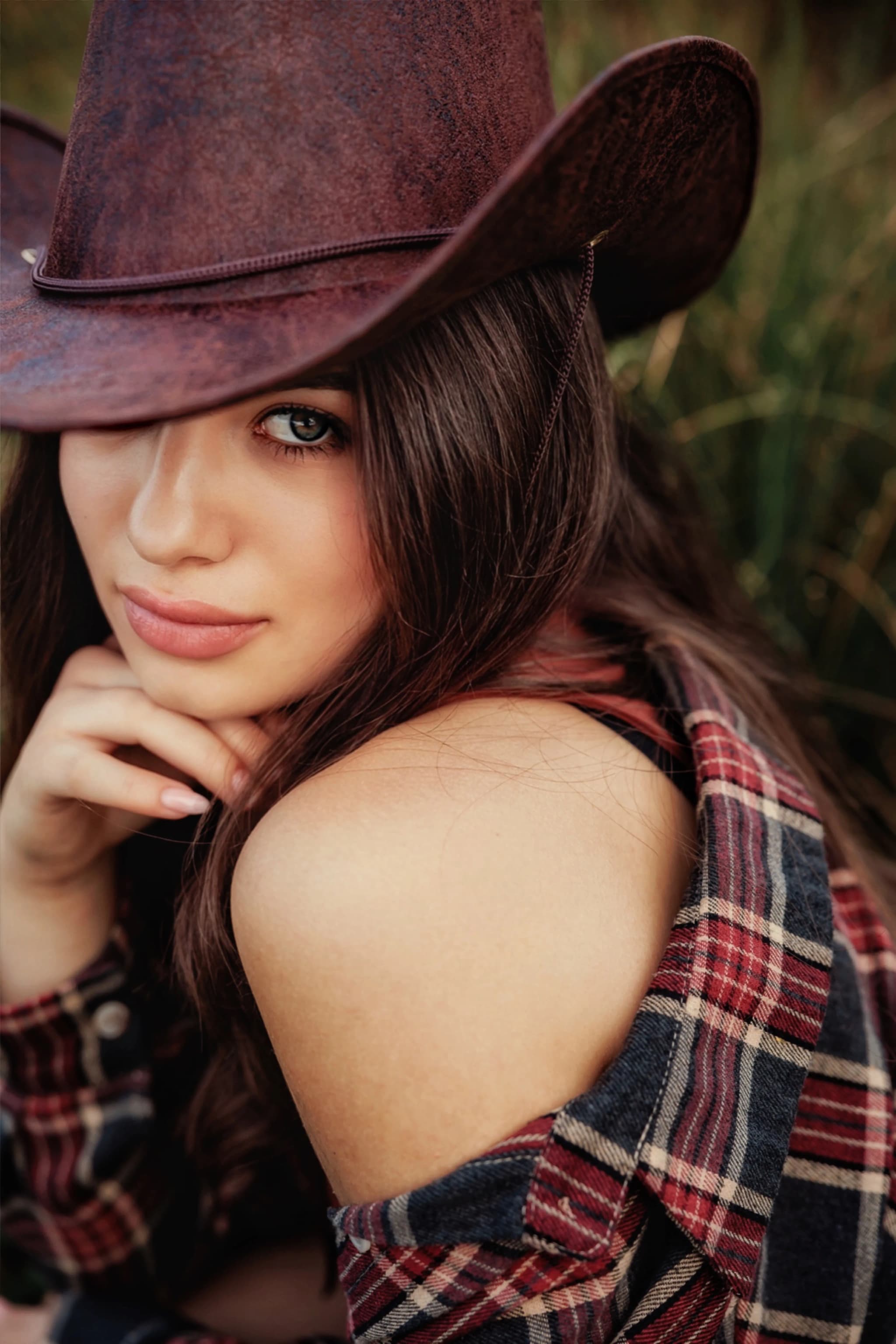
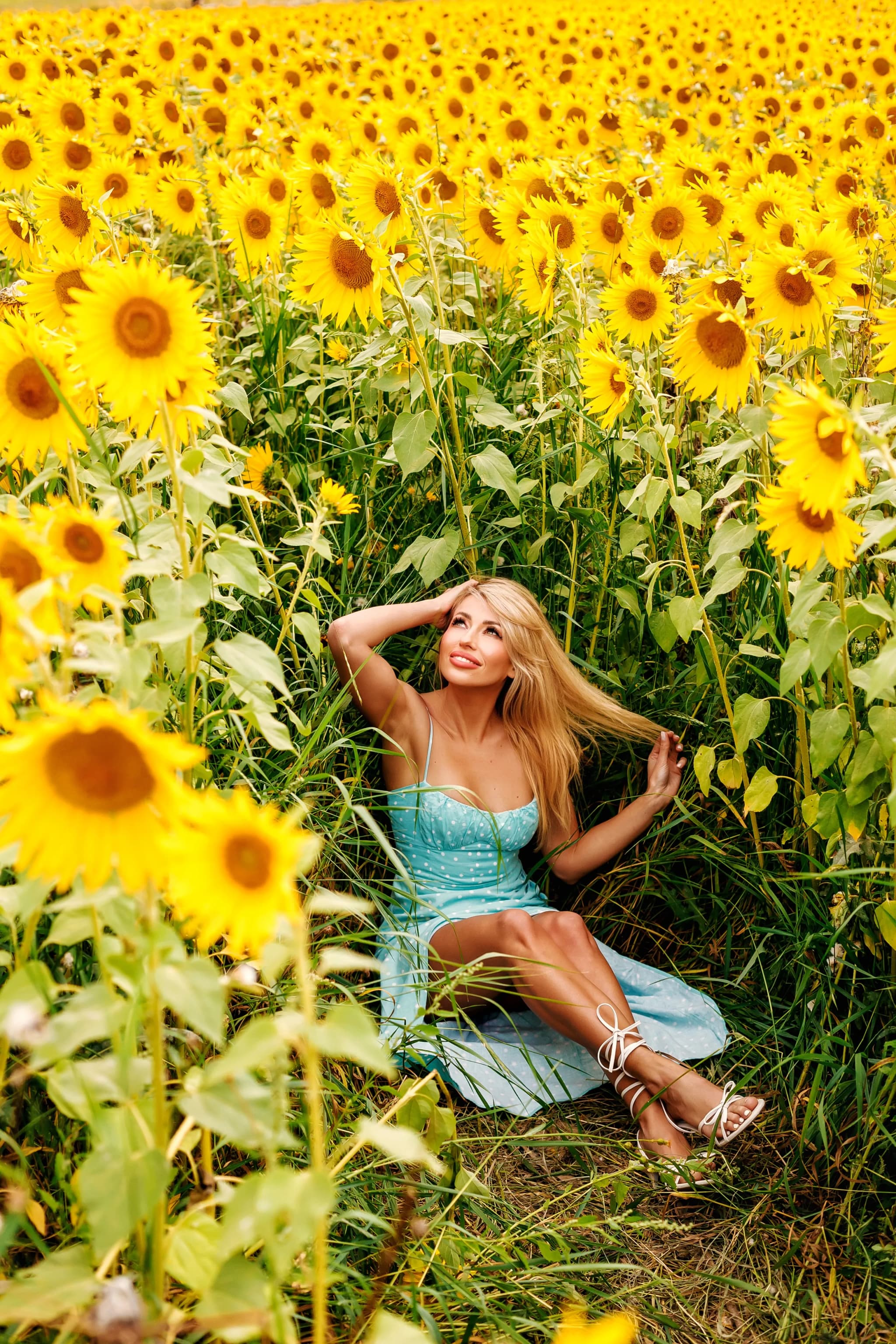
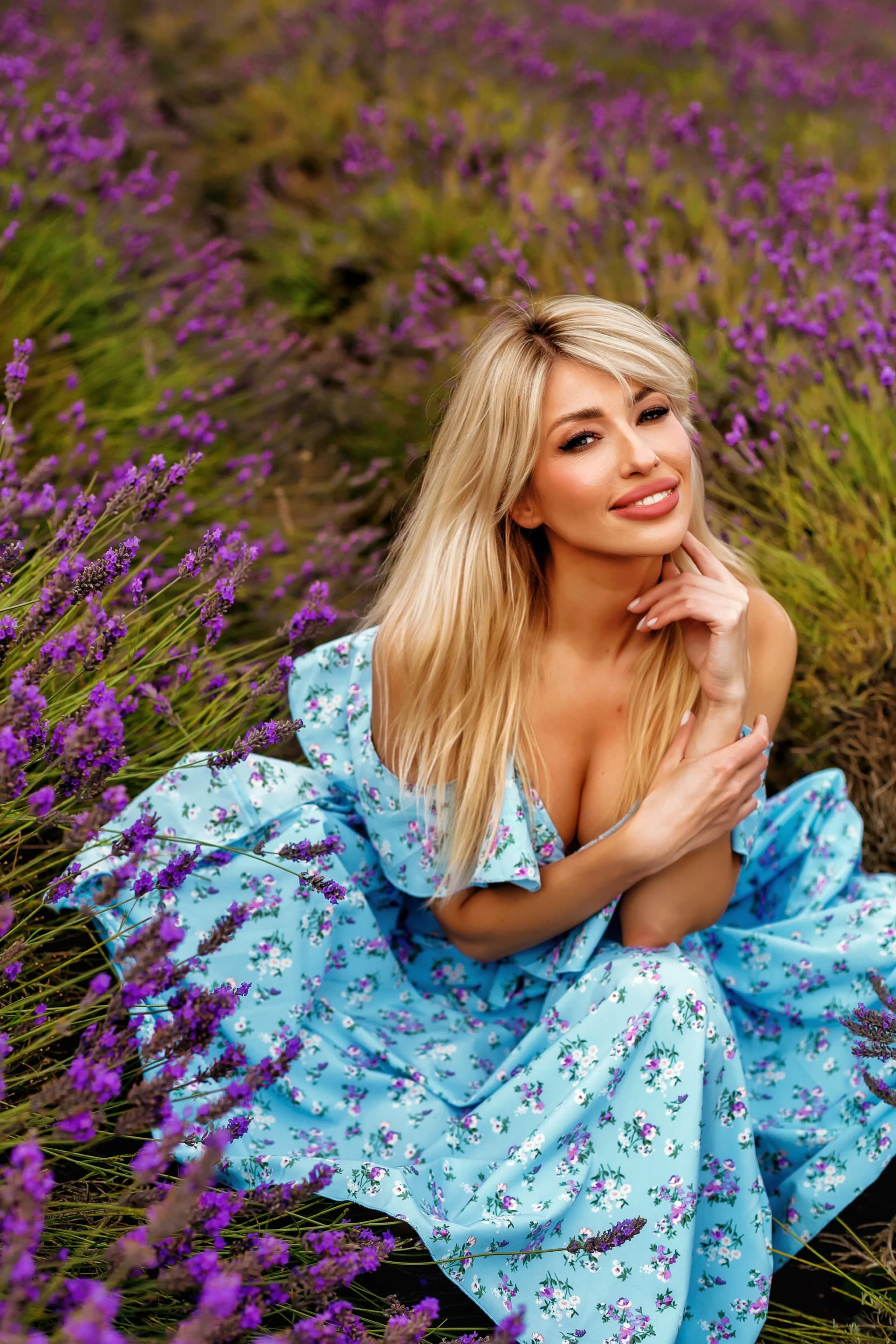
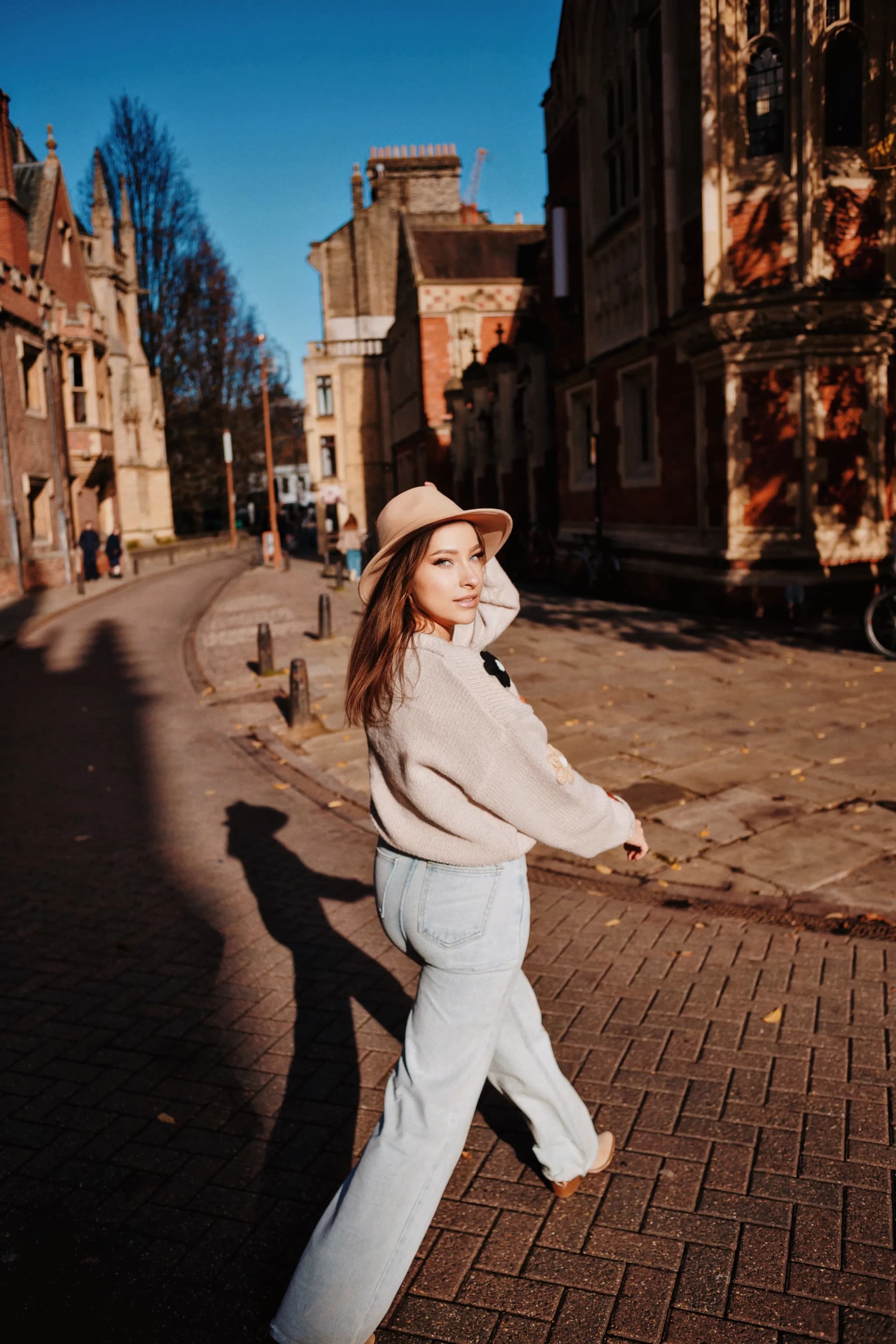


Yana Skakun
Photographer · England
Professional wedding, family and portrait photographer based in England. Passionate about capturing authentic emotions and timeless moments.
About Yana →portrait photography over 50portrait photography older women UKmature portrait photography Cambridgephotography for women over 50
Portrait Tips — Portrait Photography in Cambridge & England
Portrait sessions with Yana Skakun are unhurried and personal — designed to produce images that feel genuinely like you, not a performance. Sessions are available in Cambridge, across East England, and at locations throughout the UK. This guide — Portrait Photography Over 50: Why This Is the Best Age to Be Photographed — is part of the photography journal: practical, experience-based advice drawn from real sessions across England. Whether you arrived searching for portrait photography over 50 or portrait photography older women uk, the same care and attention shapes every session Yana photographs.
Portrait Photography sessions are available year-round, with bookings open across Cambridge, Ely, Huntingdon, Peterborough, and further afield — East England, London, the Midlands, and beyond. If you have specific questions about mature portrait photography cambridge, mention it in your enquiry. Get in touch through the contact form above to check availability and discuss your session. Enquiries are welcomed from anywhere in the UK.
Frequently Asked Questions
How do I look natural in portrait photos?+
The key is to keep moving — walking, talking, laughing. Still poses often look stiff. A good portrait photographer will direct you gently rather than just pointing and shooting. Take a breath, drop your shoulders, and try to focus on something that makes you happy rather than worrying about how you look.
What should I wear for a portrait session?+
Wear something you feel good in — not something borrowed or brand new that you haven't worn before. Solid colours photograph better than busy patterns. Bring a second outfit for variety. Think about the location: flowing fabrics work beautifully outdoors; tailored looks suit urban settings.
How long does a portrait session take?+
Standard portrait sessions last 60–75 minutes. This allows enough time to warm up, try different locations and poses, and explore a couple of looks without rushing. If you're very camera-shy, a longer session helps — the more relaxed you become, the better the final images.
What locations are best for outdoor portrait photography?+
Gardens, parks, riverside paths, woodland, and areas with interesting architecture all make great portrait backgrounds. The most important factor is light — a location with open shade or soft directional light will always photograph better than a technically beautiful spot in harsh midday sun.
What is the difference between a portrait session and a headshot session?+
Portrait sessions focus on you as a whole person — full-body, three-quarter, and close-up images in a relaxed, often outdoor setting. Headshot sessions focus specifically on professional or actor headshots: face and upper body, often in a controlled setting with consistent, professional lighting.
Continue Reading
Related Articles
Portrait Tips
Glasses and Glare in Photography: How to Get Great Results
6 min read · Read Article
Portrait Tips
Fake Tan Before a Photoshoot: Timing, Application, and What Can Go Wrong
6 min read · Read Article
Portrait Tips
Hair and Makeup for a Photoshoot: What Photographs Well
7 min read · Read Article
Get in Touch
Ready to Book Your Session?
Get in touch to discuss your vision — I'll reply within 24 hours.