Yana Skakun

Speech Reaction Photos: Capturing Laughter and Tears
By Yana Skakun·10 June 2026·6 min read
Ask me which part of a wedding day delivers the most honest photographs, and I won't point to the confetti or the first dance. It's the speeches. While everyone watches the person holding the microphone, I'm watching the room — because the best wedding speech reaction photos rarely come from the speaker. They come from the bride wiping away tears at her dad's words, the groomsmen folded over laughing, and the gran who has clearly heard this story before.
Why reactions beat the speaker every time
A speaker is performing, even when they don't mean to be. They've rehearsed, they're reading notes, and they know the spotlight is on them. The guests, on the other hand, have no idea I'm pointing a lens their way. That's the entire secret to a candid: the subject isn't aware. When a best man lands a punchline about a stag do in Cambridge that went sideways, the laughter that ripples across the room is completely unguarded.
These are the frames couples come back to months later and say, "I didn't even know that happened." That sentence is my favourite review. It means I captured something they lived through but never saw — the emotion happening on the faces around them while they were busy being the centre of it all.
Where I stand, and why it matters
Positioning during speeches is everything, and it's a quiet skill that most guests never notice. I don't plant myself behind the speaker, because that only gives me the backs of heads. Instead, I work from the side or slightly in front of the top table, angled so I can see both the couple and the wider room in a single sweep. At a long barn reception in rural Suffolk or a marquee on a Cambridgeshire farm, this often means a lens with reach so I can stay back and stay invisible.
I also read the speech before it lands. A father of the bride who pauses and looks down at his notes is about to say something tender — that's my cue to find the bride's face, not his. A best man building toward a joke is telegraphing the laugh that's coming, so I pre-focus on the people most likely to crack. Anticipation is the difference between catching the reaction and photographing the moment after it has already faded.
The faces I always hunt for
Some reactions are predictable, and I'm grateful for that. Knowing roughly who will respond to what lets me move quietly and be ready before the emotion peaks. Over hundreds of weddings I've learned that certain people give you gold almost every single time.
- ◆The couple: Their reactions to each other and to family are the emotional anchor of the whole sequence — a hand squeezed under the table, a glance exchanged mid-laugh.
- ◆Parents: Dads especially tend to crumble during the bride's thank-you, and mums often mouth the words along with the speeches they've heard rehearsed.
- ◆The wedding party: Bridesmaids and groomsmen react loudly and physically — they double over, cover their faces and clutch each other, which photographs beautifully.
- ◆Grandparents: Often the most moving frame of the day. Quiet pride, a folded tissue, a wobble of the chin that says decades in a single second.
- ◆Children: Younger guests are gloriously unfiltered, whether bored, delighted or confused, and they cut the tension between the heavier moments.
- ◆The speaker's target: Every speech roasts someone. Finding the person being teased and catching their mortified grin is reliably one of the funniest shots of the night.
Handling the light and the room
Speeches are a technical challenge as much as a creative one. They often happen indoors in the late afternoon or evening, when natural light is dropping and venues lean on warm tungsten or fairy lights. A converted barn near Ely might have gorgeous golden ambience and almost no usable light for fast candids. I shoot with bright lenses and push my settings so I can stay quick and quiet, because a firing flash in someone's face the moment they tear up will kill the very thing I'm trying to keep.
I also stay mindful of being a presence in the room. Reaction work means moving, but it can't mean distracting. I shift between courses, crouch low, and time my steps to laughter so my movement disappears under the noise. The goal is for guests to forget I'm there entirely — that's when the honest expressions come out, and that's when a wedding speech reaction photo stops being posed and starts being true.
Telling the story as a sequence
A single reaction shot is lovely, but the real magic is in the run of frames. I try to deliver the arc of each speech: the build-up, the laugh, the tear, the toast and the embrace afterwards. When you lay those images side by side in an album, the gallery reads like a short film of how the room felt, not just how it looked. That narrative is what turns a folder of photographs into a memory you can actually revisit.
If you're planning your speeches, my one piece of advice is to keep them seated and close to your guests rather than staged on a far platform. The tighter the room, the warmer the reactions, and the easier it is for me to gather everyone's faces into the frame. Across Cambridgeshire and the wider East of England, some of the most emotional galleries I've ever shot came from the simplest setups: a long table, a few heartfelt words, and a room full of people who forgot the camera was even there.
Want speeches that feel as good in your album as they did in the room?
I photograph weddings across Cambridge, Cambridgeshire and the East of England, chasing the laughter and the tears your guests give without knowing it. Let's see whether your date is still free.
Check Your Date →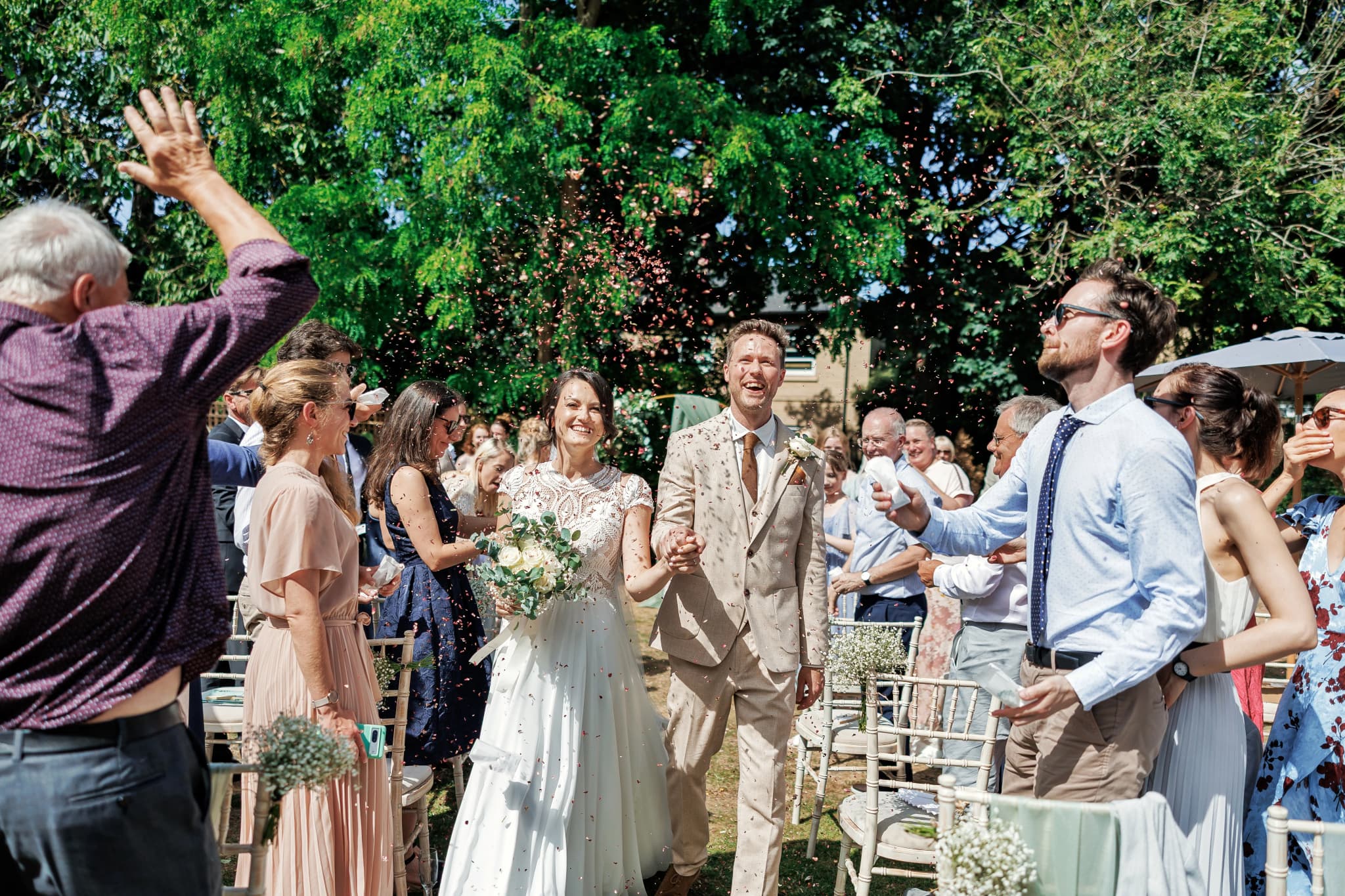

Yana Skakun
Photographer · England
Professional wedding, family and portrait photographer based in England. Passionate about capturing authentic emotions and timeless moments.
About Yana →speechreactionphotoswedding
Wedding Inspiration — Professional Photography in Cambridge & England
Yana Skakun is a professional photographer based in Cambridge, covering weddings, families, and portraits across England. Every session is personal — planned around your story, your people, and the moments that matter most. This guide — Speech Reaction Photos: Capturing Laughter and Tears — is part of the photography journal: practical, experience-based advice drawn from real sessions across England. Whether you arrived searching for speech or reaction, the same care and attention shapes every session Yana photographs.
Professional Photography sessions are available year-round, with bookings open across Cambridge, Ely, Huntingdon, Peterborough, and further afield — East England, London, the Midlands, and beyond. If you have specific questions about photos, mention it in your enquiry. Get in touch through the contact form above to check availability and discuss your session. Enquiries are welcomed from anywhere in the UK.
Frequently Asked Questions
What camera settings should I use for outdoor portraits?+
For outdoor portraits, shoot in aperture priority mode. Use a wide aperture (f/1.8–f/2.8) to blur the background and isolate your subject. Keep ISO as low as possible in good light. In bright conditions, use a neutral density filter or switch to manual to avoid overexposure at wide apertures.
What is the golden hour in photography?+
Golden hour is the period roughly 30–60 minutes after sunrise and before sunset. The sun is low in the sky, producing warm, soft, directional light that flatters skin tones and creates beautiful long shadows. It's widely considered the best natural light for portrait and outdoor photography.
How do you get sharp photos in low light?+
In low light, increase your ISO (accepting some grain), use the widest aperture your lens allows, and slow your shutter speed to the slowest you can hand-hold without camera shake (roughly 1/focal length as a guide). Use image stabilisation if available, and consider a tripod for static subjects.
What is the rule of thirds in photography?+
The rule of thirds divides the frame into a 3×3 grid. Placing your subject on one of the four intersection points — rather than dead centre — creates a more dynamic, visually interesting composition. It's a guideline, not a rule: some of the most powerful images break it deliberately.
How do you edit photos to look professional?+
Professional editing starts with shooting in RAW format. In Lightroom or similar software, correct exposure, white balance, and contrast first. Recover shadow and highlight detail. Apply gentle colour grading for mood. Be conservative with skin retouching — the goal is natural enhancement, not transformation. Consistency across a set of images is what separates professional from amateur editing.
Continue Reading
Related Articles

Wedding Inspiration
Black Wedding Dress Photography: Styling the Anti-Bride Gown
6 min read · Read Article

Wedding Inspiration
10 Traditions You Can Ditch at Your Anti-Bride Wedding
6 min read · Read Article

Wedding Inspiration
What is a Quiet Luxury Wedding? The Old Money Aesthetic Explained
6 min read · Read Article
Get in Touch
Ready to Book Your Session?
Get in touch to discuss your vision — I'll reply within 24 hours.