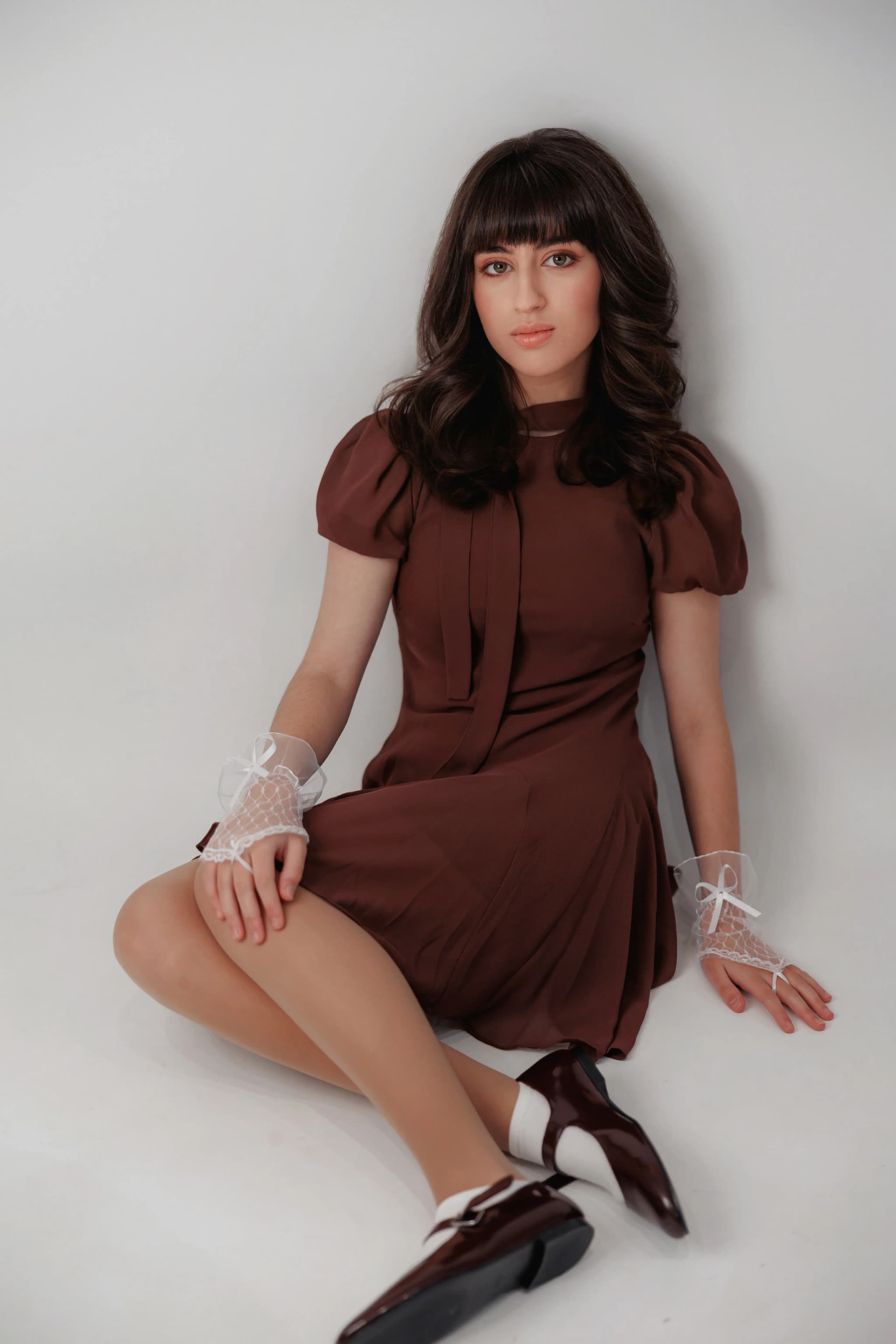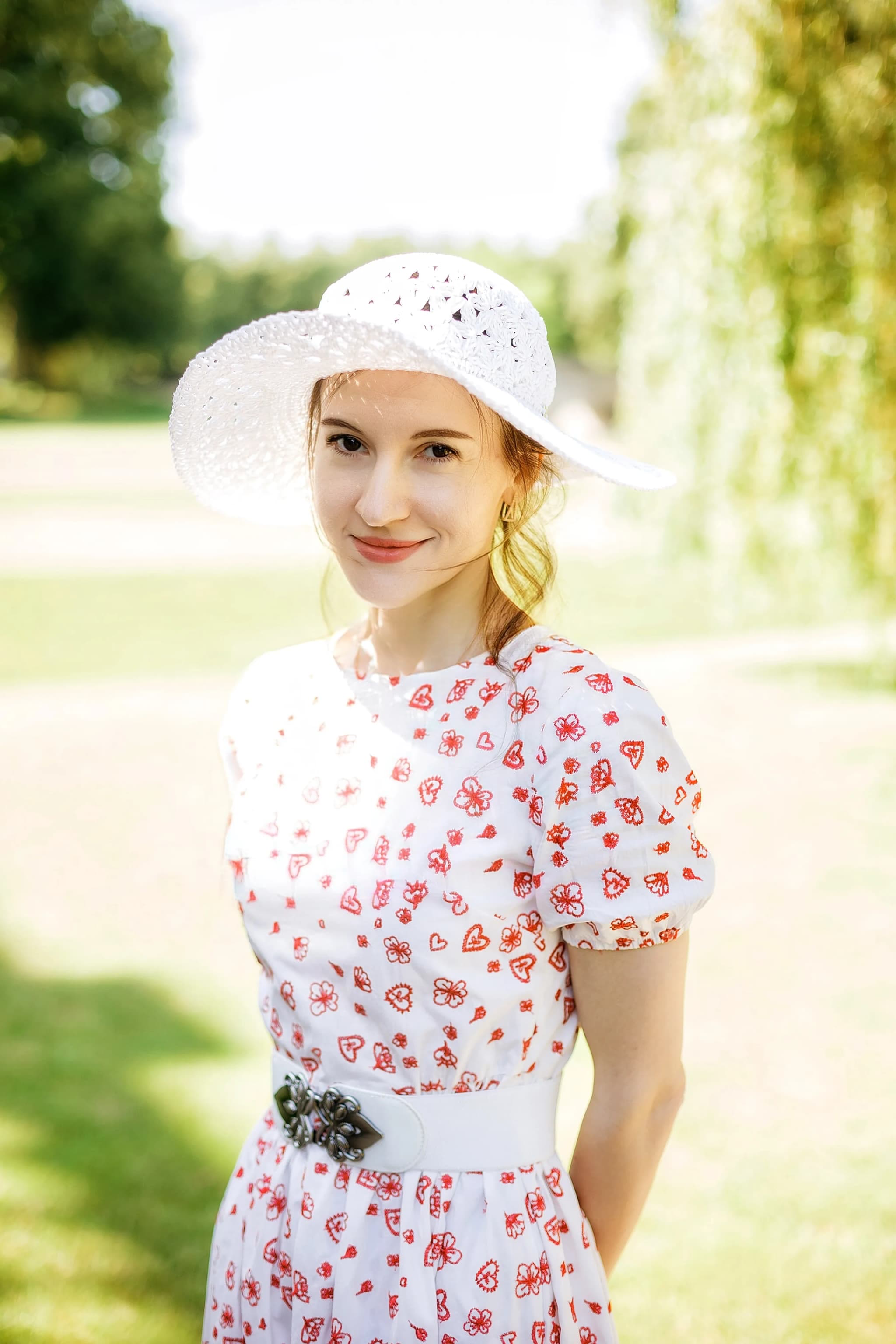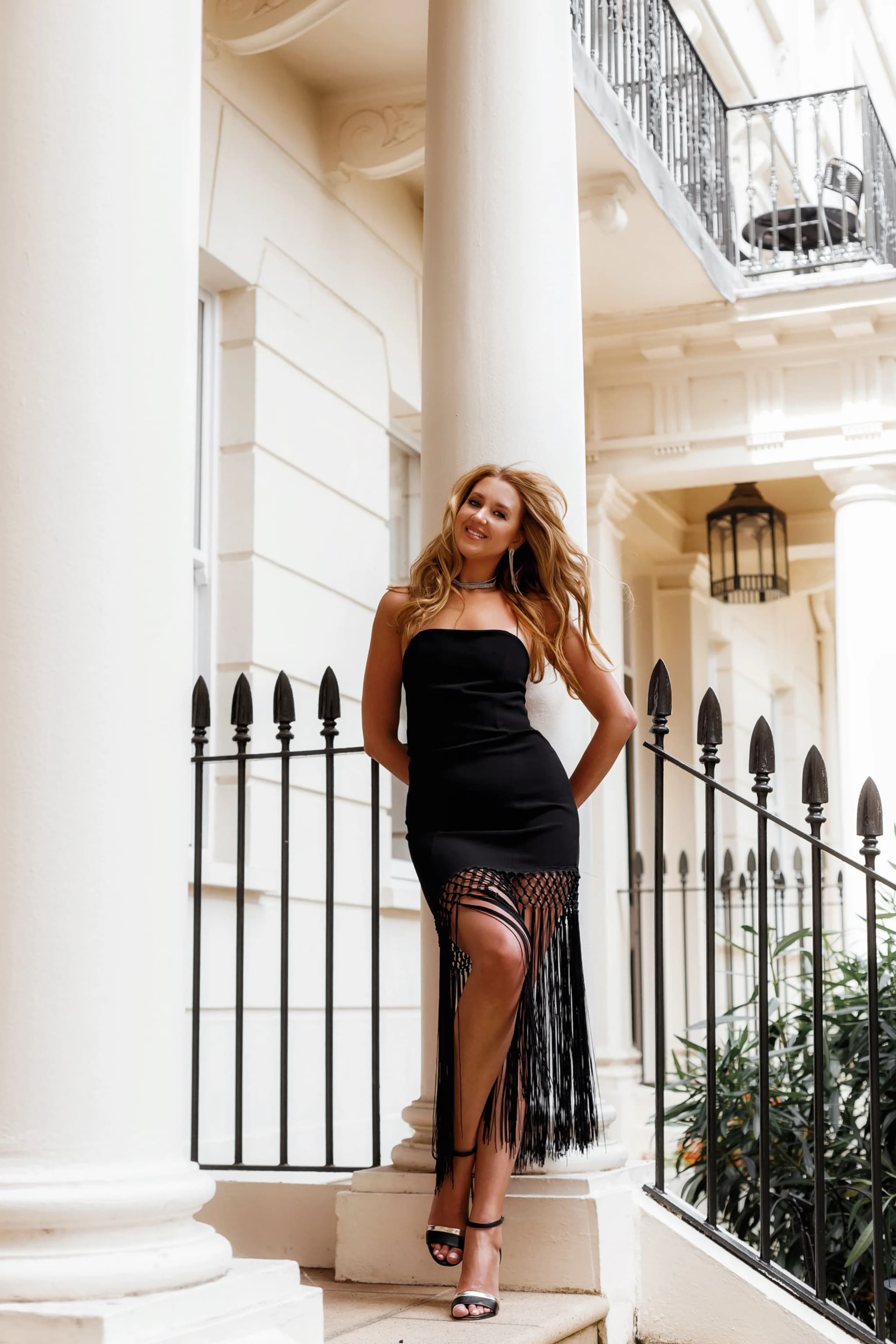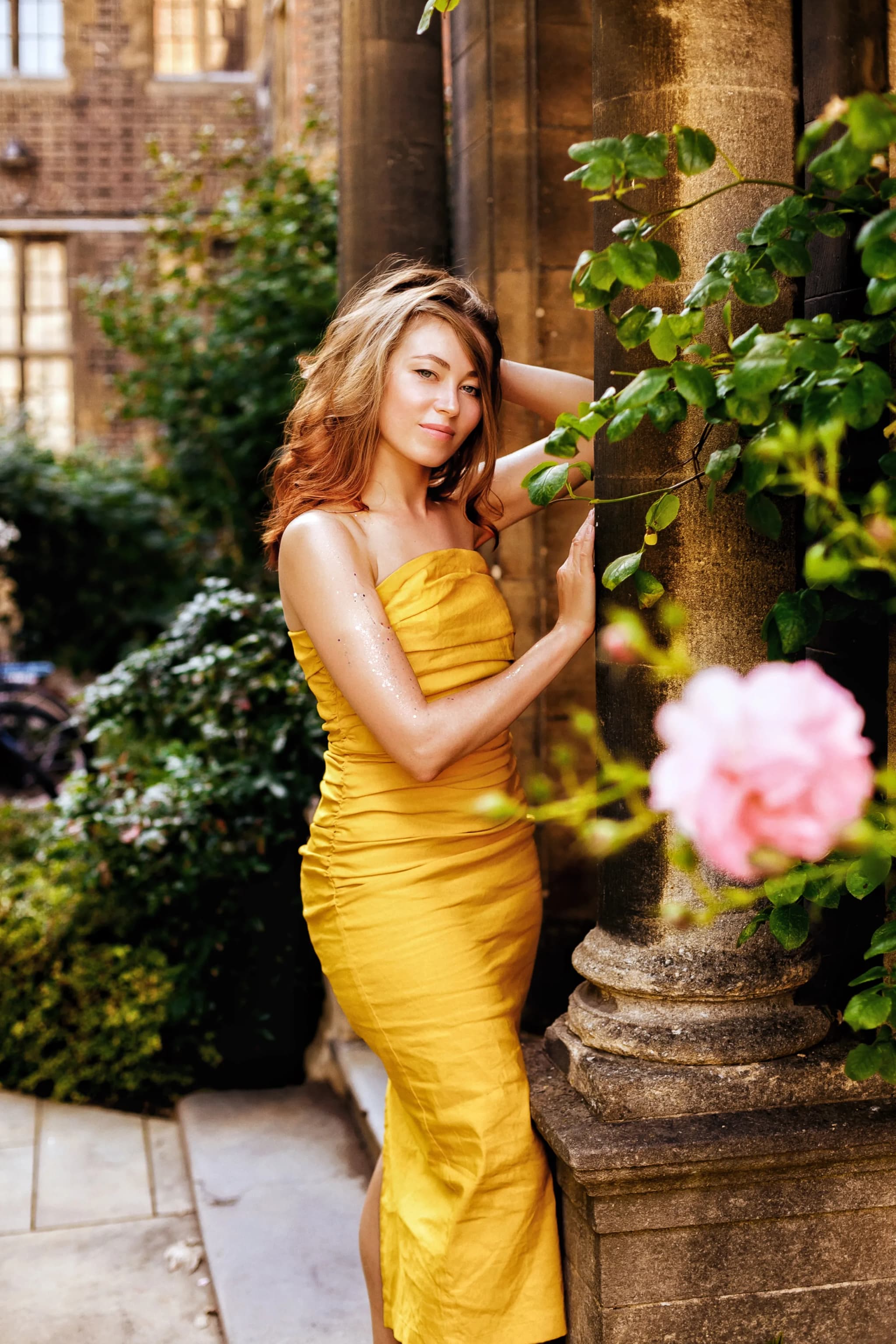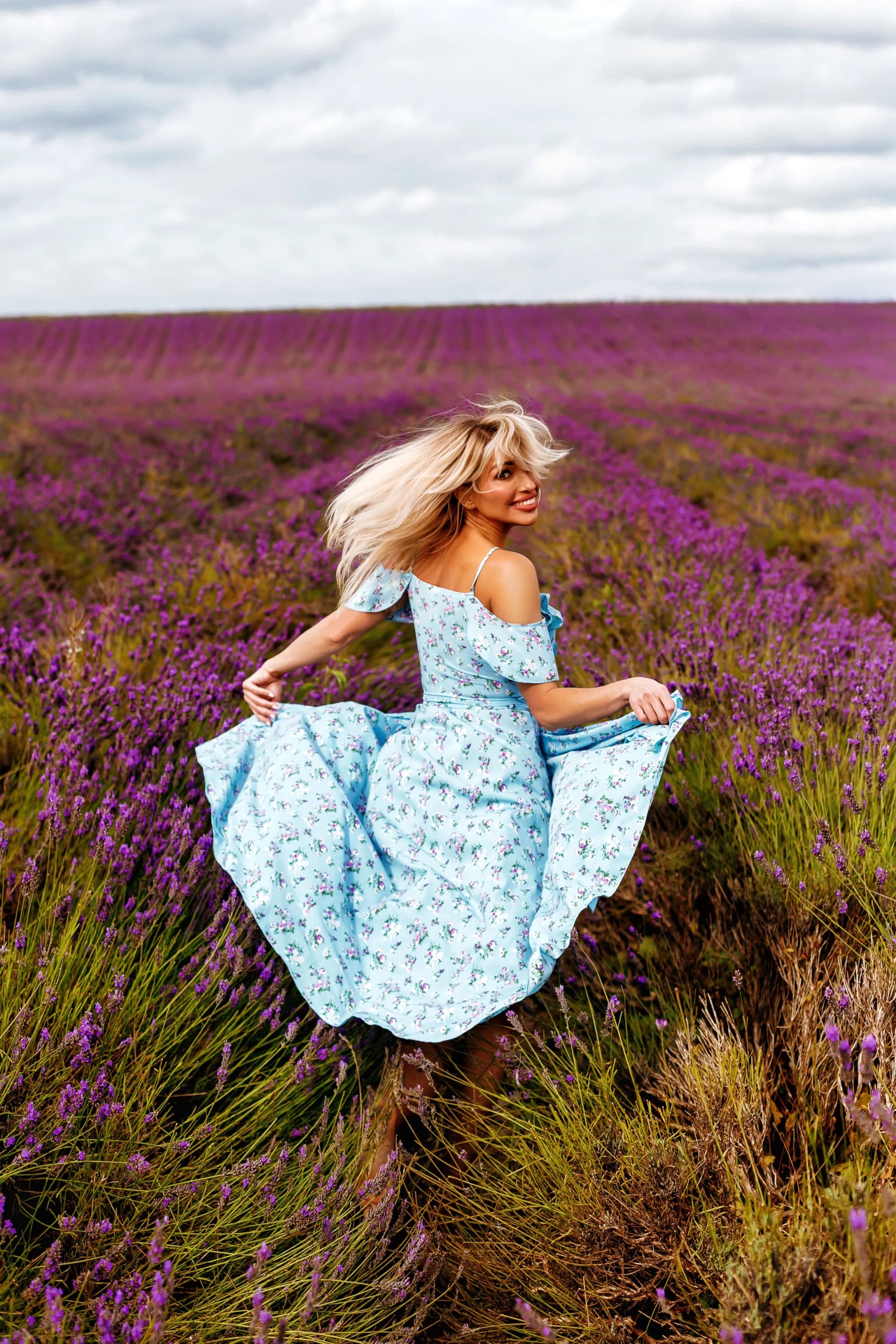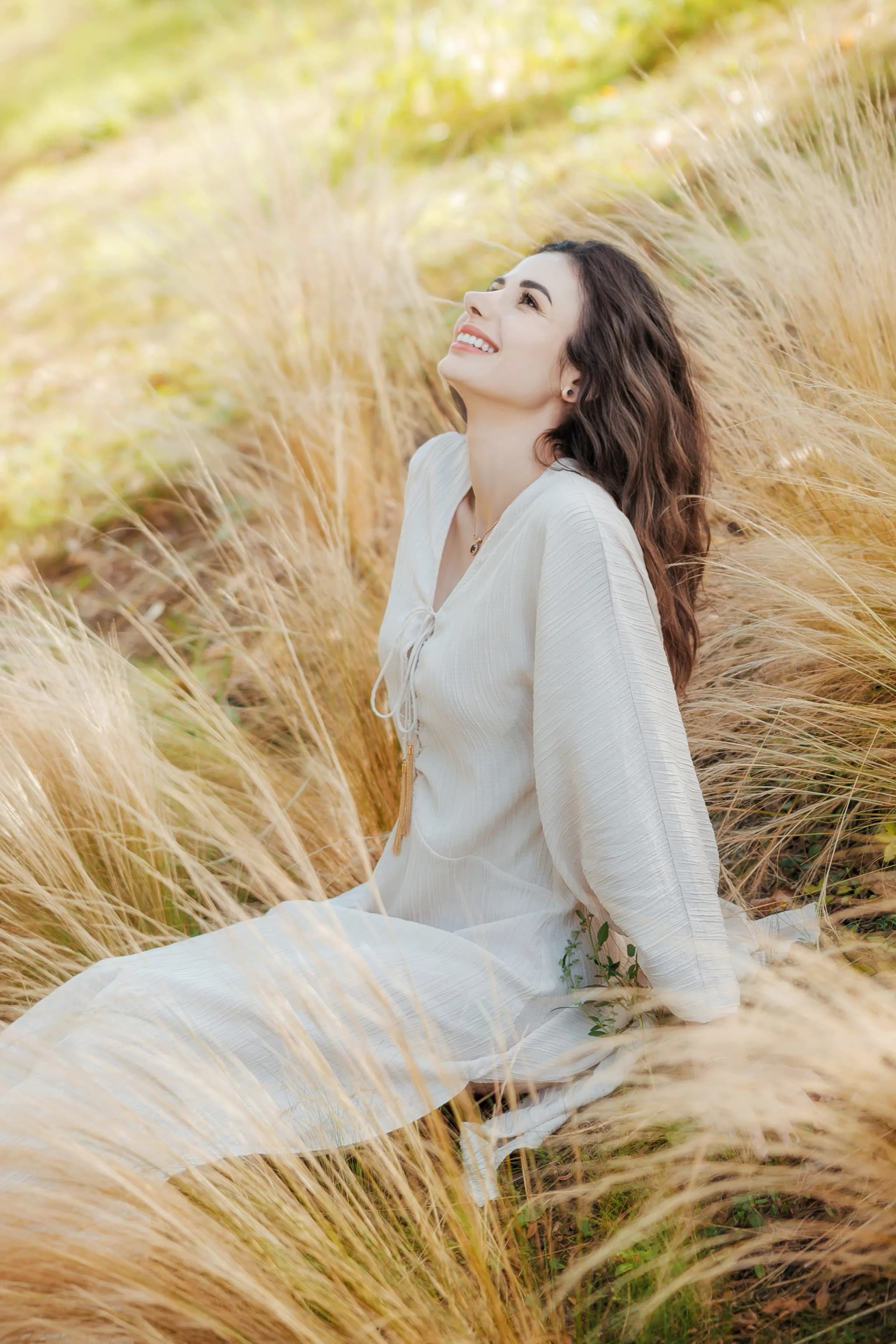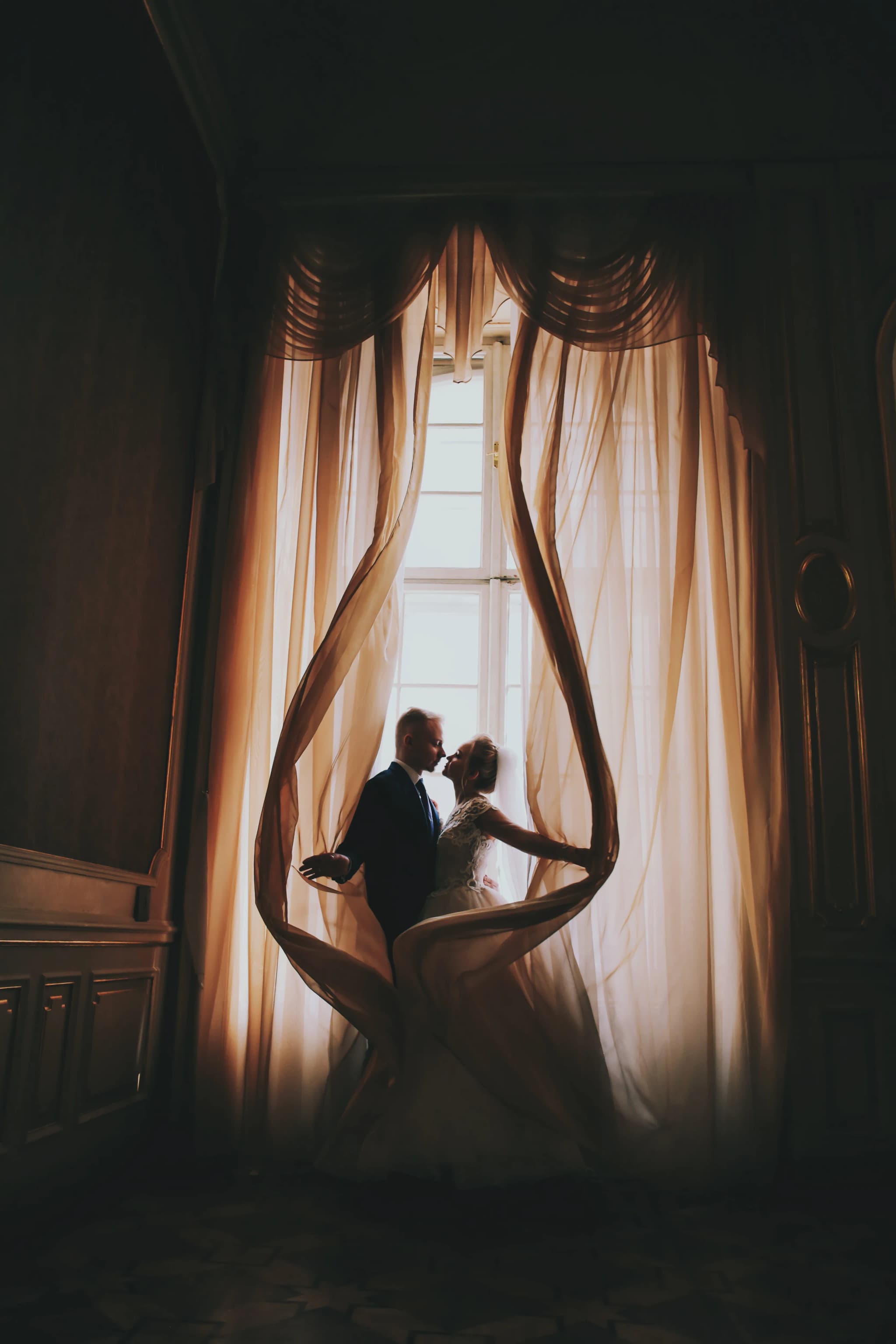
Artist, maker, and craft business portraits occupy a specific and commercially important niche in personal brand photography — the visual statement of someone whose identity, livelihood, and creative voice are deeply intertwined. What an artist wears in their portrait communicates not just personal style, but the aesthetic of the work, the nature of the practice, and the kind of relationship they invite with their audience. This guide covers the particular logic of artist portrait clothing, studio and workspace shots, coordinating with the work itself, and what most often misrepresents creative practitioners in their own photographs.
The Artist Portrait as Brand Communication
Unlike a corporate headshot or a family photograph, an artist portrait is a brand artefact. It appears on the website, in exhibition collateral, in grant and residency applications, and across social platforms where it represents the practice visually. Many people will encounter the artist through this photograph before they encounter the work. What you wear must be consistent with the aesthetic world of the work itself — not identical, but tonally and visually continuous.
An illustrator whose style is delicate and botanical should present very differently from a ceramicist whose work is architectural and minimal, even though both are "artists wearing something for a portrait session." The question is always: does this clothing feel like it belongs in the same visual language as the work?
Wardrobe as Aesthetic Statement
For creative practitioners, clothing is rarely neutral — and it should not be for the portrait session either. Some approaches by practice type:
- ◆ Painters and visual artists: A clean, artist's smock or a beautifully worn work apron signals the practice authentically. If you have a favourite working garment that carries the mark of years of use, consider whether it reads as "authentically creative" — it often does, powerfully. Avoid smocks that look too costume-like.
- ◆ Ceramicists and potters: Earth tones speak the language of the material. Linen, natural cotton, canvas, and worn cotton in warm neutrals — stone, cream, warm brown, terracotta — create visual continuity with the clay and glaze aesthetic of most ceramic practices. Clean but imperfect is often exactly right.
- ◆ Textile artists, weavers, knitters: The work itself provides extraordinary visual opportunity — wearing a piece from your own collection, or using finished work as a prop or background element, creates the strongest possible connection between maker and made. Choose pieces that photograph well at the scale of a portrait (fine detail can be lost; strong texture and colour read better).
- ◆ Jewellers and metalworkers: Wearing your own work is the obvious and correct choice. Keep clothing clean and simple — a beautifully fitted plain top in a neutral — so the jewellery remains the visual subject.
- ◆ Illustrators and designers: Often the most visually fluid group — wide latitude to express aesthetic identity through clothing. Considered, individual choices that feel true to the visual world of the work tend to be most effective.
- ◆ Food makers, jam and preserve producers, bakers: Domestic and warm — linen aprons, simple coloured tops, clean kitchen clothing. The same wardrobe logic as culinary photography, but with the warmth and craft dimension emphasised.
Working in the Studio or Workshop
Many of the most powerful artist portraits are taken in the working environment — surrounded by the tools, materials, and outputs of the practice. For these shots, the clothing options expand:
- ◆ Working attire — an apron, worn clothing, clothes that carry the evidence of the practice — reads with authenticity in a studio environment where new, clean clothing can look incongruous
- ◆ Plan both a "working" look and a "portrait" look — the working shots capture the practice in action, the portrait shot presents the practitioner at their most considered
- ◆ Consider how the studio background interacts with your clothing — a ceramicist surrounded by pale shelves of work benefits from a slightly richer or darker clothing tone for contrast; an artist in a bright, white studio may benefit from a warmer, more textured layer to add depth
Using the Work as a Prop
Incorporating finished work into the portrait session — holding a piece, sitting alongside a large work, or being photographed against a backdrop of the practice — creates some of the most powerful artist portraits. Clothing chosen in relation to the work:
- ◆ Coordinates tonally with the colour palette of the work (not matched, but in the same family)
- ◆ Does not compete visually with the work for attention — the work should remain the more visually complex element
- ◆ Allows the work to speak: a ceramicist in a plain warm stone dress holding a richly glazed bowl creates a visual conversation between maker and made
Colour and the Aesthetic World of the Practice
The safest starting point is to look at the body of work itself and identify its dominant tones. An artist whose work is consistently warm, earthy and natural-material-driven should generally present themselves in a consistent tonal register. A photographer or digital artist whose work uses cold, graphic palettes and high contrast may choose to reflect that in their clothing. Some specific notes:
- ◆ Natural, undyed tones — cream, linen, stone, bark brown — are versatile across almost all craft and making practices
- ◆ Rich, saturated single tones work well when the work itself is monochrome or minimal — the artist's clothing provides the colour
- ◆ Pattern can be used deliberately — a textile artist, for example, wearing a piece with a strong pattern that connects to the weave or print sensibility of their work
The Exhibition or Launch Portrait
When portraits are commissioned specifically for an exhibition, publication, or product launch, the visual register shifts slightly toward the more formal:
- ◆ A considered, slightly more dressed-up outfit that still reflects the artistic practice — a beautiful tailored jacket in a natural material, a statement garment from the artist's own collection, a well-cut dress in a colour consistent with the work
- ◆ This is not "smart office wear" — artists are not required to look corporate for formal occasions. The formality should still feel entirely within the creative identity.
What to Avoid
- ✕ Clothing that feels more corporate or formal than the practice warrants — a suit for a ceramicist distances the portrait from the work
- ✕ Very casual clothing that undersells the professionalism of the practice — a plain, unflattering T-shirt for a portrait representing years of craft development
- ✕ Clothing that clashes tonally with the body of work — cool grey clothing against warm amber ceramics; bright neons against delicate botanical illustration
- ✕ Accessories so statement-heavy that they compete with work being displayed alongside the portrait
- ✕ Ignoring the working environment — if the studio is part of the session, gear that looks out of place in that environment will photograph as such
The Portrait You Return To
The best artist portraits communicate the practice without saying a word about it. The viewer understands, from clothing, presence, and context, who this person is and what they make. That coherence between person and practice, maker and made, is what produces portraits that serve the creative business across years rather than months — and it begins with the decision of what to wear.