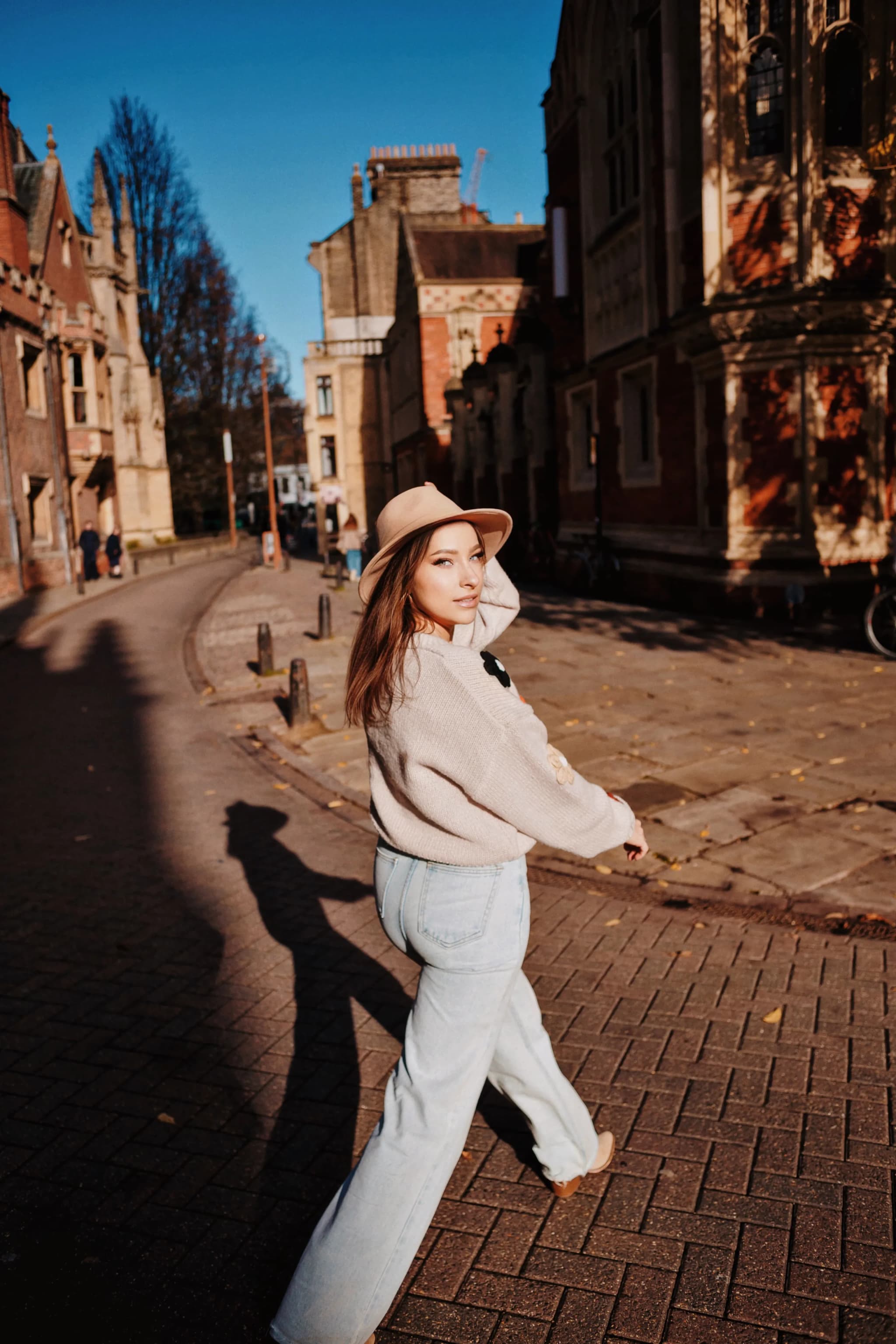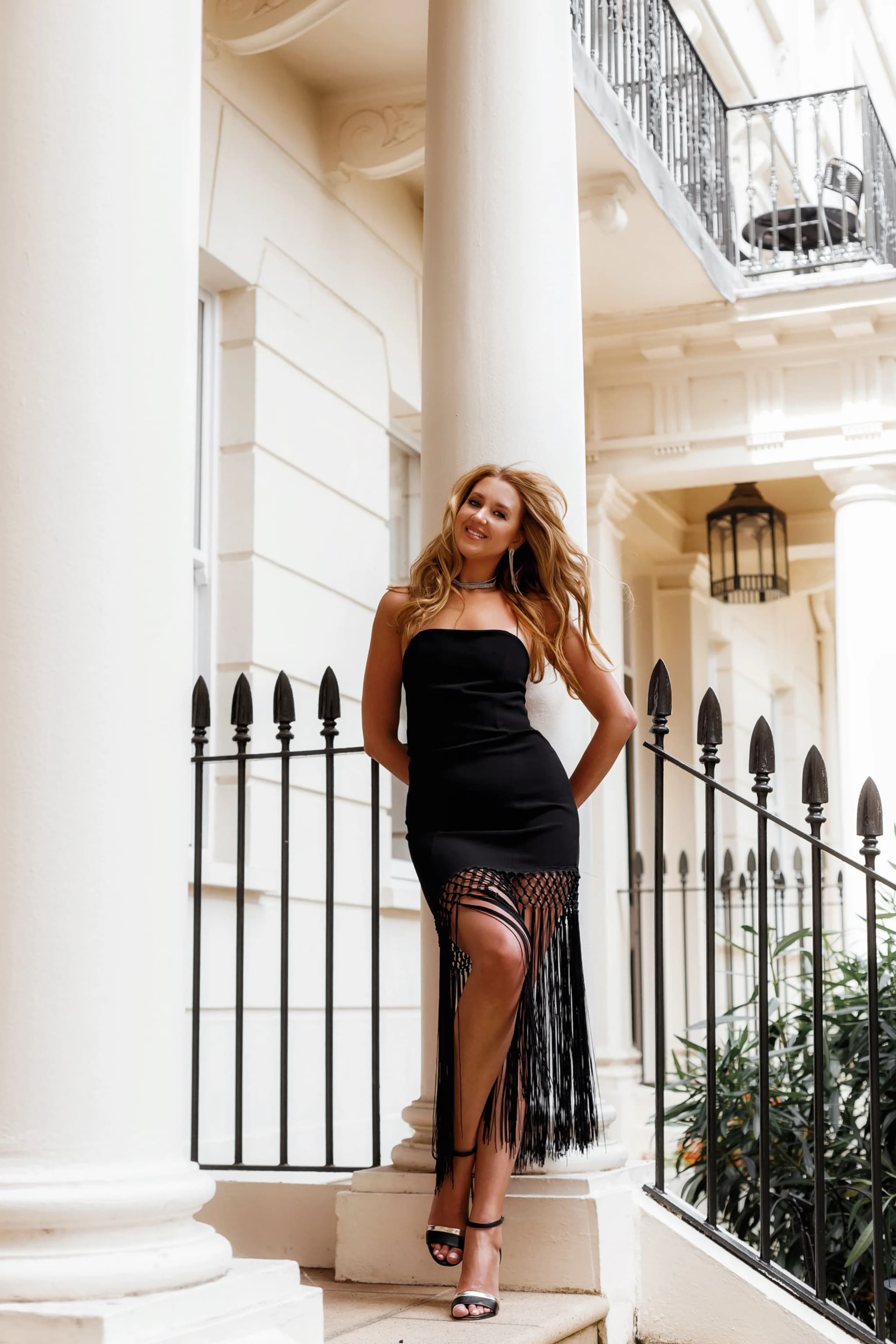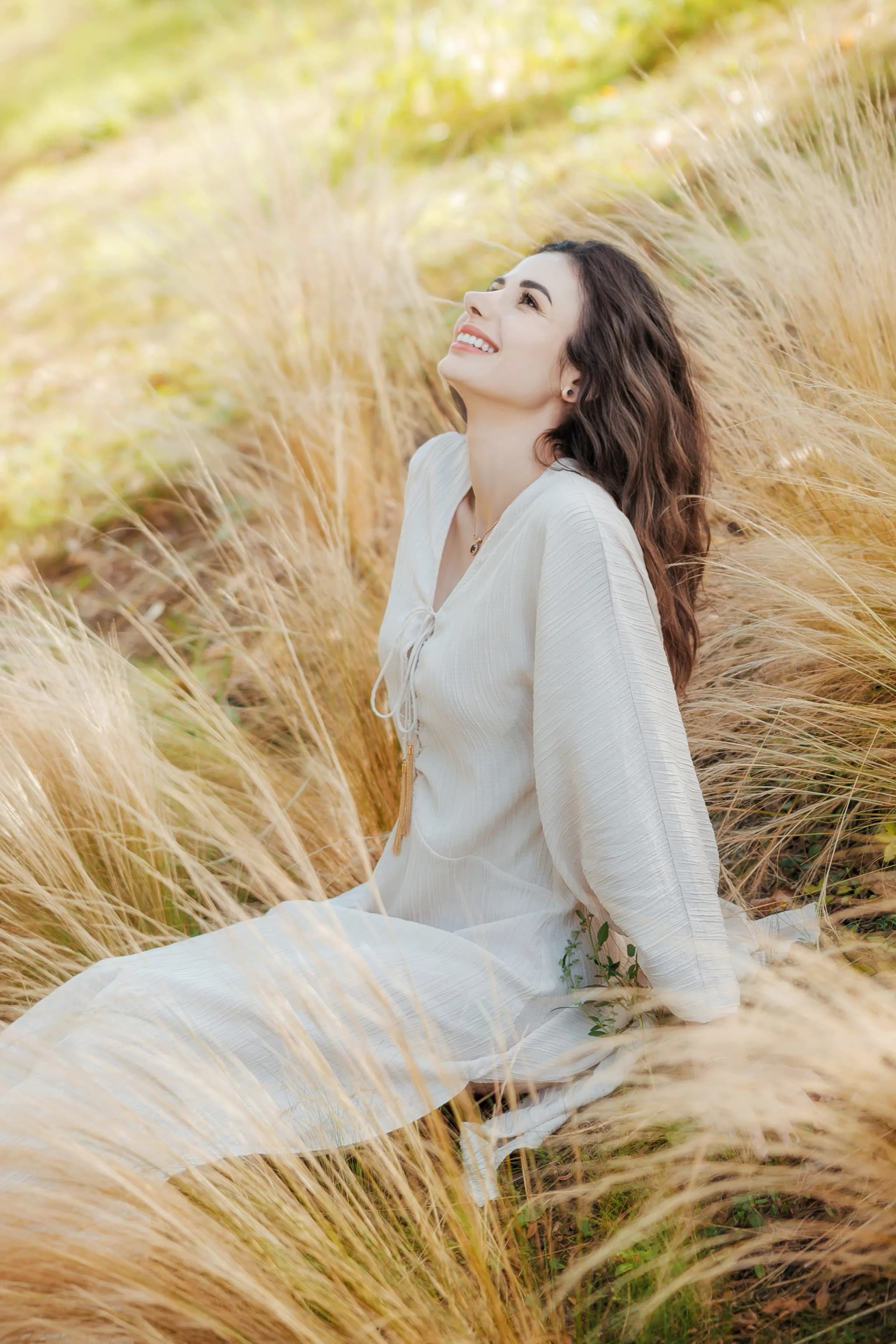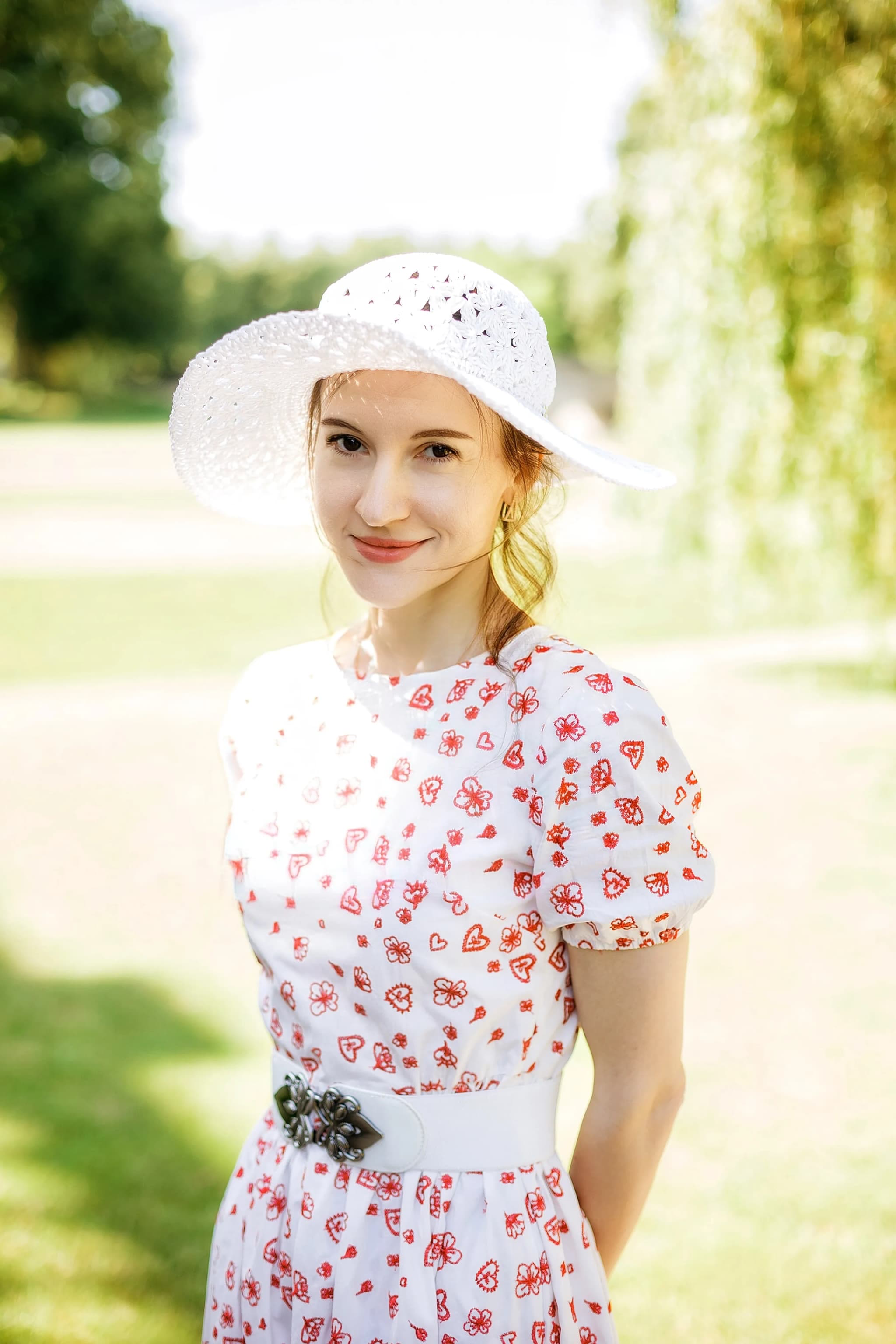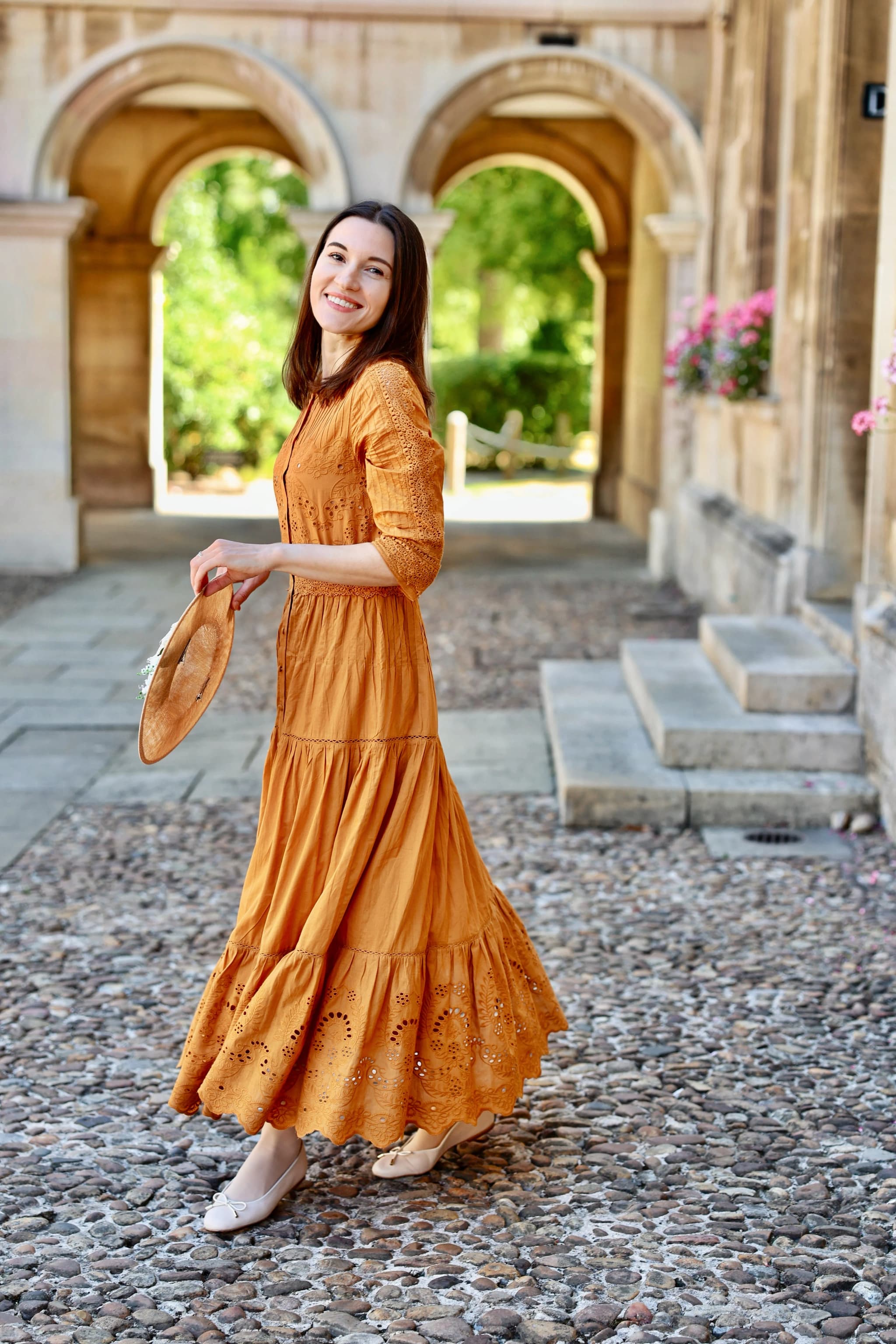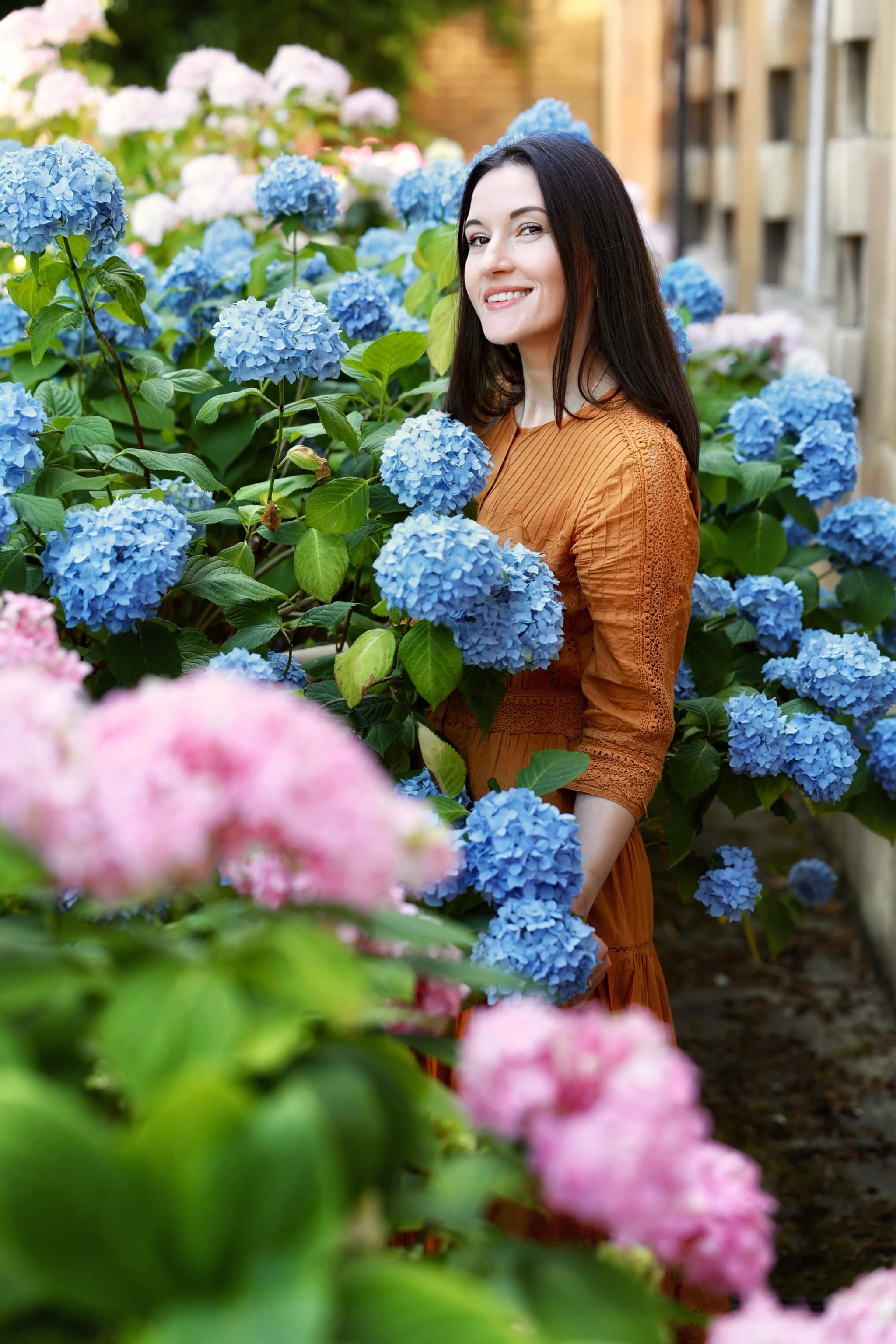
Author and writer portraits sit in a distinctive place in professional photography: they are the images that will appear on book covers, inside jacket flaps, on publishers' websites, in literary festival programmes, in newspaper and magazine features, and on personal author websites that may accumulate a decade of visibility. The clothing choices you make for these sessions carry more professional longevity than almost any other headshot or portrait context — and yet the instinct many writers bring to these sessions is to wear whatever feels comfortable, without thinking strategically about what the image is communicating. This guide changes that.
Your author portrait is a professional statement
Before opening your wardrobe, think about the version of you that your target readership will connect with most naturally. A literary fiction author has a different visual register from a thriller writer, a business book author, a children's book illustrator, or a memoirist. The qualities you want a reader to perceive from your portrait — intellectual seriousness, warmth and accessibility, creative energy, authoritative expertise, personal authenticity — should inform the clothing choices from the outset.
This is not about performing a character; it is about making a deliberate visual choice that supports the impression your work is already creating. A portrait that feels coherent with your writing — in tone, in sophistication, in personality — creates a confident, integrated author brand. A portrait that reads as disconnected from the work creates a slight cognitive dissonance that readers notice even when they cannot quite articulate it.
Colour and Wardrobe Register for Authors
Literary and creative professional portraits tend to work well with colour choices that have depth and character — neither the flat corporate neutrals of a LinkedIn headshot nor the novelty of fashion photography. Deep jewel tones (emerald, sapphire, plum, burgundy) photograph with richness and seriousness. Warm neutrals (warm cream, caramel, oatmeal) suggest approachability and accessibility. All-black — the writer's unofficial uniform — is classic and effective but benefits from a strong personal accessory (a statement necklace, an interesting jacket, visually compelling glasses frames) that prevents it from reading as invisible rather than intentional.
Avoid overly corporate selections (generic navy suit with white shirt) that read as interchangeable with any professional headshot context. Author portraits should feel like the person and the work — with enough visual character to be memorable without being eccentric for its own sake.
Accessories as Personal Signature
Authors often have a distinctive personal style — particular glasses frames, a signature piece of jewellery, a recognisable scarf or jacket associated with their public appearances. These personal signatures are worth including in portrait sessions, because they create a visual consistency across appearances and create a recognisable personal brand that reinforces itself over time. If you are always photographed wearing a particular piece, readers begin to associate that piece with your presence — and that is a genuinely useful professional asset.
For authors who wear glasses, wear them in your portrait unless there is a specific reason not to. Glasses (particularly visually interesting frames) add intellectual character to portraits and are often how readers and audiences will recognise you in person. Clean lenses photographically and position slightly off direct overhead light to minimise reflections.
Setting and Background for Author Portraits
Many author portraits are taken in environments that contextualise the work: a home library, a study, an aged leather chair, a particular landscape that connects with the writing. These contextual settings benefit from clothing choices that sit within the environment rather than competing with it. A richly textured wool blazer in a warm room with bookshelves; a simple, minimal outfit against a clean studio background that keeps the face as the only visual information — both are valid, but both require intentional clothing choices.
Discuss the setting with your photographer in advance. Even if the setting is not definitively known, sharing the likely backdrop (warm and library-like, clean and minimal, outdoor countryside) allows clothing choices to be made in context.
Practical Preparation
Most author portrait sessions run for one to two hours and include multiple looks or settings. Bring at least two complete outfit options — ideally with different necklines and registers — so the session produces variety useful across the multiple contexts where author images are used. A jacket that can be added or removed, a scarf, or a change of top can create three effectively different images from a single session.
Author Portrait Photography in Cambridge and England
Yana Skakun Photography provides author and writer portrait sessions across Cambridge, East England, and the wider UK. Cambridge has a particular literary heritage — from the Cam-side colleges to the city's independent bookshops and long publishing associations — and that heritage provides a range of naturally resonant settings for author portraiture. Sessions are personally planned around your work, your visual aesthetic, and the specific professional contexts where the images will be used.