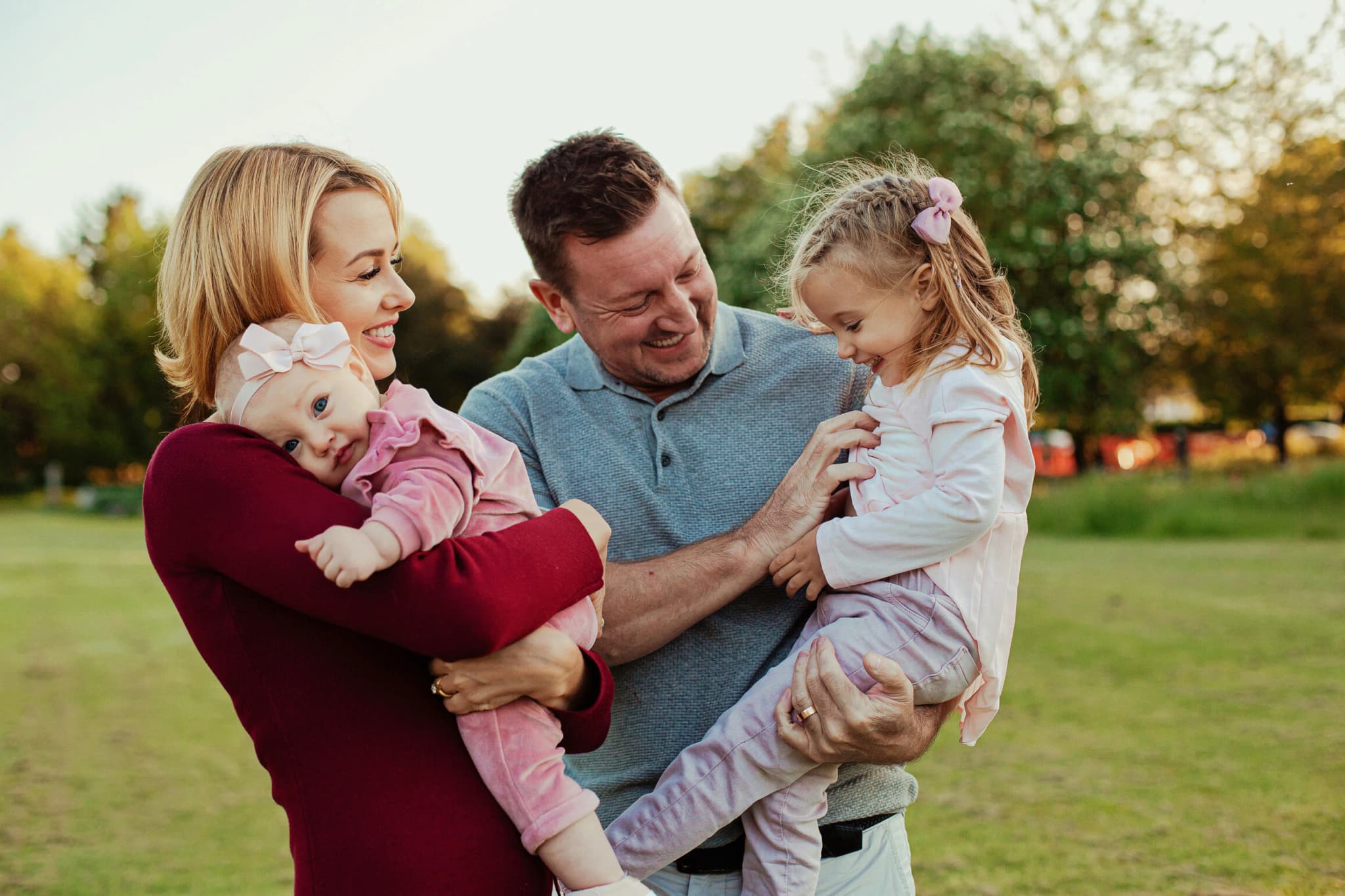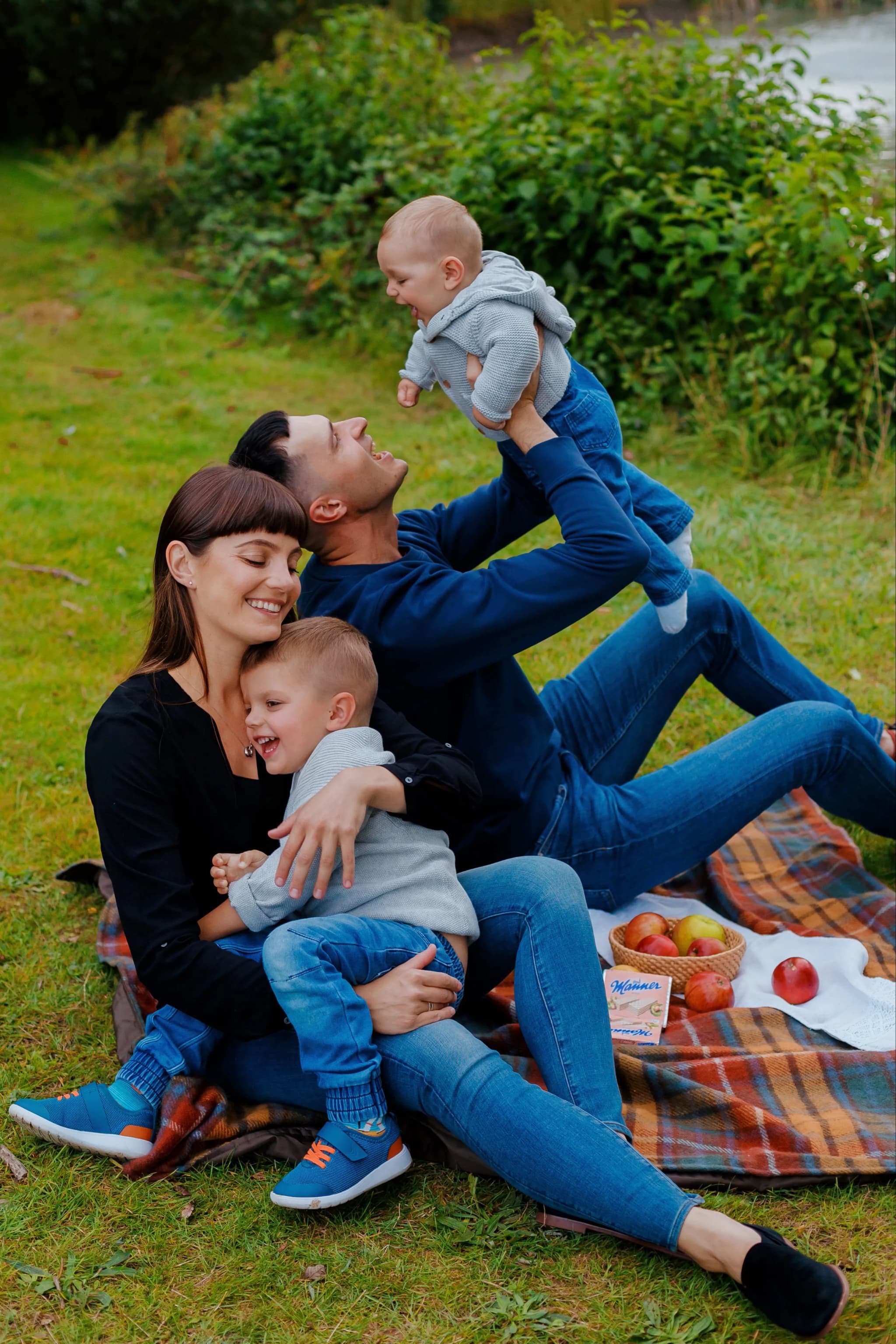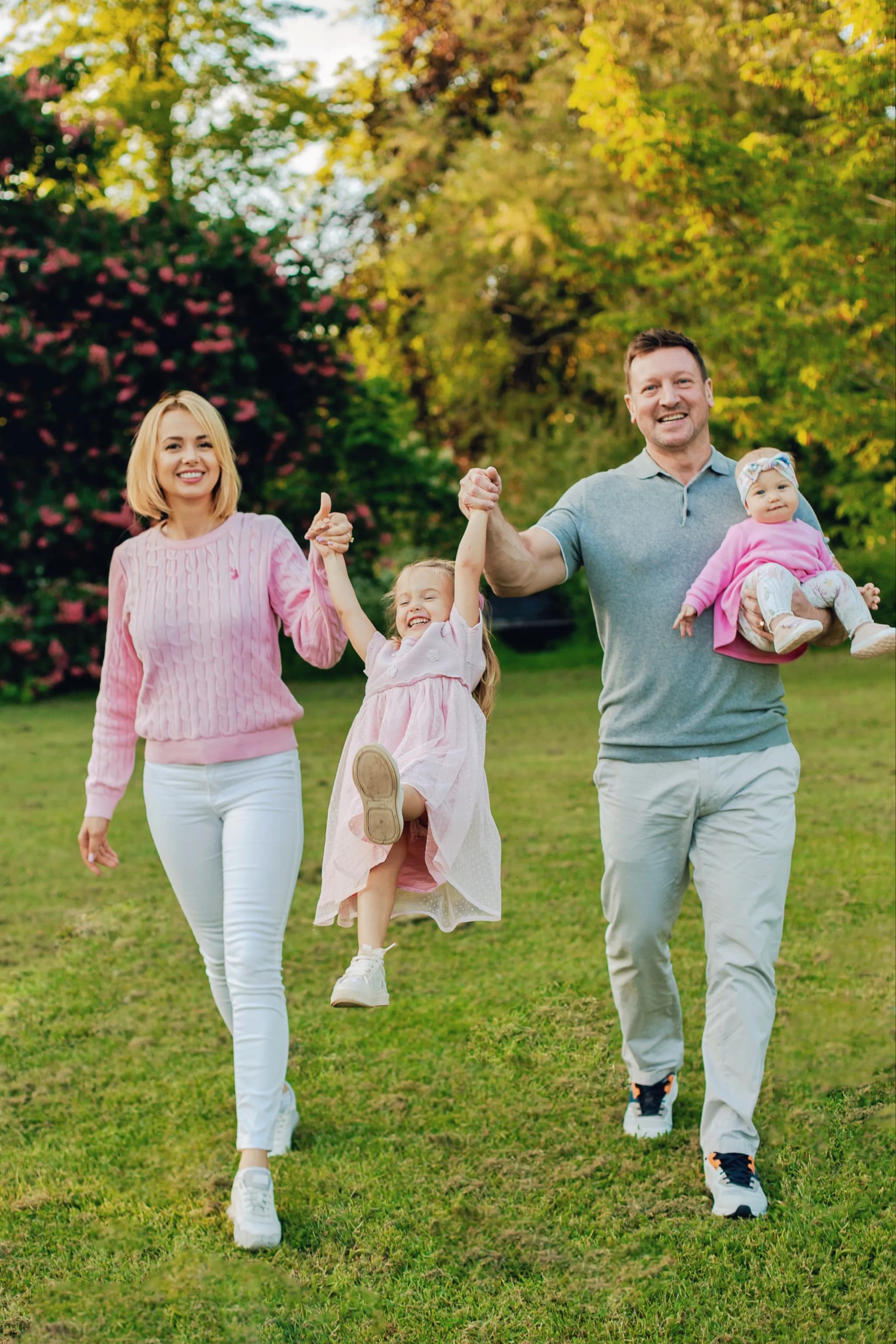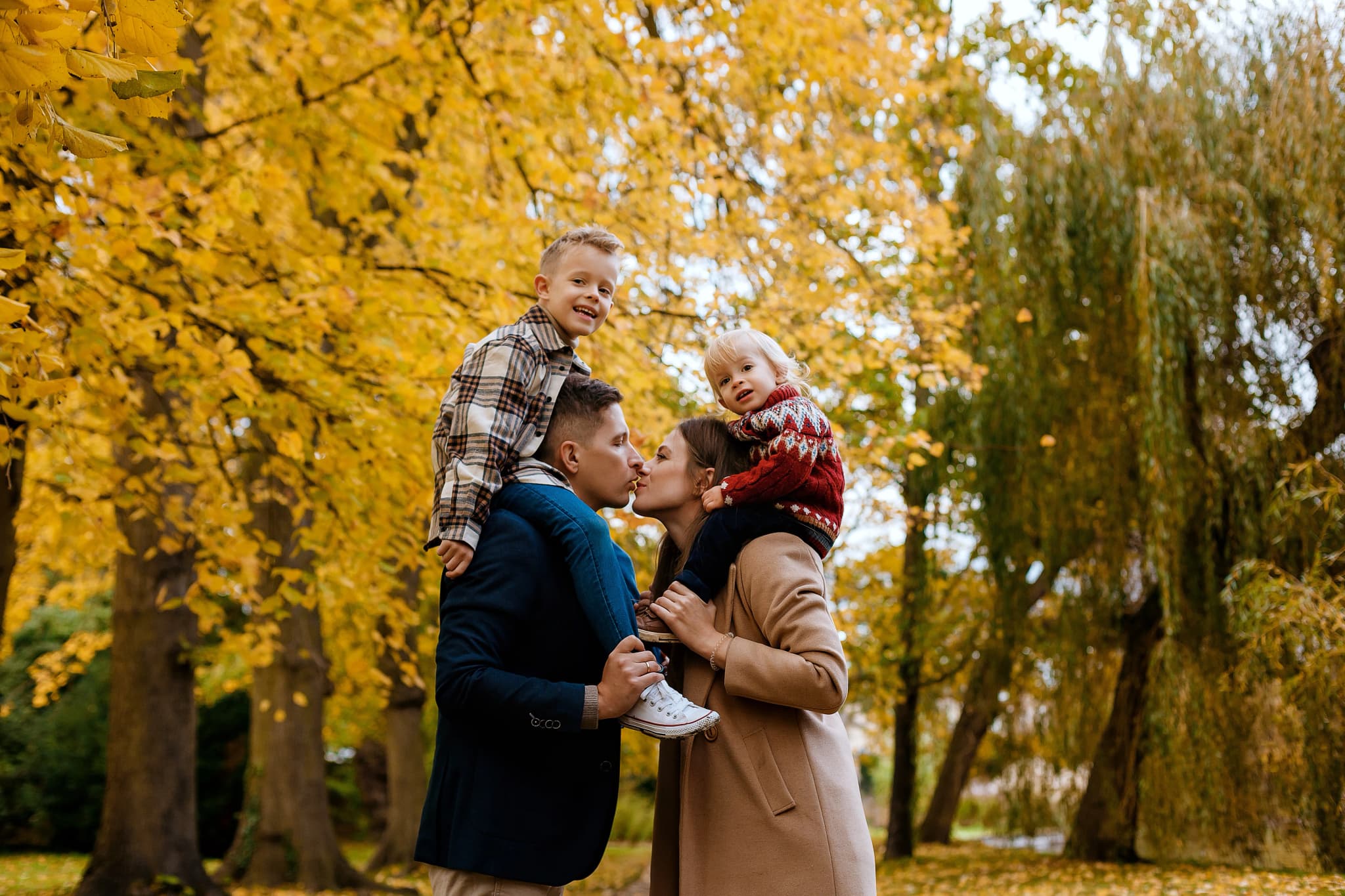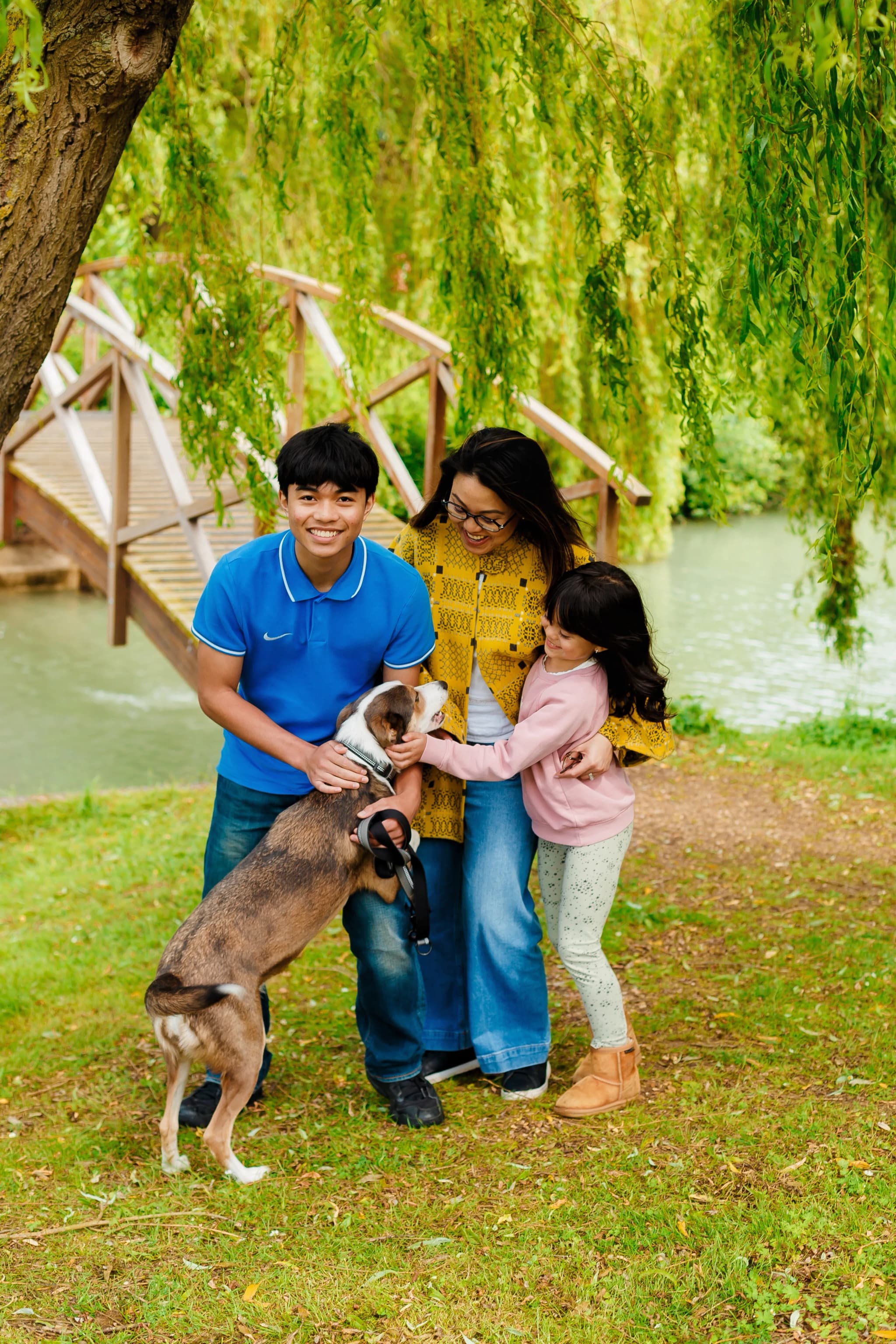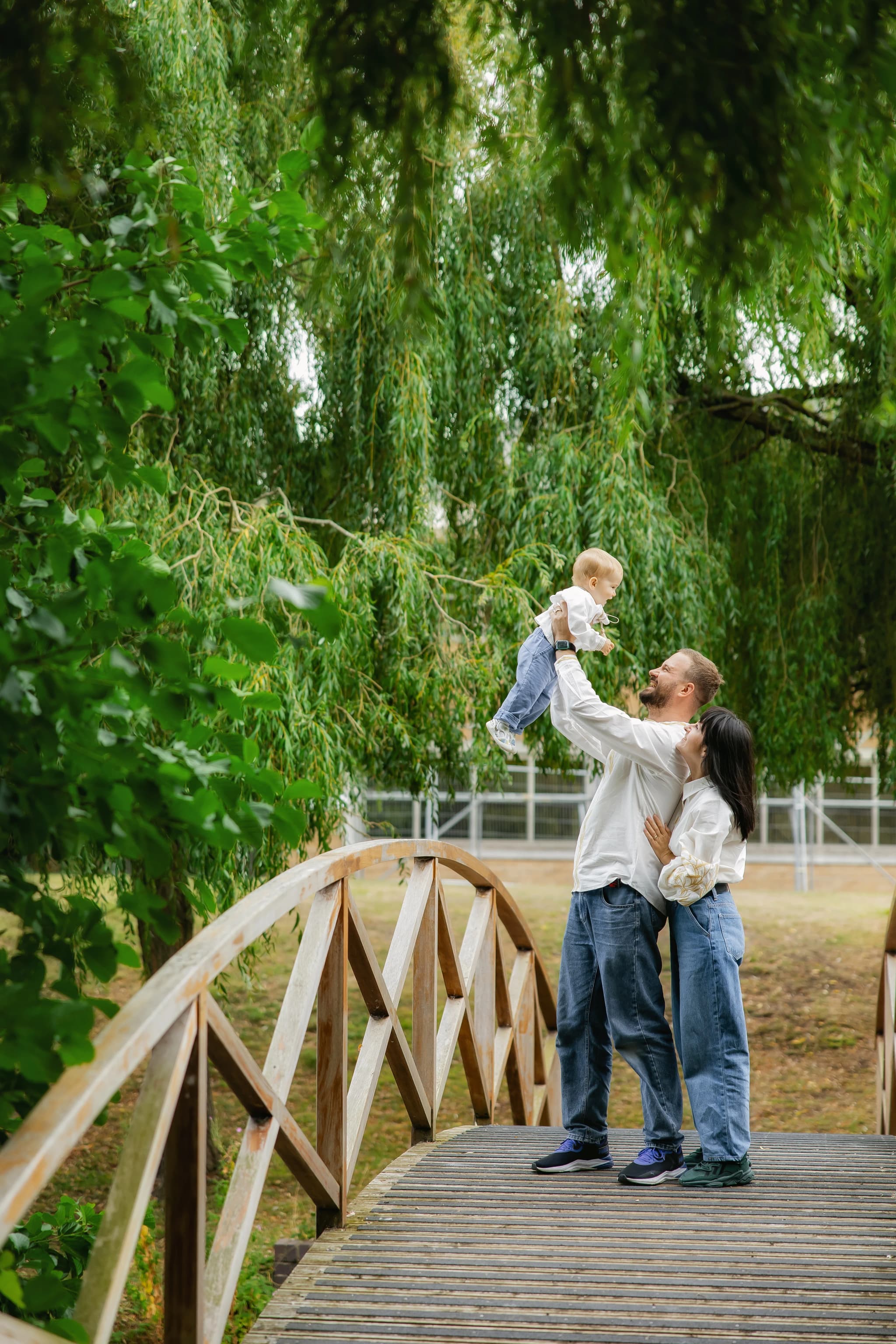
Blended family portraits have a particular kind of beauty: they capture a family that has been built deliberately, by choice, and often by more people than a traditional nuclear family grouping involves. The logistics of coordinating outfits across step-parents, biological parents, half-siblings, step-siblings, and extended family members can feel daunting — but this guide breaks it down into decisions that are genuinely manageable and produces images that reflect the warmth and depth of the family you actually are.
Who Is in the Session, and What Story Are You Telling?
Before thinking about a single outfit, settle on who is being photographed and what the purpose of the portraits is. A blended family session might include two parents and a mix of biological and step-children. It might include a wider group — grandparents, aunts and uncles, half-siblings who live in a different household. It might be designed to capture the newly combined family at an early point of blending, or to document a family whose mix of people has settled into something long-established and deeply warm.
The visual story you are telling shapes the session structure and the clothing coordination. A newly formed family portrait might emphasise connection and warmth through close physical groupings and gentle colour coordination. A long-established blended family might allow more individual character to show through each person's clothing choices, reflecting the confidence and security of a family that is completely at ease together.
Colour Coordination Across Diverse Family Groups
The challenge of colour coordination in blended family portraits is often that children belong to households with different wardrobes, different preferences, and sometimes different parent sign-offs required on what they wear. Approaching this with flexibility rather than rigid matching produces both better images and a better session day experience.
Pick two or three colours that work well together and assign them loosely across the group. Natural, earthy tones — cream, sage, warm taupe, soft terracotta, dusty blue — coordinate beautifully without requiring anyone to wear something they feel uncomfortable in. Within these tones, let each person's outfit reflect their personal style. A teenage step-daughter who feels authentically herself in her outfit will photograph far better than one who is wearing someone else's idea of family portrait clothing.
Navigating Different Households and Clothing Access
In blended families where children spend time between two homes, clothing access can be genuinely limited. Some children may not have access to certain garments on the weekend of the portrait session, or may arrive from the other household with different outfit options than originally planned. Building a degree of flexibility into the coordination plan — thinking in colour ranges rather than specific garments — makes this much less stressful.
Communicate the colour palette and general register (smart casual, relaxed outdoor, formal) to all households involved well in advance. A simple message — "we are going for warm earthy tones, nothing overly branded or patterned, and casual rather than formal" — gives the other household enough to work with even if the specific outfit choice is made there. Avoid last-minute detailed outfit instructions that require specific items the other household may not have.
Children of Mixed Ages and Mixed Comfort Levels
Blended families often include children across a significant age range — perhaps a teenage step-child alongside a toddler who arrived with the new relationship, or adult and near- adult children alongside younger siblings. Each age group has different needs during a portrait session, and clothing choices should reflect those needs honestly.
Toddlers and young children need comfort above everything else: familiar fabrics, no scratchy seams, and clothing they are not preoccupied by. Older children and teenagers need to feel personally represented in their outfit — being forced into clothing that does not feel like them will register in their body language throughout the session. Involving older children in their own outfit choice within the agreed palette produces far better results than a top-down clothing decision.
The Step-Parent Wardrobe Question
Step-parents occupy a unique position in a blended family portrait: visually, they should feel fully part of the family group, while the specific relational complexity of their position is photographically invisible (as it should be — a portrait is not a diagram). Step-parents should coordinate their clothing to the overall palette and register in exactly the same way as the biological parent. There is no visual reason to differentiate between the two — the portrait should feel like the whole family, because it is.
Session Logistics for Blended Families
Ask your photographer to understand the family structure in advance and plan the session order thoughtfully. Starting with full group shots while energy and patience are highest and then progressively splitting into smaller groupings (each household subset, sibling groups, individual children with the adults who matter most to them) tends to produce the richest set of images overall. This approach also ensures that even if a young child fades before the end of the session, the key full-family images have already been taken.
Family Portrait Photography in Cambridge and England
Yana Skakun Photography offers relaxed, carefully planned family portrait sessions for blended families of all configurations across Cambridge, Cambridgeshire, and the wider East of England. Sessions take place outdoors in parkland, woodland, and countryside, or at home where the full texture of daily family life can be captured. Every session is planned with the specific shape of your family in mind.