Yana Skakun
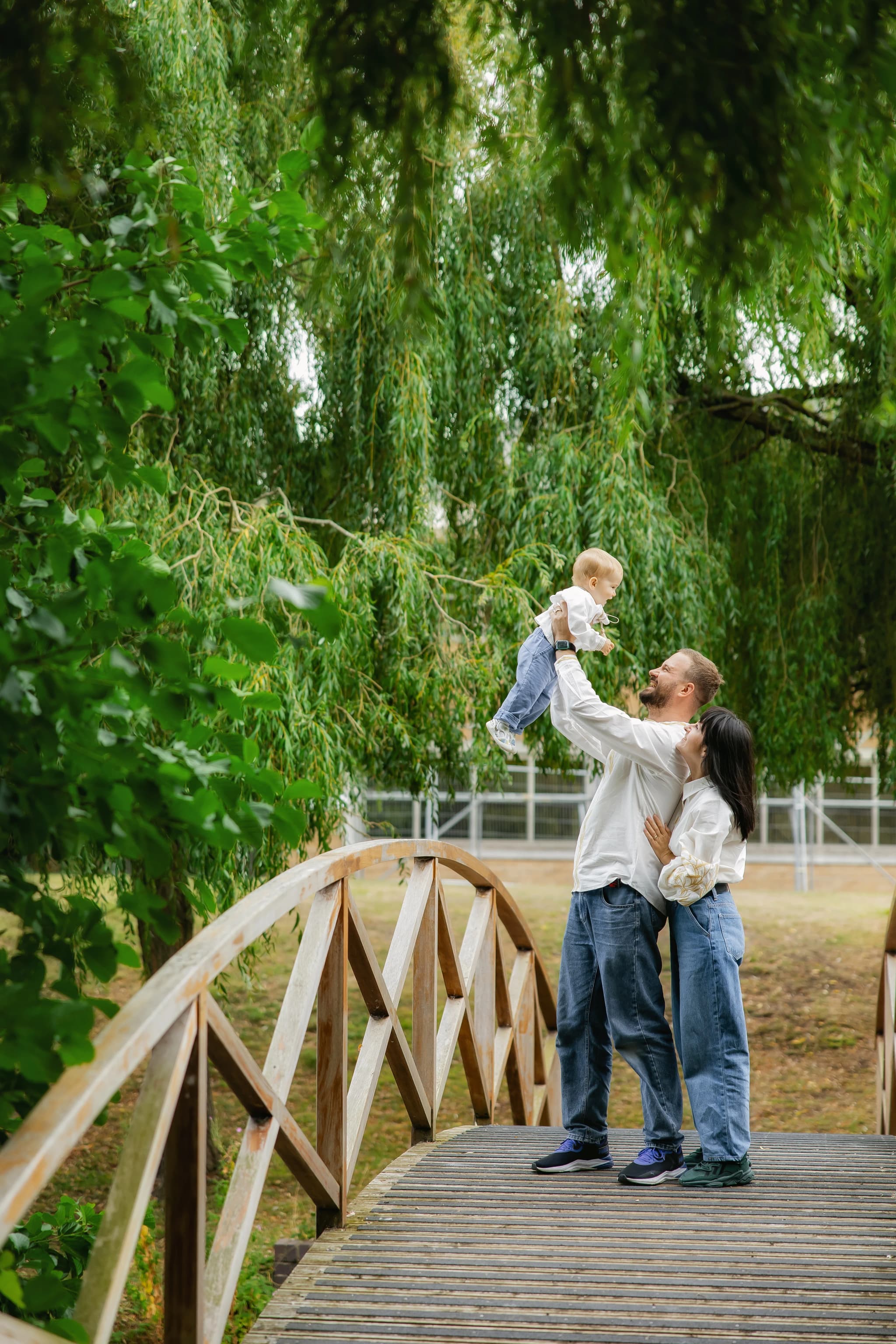
What to Wear for a Bluebell Woodland Family Session
By Yana Skakun·4 August 2027·9 min read
Bluebell woodland family portrait sessions are among the most coveted and fleeting opportunities in British outdoor photography — the extraordinary blue-violet carpet of native bluebells beneath an emerging spring canopy is available for only three to four weeks each year, and in that window it creates one of the most beautiful natural settings for family portraits anywhere in the world. What your family wears for a bluebell session is one of the most important clothing decisions you will make for any outdoor family portrait — the wrong colours can fight the extraordinary palette of the woodland, while the right choices allow your family to exist in genuinely magical harmony with it.
This guide covers the specific colour palettes that work most beautifully with bluebells, coordination strategy for bluebell woodland sessions, the subtle timing considerations that affect clothing choice, and what to avoid in this very specific and beautiful setting.
📋 In this guide:
The Bluebell Woodland Palette
A bluebell woodland in peak bloom is a specific and extraordinary colour environment. The violet-blue of native Hyacinthoides non-scripta is not a pure blue — it carries a warm violet quality that shifts in character depending on the light, the density of the carpet, and the stage of bloom. The surrounding woodland palette — the pale acid-yellow-green of newly emerged beech leaves filtering the spring canopy light, the warm brown of woodland floor leaf litter, the silver-grey of ancient beech trunks, the occasional white of wood anemone — creates a very specific colour context. Clothing choices that are calibrated to this exact palette photograph in a way that is genuinely different from any other outdoor setting.
- ◆The violet-blue carpet — the dominant colour force in the setting: The bluebell carpet is the visual dominant in the setting, and clothing choices need to respond to it rather than compete with it or disappear into it. Colours that are too similar to the bluebell blue will merge with the carpet; colours that are too contrasting will fight the setting rather than harmonise with it. The ideal palette sits in a considered relationship with the violet-blue carpet.
- ◆Spring canopy light — dappled, soft, and distinctively green-gold: The spring woodland canopy light filtering through newly emerged leaves creates a distinctive quality — soft, green-toned, dappled with movement — that is utterly unlike summer woodland light. This light quality is part of what makes bluebell woodland photography so beautiful, and clothing choices in warm, soft, and natural tones photograph particularly well within it.
- ◆The fleeting season — peak bloom is three to four weeks: Native bluebell peak bloom in Britain runs approximately from mid-April to mid-May depending on location and the season's weather. Your session will fall somewhere within this window, and the specific stage of bloom — early carpet, full peak, going-over — will affect the density and colour saturation of the bluebell backdrop and therefore the clothing choices that work most beautifully.
Colours That Work with Bluebells
- ◆Warm cream, ivory, and natural white — the classic bluebell complement: Warm cream and ivory are among the most reliably beautiful colours in a bluebell woodland — they contrast gently with the violet-blue carpet, pick up the pale spring canopy light beautifully, and photograph with a quality of luminous warmth that is utterly harmonious with the woodland setting. Ivory rather than stark white is important — pure brilliant white can feel harsh against the soft natural palette.
- ◆Soft blush and pale dusty pink — carried by the setting's warmth: Soft, thoroughly muted blush and pale dusty pink tones work beautifully in a bluebell woodland — sitting in a warm-adjacent relationship with the violet-blue carpet without being jarring, and picking up the soft warm quality of the spring woodland light in a way that reads as naturally connected to the setting.
- ◆Warm taupe, soft grey-beige, and natural stone: Warm taupe and natural stone tones photograph with a beautiful neutrality that allows the bluebell carpet to dominate visually while the family exists within it in a naturally harmonious relationship — neither competing with the setting nor disappearing into it, but belonging within it in the most natural way.
- ◆Soft sage and dusty muted green — the woodland floor complement: Soft sage and very muted dusty green tones sit in harmony with the woodland floor palette — the leaf litter, the soft green of wood anemone foliage, the lichen on woodland bark — creating a natural, woodlandy quality that belongs in the setting without competing with the bluebell blue.
- ◆Very soft lavender and muted mauve — harmonising with the carpet: Very soft, thoroughly muted lavender and pale mauve tones can work beautifully by harmonising with rather than echoing the bluebell blue — sitting in the same colour family at a significantly different tone and saturation, so they feel connected to the setting rather than fighting it.
Family Coordination for Bluebell Sessions
- ◆Let the setting lead the palette: In a bluebell woodland more than almost any other outdoor family portrait setting, the palette of the location should guide the clothing coordination. The violet-blue carpet, the spring green canopy, and the warm neutral tones of the woodland floor create a complete colour environment — clothing should exist within this environment, not over it.
- ◆Vary tones within a cohesive palette: Rather than strong colour variety across family members, bluebell woodland coordination works most beautifully when family members share a cohesive warm-neutral and soft palette but vary in tone and depth — a worn cream linen shirt alongside a soft blush dress alongside a warm taupe cardigan creates visual connection and depth without competing with the setting.
- ◆Natural fabrics for natural settings: Natural fabrics — linen, soft cotton, fine knits — photograph beautifully in bluebell woodland settings. Their texture and the way they catch the dappled spring light complements the organic character of the woodland in a way that synthetic materials rarely achieve.
Timing and What It Means for Your Clothing
- ◆Early morning — misty, cool, with the freshest carpet: Early morning bluebell sessions — before the woodland warms and visitors arrive — can have a misty, ethereal quality that is exceptionally beautiful. The light is soft and cool, and clothing choices in warm neutrals and creams provide beautiful warmth against the cooler morning light. Layers are particularly useful for early morning sessions when the temperature is still low.
- ◆Evening light — warm, golden, with longer shadows: Evening light in a bluebell woodland — particularly from mid-May when the days are longer — creates a warm golden quality filtering through the canopy as it lowers. This warm evening light is flattering and beautiful, and clothing choices in warm cream, blush, and soft terracotta respond particularly well to it.
- ◆April is cooler — plan warm layers for children: Early-season bluebell sessions in April can be significantly cooler than photographers and families expect, particularly in woodland where the canopy provides shade. A soft warm layer for children — a fine merino cardigan, a light knit — keeps the session comfortable and adds visual depth to the family coordination.
Practical Tips
- ◆Book early — bluebell sessions book out fast: Bluebell woodland sessions are among the most sought-after outdoor family portrait sessions of the year. The window is short, the locations are limited, and the demand consistently exceeds availability in a good bluebell year. Booking at least two to three months in advance is strongly recommended.
- ◆Stay on paths wherever possible: Native bluebells are delicate and protected. Families should stay on woodland paths and avoid walking through the bluebell carpet itself. Good portrait photographers will create beautiful images that immerse your family in the bluebell setting while respecting the woodland.
- ◆Closed-toe shoes for woodland paths: Bluebell woodland sessions typically take place on uneven woodland paths that can be muddy and root-strewn. Closed-toe shoes or boots rather than open sandals or impractical footwear serve children and adults better for the terrain of a woodland session.
What to Avoid
- ◆Bright blue, vivid purple, or very saturated colours that fight the carpet: Vivid, highly saturated blues and purples create visual conflict with the bluebell carpet rather than harmonising with it — the eye oscillates between the clothing and the flowers in a way that disturbs rather than enhances the image. The bluebell carpet is the visual star; clothing should support it rather than compete.
- ◆Very dark or heavy clothing in a delicate spring woodland setting: Very dark, very heavy clothing creates stark visual contrast against the pale spring canopy light and the soft violet-blue of the bluebell carpet. The inherent softness and delicacy of a bluebell woodland rewards soft, lighter, and warmer tones that respond to the setting's own character rather than contrasting sharply with it.
- ◆Heavily branded casual wear or very contemporary casual clothing: Bluebell woodland settings have a quality of timeless natural beauty that is best served by clothing with its own quality of timelessness. Heavily branded casual wear, contemporary sports clothing, or very trend-specific fashion choices create a visual incongruity with the eternal quality of an ancient bluebell woodland that is difficult to resolve in the final images.
Bluebell woodland family portraits in Cambridgeshire
Cambridgeshire and the surrounding counties have beautiful bluebell woodland locations for spring family portrait sessions. Bluebell sessions book quickly — to discuss availability and plan your session, get in touch as early as possible.

Yana Skakun
Photographer · England
Professional wedding, family and portrait photographer based in England. Passionate about capturing authentic emotions and timeless moments.
About Yana →what to wear bluebell woodland family photosfamily portrait bluebell session outfit guidebluebell woodland family photography Cambridgeshirewhat to wear bluebell family portraits springfamily photo session bluebell wood colour palette
Family Tips — Family Photography in Cambridge & England
Yana Skakun offers natural, relaxed family photography sessions across Cambridge, Cambridgeshire, and the wider East of England. Sessions take place outdoors — in parks, woodland, and countryside — or at your family home, wherever everyone feels most at ease. This guide — What to Wear for a Bluebell Woodland Family Session — is part of the photography journal: practical, experience-based advice drawn from real sessions across England. Whether you arrived searching for what to wear bluebell woodland family photos or family portrait bluebell session outfit guide, the same care and attention shapes every session Yana photographs.
Family Photography sessions are available year-round, with bookings open across Cambridge, Ely, Huntingdon, Peterborough, and further afield — East England, London, the Midlands, and beyond. If you have specific questions about bluebell woodland family photography cambridgeshire, mention it in your enquiry. Get in touch through the contact form above to check availability and discuss your session. Enquiries are welcomed from anywhere in the UK.
Continue Reading
Related Articles

Family Tips
Blended Family Photography: A Sensitive Guide to Step-Families, Co-Parenting & Group Portraits
11 min read · Read Article
Family Tips
Baby Milestone Photography: Capturing Every Stage of the First Year
10 min read · Read Article
Family Tips
Maternity Photography in England: When to Book, What to Wear & Where to Shoot
11 min read · Read Article
Get in Touch
Ready to Book Your Session?
Get in touch to discuss your vision — I'll reply within 24 hours.