Yana Skakun
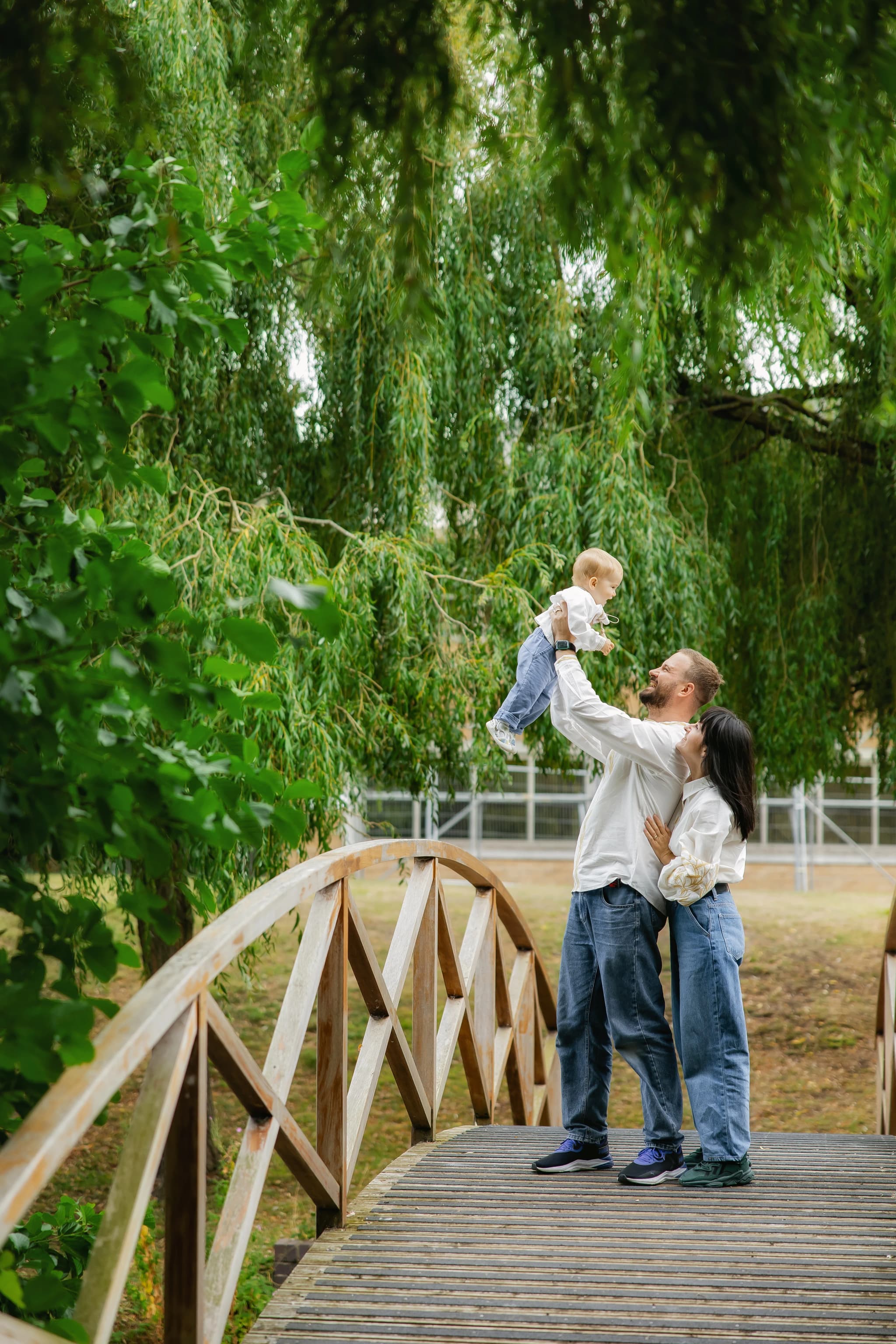
What to Wear for a Country House Family Session
By Yana Skakun·27 July 2027·9 min read
Country house and estate family portrait sessions offer an extraordinary visual backdrop — historic architecture, formal walled gardens, sweeping parkland, and the particular quality of light and grandeur that characterises Britain's remarkable heritage settings. What your family wears for a country house session matters more than for almost any other outdoor portrait context: the elevated visual register of the setting demands clothing that rises to meet it rather than sitting incongruously against flint walls, cedar avenues, and formal garden geometry. Clothing that dresses to the setting's character creates images that are genuinely exceptional; clothing that doesn't creates a visual tension between family and setting that the images struggle to recover from.
This guide covers the elevated colour palettes that work most beautifully in country house and estate settings, coordination strategies for heritage locations, style choices that match archietctural grandeur, and practical advice for family sessions in formal historic environments.
📋 In this guide:
The Country House Visual Register
Country house and estate settings have a specific and elevated visual register that rewards conscious engagement with what the setting brings. Georgian and Victorian country houses, their walled kitchen gardens, formal rose gardens, ha-has, wisteria-covered stone facades, cedar-lined avenues, and sweeping deer park vistas create an extraordinary visual context — one that is as much about architectural proportion, formal garden geometry, and the deep layered visual history of Britain's countryside estates as it is about natural beauty. Clothing that engages seriously with this context creates family portraits of a genuinely distinctive visual quality.
- ◆Architectural grandeur requires considered clothing elevation: The scale and formal authority of a country house or estate creates a visual hierarchy that clothing needs to meet. Casual, overly informal, or completely everyday clothing in an architecturally elevated setting creates a visual incongruity that experienced photographers work hard to minimise. Considered, elevated clothing choices allow the setting and the family to exist in beautiful visual harmony.
- ◆The palette of historic stone and formal gardens: Country house settings have their own characteristic colour palette — the warm honey of Cotswold limestone, the warm buff of Suffolk brick, the grey-green of lichen-covered flint, the deep jewel-box greens of formal box hedging and yew topiary, the faded colours of traditional estate paintwork. Clothing that consciously references or harmonises with these tones connects the family visually to the setting's character.
- ◆Formal garden geometry as visual backdrop: The formal geometric structure of walled gardens, parterre gardens, and estate rose gardens creates a refined visual backdrop that rewards the same quality of visual consideration in clothing. Clothing with its own quality of refinement — well-cut, considered, composed — photographs most beautifully against formal garden geometry.
Elevated Colour Palettes for Heritage Settings
- ◆Warm honey, rich cream, and antique white: The warm honey and buff tones of historic stone architecture make warm cream, antique white, and honey-toned clothing exceptionally beautiful in country house settings — tones that feel organically at home against carved stonework and warm estate walls while reading as elevated and considered in family portraits.
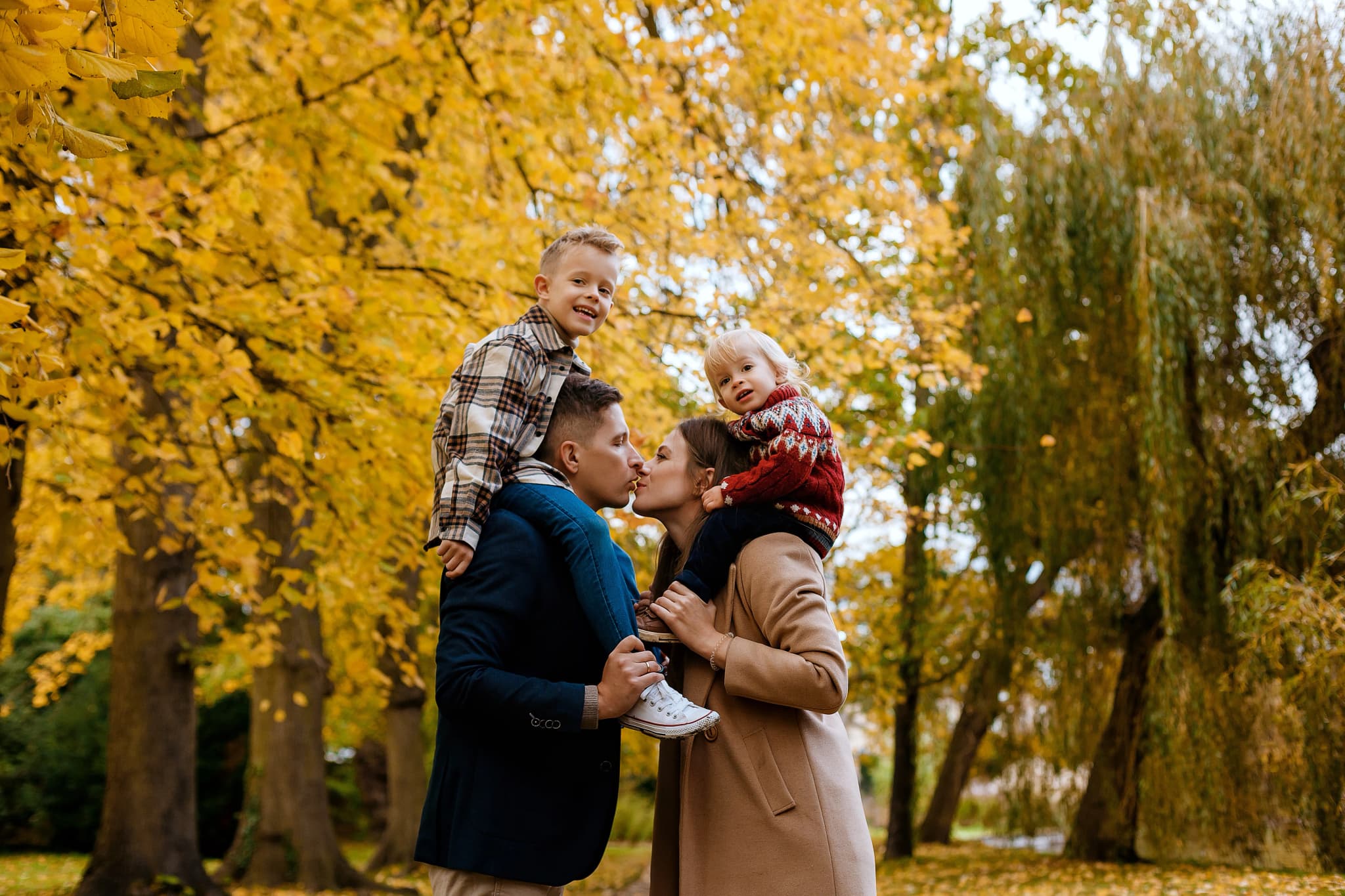
- ◆Dusty sage, soft heritage green, and muted olive: The deep greens of box hedging, yew topiary, and estate parkland make dusty sage, soft heritage green, and muted olive tones natural companions in formal garden and estate settings — grounding the family palette in the setting's botanical depth.
- ◆Rich navy and deep French navy: Deep navy and rich French navy tones communicate the confident elevated quality that country house settings reward — a colour with its own traditional British estate character that reads as naturally at home against stone, flint, and formal garden backdrops.
- ◆Warm terracotta, soft brick-red, and Venetian earth tones: The warm brick and terracotta tones of historic estate architecture — walled garden walls, estate farm buildings, traditional outbuildings — make warm terracotta, soft brick-red, and Venetian earth tones particularly beautiful in country house settings, especially in the warm light of a late afternoon estate session.
- ◆Rich plum, deep mauve, and heritage violet: The traditional British estate garden palette — the faded violets of old roses, the deep plum of heritage tulips, the soft mauves of wisteria cascading from stone walls — makes rich plum, deep mauve, and heritage violet tones exceptionally beautiful in walled garden and formal garden contexts within country house settings.
Family Coordination for Estate Settings
- ◆Coordinate within the estate's natural and architectural palette: The most beautiful country house family portraits are built on a coordinated palette drawn from the estate setting itself — the warm stones, deep greens, and heritage tones that characterise the specific country house location. Coordination within this setting-derived palette creates images with a genuinely exceptional visual unity.
- ◆Elevation across all family members, including children: Country house settings reward elevation even for children — well-cut smock dresses, simple linen trousers, quality cotton shirts rather than casual everyday wear. Children in considered, elevated clothing within a country house backdrop create images of a completely different visual quality from the same setting with purely casual children's clothing.
- ◆Avoid too many competing visual registers across family members: The visual authority and scale of a country house or estate backdrop means that clothing choices that compete with each other visually — clashing colours, different levels of formality, very different stylistic registers — are more noticeable and more disruptive than in less architecturally elevated settings.
- ◆Consider the specific zones of the estate and coordinate to each: A country house estate typically offers multiple distinct visual zones — formal gardens, the house facade, parkland and avenue vistas, walled garden interiors — each with their own colour and light character. A coordinated palette that works across these zones serves a varied session most effectively.
Dressing to the Setting's Grandeur
- ◆What elevates — quality, considered fit, and appropriate formality: Quality fabrics, well-considered fit, and a degree of formality that matches the setting's character are the three consistent elements that elevate clothing choices to match a country house backdrop. A beautifully fitted dress in a heritage colour, well-cut trousers in a considered tone, quality linen shirts — each of these elements communicates its own visual quality that rises naturally to meet the setting.
- ◆What looks incongruous — the everyday dressed up in the wrong way: Bright casual sportswear, very casual weekend wear, or clothing that is extremely informal in either style or fabric can look incongruous against the formal grandeur of an estate setting in a way that even very good post-processing cannot resolve. The visual tension between architectural formal grandeur and casual contemporary everyday wear is one of the few genuine clothing problems in outdoor family portrait photography.
- ◆Heritage Britain and the country house dress code register: Country house settings invite a broad engagement with the traditional British country house dress register — the traditional tweeds, heritage waxed cotton, and estate style of rural Britain that sits so naturally in these environments alongside the more refined formal garden and terrace register of beautifully cut dresses and considered smart-casual choices.
Practical Tips for Estate Sessions
- ◆Discuss the specific estate location and its character beforehand: Country houses and estates vary enormously in their specific character — from the formal enclosed grandeur of a walled garden to the open sweeping parkland of a deer park, from a Georgian stone facade to a red-brick Victorian country house. Discussing the specific estate location with your photographer beforehand allows clothing choices to be calibrated to the specific setting rather than 'country house' in general.
- ◆Late afternoon light at country house estates is extraordinary: The warm low light of late afternoon in a country house setting — golden light catching the stone facade, warm rays through a cedar avenue, the soft glow of fading light in a walled garden — is exceptional. If your session allows for late afternoon timing, the light rewards the choice generously.
- ◆Plan footwear for varied estate terrain: Country house estates typically involve multiple terrain types — formal gravel paths, grass lawns, possibly cobbled courtyard surfaces, and sometimes rougher parkland ground. Quality footwear that works across these terrain types — smart flat boots or well-maintained leather shoes — is preferable to impractical high heels or purely casual footwear for estate settings.
What to Avoid
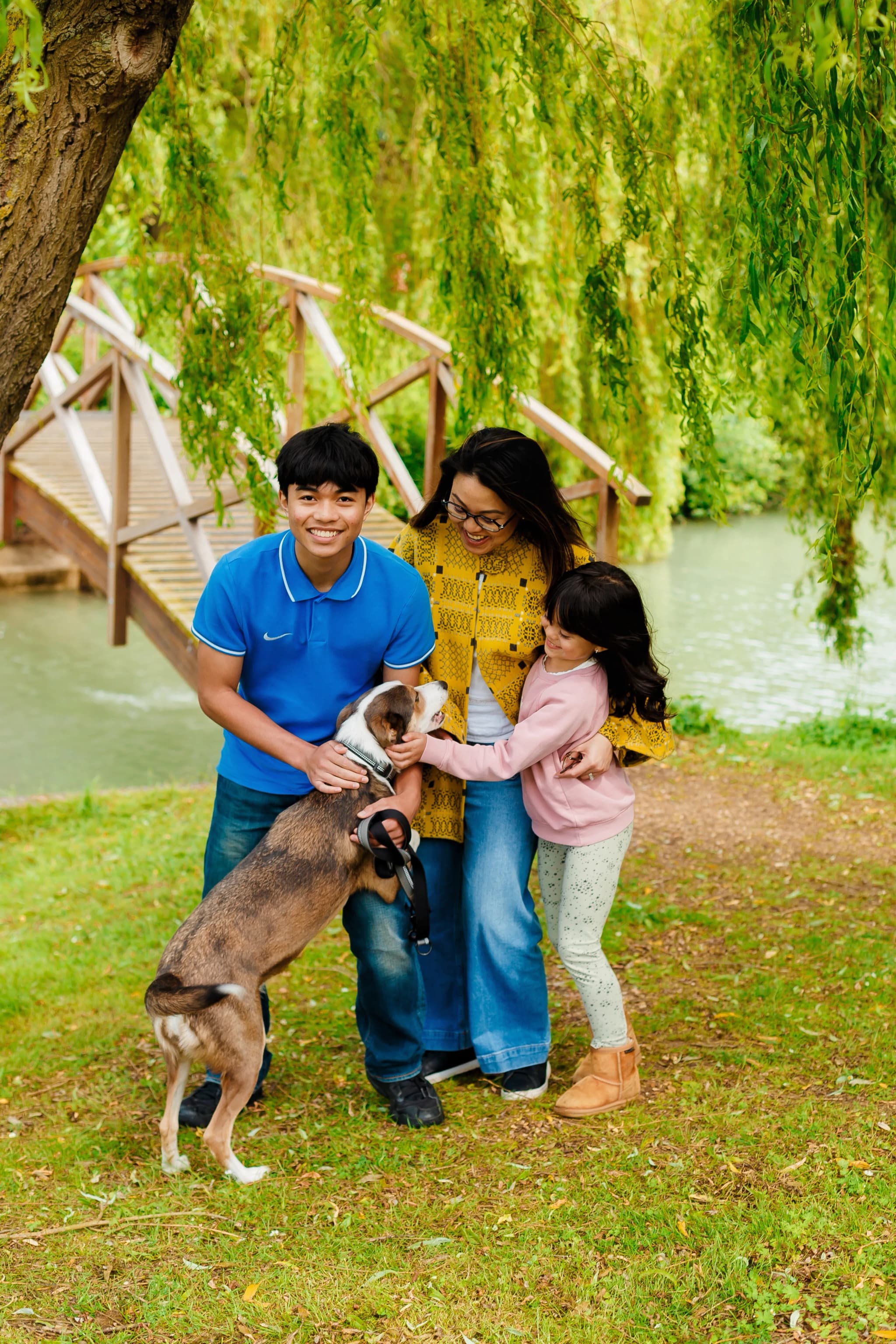
- ◆Vivid saturated colours that fight the heritage palette: The warm, considered, historically-rooted colour palette of a country house setting is disrupted by vivid, very bright, or highly saturated colours that have no relationship to the estate's visual character. Clothing colours that read as intrinsically contemporary and casual against an architecturally historic backdrop create visual incongruity that is difficult to resolve in the final images.
- ◆Purely casual everyday clothing in architecturally elevated settings: Country house and estate settings are among the most visually elevated available for family portrait photography — and they genuinely require clothing choices that consciously engage with that elevation. Purely casual everyday clothing in a setting of architectural grandeur creates a visual gap that underserves both the family and the setting's extraordinary portrait potential.
- ◆Mismatched formality levels across family members: If one family member is dressed in a beautifully elevated heritage register while another is in very casual everyday clothing, the visual inconsistency is more apparent against a formally elevated country house backdrop than in any other outdoor setting. Consistent elevation and formality level across all family members serves country house sessions most effectively.
Country house and estate family portraits in Cambridgeshire
Cambridgeshire and the surrounding counties offer some of England's most beautiful country house and estate portrait settings. I work with families to create portraits that make the most of extraordinary heritage backdrops. To discuss your session, get in touch.

Yana Skakun
Photographer · England
Professional wedding, family and portrait photographer based in England. Passionate about capturing authentic emotions and timeless moments.
About Yana →what to wear country house family photosfamily portrait session outfit guide estatecountry house family photography Cambridgeshirewhat to wear heritage estate family portraitsfamily photo session country house colour palette
Family Tips — Family Photography in Cambridge & England
Yana Skakun offers natural, relaxed family photography sessions across Cambridge, Cambridgeshire, and the wider East of England. Sessions take place outdoors — in parks, woodland, and countryside — or at your family home, wherever everyone feels most at ease. This guide — What to Wear for a Country House Family Session — is part of the photography journal: practical, experience-based advice drawn from real sessions across England. Whether you arrived searching for what to wear country house family photos or family portrait session outfit guide estate, the same care and attention shapes every session Yana photographs.
Family Photography sessions are available year-round, with bookings open across Cambridge, Ely, Huntingdon, Peterborough, and further afield — East England, London, the Midlands, and beyond. If you have specific questions about country house family photography cambridgeshire, mention it in your enquiry. Get in touch through the contact form above to check availability and discuss your session. Enquiries are welcomed from anywhere in the UK.
Continue Reading
Related Articles

Family Tips
Blended Family Photography: A Sensitive Guide to Step-Families, Co-Parenting & Group Portraits
11 min read · Read Article
Family Tips
Baby Milestone Photography: Capturing Every Stage of the First Year
10 min read · Read Article
Family Tips
Maternity Photography in England: When to Book, What to Wear & Where to Shoot
11 min read · Read Article
Get in Touch
Ready to Book Your Session?
Get in touch to discuss your vision — I'll reply within 24 hours.