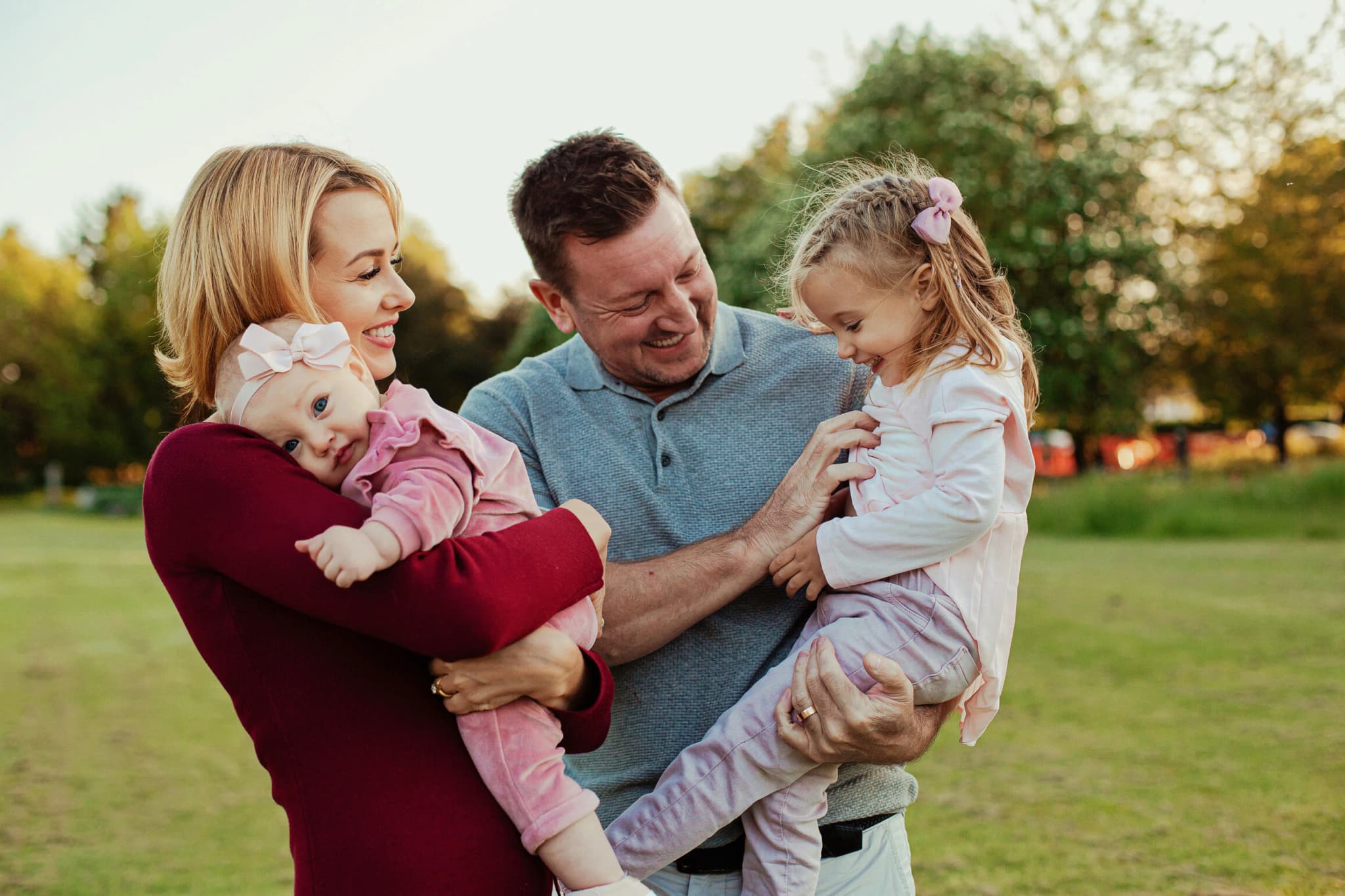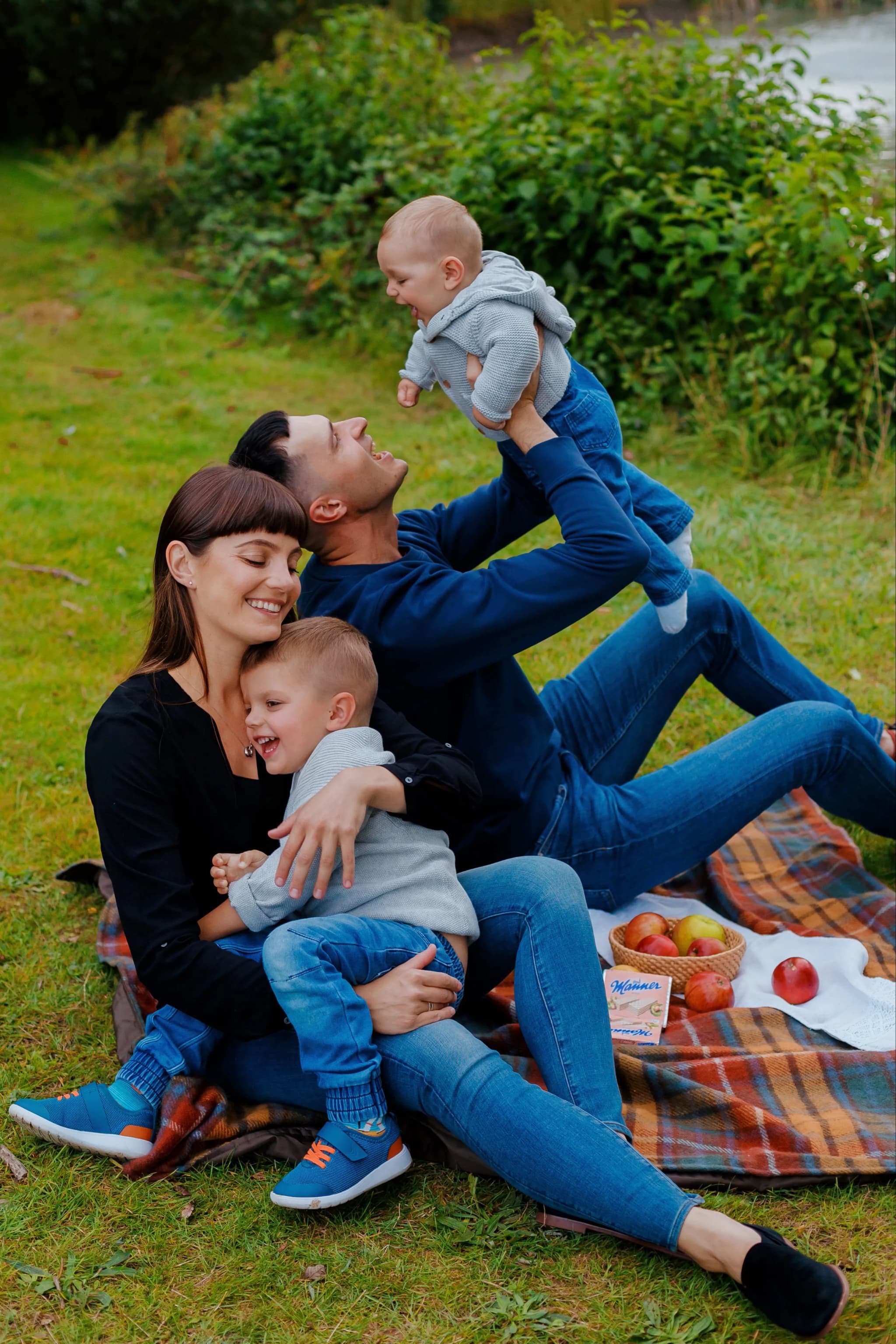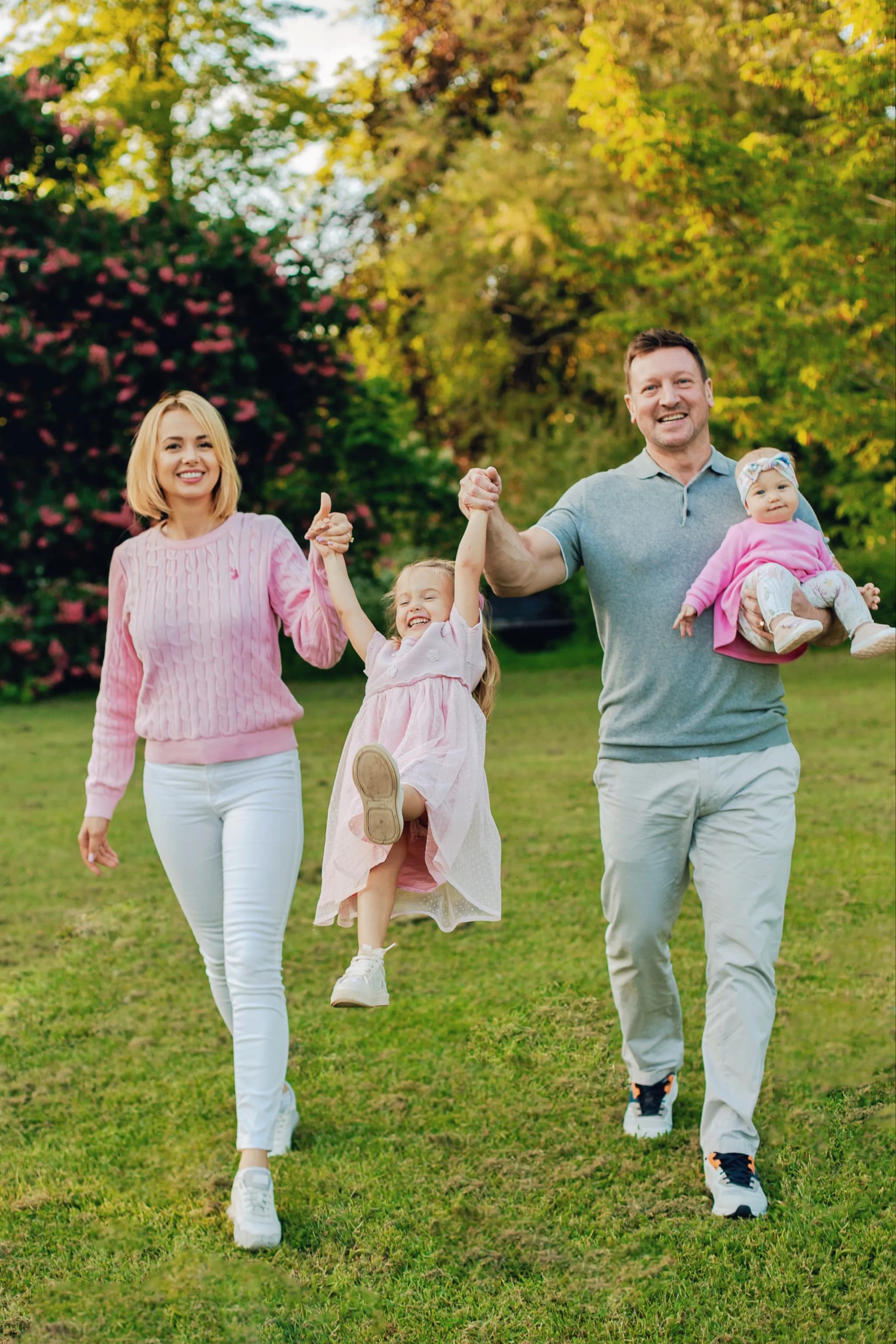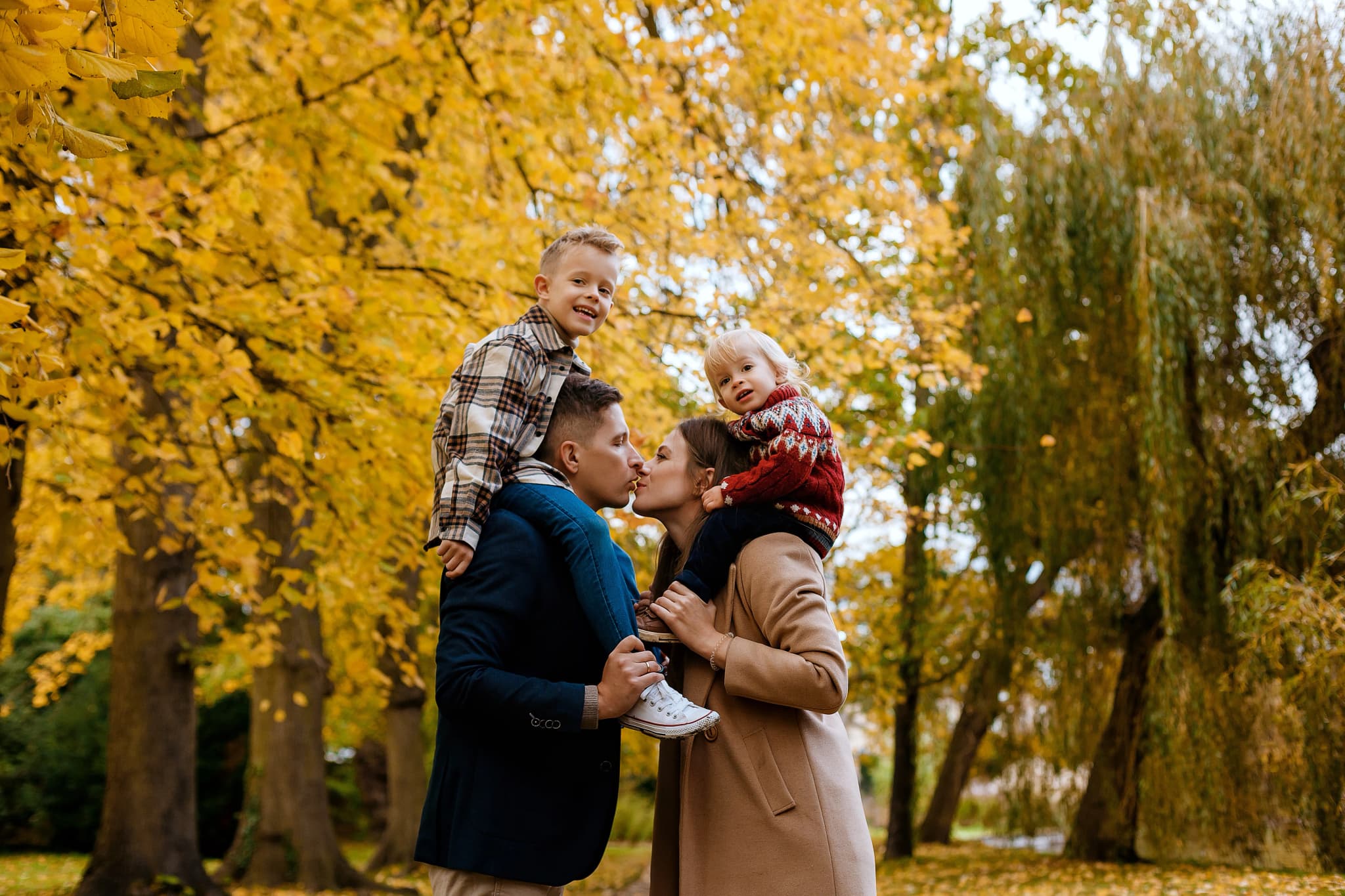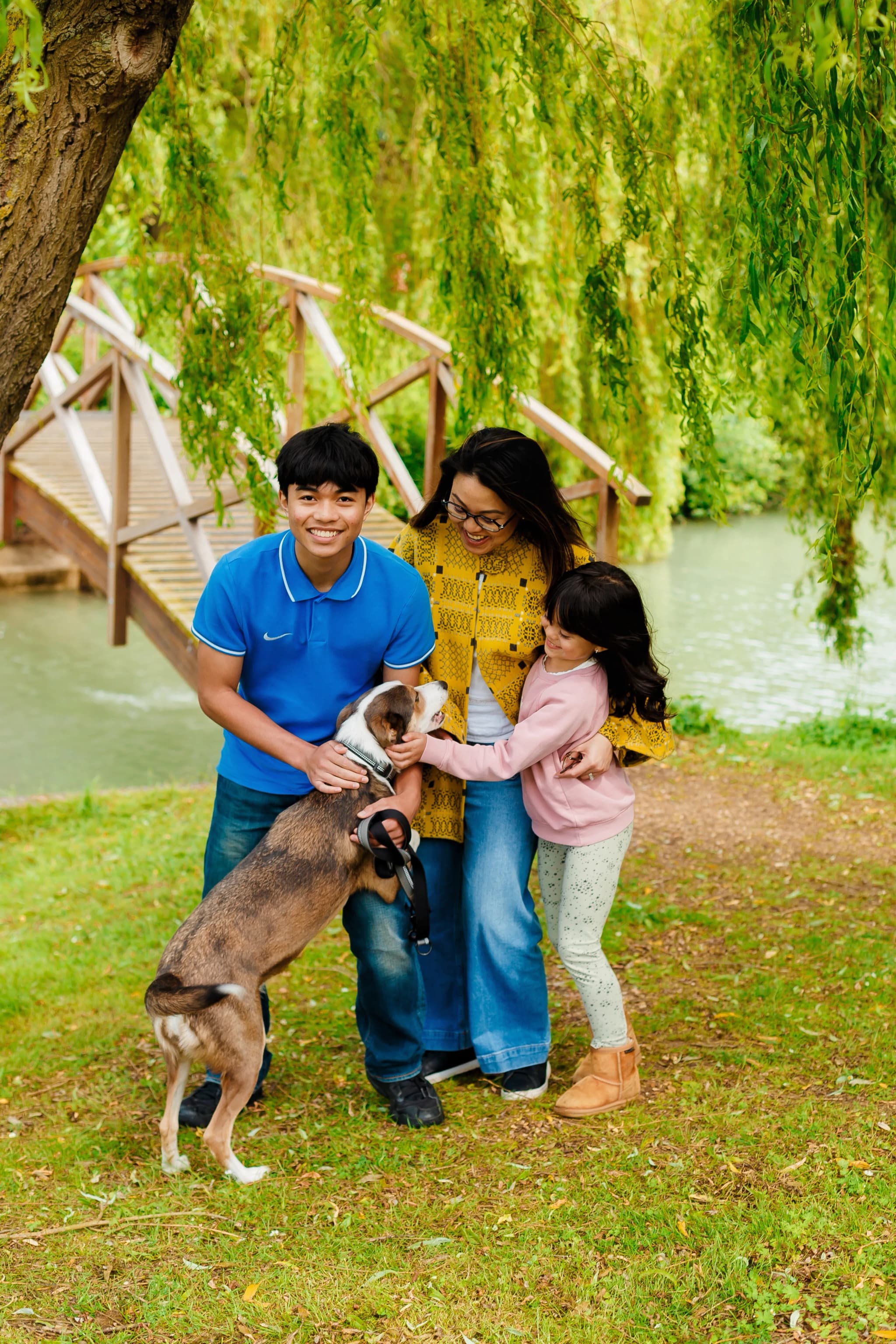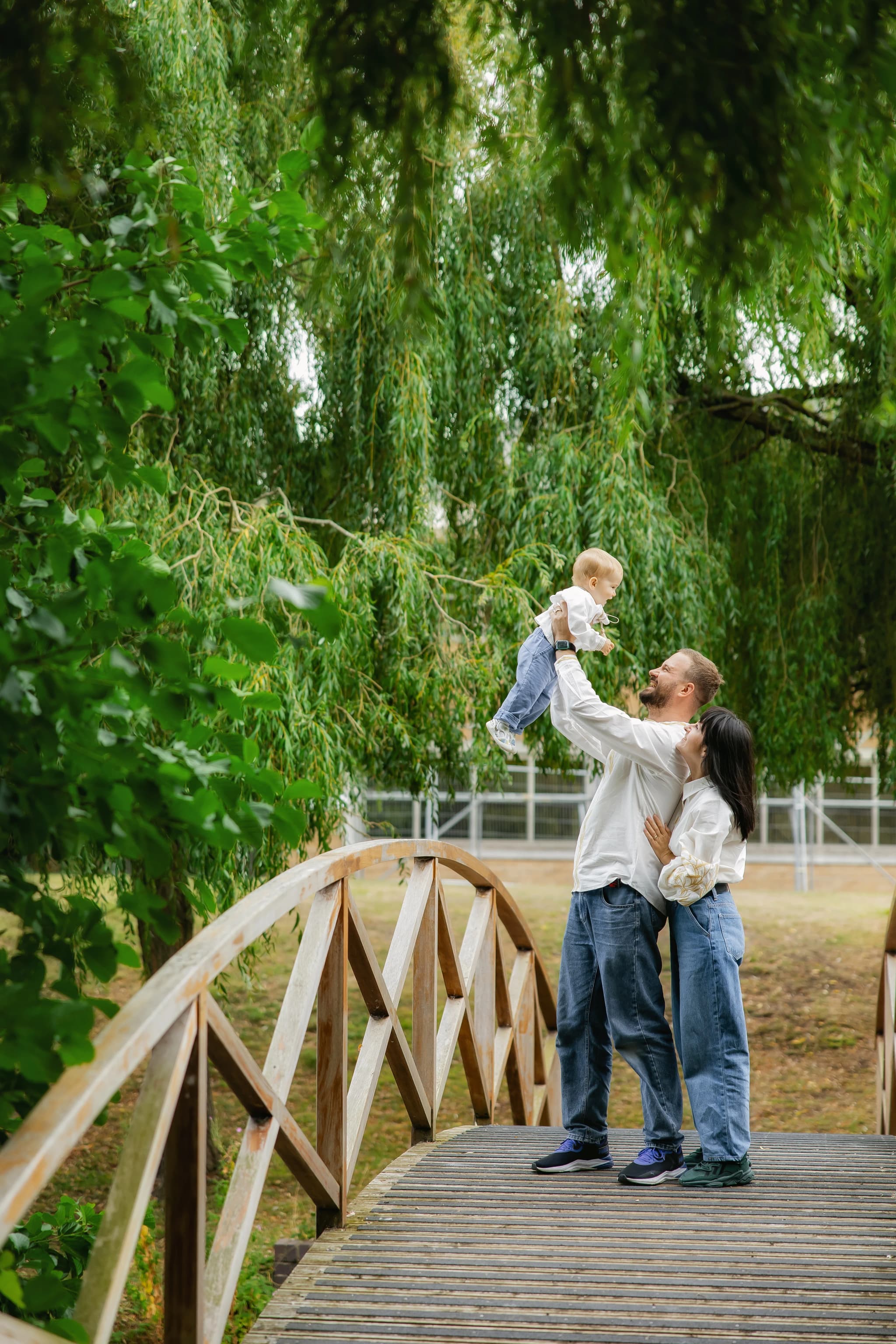
Documentary family photography captures real family life as it unfolds — mealtimes, morning routines, bedtime chaos, children playing, families cooking together, quiet moments reading on the sofa. Unlike posed portrait sessions, documentary or lifestyle home photography is designed to look natural, candid, and authentic. Yet thoughtful clothing preparation still dramatically improves the final photographs, because what families wear shapes the visual cohesion, mood, and timeless quality of the images significantly.
Why clothing matters in documentary family photography
Documentary photography is designed to feel natural and real. This does not mean clothing choices are unimportant — quite the opposite. Because documentary sessions are photographed in your actual home environment rather than a controlled studio, the visual relationships between clothing, home furnishings, natural light, and skin tones all interact simultaneously. Coordinated clothing creates a visual calm that allows the documentary moments themselves to read with full power, rather than the eye being distracted by clashing patterns or incoherent colour across family members.
The authenticity goal of documentary family photography means avoiding anything that looks styled, contrived, or like a formal dress-up occasion. Families should wear clothing they genuinely own, would naturally wear at home, and feel comfortable in. The best documentary family photographs look like real family life — because they are. The clothing preparation challenge is to make real family clothing look visually cohesive and photographically beautiful without losing its natural authenticity.
Coordinating without matching
Identical matching outfits are the opposite of what documentary family photography requires. Families wearing identical clothing look staged and lose the authentic differentiation of individual personalities. Instead, aim for what photographers describe as visual coordination — a shared colour story that connects family members visually while allowing each person to wear something genuinely their own.
Choose a simple palette of two to four tones that work together. Warm neutrals — cream, oatmeal, warm white, soft grey, warm stone — create an extraordinarily versatile documentary palette that works across all seasons and home environments without visually dominating the photographs. Layering a warm earth tone — terracotta, rust, warm ochre, dusty green — alongside the neutrals adds visual interest and warmth.
Consider your home's colour environment when selecting clothing. A home with warm wood floors and terracotta walls calls for different clothing tones than a modern white-painted open-plan space. Clothing that harmonises with your home's natural palette creates visual calm and cohesion; clothing that clashes with it creates visual tension that is impossible to resolve in editing.
Clothing that photographs well at home
Everyday family clothing that works beautifully in documentary photography shares certain qualities. Well-fitted, quality basics — plain T-shirts, simple jumpers, unbranded summer dresses, clean denim — photograph with visual clarity and allow faces to remain the primary subject of the image. Avoid heavy text, large logos, and very busy seasonal prints that date photographs quickly and create visual distraction.
Layer textures across family members for visual depth. A chunky knit jumper, denim, and a simple cotton dress in a shared warm neutral palette creates visual interest and dimension without colour conflict. Textures interact beautifully under natural window light that characterises documentary home photography.
For children, soft playwear in coordinated tones is ideal — comfortable enough for them to move, play, and be completely themselves, without visual distraction. Avoid stiff formal children's clothing that restricts movement and reads against the natural play energy of documentary photography. Children should genuinely be able to run, climb, roll, and play in their session clothing.
Adults' clothing for documentary home sessions
Adults in documentary home sessions benefit from clean, quality-looking casual and smart casual clothing rather than very formal attire or very sloppy casual wear. Simple, well-fitted quality basics photograph with natural dignity and warmth. A well-fitted plain jumper, a quality linen shirt, clean casual trousers, or a simple relaxed dress all work beautifully in documentary home photography while looking genuinely natural and authentic.
Avoid stained, faded, or noticeably worn clothing that creates an unintended impression different from the actual quality of your family life. Documentary family photography captures real moments — it should not capture clothing that is past its prime. A fresh but genuinely everyday quality to the clothing creates the natural-but-beautiful visual tone that defines the best documentary family work.
If the session includes cooking or baking sequences, avoid clothing that will become visually problematic with minor flour or food contact. Natural, muted tones work better than very pale whites for kitchen documentary sequences involving genuine cooking activities.
Footwear in documentary home photography
Documentary home photography typically takes place with bare feet or socks — this reads as natural and authentic within a home environment and is usually the photographically strongest choice. Clean, well-kept socks in a colour coordinated with the rest of the family's palette work beautifully. Bare feet create a particularly warm, intimate quality.
If the session includes any outdoor sections in a garden or on steps, clean simple footwear that coordinates with the session palette is appropriate. Avoid incongruous formal footwear or very athletic training shoes that clash with the session's natural domestic aesthetic.
Preparing for a documentary session
Lay out all family members' clothing together before the session and photograph the combination under natural window light. This is the most reliable way to spot colour conflicts, tonal imbalances, or items that look visually isolated from the family palette before the session day. Small children's clothing in particular can appear very different from parental expectations under actual photographic light conditions.
Prepare two or three alternative options for each family member — children's clothing especially benefits from backup options for the inevitable spillage, wardrobe objection, or mid-session change of plans. Having clean alternatives ready removes stress from what should be a relaxed, natural documentary session experience.
Allow everyone — especially children — to feel genuinely comfortable and normal in their chosen clothing before the session. Completely new clothing worn for the first time in a photography session often looks and feels stiff. Session clothing benefits from having been worn and washed at least once before the photographs are taken.
Seasonal and tonal considerations
Autumn and winter documentary home sessions lend themselves naturally to layered textures and rich warm tones — chunky knitwear, warm earth colours, cosy layering, and natural fabrics all align beautifully with the cosy authenticity of winter home life. Spring and summer sessions can accommodate lighter fabrics, fresher tones, and more varied colour if the broader palette remains coordinated.
The timeless quality that makes documentary family photographs enduringly valuable is built partly by clothing that avoids strongly trend-specific pieces. Photographs taken in authentically classic, quality everyday clothing look as beautiful in ten years as they do today. Heavily trend-led clothing dates photographs in a way that reduces their long-term resonance — classic, quality basics remain the strongest foundation for photographs designed to last a lifetime.