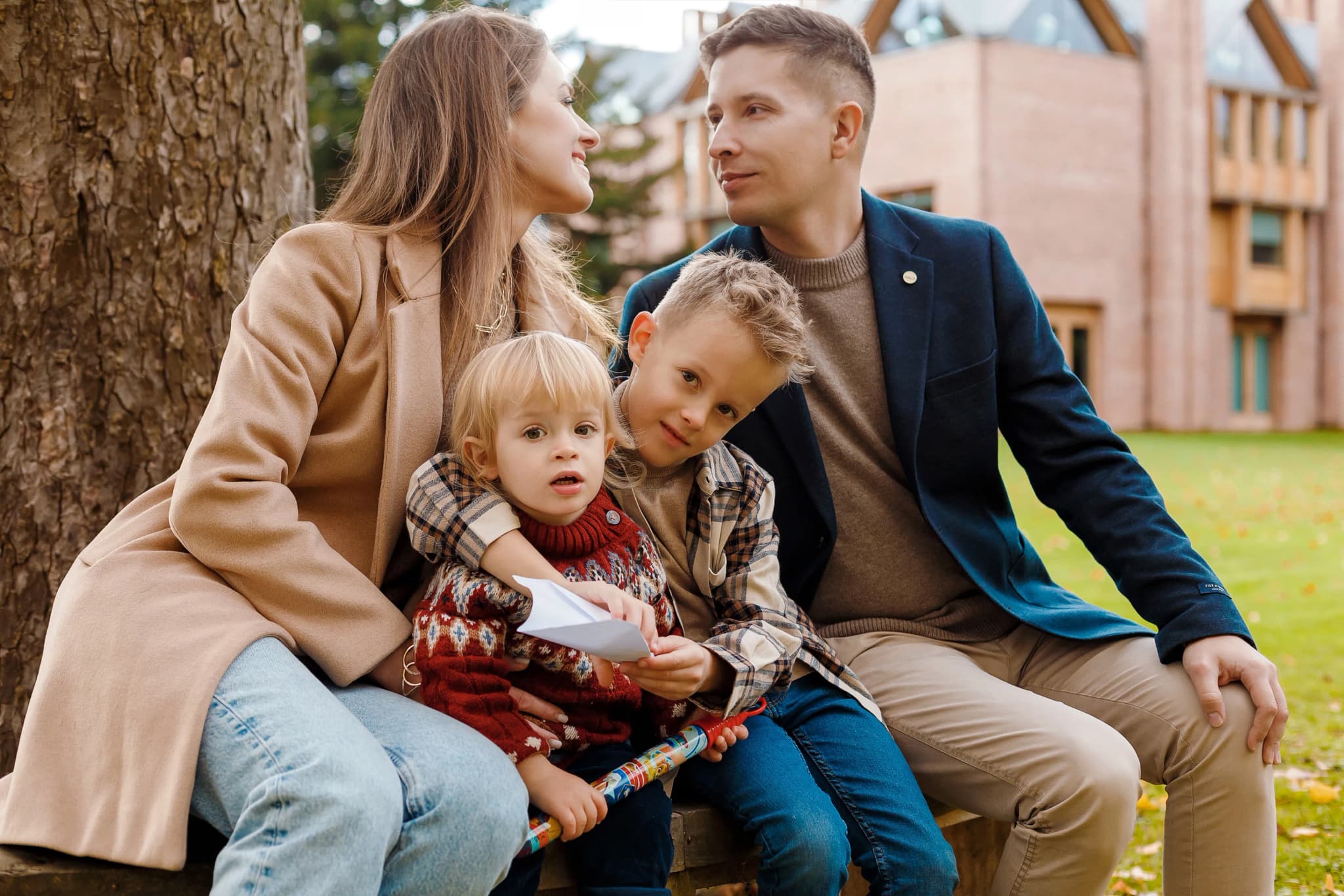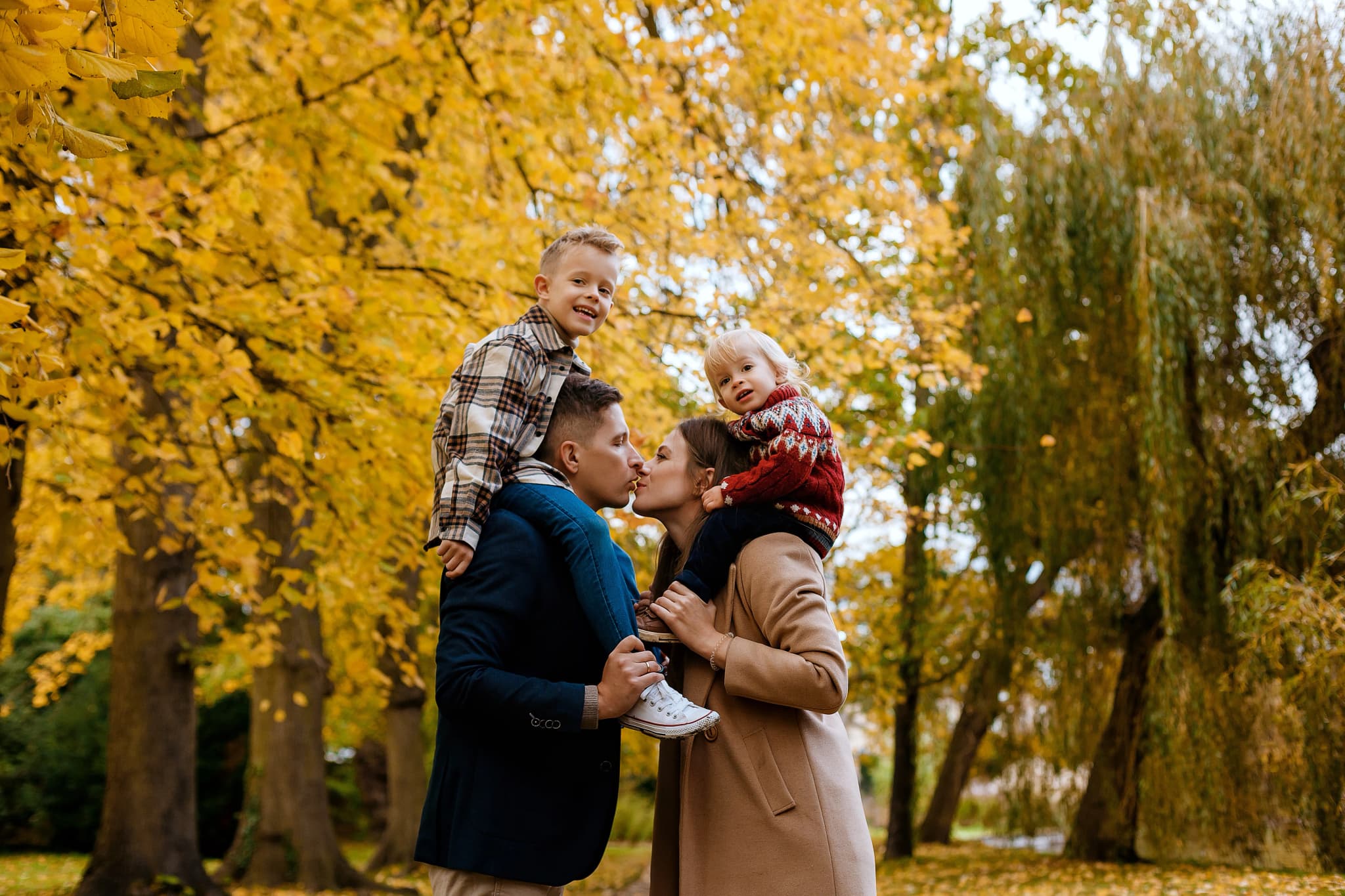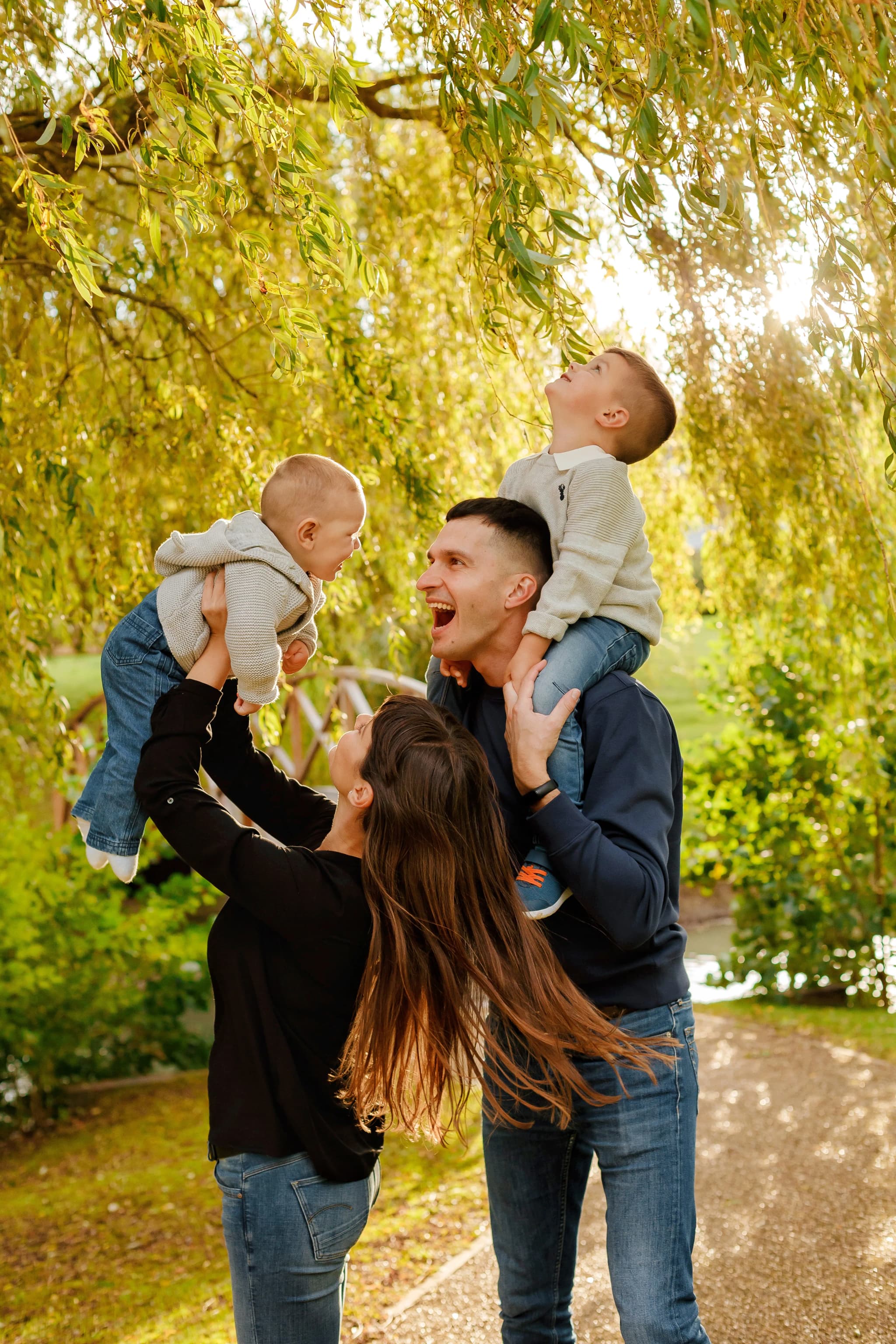
Dog walking portrait sessions are lifestyle sessions at their most genuinely relaxed — you and your dog in a familiar outdoor setting, doing something you do together every day. That ordinariness is precisely what makes careful clothing choices matter. You want to look intentional and at ease simultaneously, which is a more difficult balance to achieve than formal or styled portrait wear. This guide covers practical outdoor clothing that reads beautifully on camera, keeping the dog as a visual partner rather than a distraction, and what to avoid.
The Lifestyle Portrait Context
Dog walking portraits sit firmly in the lifestyle photography genre — natural, active, movement-oriented. The session typically unfolds across different paces: walking, sitting, playing, quiet contemplation. What you wear must work across all of these moments: sitting on a log, kneeling to scratch an ear, walking along a path with the dog at heel. Formalwear or very structured clothing tends to restrict natural movement and looks mismatched against an outdoor, relaxed setting.
Colour and the Outdoor Setting
Dog walking portraits are most often taken in woodland, meadow, park, or along coastal paths — settings with particular colour palettes of their own. Clothing that harmonises with those palettes tends to produce the most visually coherent photographs:
- ◆ Woodland settings: Warm earth tones — rust, mustard, dark green, tan, terracotta — echo and complement the autumn foliage, bark, and leaf litter that form the background. These are the strongest choices for woodland dog walking sessions throughout the year.
- ◆ Open meadow and grassland: Pale neutrals and cream sit beautifully against long grass and blue sky. Soft blues, warm whites, and stone tones all work well here.
- ◆ Coastal and clifftop: Stronger, more saturated navy, deep teal, and warm coral or rust tones read clearly against the sea horizon and pale sky. White also photographs very well on coastal portraits.
- ◆ Urban parks: The most flexible setting — almost any colour palette works, as the background is varied and the light tends to be open and forgiving.
Practical Clothing That Reads Well on Camera
The challenge of dog walking portrait clothing is that it must function — you might be bending, kneeling, and walking on uneven ground — while also looking composed and intentional on camera. Clothing that achieves both:
- ◆ Well-fitted jeans in a clean wash or dark denim — versatile, functional, and read naturally in outdoor settings
- ◆ Relaxed-fit trousers in natural fabrics (linen, cotton drill, soft wool) — these move naturally and drape well when you sit or crouch
- ◆ Classic knitted jumpers or cable-knit sweaters — instant warmth and visual texture
- ◆ Casual button-through shirts or flannel shirts, tucked loosely or left open over a simple base layer
- ◆ Light jackets, field jackets, and quilted vests — especially for autumn and winter sessions — add layers of visual interest and practical warmth
- ◆ Ankle boots, walking boots, or clean trainers — choose footwear that functions on the terrain
Working with Your Dog's Colouring
Your dog is one of the visual subjects of the photograph — and clothing that coordinates or contrasts thoughtfully with your dog's coat creates more cohesive results. A few notes:
- ◆ For golden retrievers, labradors, and other warm-coated dogs: neutrals, warm tones, and rich autumnal colours create visual warmth and connection
- ◆ For dark (black or chocolate) dogs: lighter tones on clothing can help create separation and allow the dog's form to be visible in the frame — avoid wearing black if your dog is black
- ◆ For white or very pale dogs: a slightly darker or richer clothing palette creates contrast. White clothing on a white dog creates a very flat visual palette.
- ◆ For multi-coloured or merle dogs: most neutral palettes work well — the dog provides the visual interest and your clothing anchors the scene
The Dog's Gear
Your dog's collar, lead, and harness are photographic props as well as functional equipment:
- ◆ A clean, well-maintained leather or fabric collar or harness in a neutral or complementary colour reads well on camera and gives the photographs a considered feel
- ◆ Brightly coloured or neon accessories (orange, yellow, vivid green leads) can dominate the frame and compete with your clothing palette — consider swapping to a neutral version for the session
- ◆ Bandanas tied around the neck photograph beautifully and add personality — choose a pattern that coordinates with your outfit
- ◆ A lead that is too long loops awkwardly in photographs; a shorter lead held at natural length reads much more cleanly
- ◆ If your dog tends to run off-lead, a short training lead can be used between shots and removed for specific poses
Seasonal Considerations
Dog walking sessions are often booked around a particular season — bluebell woodland in spring, golden-hour fields in autumn, frost in winter. Let the season guide the clothing:
- ◆ Spring: Soft blues, sage greens, blush and warm whites work beautifully beneath the fresh green canopy of spring woodland. Light layers — a denim jacket, a light trench — are practical and photograph well.
- ◆ Summer: Lighter fabrics and lighter tones. Cotton and linen in cream, pale blue, and warm yellow photograph beautifully in summer open-field sessions. Avoid very dark clothing in direct sunlight — it absorbs heat and looks heavy in summer light.
- ◆ Autumn: The strongest season for textured, warm-toned clothing. Chunky knits, layered jackets, warm brown boots, and rust tones create photographs that look perfectly of a moment.
- ◆ Winter: Warm coats, wrapped scarves, and layered woollens photograph with visual richness in bare-branch woodland or frost-covered open ground. Do not scrimp on warmth — cold discomfort shows immediately.
What to Avoid
- ✕ Overly formal clothing — a blazer or structured dress looks incongruous in a working outdoor session
- ✕ Wearing the same colour as your dog's coat — it creates an unintentional camouflage effect in portraits
- ✕ Neon leads or very brightly coloured dog accessories that compete with your clothing
- ✕ Very light or white clothing if the session includes any rolling, playing, or muddy moments — which with dogs, it often does
- ✕ Complex patterns that compete with the natural texture of the outdoor setting
- ✕ Footwear that is not appropriate for the terrain — discomfort and an awkward gait are visible on camera
The Dog as a Photographic Partner
The best dog portrait sessions treat the dog as a genuine co-subject rather than a prop. Sessions where the person is actively interacting — talking to the dog, playing, sitting close — consistently produce more expressive and memorable images than sessions focused on having both subjects look at the camera simultaneously. Clothing that is comfortable enough to sit on the ground, comfortable enough to move freely, and tidy enough to read well in close-up is the ideal foundation. Let the relationship do the rest.