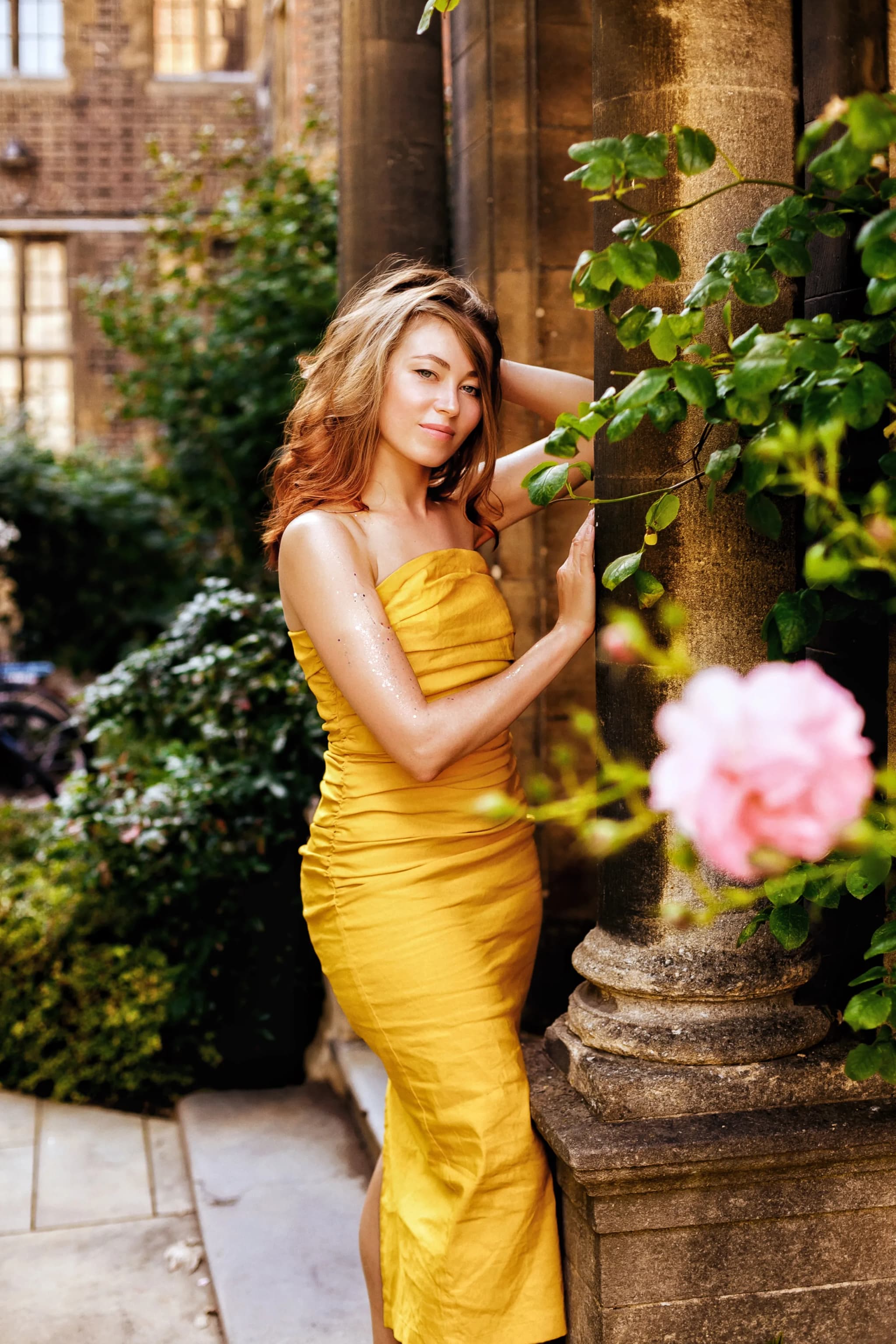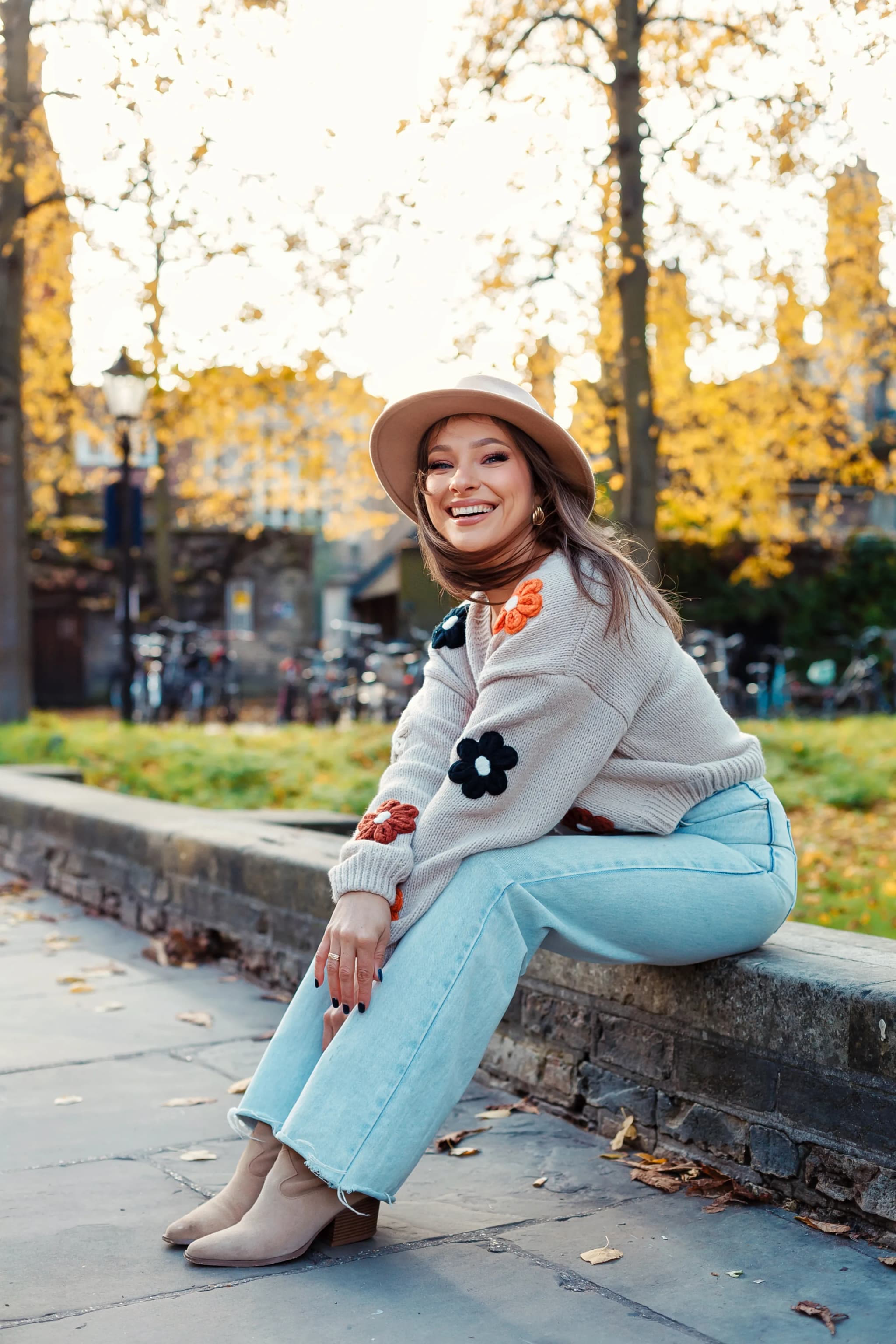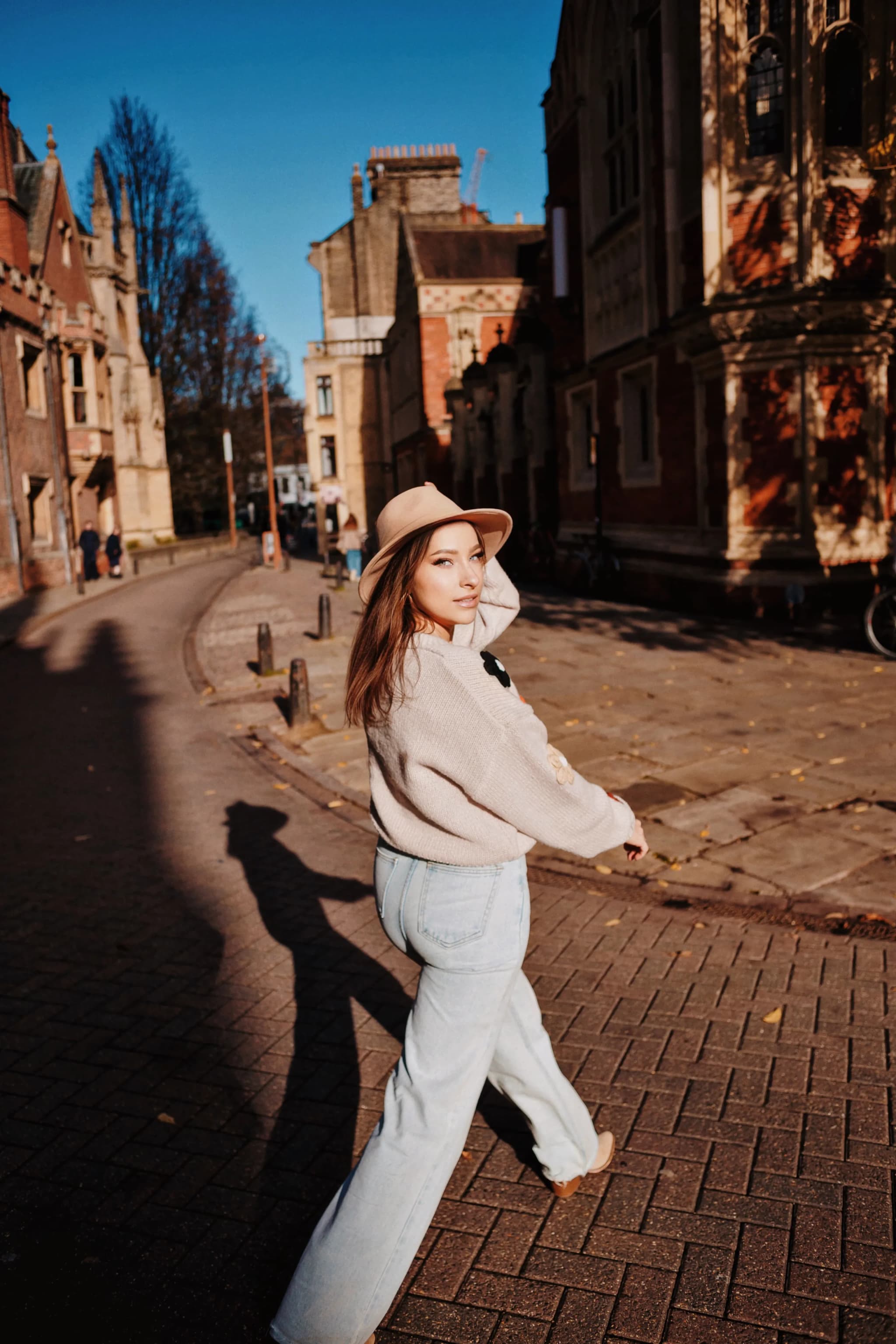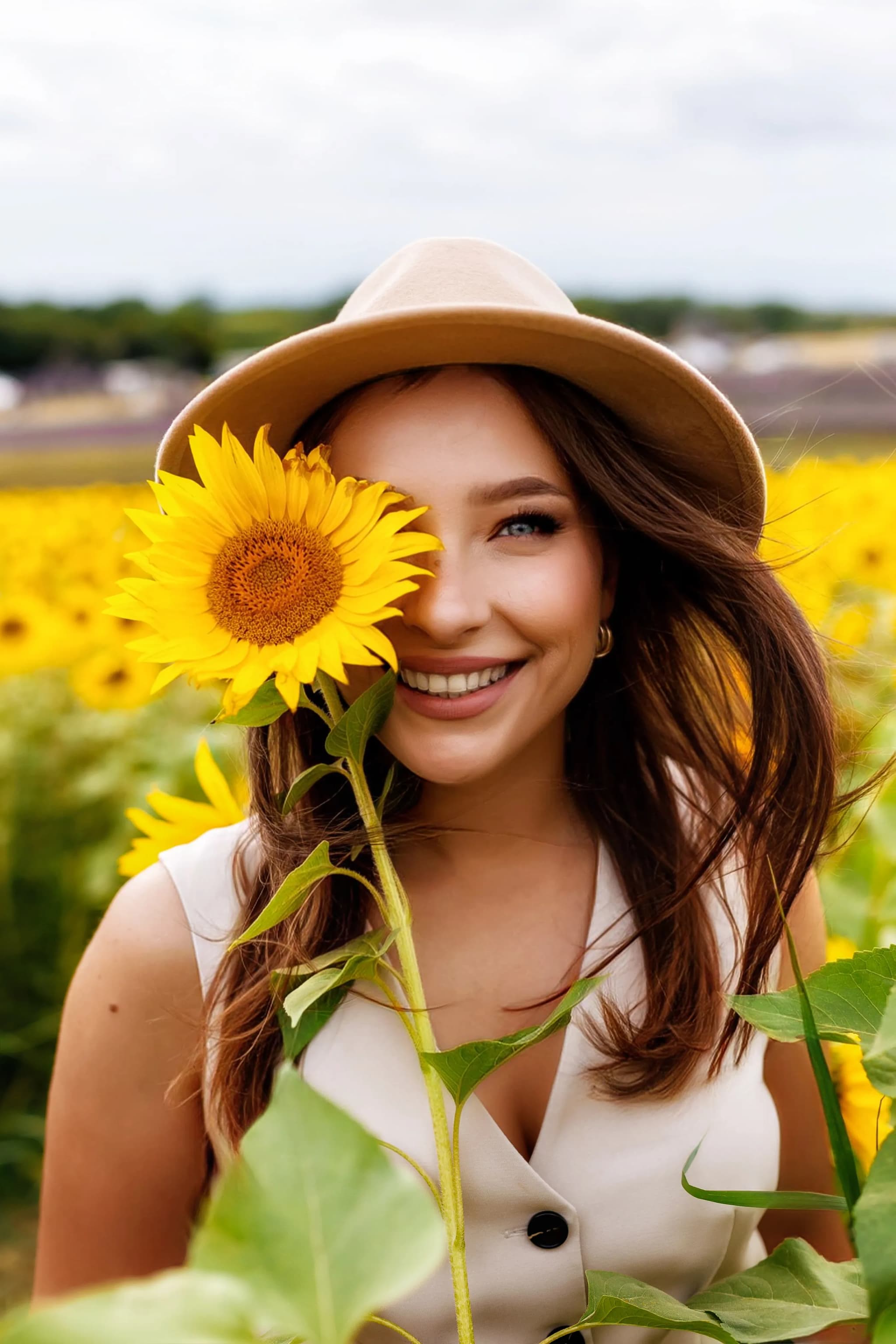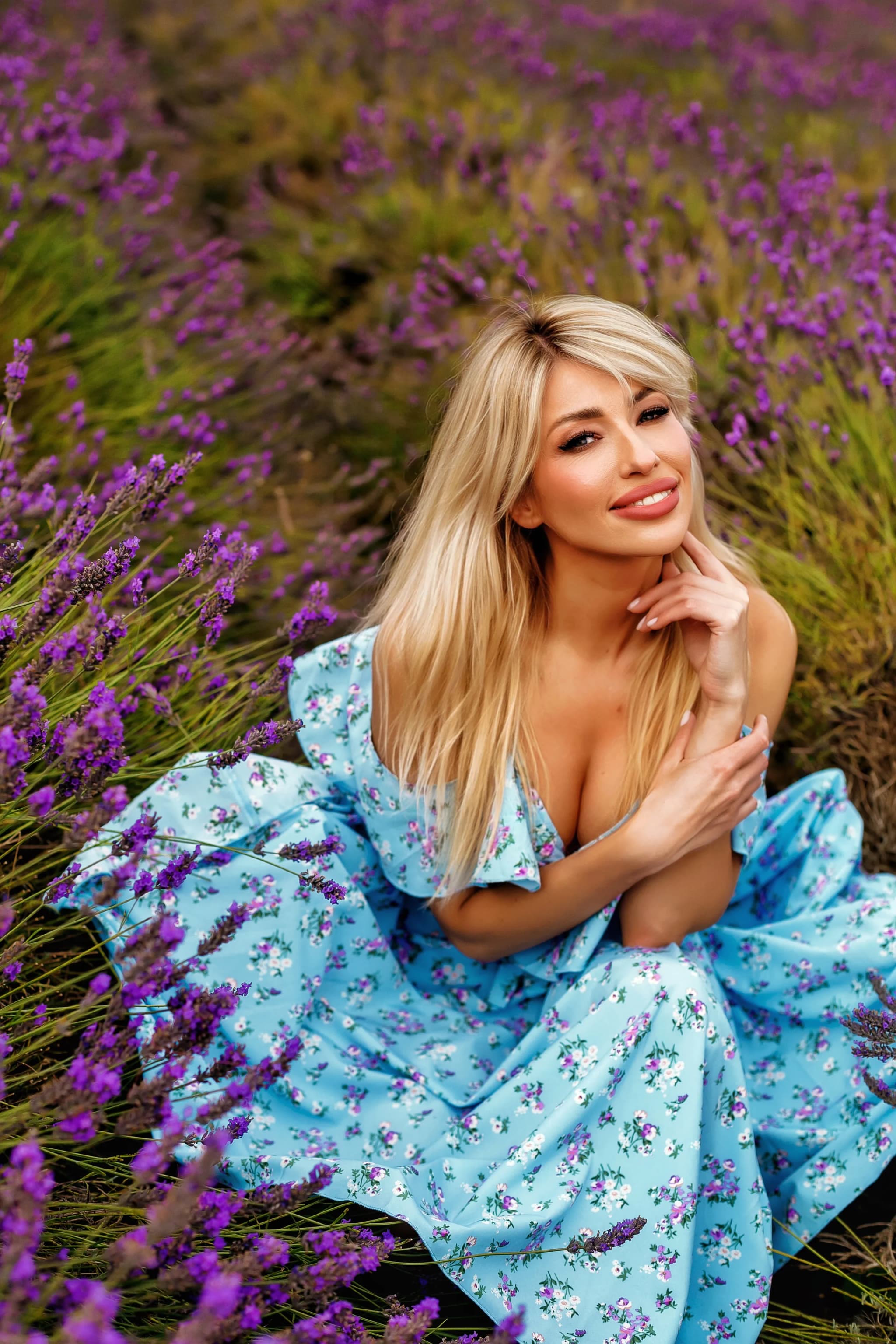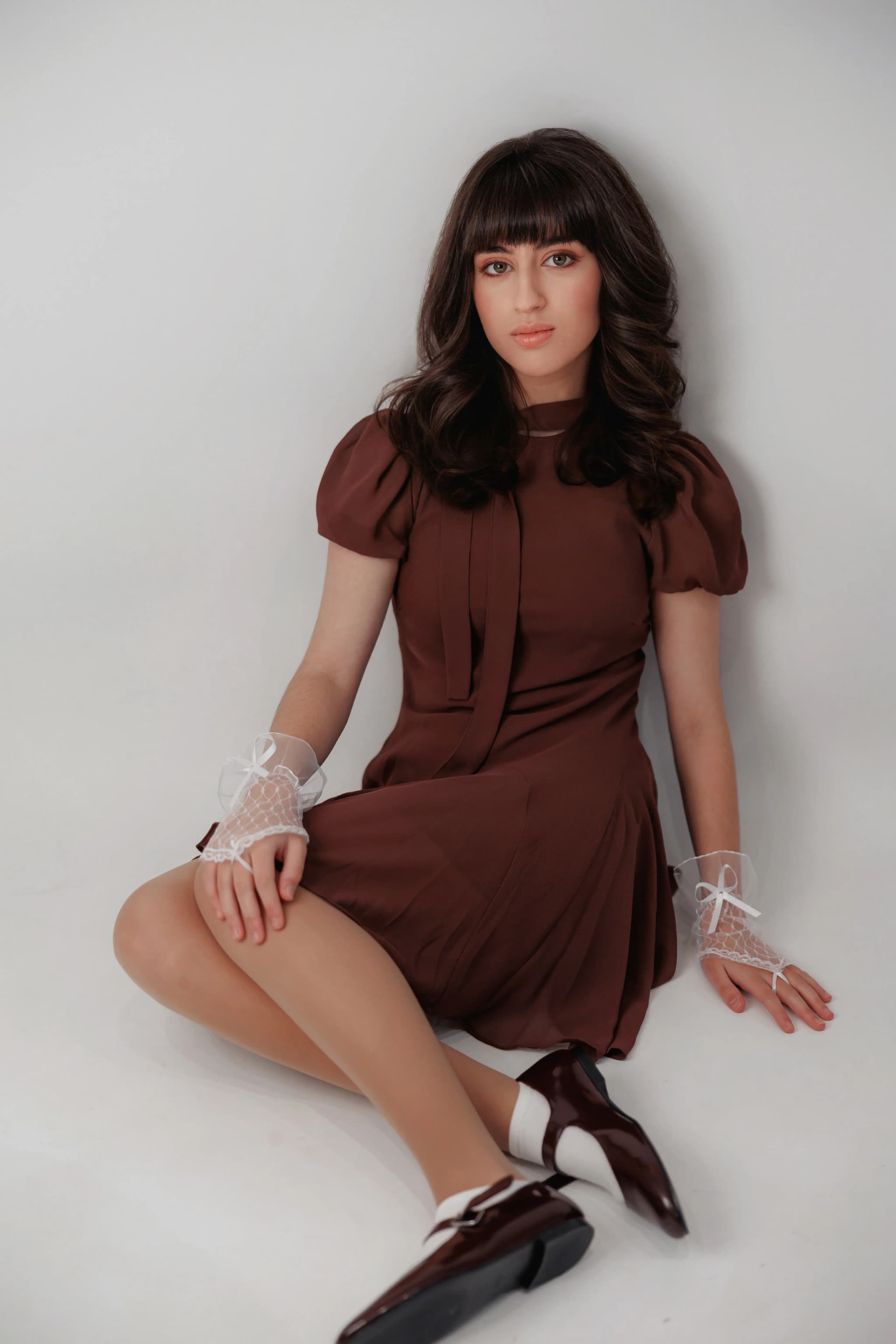
Food blogger and content creator photography exists in a relatively recent but now well-established genre of professional photography — and it has unique clothing requirements that differ significantly from standard professional headshots or business portraits. A food content creator's visual brand is built across their feed, their website, and their collaborations, and the clothing in their photography is an active part of that brand aesthetic rather than a neutral backdrop to professional expertise. This guide covers how to approach clothing for food and lifestyle content creator photography.
Your Clothing Is Part of Your Brand
For food bloggers and content creators, the distinction between "professional clothing for a photo" and "brand aesthetic clothing" largely disappears. The most effective content creator photography uses clothing as one of several visual elements — alongside food, props, table settings, and location — that combine to produce a coherent brand image. Before choosing what to wear, identify the visual register of your brand:
- ◆ Clean, minimal, Scandinavian-influenced: neutral tones, linen, simple cuts — white, cream, nude, warm grey, soft terracotta. The clothing disappears into the aesthetic and lets the food be the subject.
- ◆ Warm, textural, maximalist food styling: richer tones and textures — deep earthy ochre, warm rust, deep forest green — clothing with personality that exists alongside rich, layered food styling without competing
- ◆ Bright, playful, trend-led content: colour can play a larger role — but clothing should still be intentionally chosen rather than worn by default. A vivid colour palette works when it's consistent across the visual branding.
- ◆ Professional / business food photography (recipe developer, food stylist): a clean, considered professional register — quality plain clothes, well-fitted, that communicate expertise rather than personality first
Working in the Kitchen or with Ingredients
If the photography involves cooking, preparation, or working with food ingredients:
- ◆ An apron can be a powerful visual element if it is part of your brand. A quality linen apron in a coordinating colour — a warm cream, a sage green, a terracotta — is a strong brand prop that also practically protects clothing
- ◆ Clothing under an apron should still be intentional — it will be visible at the neckline, sleeves, and if the apron is removed between shots
- ◆ A plain, quality long-sleeved top or a quality short-sleeved top rolled up is appropriate for kitchen process shots — it looks active, authentic, and professional simultaneously
- ◆ Avoid very formal clothing in an active kitchen context — a blazer while stirring a pan looks incongruous and reads as staged rather than authentic
Table and Food Composition Shots
When the photographer is shooting overhead or near-overhead table compositions where hands are in frame — holding bowls, scattering ingredients, serving dishes — the hands and arms are part of the composition:
- ◆ Clothing at the wrist and forearm should be chosen with awareness of its role in the image — a quality rolled linen sleeve, a simple bracelet, a plain sleeve edge all contribute positively
- ◆ Avoid busy patterns or strong branding at sleeve level — the sleeve appears in multiple shots and any pattern becomes repetitive and distracting across a series of images
- ◆ Nail polish: if hands will be in frame, nails should be considered — either clean and bare, or a single consistent colour that coordinates with the table styling, not a chipped or mismatched colour
Portraits and "Meet the Creator" Shots
For the portrait-style images — café, kitchen counter, styled background — where the creator is the primary subject rather than an active participant in food preparation:
- ◆ A well-fitted, quality top or dress in a brand-consistent colour — this is where the full visual of the clothing registers and should work hardest for the brand
- ◆ Consider the colour of the primary shooting location: if working at a marble counter or pale kitchen, warm-toned clothing provides pleasing contrast; against a warm wood or terracotta tile backdrop, a cooler or neutral tone creates better separation
- ◆ An outfit that is versatile enough to shoot in multiple locations across the session creates more content variety from the same photography day
Colour Palettes by Aesthetic
- ◆ Clean minimal: warm white, cream, oatmeal, sage, dusty rose, warm grey — nothing that competes with carefully styled pastel food imagery
- ◆ Warm rustic / artisan: ochre, rust, burnt sienna, deep olive, warm brown — complements natural materials, rustic props, and earthy food styling
- ◆ Bright / trend-led: a single saturated colour that appears intentionally in both the clothing and the brand palette — chosen from within a coordinated system rather than randomly
- ◆ Dark / moody: deep navy, charcoal, dark forest green — creates beautiful contrast against light food surfaces and pale crockery
What to Avoid
- ✕ Heavily branded clothing from food brands other than your own (unless a specific partnership) — it creates confusion about the content's independence
- ✕ Clothing that clashes with the food styling: if the dish is a vivid orange butternut squash soup in a white bowl, wearing vivid orange clothing makes the creator visually merge with the dish rather than complement it
- ✕ Busy patterns near food — they create visual noise that competes with the careful styling of the food itself
- ✕ Formal business clothing in a kitchen context — it reads as staged and incongruent with the authentic, skill-based register of food content
Multiple Looks for a Full Day Session
Food and content creator photography sessions typically benefit from planning multiple outfit changes mapped to different settings and tones:
- ◆ A primary brand outfit for "signature" portrait shots — the image that will be used on the website "about" page, bio, and primary social platforms
- ◆ A working or active outfit for process and kitchen shots — potentially including an apron
- ◆ A third variation for styled table or café shots — creating visual variety across the content library generated from a single session