Yana Skakun
What to Wear for a Lavender Field Family Session
By Yana Skakun·14 August 2027·8 min read
Lavender field family portrait sessions offer one of the most visually spectacular and intensely seasonal outdoor photography settings available in Britain — the extraordinary warm purple-violet carpet of a lavender field in full bloom, the golden afternoon light of July and August catching the silver-grey of lavender stems, the warm fragrant air of a lavender farm in peak season. What your family wears for a lavender field session requires very specific consideration: the intense warm purple of the lavender backdrop demands clothing choices that harmonise beautifully rather than clash, compete, or visually disappear into the flowers.
This guide covers the specific colour palette strategy for lavender field family sessions, coordination approaches for this unique backdrop, practical notes for lavender farm photography, and timing advice for the brief but extraordinary UK lavender season.
📋 In this guide:
The Lavender Field Visual Challenge
Lavender fields are more visually demanding than many outdoor portrait settings precisely because of their extraordinary colour saturation — the warm purple-violet carpet of a lavender field in peak bloom is one of the most intense naturally occurring colour fields in British outdoor photography, far warmer and more saturated than, for example, the cooler, blue-toned purple of a bluebell wood. This intensity is also the lavender field's great gift as a portrait setting — it creates an extraordinary, almost painterly backdrop — but it requires careful clothing choices to photograph well.
- ◆The warmth of lavender purple is specific and intense: Lavender purple is a warm, red-violet purple — much warmer in tone than bluebells. This warm saturation means the colour management challenge is different: rather than the soft, atmospheric coolness of a bluebell wood, lavender has an intense, almost Mediterranean warmth that creates a specific set of clothing harmony and contrast requirements.
- ◆Your family should stand out from, not compete with, the flowers: The fundamental clothing strategy in lavender field portraits is to ensure each family member is visually distinct from the lavender — neither visually lost in the purple (wearing purple or violet) nor visually jarring against it (wearing colours that clash with warm purple). The ideal is clear, warm visual separation through harmonious contrast.
- ◆The afternoon light in lavender has a golden quality: Lavender fields photograph most beautifully in the warm golden afternoon and early-evening light of July and August. This golden light warmth is worth building into clothing choices — it reinforces warm tones beautifully and creates extraordinary luminosity in cream and ivory clothing against the warm purple backdrop.
Colour Palette Guide for Lavender Field Sessions
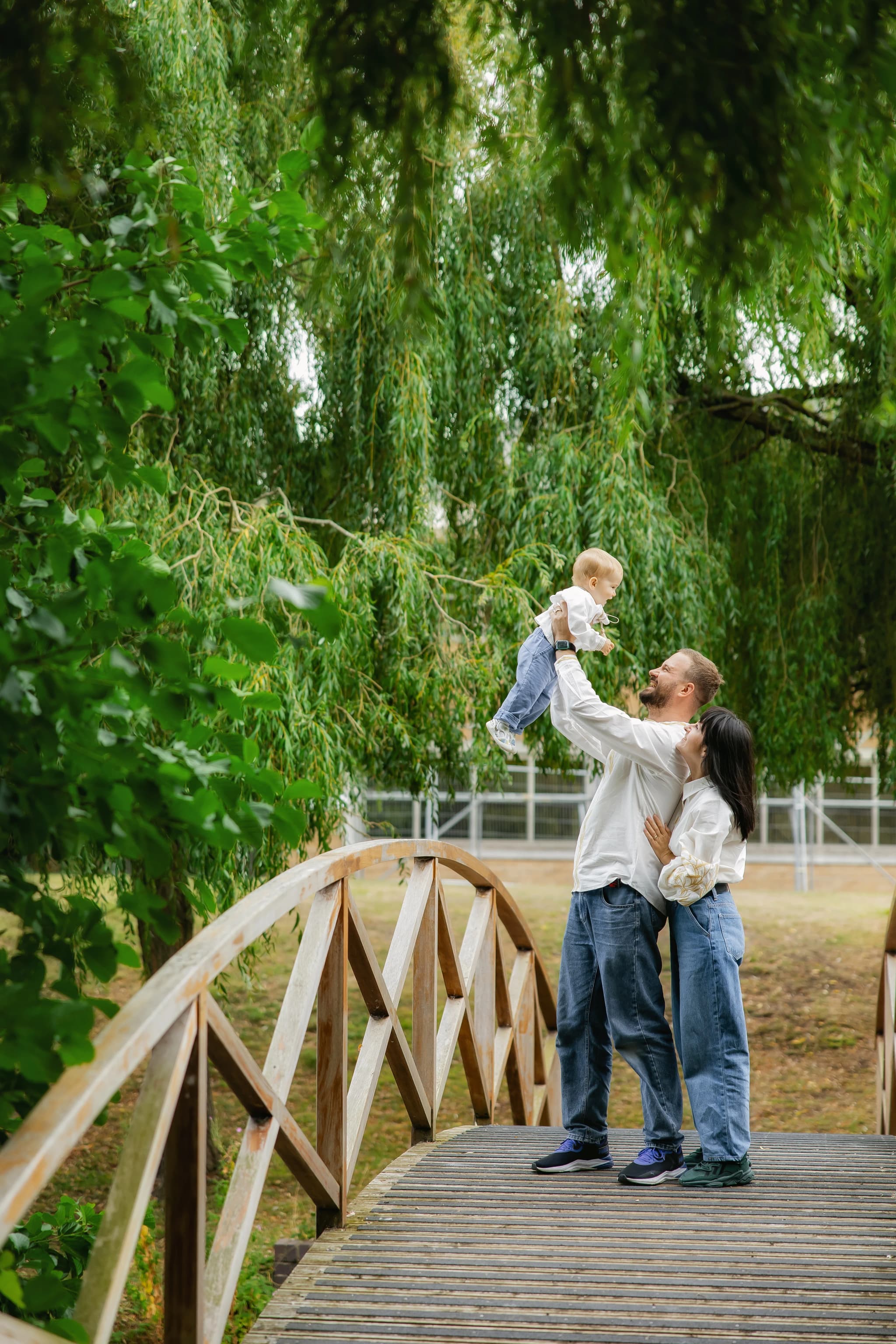
- ◆Warm cream and ivory: the single best choice for lavender: Warm cream and ivory are the most extraordinarily effective clothing choices for lavender field family portraits — they create clean, luminous contrast against the warm purple backdrop, they catch and reflect the golden afternoon light beautifully, and they photograph with a warmth and richness in lavender field light that is genuinely extraordinary. If you choose nothing else from this guide, wear warm cream or ivory in your lavender field session.
- ◆Natural straw, warm linen, and sandy tones: Natural straw, warm linen, and sandy tones share the warm-neutral quality of cream and ivory while adding variety and texture within the coordination palette. They photograph beautifully against warm purple in the golden afternoon light and create a natural, organic quality that suits the outdoor lavender setting.
- ◆Warm white — slightly off-white rather than brilliant white: Pure brilliant white can create exposure challenges in intense summer light and can read as harsh against the warm, saturated purple of lavender. A very slightly warm white — not pure brilliant white — catches lavender light with luminous warmth rather than harsh brightness and separates cleanly from the purple backdrop without competing with it.
- ◆Soft warm sage, dusty eucalyptus: Soft, muted warm sage tones offer an alternative to the warm cream and ivory palette — sitting on the cooler-green side of warm neutral, they provide clear visual separation from the warm purple without competing, and they have a natural, organic quality that suits the lavender setting. The key is muted and dusty rather than saturated green.
- ◆Warm blush — very soft and muted: Very muted, warm dusty blush can work at the edge of the lavender palette — it shares enough warmth with the lavender but is sufficiently distinct in tone to read as complementary rather than competing. The key is considerable softness and warmth — a bright or cool pink would fight the lavender badly.
Family Coordination Strategy
- ◆Anchor the palette around warm cream and ivory: With every family member anchored in warm cream, ivory, and natural warm tones, the entire family reads as visually cohesive and luminous against the lavender backdrop. This is the clearest, most photogenically reliable approach to lavender field family coordination.
- ◆Introduce texture and variety within the warm neutral range: Within the warm cream and ivory palette, variety comes through texture and fabric — a linen shirt versus a cotton dress, a soft knit versus a light cotton blouse — rather than through colour variation. This approach creates visual interest through texture and silhouette while maintaining palette cohesion against the intense lavender backdrop.
- ◆Consider the overall palette proportions: In a lavender field, the purple of the flowers will dominate the mid and background of most images. Clothing colours should be chosen so that the family group reads as a unified warm-neutral foreground against the extraordinary lavender backdrop — the flowers are the setting jewel, the family is the human warmth in the foreground.
Timing Your Session
- ◆UK lavender season: late June to early August: UK lavender typically begins flowering in late June, peaks through mid-July to late July, and is largely over by mid-August — though this varies considerably by variety, location, and the warmth of the specific season. Anglia Lavender in Norfolk, Hitchin Lavender in Hertfordshire, and various Cambridgeshire and Essex lavender farms have become popular portrait session locations. Book early — lavender sessions are highly sought after.
- ◆Late afternoon golden hour is the ideal session time: The most beautiful lavender field portraits are made in the warm golden light of the last two hours before sunset — approximately 6pm to 8pm in July. The golden warmth of this light transforms the lavender purple into a rich, glowing backdrop and creates the luminous golden quality in cream and ivory clothing that makes lavender field family portraits so distinctive.
- ◆The harvest window is short — plan and book ahead: UK lavender farms often harvest their crop in late July or early August, after which the distinctive carpet of flowering purple is gone until the following season. If you want lavender field family portraits, book as early as possible in the season and have a backup date in case of weather.
Practical Tips
- ◆Bees are present — and that's completely normal: Lavender in full bloom is extraordinarily attractive to bees. Lavender farm sessions will have bees present throughout — this is entirely normal, the bee activity is a sign of the lavender's quality and health, and bees working lavender flowers are not aggressive. Briefing children beforehand that the bees are busy with the flowers and are not interested in people is sensible practical preparation.
- ◆Lavender rows are narrow — navigating with young children: The rows between lavender plants can be narrow, fragrant-oiled, and somewhat sticky with lavender resin on stems. Loose, flowing clothing is more practical for moving through lavender rows than close-fitting clothing that catches on stems. Clean, practical footwear suited to the field terrain is important.
- ◆The heat in a lavender field in full summer sun: July lavender field sessions in full afternoon sun can be significantly warmer than expected — the reflective qualities of a large lavender field in high summer amplify heat. Ensure everyone is appropriately hydrated and that younger children have sun protection.
What to Avoid
- ◆Purple, violet, and lavender tones in clothing: Wearing purple, violet, or lavender clothing in a lavender field causes family members to visually merge with the flowers — they become part of the lavender rather than standing clearly as subjects against it. Even muted purple tones risk this visual merging. Avoid any purple, violet, or lavender tones in the family's clothing palette entirely when shooting in a lavender field.
- ◆Cool blue and blue-violet tones: Cool blues and blue-violet tones, while distinct from the warmer lavender purple, create a cold visual quality that photographs poorly against the warm purple and golden light of a lavender session. The entire lavender field portrait palette should maintain warm tones for visual coherence and photographic harmony with the setting.
- ◆Bright, saturated colours that fight the lavender: Highly saturated colours — bright reds, vivid oranges, strong yellows, neon tones — create visual competition with the intense lavender backdrop rather than harmonising with it. The lavender field is the visual star of these portraits; clothing choices should provide elegant warm contrast, not visual competition.
- ◆Brilliant white in intense summer light: Pure brilliant white clothing can create harsh contrast and exposure challenges in the intense summer afternoon light typical of lavender field sessions. A warm off-white or cream is a significantly better choice — it is warm, luminous, and photogenically beautiful in lavender light where pure brilliant white can appear stark.
Lavender field family portraits in East Anglia
Lavender field family portrait sessions across Norfolk, Cambridgeshire, Hertfordshire, and Essex — available during the UK lavender season each July. To discuss a lavender field family session, get in touch.

Yana Skakun
Photographer · England
Professional wedding, family and portrait photographer based in England. Passionate about capturing authentic emotions and timeless moments.
About Yana →what to wear lavender field family portraitslavender farm family session outfits UKwhat to wear lavender field photos East Anglialavender field family photography clothing guideorchard lavender family portrait outfit ideas
Family Tips — Family Photography in Cambridge & England
Yana Skakun offers natural, relaxed family photography sessions across Cambridge, Cambridgeshire, and the wider East of England. Sessions take place outdoors — in parks, woodland, and countryside — or at your family home, wherever everyone feels most at ease. This guide — What to Wear for a Lavender Field Family Session — is part of the photography journal: practical, experience-based advice drawn from real sessions across England. Whether you arrived searching for what to wear lavender field family portraits or lavender farm family session outfits uk, the same care and attention shapes every session Yana photographs.
Family Photography sessions are available year-round, with bookings open across Cambridge, Ely, Huntingdon, Peterborough, and further afield — East England, London, the Midlands, and beyond. If you have specific questions about what to wear lavender field photos east anglia, mention it in your enquiry. Get in touch through the contact form above to check availability and discuss your session. Enquiries are welcomed from anywhere in the UK.
Continue Reading
Related Articles

Family Tips
Blended Family Photography: A Sensitive Guide to Step-Families, Co-Parenting & Group Portraits
11 min read · Read Article
Family Tips
Baby Milestone Photography: Capturing Every Stage of the First Year
10 min read · Read Article
Family Tips
Maternity Photography in England: When to Book, What to Wear & Where to Shoot
11 min read · Read Article
Get in Touch
Ready to Book Your Session?
Get in touch to discuss your vision — I'll reply within 24 hours.