Yana Skakun
What to Wear for Nursery Photos
By Yana Skakun·9 June 2027·8 min read
Nursery and pre-school portrait sessions are among the most anticipated photographs in a young child's early years — the images that mark each stage of those rapid early years of growth and personality. Getting the clothing right for nursery photos matters enormously: the right choices produce timeless portraits that you will treasure for decades, while common mistakes can result in images that feel dated, cluttered, or mismatched within just a few years.
This guide covers everything parents need to know about choosing clothing for nursery and pre-school portrait days — from colour choices and fabric considerations to practical tips for managing a young child's wardrobe on the day itself.
📋 In this guide:
Colour Choices for Nursery Portraits
Colour is the single most important clothing decision for nursery portrait photography. The right colour lifts a child's complexion, adds warmth and depth to the portrait, and ensures the image remains beautiful for decades. The wrong choice can result in a photograph that looks washed out, dated, or visually cluttered.
- ◆Rich, warm mid-tones produce the most beautiful results: Deep teal, warm burgundy, rich navy, forest green, and warm terracotta are among the most reliably beautiful colours for young children's portrait photography. These tones bring warmth to the skin, create visual depth in the portrait, and age beautifully — the images look as lovely in twenty years as they do today.
- ◆Soft neutrals work well for a gentle, timeless quality: Warm cream, soft stone, dusty rose, and pale sage tones produce portraits with a quieter, softer quality — particularly beautiful for younger toddlers and children where the gentle palette complements the freshness and openness of early childhood.
- ◆Avoid very bright primary colours: Bright primary colours — the intense reds, yellows, and cobalt blues of toy-coloured clothing — dominate a portrait in ways that quickly feel dated. They can also create harsh colouring effects on the skin in close-up portrait photography.
- ◆White and very pale tones need careful consideration: White and very pale tones can flatten the portrait and create exposure challenges, particularly where the portrait background is also light. A soft warm white or cream is more forgiving than brilliant white.
Styles and Cuts That Work Well
- ◆Simple, well-fitted clothing with minimal decoration: Clean, simply cut clothing photographs far better than heavily decorated or embellished pieces. A well-fitted plain top or simple dress in a beautiful colour will produce a better portrait than a more complex garment in the same shade.
- ◆Classic styles that won't date rapidly: Classic cuts — a simple collarless top, a well-fitted round-neck sweater, a clean-line dress — produce portraits that remain timeless. Fashion-forward or very trend-specific cuts can date a portrait noticeably within a few years.
- ◆Collar styles that frame the face well: A simple round-neck or small collar sits naturally in portrait photography and frames the face cleanly. Very wide or heavily designed collars can distract from the portrait's focus on the child's face and expression.
- ◆Comfort is non-negotiable for natural expressions: A child who is uncomfortable in their clothing — scratchy fabrics, tight necklines, unfamiliar formal wear — will show that discomfort in their expression and posture. Choosing clothing that a child is genuinely happy to wear produces far more natural and warm portraits.
Fabric Considerations
- ◆Natural and natural-blend fabrics photograph beautifully: Cotton, fine knit, and cotton-blend fabrics photograph with a natural texture and softness that works particularly well in children's portrait photography. The warmth and quality of natural fabrics is visible in the image.
- ◆Avoid very shiny or synthetic fabrics: Very shiny synthetic fabrics — nylon, polyester, satin finishes — can pick up light harshly in portrait photography and create visual inconsistency across the image. They also tend to feel less comfortable for young children than natural fabrics.
- ◆Fine knit and jersey fabrics are both comfortable and photogenic: Fine-knit fabrics and quality jersey are among the most reliably photogenic choices for young children's portraits — comfortable enough for natural movement and expression, with a warmth and visual quality that works well in closely cropped portrait photography.
Age-Specific Guidance
- ◆Two-year-olds — soft, comfortable, familiar clothing: For the youngest nursery-age children, familiar, comfortable clothing that doesn't cause any sensory discomfort is the priority above all else. A child who is happy and at ease in their clothing will produce more natural and joyful portraits than a child dressed in their very best but uncomfortable formal wear.
- ◆Three and four-year-olds — beginning to have preferences: Children of this age are beginning to have strong clothing preferences of their own. Including them in the choice — within sensible parameters of colour and style — often results in a more settled and natural child on portrait day. A child confident in what they are wearing shows it in the photography.
- ◆Five-year-olds and school starters — the transition portrait: The nursery portrait at the year of school entry is one of the most significant in the early years archive — the last portraits before the uniform years begin. These are worth planning particularly carefully, choosing clothing with genuine warmth and individual character that captures this transitional moment well.
Practical Tips for the Day
- ◆Send portrait clothing separately from nursery clothing: For sessions at nursery, send the portrait clothing as a labelled change of clothes rather than dressing your child in it for the morning journey. This avoids breakfast, paint, or outdoor play reaching the portrait clothing before the session.
- ◆Keep the portrait outfit simple enough to manage quickly: A nursery session portrait outfit that a child can change into quickly and independently — or with minimal nursery staff assistance — is more practical than formal wear that requires significant help to put on correctly.
- ◆Consider hair styling that is natural and manageable: Very formal hair styling — particularly styles that require product or time to maintain — can look out of place against otherwise natural children's portrait photography. A simply groomed, natural style almost always produces better results.
- ◆Check portrait day dates carefully against the session schedule: Some nurseries have portrait days at specific points in the year with very limited notification. Keeping portrait clothing ready in the child's bag on or around known portrait dates avoids the frustration of missing the opportunity.
What to Avoid
- ◆Heavily branded or character-themed clothing: Clothing featuring large character prints, brand logos, or cartoon imagery dominates the portrait and can date the image very rapidly. A portrait focused on your child's face and expression rather than their clothing will be more treasured in the long term.
- ◆Very formal or special occasion clothing that fits uncomfortably: Formal occasion wear — smart dresses, Christmas-style outfits, formal shirts — often fits less naturally than everyday clothing and can make a young child visibly uncomfortable. Portraits taken in formal wear that a child isn't usually comfortable in often show that constraint in the expression.
- ◆Clothing with large text or slogans: Large text across clothing is visually distracting in portrait photography and can look dated very rapidly. Keeping clothing plain or with minimal, subtle detail produces portraits that focus on the child rather than their outfit.
- ◆Very pale or white tops against light portrait backgrounds: Where nursery portrait photography uses a light or plain background, very pale or white tops can blend into the background in ways that reduce the visual definition and impact of the portrait.
Children's portrait photography in Cambridgeshire
For dedicated children's and family portrait sessions — beyond the nursery portrait day — I offer individual and family sessions across Cambridgeshire that capture the genuine character and warmth of early childhood. To discuss a session, get in touch.
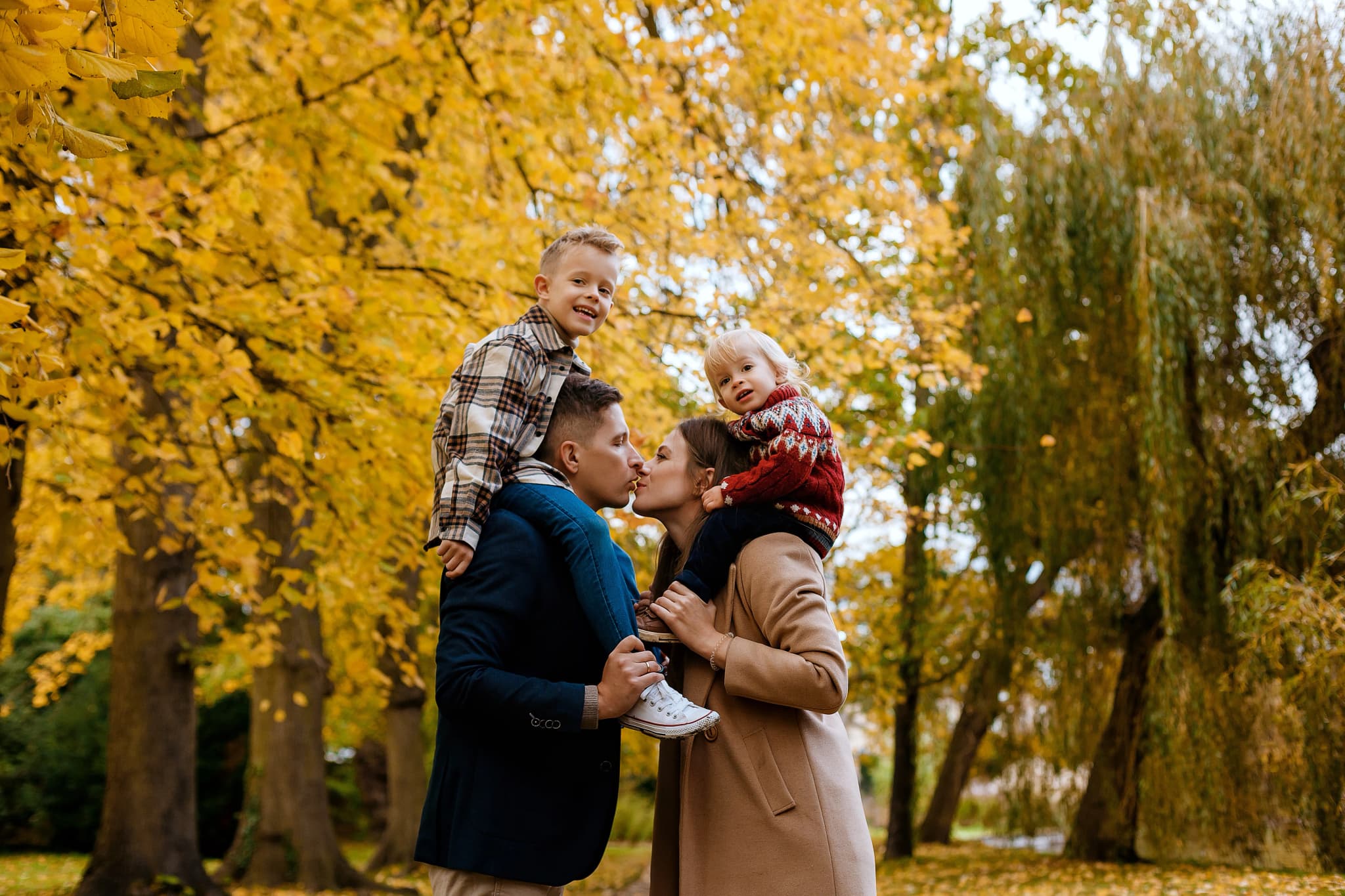
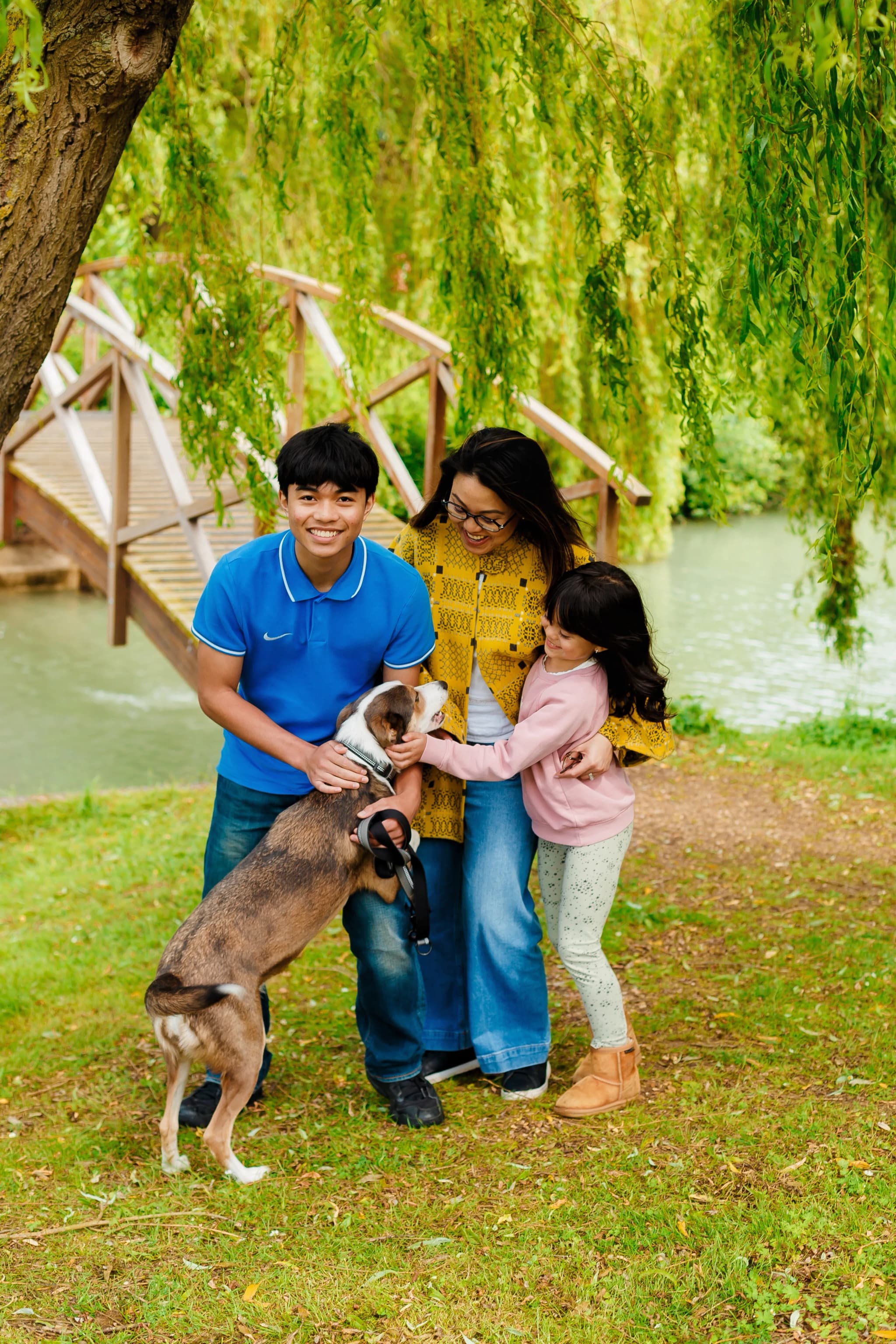

Yana Skakun
Photographer · England
Professional wedding, family and portrait photographer based in England. Passionate about capturing authentic emotions and timeless moments.
About Yana →nursery photos what to wearpre-school portrait clothing guide UKnursery photo day outfit tipswhat to dress child in for school photonursery portrait photography Cambridgeshire
Family Tips — Family Photography in Cambridge & England
Yana Skakun offers natural, relaxed family photography sessions across Cambridge, Cambridgeshire, and the wider East of England. Sessions take place outdoors — in parks, woodland, and countryside — or at your family home, wherever everyone feels most at ease. This guide — What to Wear for Nursery Photos — is part of the photography journal: practical, experience-based advice drawn from real sessions across England. Whether you arrived searching for nursery photos what to wear or pre-school portrait clothing guide uk, the same care and attention shapes every session Yana photographs.
Family Photography sessions are available year-round, with bookings open across Cambridge, Ely, Huntingdon, Peterborough, and further afield — East England, London, the Midlands, and beyond. If you have specific questions about nursery photo day outfit tips, mention it in your enquiry. Get in touch through the contact form above to check availability and discuss your session. Enquiries are welcomed from anywhere in the UK.
Continue Reading
Related Articles

Family Tips
Blended Family Photography: A Sensitive Guide to Step-Families, Co-Parenting & Group Portraits
11 min read · Read Article
Family Tips
Baby Milestone Photography: Capturing Every Stage of the First Year
10 min read · Read Article
Family Tips
Maternity Photography in England: When to Book, What to Wear & Where to Shoot
11 min read · Read Article
Get in Touch
Ready to Book Your Session?
Get in touch to discuss your vision — I'll reply within 24 hours.