Yana Skakun
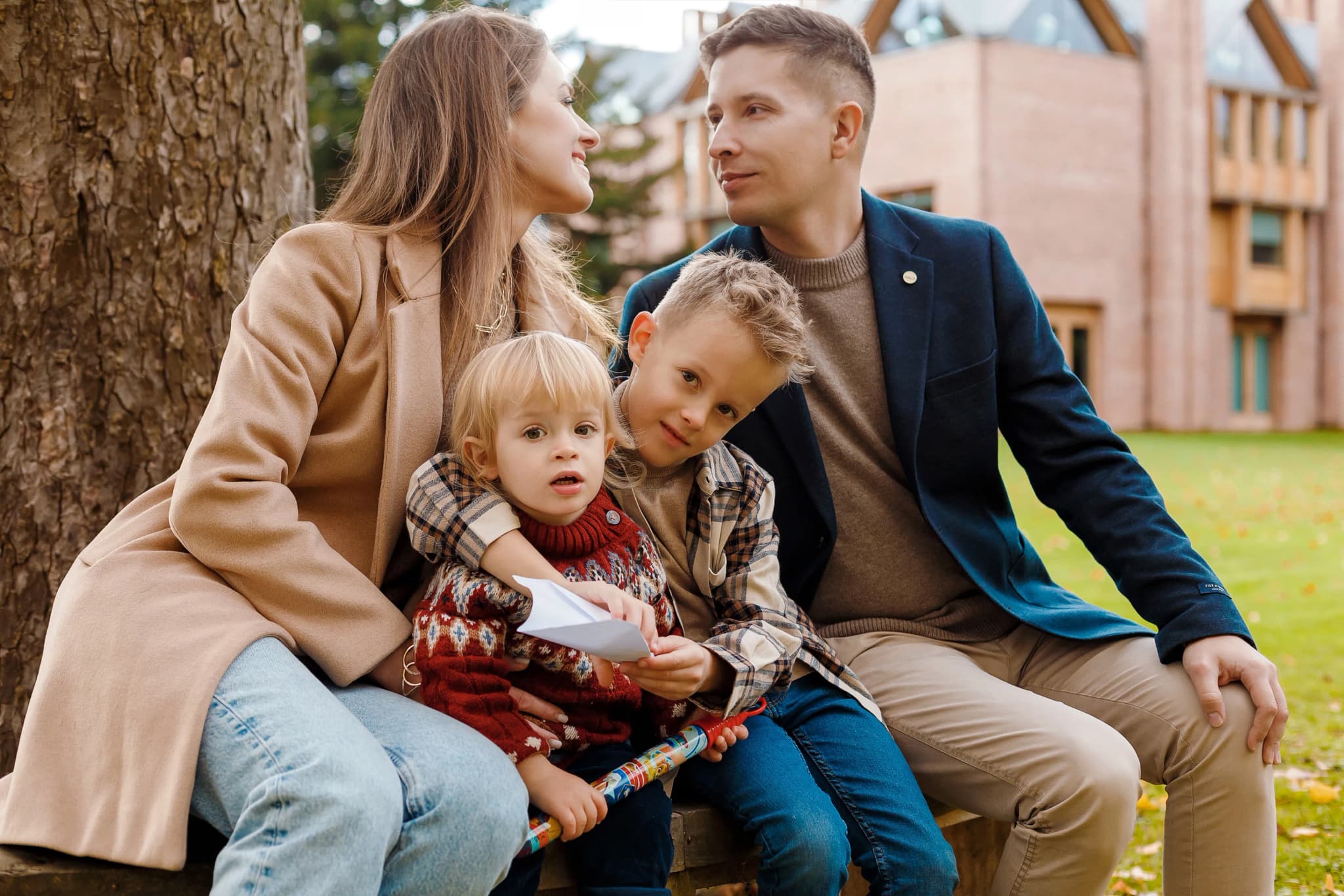
What to Wear for Nursery & Preschool Photos
By Yana Skakun·25 February 2027·9 min read
Nursery and preschool portrait sessions are among the most challenging photography contexts for parents — the photographer rarely has the option to reshoot, the child has strong opinions and limited co-operation, and the photographs will be treasured for decades. Getting the clothing right before the session day is the single biggest contribution a parent can make to a successful result.
This guide covers what to dress your child in for nursery and preschool portrait photography — both for formal school photographer sessions and for dedicated portrait session bookings.
📋 In this guide:
The Nursery Photography Challenge
Children aged two to five present specific photography challenges. They have clear preferences about clothing comfort, genuine and unpredictable responses to being photographed, and a capacity to transform a carefully chosen outfit in minutes.
The most effective approach is to choose clothing that your child can genuinely wear comfortably — not a special outfit reserved only for this moment that they find itchy, tight, or unfamiliar. A child who is comfortable in their clothing will produce more natural, happy expressions than one wearing something beautiful but uncomfortable.
The most important principle
Dress your child in their best version of comfortable — not their most formally uncomfortable outfit. A child who looks relaxed and happy in a well-chosen casual-smart outfit will always photograph better than a child who is miserable in stiff formal clothing.
Colours That Photograph Well for Young Children
- ◆Rich, warm mid-tones: Berry, warm red, teal, deep coral, forest green — these colours are vivid and flattering on young children. They photograph with visual richness that reads as intentional and joyful.
- ◆Classic navy and royal blue: Among the most universally flattering choices for all skin tones. A navy top or dress with simple white detail is a portrait photography staple for good reason — it photographs crisply and cleanly.
- ◆Warm pastels: Soft blush, powder blue, warm peach, and soft sage work beautifully for young children. They complement the natural warmth and freshness of young skin particularly well.
- ◆Warm white and cream: Simple and clean — a white top or cream dress is a classic portrait choice. Avoid pure cold bright white under harsh lighting; warm white or ivory typically produces softer, more flattering skin tones.
- ◆Bright and joyful: Young children can carry slightly brighter colours more naturally than adults. A bright cobalt, vivid coral, or cheerful yellow on a two-year-old reads as joyful personality rather than visual noise.
Fabrics and Comfort
Fabric comfort is the primary variable in whether a young child cooperates happily with portrait photography. A child experiencing sensory discomfort from scratchy fabric, tight waistbands, or unfamiliar materials will communicate that discomfort in every photograph.
- ◆Soft cotton: The most reliable choice for young children — breathable, comfortable, well-tolerated by children with sensory sensitivities, and available in a huge range of photogenic colours and styles. Cotton jersey, cotton weave, and cotton poplin all photograph well.
- ◆Jersey and stretch fabrics: Allow easy movement and are forgiving of the physical activity typical of young children during portrait sessions. A jersey dress or stretch-cotton polo shirt is a practical and photogenic choice.
- ◆Delicate or structured formal fabrics: Stiff taffeta, scratchy lace, heavy embroidered fabrics — these may look beautiful but are often genuinely uncomfortable for young children. If you choose a formal dress or outfit for a young child, ensure they have worn it before and are genuinely comfortable in it.
- ◆Natural over synthetic: Synthetic fabrics trap heat and can create static and discomfort issues. Natural fabrics — cotton, linen, jersey — are a more comfortable and photographically superior choice.
For Girls: What Works
- ◆A simple, well-fitted dress in a photogenic colour: The most reliable choice. A plain or softly patterned dress in a flattering colour — navy, berry, blush, sage — with a clean neckline and comfortable bodice. Avoid very voluminous skirts that swallow small figures; a gently full skirt or A-line silhouette is more flattering in portrait framing.
- ◆Blouse and skirt or leggings combination: A well-fitted blouse in a photogenic colour with simple skirt or leggings is a flexible and practical option. Ensure the blouse is tucked or sits neatly — untucked tops with visible movement look less intentional in portrait crops.
- ◆Simple hair accessories: A clean small bow, hairband, or neat clip can add a visual finish to a simple outfit. Avoid large, elaborate hair accessories that compete with the child's face or that may move and be dishevelled mid-session.
- ◆Comfortable shoes or bare feet: For studio portraits: neat patent or leather shoes in a colour that works with the outfit. For outdoor sessions: practical shoes for movement, or bare feet on grass if conditions allow. Avoid uncomfortable smart shoes that restrict movement or cause tears.
For Boys: What Works
- ◆A well-fitted polo shirt or collared shirt: A polo shirt in a photogenic solid colour — navy, teal, deep red, forest green — is a nursery portrait classic. It reads as intentional and photogenic without being uncomfortably formal. A soft collared shirt (not stiff formal Oxford) is a slightly more formal option that works well for portrait sessions.
- ◆Chinos or well-fitted smart trousers: Clean, well-fitting chinos or smart cotton trousers in a neutral tone — navy, grey, tan, stone — complement a coloured top well. Avoid very pale beige that shows every mark (practical issue for a morning with a young child), but mid-tones are reliable.
- ◆Avoid a full suit on a very young child: A miniature suit on a three-year-old can read as adorable but is often genuinely uncomfortable and restricts the natural movement that produces the best expressions. If a slightly formal look is desired, a collared shirt with smart trousers achieves the register with more comfort.
- ◆Clean, neat footwear: For studio portraits: clean smart shoes (leather or canvas) in a colour that works with the outfit. For outdoor sessions: practical clean trainers or shoes. Ensure footwear is free from mud or play-related marks before the session.
Hair and Grooming for Portrait Day
- ◆Hair freshly washed and styled: Clean, freshly washed hair photographs with a lightness and health that session-day unwashed hair doesn't. Wash hair the evening before or morning of portrait day. Style it as close to the portrait session as possible to avoid play-related dishevelment.
- ◆Simple hairstyles hold better: Elaborate updos and complex styles on young children tend to collapse before the session is complete. A simple neat style — a pair of pigtails, a clean ponytail, hair down with a tidy clip — is more reliable than a complex arrangement that requires perfect conditions.
- ◆Boys: a fresh haircut: If your son needs a haircut, book it one to two weeks before portrait day — not the day before. A very fresh cut can look slightly raw; a week's growth after a trim produces the best portrait results.
- ◆Avoid elaborate accessories that fall out: Hair accessories that require frequent repositioning are a constant distraction during portrait sessions. Test any accessories the day before to confirm they stay in place with normal movement.
What to Avoid
- ◆Logos and character clothing: T-shirts with large logos, cartoon characters, or branded designs create visual noise and dating issues in portraits. A plain-coloured top in a good photogenic tone will look better for longer.
- ◆Very fine stripes and tight patterns: Small-scale patterns can create an unpleasant moiré effect in portrait photography — a visual buzzing in the fabric that cannot be corrected in post. Plain colours and large-scale simple prints are safer.
- ◆Clothing the child dislikes: Portrait day is not the occasion to force a child into clothing they have previously refused to wear. If there is a strong preference against a particular item, respect it — negotiating the clothing before the session produces better facial expressions than winning the fight.
- ◆New shoes that haven't been worn in: New shoes are stiff and uncomfortable. A child in genuinely uncomfortable footwear will fixate on discomfort rather than engaging with the photographer. Wear new shoes several times before portrait day.
- ◆An outfit change immediately before the session: Dressing a young child in portrait clothing while trying to keep it pristine for ninety minutes before the session is a recipe for stress. Bring the portrait outfit separately and change your child as close to the photography start time as practically possible.
Practical Morning-Of Tips
- ◆Feed your child before getting dressed: Breakfast after changing into portrait clothing is an unnecessary risk. Feed first, change close to the session time.
- ◆Bring a spare outfit: For children under five especially: bring a spare complete outfit. An incident on the way to the session is recoverable with a spare. Without a spare, it may not be.
- ◆Arrive with time to settle: Young children need time to adjust to a new environment and photographer before they can produce their best expressions. An arrival ten to fifteen minutes before the session starts, with time to explore and become comfortable, produces significantly better results.
- ◆Bring their favourite toy or comfort item: A familiar object can make a session environment feel safe enough to smile. It can also be used as a direction tool to produce natural expressions — 'show Henry your rabbit' is a genuine portrait technique.
Children's portrait photography in Cambridge and Cambridgeshire
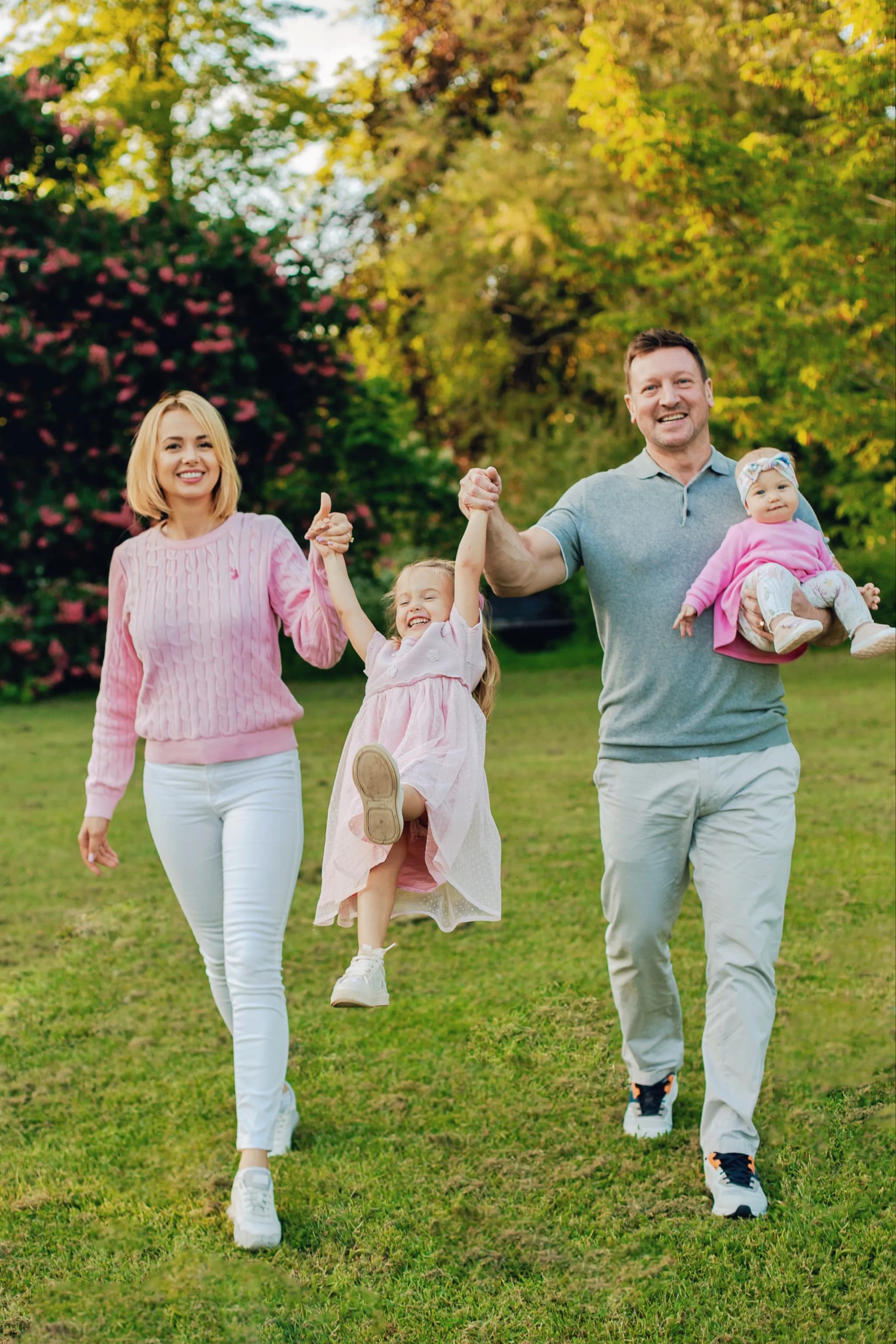
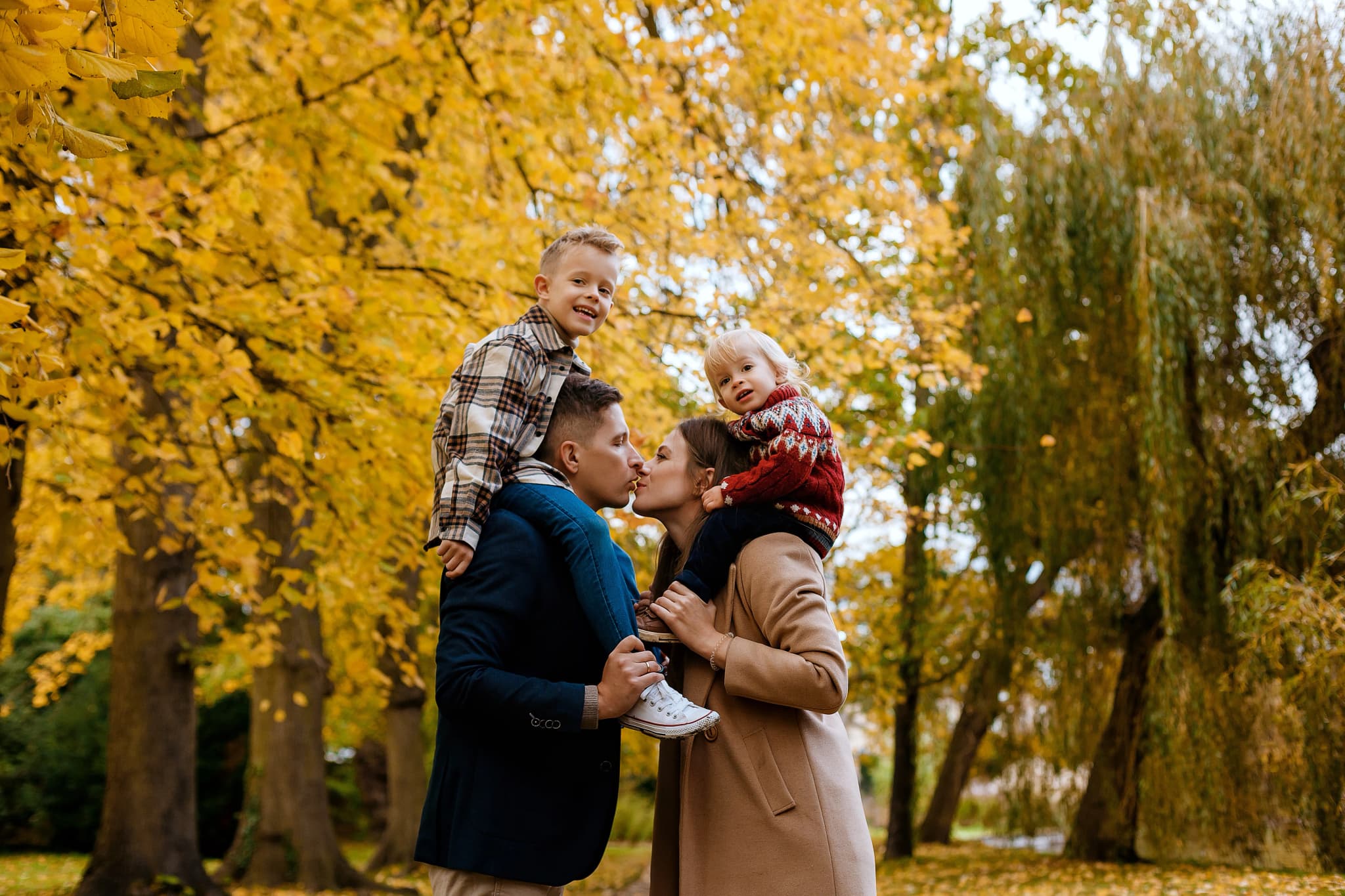
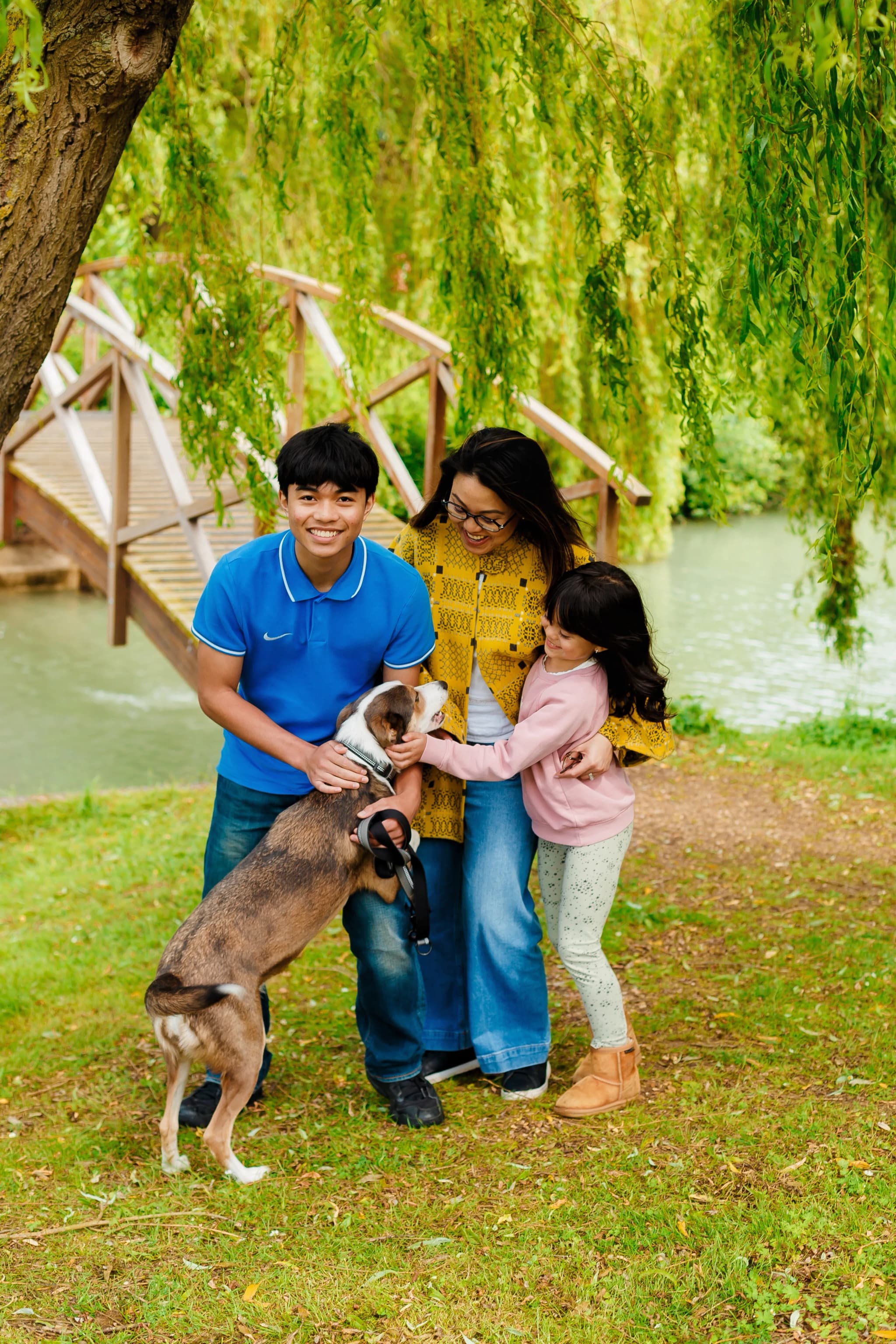
I specialise in natural, relaxed children's portrait photography — working at children's own pace to capture genuine expressions rather than posed stillness. Sessions available in studio and outdoor settings across Cambridgeshire. Please get in touch to arrange a session for your child.

Yana Skakun
Photographer · England
Professional wedding, family and portrait photographer based in England. Passionate about capturing authentic emotions and timeless moments.
About Yana →nursery photos what to wearpreschool portrait photography clothingtoddler portrait session outfit UKchildren school photo day tipsnursery photography wardrobe guide England
Family Tips — Family Photography in Cambridge & England
Yana Skakun offers natural, relaxed family photography sessions across Cambridge, Cambridgeshire, and the wider East of England. Sessions take place outdoors — in parks, woodland, and countryside — or at your family home, wherever everyone feels most at ease. This guide — What to Wear for Nursery & Preschool Photos — is part of the photography journal: practical, experience-based advice drawn from real sessions across England. Whether you arrived searching for nursery photos what to wear or preschool portrait photography clothing, the same care and attention shapes every session Yana photographs.
Family Photography sessions are available year-round, with bookings open across Cambridge, Ely, Huntingdon, Peterborough, and further afield — East England, London, the Midlands, and beyond. If you have specific questions about toddler portrait session outfit uk, mention it in your enquiry. Get in touch through the contact form above to check availability and discuss your session. Enquiries are welcomed from anywhere in the UK.
Continue Reading
Related Articles

Family Tips
Blended Family Photography: A Sensitive Guide to Step-Families, Co-Parenting & Group Portraits
11 min read · Read Article
Family Tips
Baby Milestone Photography: Capturing Every Stage of the First Year
10 min read · Read Article
Family Tips
Maternity Photography in England: When to Book, What to Wear & Where to Shoot
11 min read · Read Article
Get in Touch
Ready to Book Your Session?
Get in touch to discuss your vision — I'll reply within 24 hours.