Yana Skakun
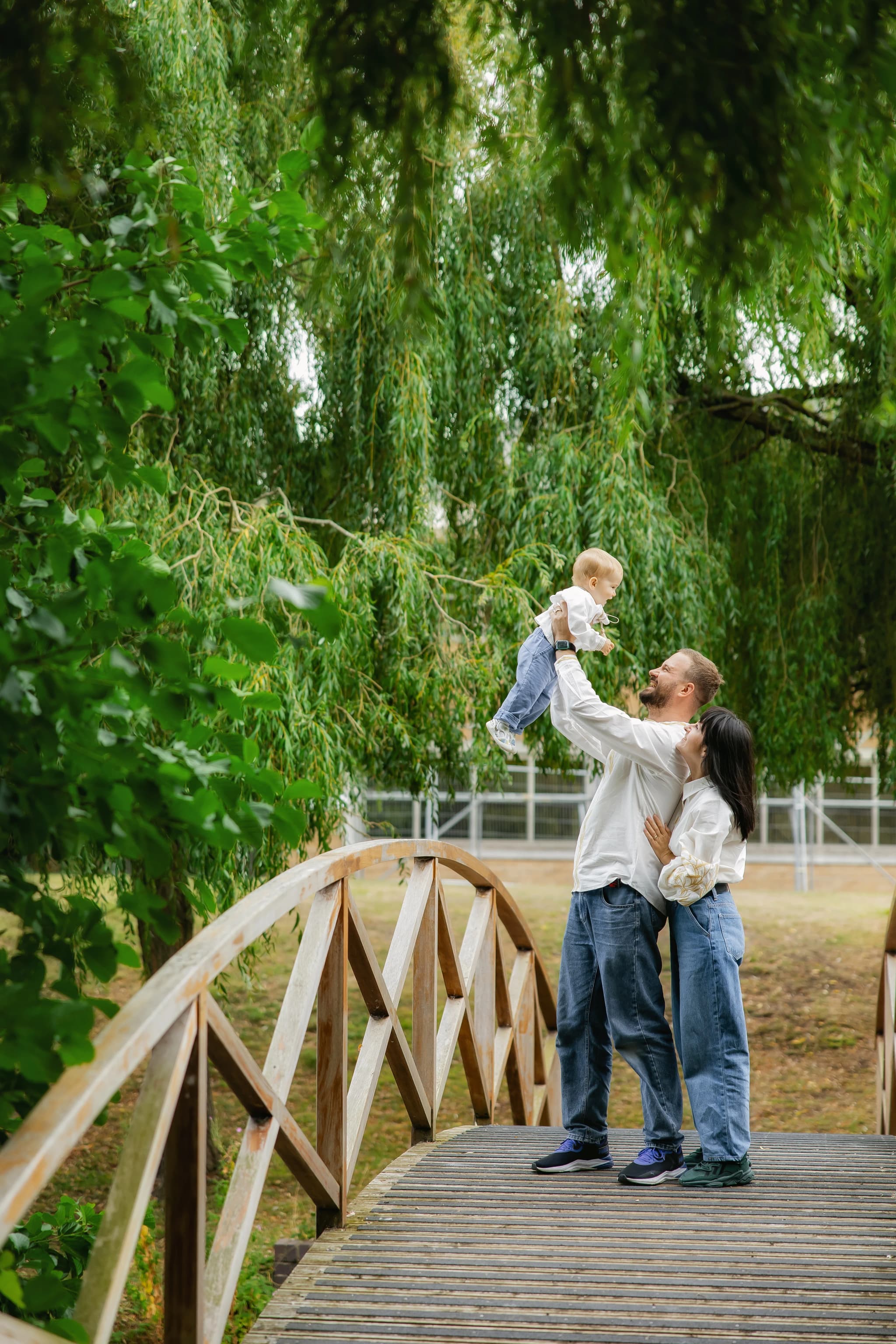
What to Wear for Pet Owner Portrait Sessions
By Yana Skakun·23 February 2027·9 min read
Portrait sessions with pets — dogs most commonly, but cats, horses, and other animals too — are among the most joyful and unpredictable photography experiences. What you wear matters more than it might seem: the right clothing needs to complement your pet (not clash with their colouring), handle animal hair and muddy paws without causing anxiety, and allow you to crouch, sit, and move freely while still looking intentional in the finished photographs.
This guide covers the specific considerations for human-and-pet portrait sessions — whether that's a dedicated outdoor pet portrait session, a family session including your dog, or equine photography with your horse.
📋 In this guide:
Complementing Your Pet's Colouring
Your pet is a co-subject in these photographs — not a backdrop. The visual relationship between your clothing colour and your pet's coat or plumage will be one of the dominant visual elements in every image. Think about this deliberately:
- ◆Golden and brown dogs (Labrador, Spaniel, Dachshund): Warm human clothing tones — rust, burnt orange, warm camel, deep burgundy, forest green — complement golden and brown coats beautifully. Avoid clothing in similar golden-brown tones that will blend your figure into your dog.
- ◆Black dogs (Labrador, German Shepherd, Spaniel): Black dogs photograph most effectively against clothing with contrast — cream, ivory, warm white, soft pastels, or rich jewel tones. Dark clothing worn with a dark dog creates a merged silhouette that loses both subjects in portraits.
- ◆White dogs (Bichon, Samoyed, West Highland Terrier): Avoid pure white or very pale cream clothing — your dog will overexpose while you underexpose. Pastel tones, soft neutrals, and deeper colours all provide appropriate contrast. Particularly effective: sage, dusty rose, soft blue.
- ◆Grey and blue-grey dogs (Weimaraner, Greyhound, Silver Lab): Warm clothing tones contrast beautifully with cool grey coats — burnt orange, terracotta, warm rose, camel. Avoid greys, blues, and cool tones that blend with the coat.
- ◆Merle or multi-coloured coats: The coat itself provides visual complexity — keep your clothing relatively simple. A single solid colour in a tone that appears in the dog's coat as a connecting thread works better than adding more pattern.
Practical Considerations for Pet Portrait Sessions
Pet portrait sessions involve a degree of physical engagement that most other portrait sessions don't. Plan for:
- ◆Crouching and sitting on the ground: The best pet portraits involve getting down to your pet's level — which means crouching, kneeling, or sitting on grass. Clothing that allows easy movement without strain or exposure is essential. Tight skirts, stiff trousers, or anything dry-clean only is inadvisable.
- ◆Animal hair: Accept that you will collect animal hair during any pet portrait session. Dark clothing on a light-haired dog, or light clothing on a dark-haired dog, will produce visible hair transfer. Plan either to accept this (it can be removed in editing) or to minimize contrast between your clothing and your pet's coat.
- ◆Muddy paws and enthusiastic greetings: Dogs in outdoor settings may have muddy paws that will contact your clothing. Wear something you are genuinely comfortable being touched by a slightly muddy animal in — both for your own comfort during the session and to avoid an anxious expression in the photographs.
- ◆Wet weather contingencies: If your session moves to damp conditions, clothing that handles moisture gracefully — linen, cotton, quality wool — will look better than synthetic fabrics that can look damp and dishevelled quickly.
- ◆Treats and toy pockets: Many pet photographers position the owner holding treats near their face to direct the animal's gaze. Practical pockets or a small bag kept nearby for treats is worth planning for.
Dog Portrait Sessions
Dog portrait sessions are typically outdoors — woodland, parkland, meadow, or urban green space. The session environment should factor into your clothing choice as well as your dog's colouring.
- ◆Woodland and forest: Rich, earthy tones photograph beautifully in this setting — forest green, rust, deep plum, warm brown. Avoid very dark colours that blend into the shadowed woodland background.
- ◆Meadow and open fields: Warm pastels and earth tones work well in open meadow settings. A pop of colour against a soft green-gold backdrop can create striking results.
- ◆Urban parks and formal gardens: More latitude for cleaner, slightly more polished clothing choices. A smart casual register works well — a quality jacket or blouse rather than full outdoor casuals.
- ◆Seasonal settings: Autumn leaf sessions particularly benefit from warm colour choices that resonate with the environmental palette — rust, amber, deep red, warm gold. Spring blossom settings suit soft pastels and lighter tones.
Equine and Horse Photography
Equine portrait sessions — owner with horse in stable yard, field, or countryside setting — have specific clothing considerations that combine the practical requirements of working around horses with the visual requirements of photography.
- ◆Riding kit or casual equestrian: A decision between photographed in riding attire (breeches, boots, hat) or in smart casual clothing appropriate to the yard. Riding kit works well for active equine photography — movement, leading, schooling. Smart casual (well-fitted jacket, chinos, quality boots) works better for posed portrait-style images.
- ◆Complement the horse's colouring: A bay with a rich mid-brown coat is complemented by deep jewel tones — forest green, navy, burgundy. A grey horse works beautifully with warm clothing tones. A chestnut or copper-coated horse looks stunning against deep greens and rich neutrals.
- ◆Practical attire: Even in a 'smart' equine portrait, footwear must be practical for a yard environment. Quality yard boots, clean jodhpur boots, or smart wellies are all appropriate — formal heels are genuinely impractical and unsafe around horses.
- ◆Hat choice: A clean, smart riding hat in traditional style photographs well as part of equestrian portraiture. A navy or black hat tends to read more formally; tweed or coloured hat styles can work beautifully against certain backdrops.
Cat Portrait Sessions
Cat portrait sessions typically take place in the home — the cat's territory rather than a location chosen for photographic convenience. This changes the calculus somewhat: clothing should work with your home's interior tones as much as your cat's colouring.
Cats cannot be directed in the way dogs often can. Sessions are more observational — catch the cat in its natural habits and comfortable environments. Opt for comfort, calm, and clothing that doesn't restrict your movement or make audible swishing sounds that might unsettle the cat. Soft, natural fabrics in quiet mid-tones work best for the inevitable floor-level photography.
Family Sessions Including Pets
When pets are included in family portrait sessions, they often become the most challenging co-ordination element. Some guidance:
- ◆Anchor the palette to the pet: Start your family colour palette from your pet's colouring and work outwards. This produces more visually harmonious group photographs than trying to fit the pet around a pre-chosen human palette.
- ◆Accept natural chaos: The best family-with-pet photographs are often the ones where the dog has leapt on someone, the cat has walked away, or the horse has put its head in the wrong place. Clothing that is relaxed enough to allow these moments without stress produces the most joyful photography.
- ◆The dog lead is in every photo: A long lead in a complementary tone to your clothing, or a colourful lead that reads as a design element, is better than a nylon lead of no visual relationship to anything else in the frame. If possible, use a leather or fabric lead in a tone that sits within the palette.
Quick Colour Reference by Pet Colour
- ◆Golden / tan coat: Wear: deep forest green, rich navy, warm rust, burgundy. Avoid: similar golden tones that blend.
- ◆Black coat: Wear: cream, ivory, soft white, warm pastels, jewel tones. Avoid: dark clothing that merges with the animal.
- ◆White / cream coat: Wear: pastels, sage, dusty rose, soft blue, deeper neutrals. Avoid: pure white (contrast loss / exposure conflict).
- ◆Grey coat: Wear: warm terracotta, burnt orange, warm rose, camel. Avoid: cool greys and blues.
- ◆Ginger / orange coat: Wear: deep teal, forest green, deep navy, cool blue. Avoid: orange and warm red tones that compete.
- ◆Brown / chocolate coat: Wear: soft blue, sage, ivory, warm dusty rose. Avoid: similar brown tones.
What to Avoid in Pet Portrait Sessions
- ◆Anything dry-clean only: Wearing dry-clean only clothing around energetic animals is a source of anxiety that will manifest in your expression and body language in photographs. Wear something you can let go of.
- ◆Strong animal-repellent fragrances: Some perfumes and sprays affect how animals behave — dogs especially may be distracted or unsettled by strong artificially scented products. Keep fragrance minimal for pet portrait sessions.
- ◆Clothing that matches the location more than the pet: If you have a black dog and wear very dark clothing in a shadowy forest setting, every element of the image will be competing to be darker than everything else. Contrast with at least one major element — your clothing, your pet, or the background — produces stronger images.
- ◆Overly formal clothing: Pet portrait sessions require movement, flexibility, and a willingness to interact physically with your animal. Overly stiff or formal clothing inhibits this and produces more reserved, less joyful portraits.
Pet portrait photography in Cambridgeshire
I photograph dogs, horses, cats, and their owners across Cambridgeshire, Suffolk, and the wider East of England — in woodland, parkland, estate grounds, and home settings. If you would like to arrange a pet portrait session or include your animals in family photography, please get in touch.

Yana Skakun
Photographer · England
Professional wedding, family and portrait photographer based in England. Passionate about capturing authentic emotions and timeless moments.
About Yana →pet owner portrait what to weardog portrait session outfit UKequine photography clothing tipspet photography wardrobe Cambridgeshirefamily pet portrait outfit guide England
Portrait Tips — Portrait Photography in Cambridge & England
Portrait sessions with Yana Skakun are unhurried and personal — designed to produce images that feel genuinely like you, not a performance. Sessions are available in Cambridge, across East England, and at locations throughout the UK. This guide — What to Wear for Pet Owner Portrait Sessions — is part of the photography journal: practical, experience-based advice drawn from real sessions across England. Whether you arrived searching for pet owner portrait what to wear or dog portrait session outfit uk, the same care and attention shapes every session Yana photographs.
Portrait Photography sessions are available year-round, with bookings open across Cambridge, Ely, Huntingdon, Peterborough, and further afield — East England, London, the Midlands, and beyond. If you have specific questions about equine photography clothing tips, mention it in your enquiry. Get in touch through the contact form above to check availability and discuss your session. Enquiries are welcomed from anywhere in the UK.
Continue Reading
Related Articles

Portrait Tips
Glasses and Glare in Photography: How to Get Great Results
6 min read · Read Article
Portrait Tips
Fake Tan Before a Photoshoot: Timing, Application, and What Can Go Wrong
6 min read · Read Article
Portrait Tips
Hair and Makeup for a Photoshoot: What Photographs Well
7 min read · Read Article
Get in Touch
Ready to Book Your Session?
Get in touch to discuss your vision — I'll reply within 24 hours.