Yana Skakun
What to Wear for a Woodland Family Session
By Yana Skakun·5 July 2027·9 min read
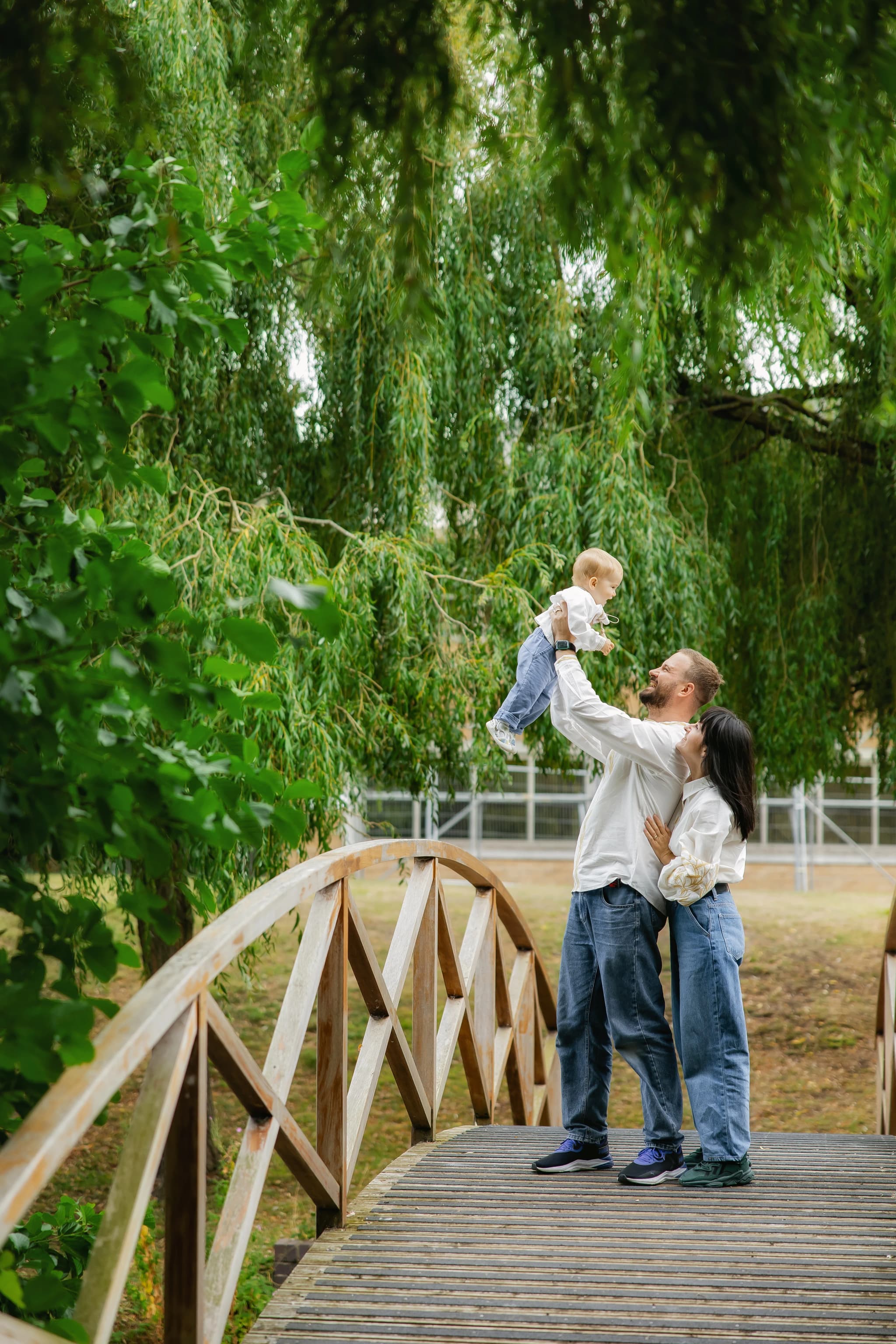
Woodland family portrait sessions produce some of the most beautiful and naturally atmospheric family photography of all — dappled light through tree canopies, the rich textures of bark and leaf, the feeling of being held within something ancient and grounded. But woodland light is complex, directional, and variable, and clothing choices interact with it in specific ways. Getting the palette and the coordination right makes the difference between portraits that feel genuinely of their setting and portraits where the clothing competes with the natural environment.
Whether you are planning a spring bluebells session, a summer canopy portrait, an autumn woodland session in rich golden and russet tones, or a winter bare-branch family portrait, this guide covers colour palettes, coordination strategies, fabric choices, and practical tips for woodland family portraits that feel authentic, beautiful, and truly of the natural environment.
📋 In this guide:
Understanding Woodland Light
Woodland light is among the most complex and beautiful in outdoor portrait photography — filtered through layers of leaf and branch, dappled in pools and shafts, constantly changing with the movement of light and leaves. Understanding what woodland light does to colour enables clothing choices that work with the environment rather than against it.
- ◆Dappled and soft — the light is diffused and patchy: Woodland diffuses strong direct sunlight into something softer, more complex, and much more flattering for portraiture. This quality of light is forgiving of many clothing colours — the softness removes the harshness that direct sun creates — but it also means that very dark colours can appear heavy and underexposed in deep woodland shade.
- ◆Green-toned — the ambient light is influenced by leaf canopy: Beneath a full leaf canopy in spring and summer, woodland light carries a strong green ambient cast from the filtered sunlight. Clothing in cool, green-adjacent tones can blend with the environment rather than standing apart. Warm tones — creams, warm neutrals, terracotta, dusty rose — provide the beautiful contrast that helps the family stand out within a green woodland palette.
- ◆Seasonal variation — woodland light changes dramatically through the year: Woodland light in spring bluebell season differs fundamentally from autumn golden-leaf light. In spring, the light is cool, fresh, and green-toned. In autumn, the light carries warmth from golden and amber leaves. Planning clothing to work with the specific seasonal light of your chosen session time produces much better results.
Colour Palettes for Woodland Sessions
- ◆Warm creams and soft ivory — luminous against woodland green: Warm cream and soft ivory tones contrast beautifully with the rich greens and deep textures of the woodland environment, providing a warm luminosity that immediately draws the eye to the family. These are among the safest and most reliably effective colour choices for woodland family sessions across every season.
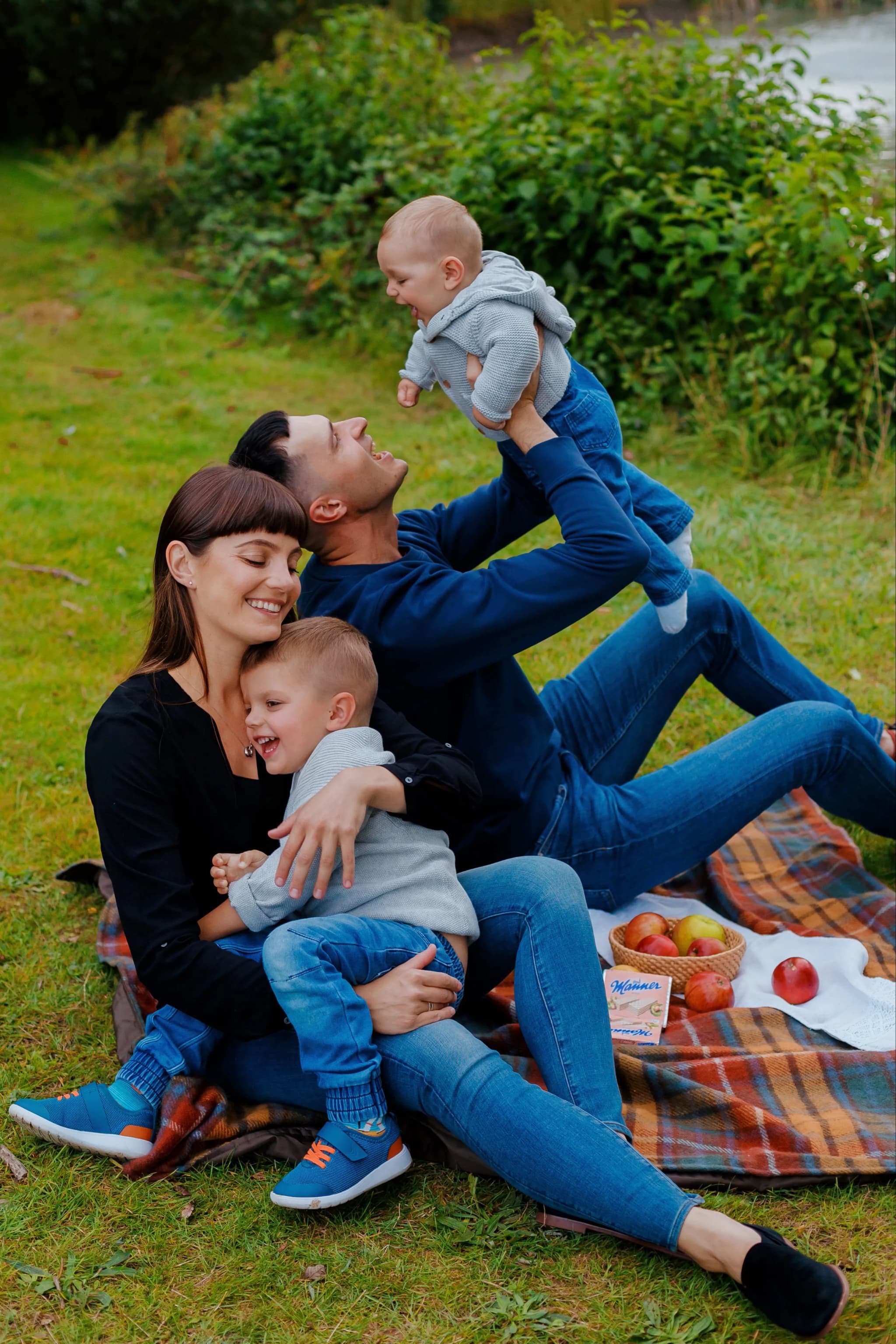
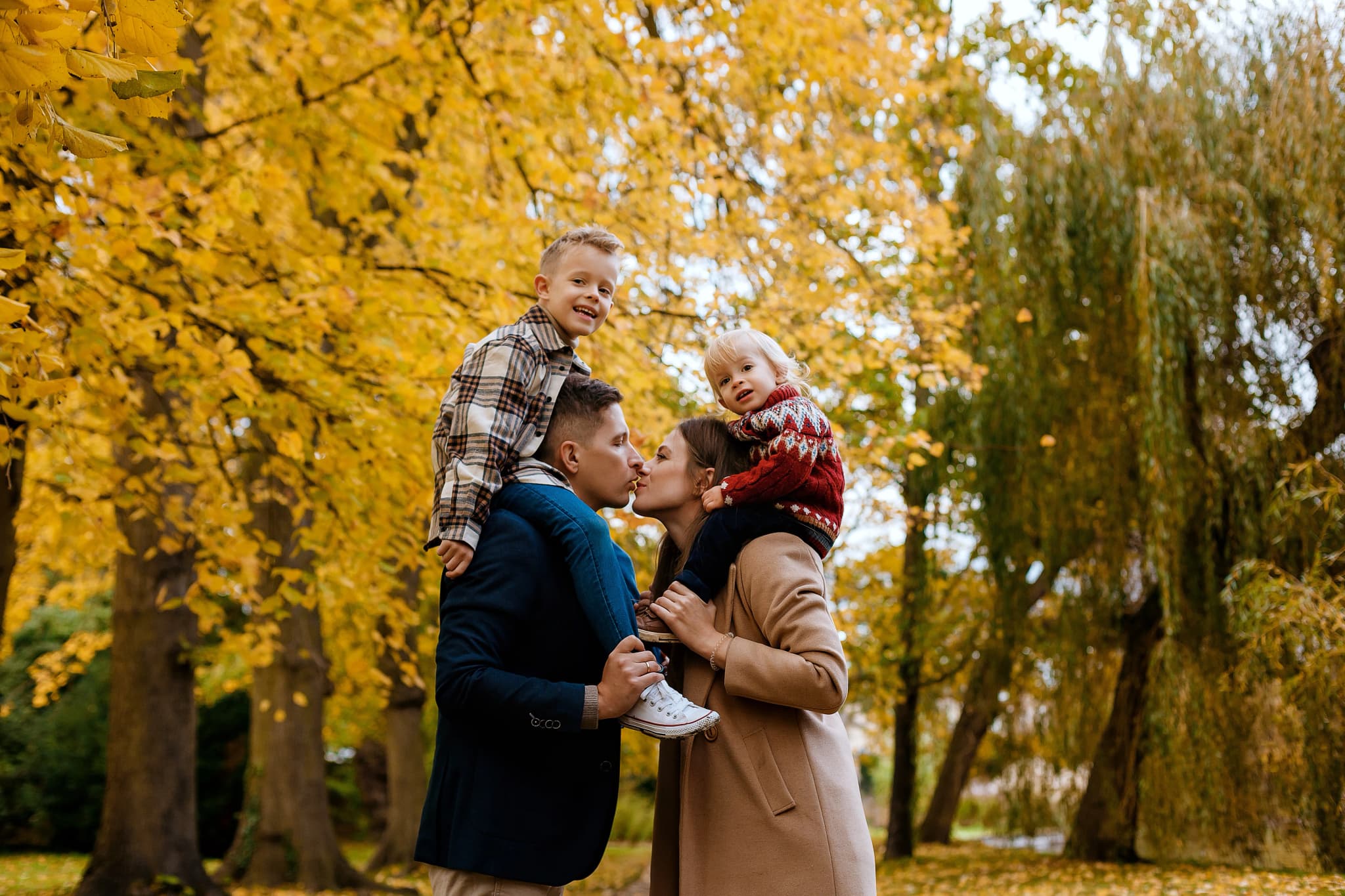
- ◆Terracotta, warm rust, and dusty burnt orange — earthy warmth in natural surroundings: Terracotta and warm rust tones harmonise deeply with the natural colour palette of woodland — bark, leaf litter, bracken, and earth — while standing apart from the green tones of the canopy with warm contrast. Particularly beautiful for autumn woodland sessions when the ambient palette also carries these warm tones.
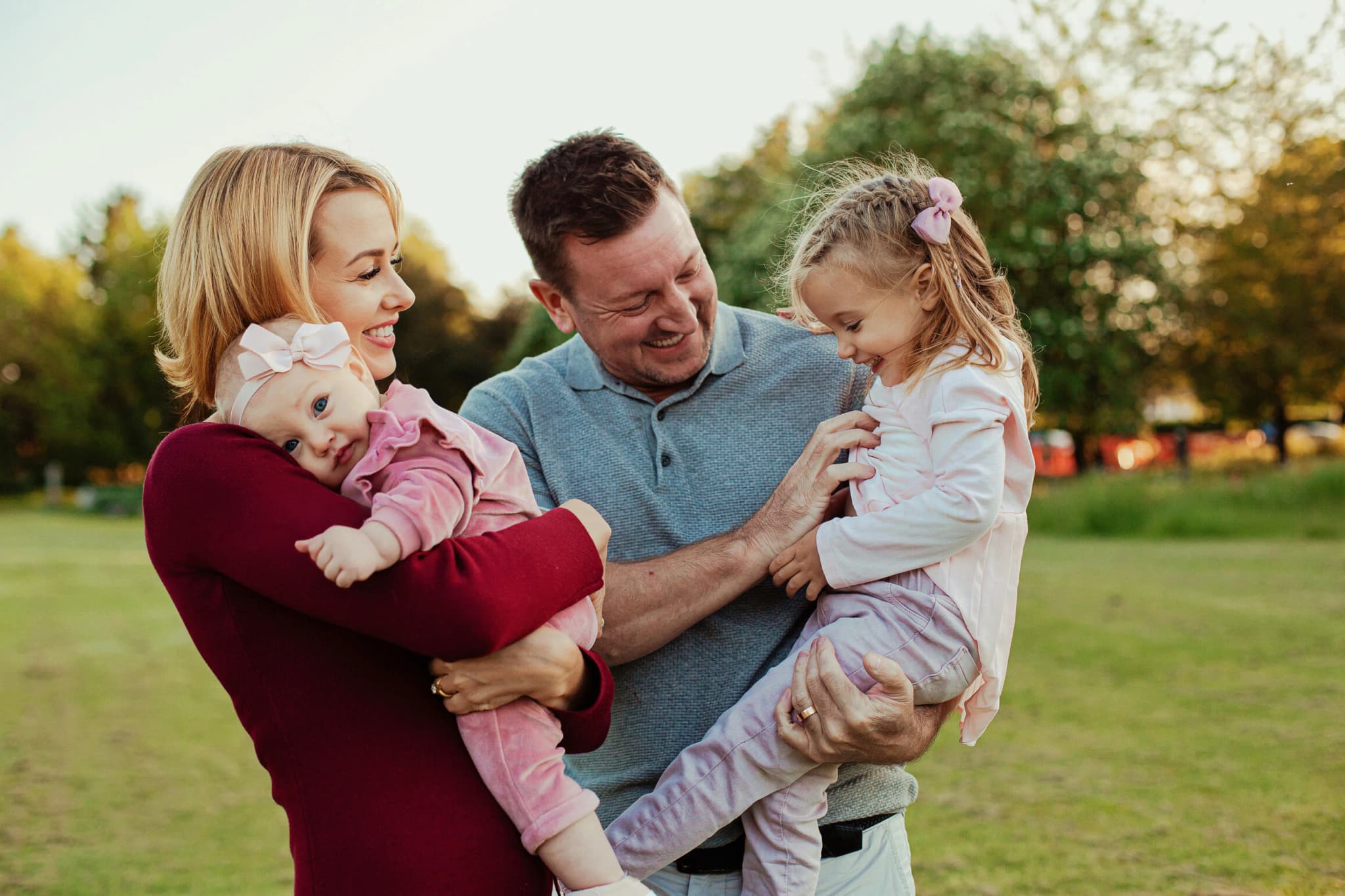
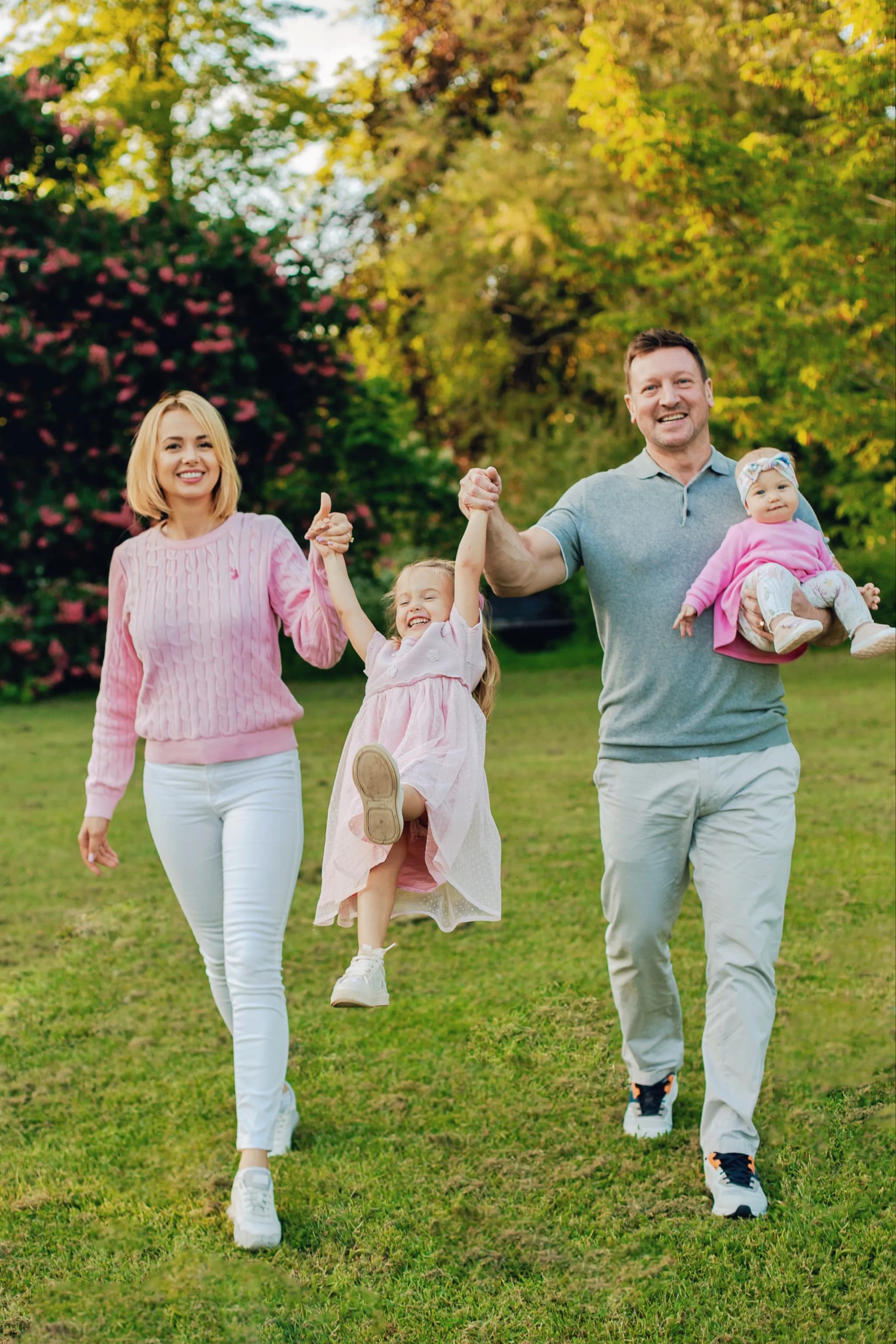
- ◆Dusty rose, muted mauve, and soft blush — delicate contrast in woodland: Muted, dusty versions of rose and soft pink provide gentle, feminine contrast within woodland environments without competing harshly with the natural palette. Particularly beautiful for spring woodland sessions where the pink tones echo blossom and woodland flowers.
- ◆Warm oat, soft sand, and muted taupe — neutral warmth that works in any woodland season: Warm neutral tones — oat, soft sand, muted taupe — work reliably across all woodland seasons, harmonising with the woody, earthy environment while remaining clearly distinct from the green canopy. These are excellent choices for coordinating larger family groups where you need a reliable palette base.
Family Coordination Tips
- ◆Start with the natural palette of your specific woodland and season: The most beautiful woodland family portraits are those where the clothing palette feels genuinely connected to the environment — warm autumn tones in an autumn oak woodland, cool fresh creams in a spring bluebell wood. Starting with the season and environment and working outward produces the most integrated results.
- ◆Build a warm-neutral palette with one or two characterful accents: A family dressed in a coordinated warm-neutral palette — cream, oat, soft sand — with one or two persons in a warmer accent tone such as terracotta or dusty rose produces portraits that feel beautifully integrated into woodland, cohesive as a group, and visually interesting without competing with the environment.
- ◆Avoid too many different colours in the group: In woodland, the natural environment itself provides tremendous visual richness. A family dressed in a simplified, coordinated palette stands out as a coherent visual group rather than a collection of differently-dressed individuals. Three or four tones from a shared palette produces the most beautiful results.
- ◆Think about layering — woodland temperatures can vary: Woodland sessions often involve varied temperatures — cool in shade, warmer in clearings. Light layering — soft knit cardigan, a linen overshirt, a warm wrap for younger children — adds practical warmth while contributing texture and depth to the final images. Coordinating layers within the palette makes this a visual asset.
Fabric and Texture Choices
- ◆Natural fabrics — linen, cotton, soft wool, and knit: Natural fabrics are deeply suited to woodland portrait sessions — their organic textures harmonise with the natural environment in a way that synthetic fabrics cannot match. Linen has a natural warmth and easy drape that photographs beautifully in woodland. Soft wool and fine knit add depth and warmth for cooler autumn and winter sessions.
- ◆Textured fabrics that work with dappled light: The complex, dappled quality of woodland light reveals fabric texture beautifully. Woven cotton, light ribbed knit, and textured linen add visual depth and tactile quality to the portrait. This textural richness works with the natural richness of the woodland environment to produce portraits of genuine visual complexity and beauty.
- ◆Practical footwear that works in woodland terrain: Woodland terrain can involve uneven ground, roots, paths, and varying ground conditions. Comfortable, stable footwear that allows easy movement is important — particularly for younger children who need to be able to run, play, and explore. Footwear that causes difficulty or discomfort quickly affects the naturalness and joy visible in the portraits.
Practical Preparation Tips
- ◆Plan clothing for the specific seasonal character of your session: A spring bluebells session calls for a different palette than an autumn golden-leaf session. Spring responds to cooler, fresher tones — soft whites, dusty rose, sage — while autumn calls for warmer earthy palettes. Discussing the specific session location and time with your photographer before choosing clothing gives you the best preparation.
- ◆Bring an extra layer for each person: Woodland shade can be significantly cooler than an open field at the same time of year. Bringing a warm layer for each family member that coordinates with the session palette — a soft cardigan, a warm fleece in a palette-neutral tone — means you are prepared for temperature changes without disrupting the visual coordination of the group.
- ◆Plan for ground contact — children sit, lie, and play on woodland floors: Woodland portrait sessions produce their most genuine and emotionally beautiful moments when children can be completely free to play, explore, and be themselves. Clothing that is comfortable enough for sitting on the ground, leaning against trees, and running through clearings produces naturally joyful and relaxed portraits.
What to Avoid in Woodland
- ◆Green clothing that blends with the woodland environment: In woodland, the environment itself is green — and family members dressed in green or strongly green-adjacent colours can visually disappear into the background rather than standing apart as the focal subject of the portrait. Other tones that contrast beautifully with wood and leaf produce far more visually satisfying results.
- ◆Very dark clothing in deep woodland shade: Very dark navy, black, or dark grey clothing in the deeper shade areas of woodland can appear heavily underexposed in final images — especially when mixed with family members in lighter tones. Lighter, warmer tones produce more balanced and beautiful group portraits in woodland settings.
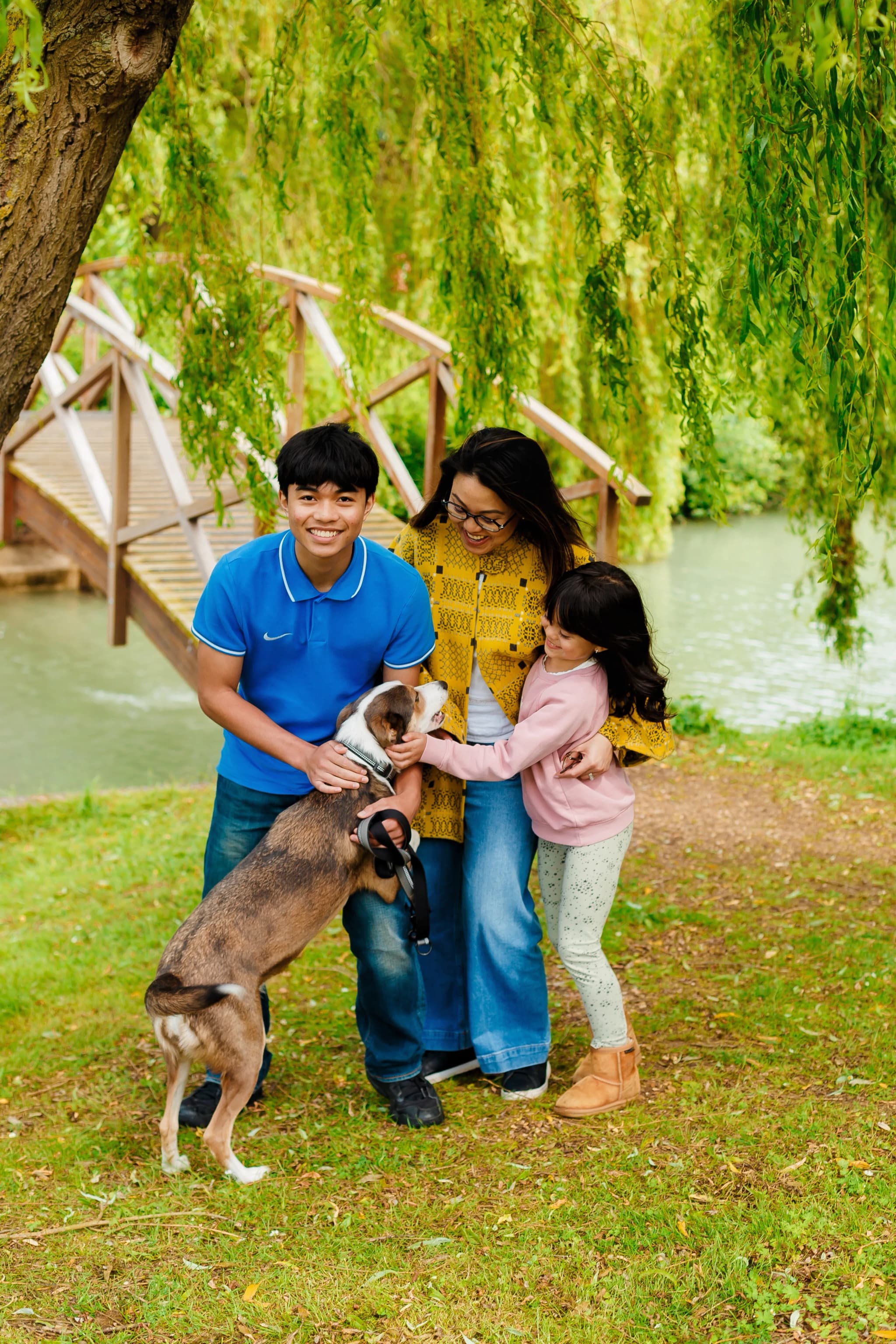
- ◆Bright, saturated colours that compete with the environment: Vivid, highly saturated colours can clash with the complex, muted, organic richness of a woodland environment rather than harmonising with it. Muted, dusty, earthy versions of any colour — rather than their bright, saturated counterparts — tend to work most beautifully in natural woodland settings.
- ◆Branded or logoed clothing for a natural setting session: Branded clothing and logos draw the eye and interrupt the visual connection between the family and the natural environment that makes woodland portraits so distinctive. Clean clothing in considered natural tones lets the woodland setting, the emotional connections, and the genuine family moments take centre stage.
Woodland family portrait sessions in Cambridgeshire
I photograph woodland family portrait sessions across Cambridgeshire and the wider surrounding area — working within beautiful natural woodland environments across all seasons to create family portraits with genuine atmosphere and emotional depth. To discuss a woodland session for your family, get in touch.

Yana Skakun
Photographer · England
Professional wedding, family and portrait photographer based in England. Passionate about capturing authentic emotions and timeless moments.
About Yana →what to wear woodland family photosfamily portrait session outfit guide woodland UKwoodland family photography Cambridgeshirewhat to wear outdoor natural family portraitsfamily photo session woodland colour palette
Family Tips — Family Photography in Cambridge & England
Yana Skakun offers natural, relaxed family photography sessions across Cambridge, Cambridgeshire, and the wider East of England. Sessions take place outdoors — in parks, woodland, and countryside — or at your family home, wherever everyone feels most at ease. This guide — What to Wear for a Woodland Family Session — is part of the photography journal: practical, experience-based advice drawn from real sessions across England. Whether you arrived searching for what to wear woodland family photos or family portrait session outfit guide woodland uk, the same care and attention shapes every session Yana photographs.
Family Photography sessions are available year-round, with bookings open across Cambridge, Ely, Huntingdon, Peterborough, and further afield — East England, London, the Midlands, and beyond. If you have specific questions about woodland family photography cambridgeshire, mention it in your enquiry. Get in touch through the contact form above to check availability and discuss your session. Enquiries are welcomed from anywhere in the UK.
Continue Reading
Related Articles

Family Tips
Blended Family Photography: A Sensitive Guide to Step-Families, Co-Parenting & Group Portraits
11 min read · Read Article
Family Tips
Baby Milestone Photography: Capturing Every Stage of the First Year
10 min read · Read Article
Family Tips
Maternity Photography in England: When to Book, What to Wear & Where to Shoot
11 min read · Read Article
Get in Touch
Ready to Book Your Session?
Get in touch to discuss your vision — I'll reply within 24 hours.